
Q1 Could you please start by introducing yourself to our readers?
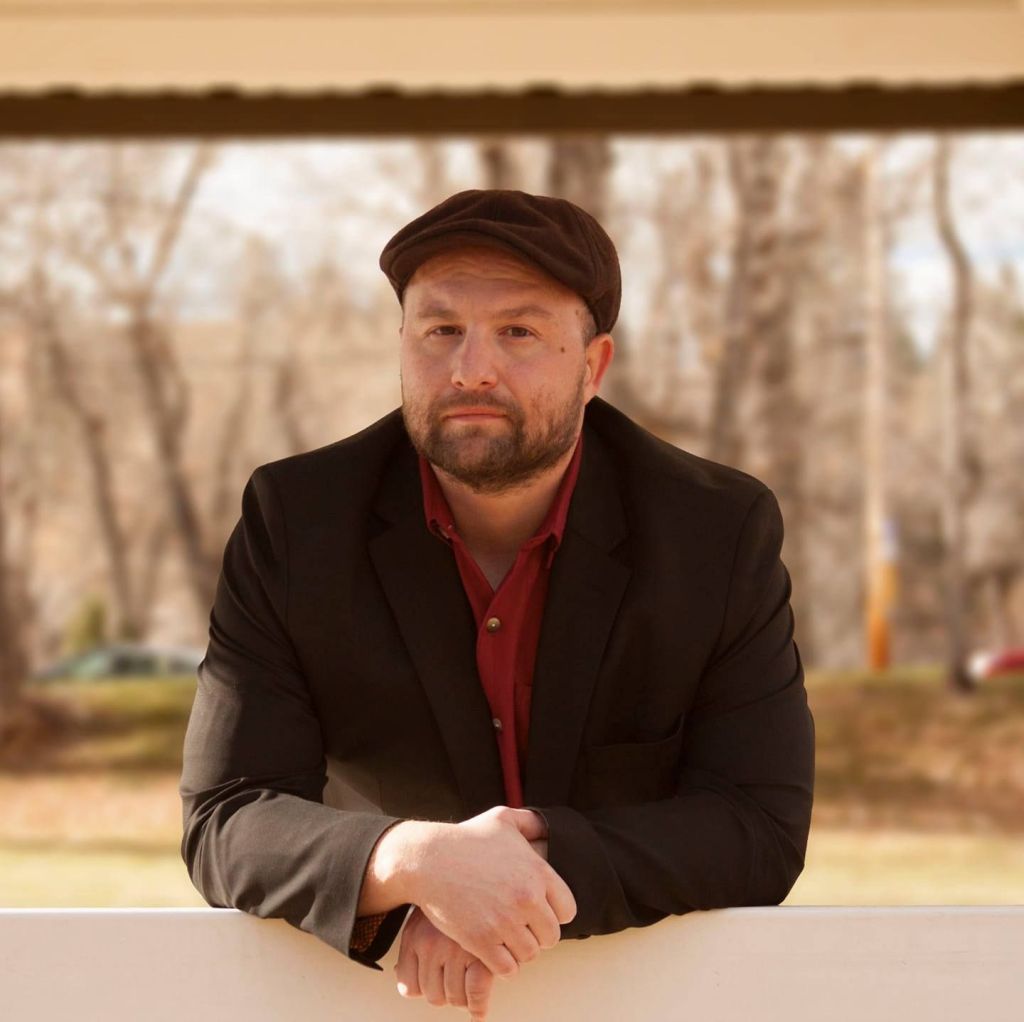
A1. I’m Seth Voorhees. I live in South Dakota. I’m a dark fiction author with four published novels.
Q2 What would you say is your strength as an author?
A2. My strength is my openness to criticism, my willingness to learn from others, and my continual improvement of my craft. That includes working with fellow authors, reading books on the craft, and doing the one thing all authors must do: write a lot and read a lot.
Q3 What is your favourite part from your book ‘Immune’?
A3. The part of Immune that I love most is near the end of the book, where the clash between Helen Olsen and the President takes place in his office. When they argue over their next course of action regarding how to “take care of the Immune,” it becomes a very emotionally charged moment for her, allowing her character to be unencumbered for the first time in her journey.
Q4 How do you handle literary criticism?
A4. For me, I try to take all criticism with an open mind. What can I learn from it? Can I apply it to my next story? Will it be helpful? Criticism is part of the process. I think the most important thing is not to take it personally and to move on if it’s something you cannot learn from or grow from.
Q5 What do you like about audiobooks?
A5. They make my car rides easier. For my job, I travel frequently across the state, and it’s always good to have a book to pass the time. I love stories, and I don’t need a car ride to enjoy them. I enjoy listening to a story while doing chores around the house, when I’m busy with tasks and can’t sit down to read, or at the end of the day when I’m tired and just want to lie down, shut my eyes, and zone out.
Q6 How has the experience of writing and publishing a book influenced your perception of yourself?
A6. Yes. When I was younger, in elementary and middle school, I had an IEP and was told that I would never be able to understand how grammar works, that I was consonant deaf, and that I would never be able to grow in that area. But through a lot of hard work, practice, learning the art of editing, and picking up as many resources as I could, I have proven many of those people wrong, which, of course, feels great.
Q7 What, in your opinion, are the most important elements of good writing?
A7. One of the most important elements is learning to balance how much of your story to show versus how much to explain. I have a tendency to narrate too much and have gotten better at recognizing it when I’m reviewing. I ask myself, is this something I should be showing? Too much narrating bores the reader and takes them out of the story.
Q8 What is your work schedule like when you are writing?
A8. I’m an early bird when it comes to writing. On weekends, I stick to the mornings and the mid-afternoon. I complete my daily word count first, then edit a project, and tackle whatever task I have at that time. On weekdays, it’s the early hours before I go to work, and sometimes I’ll pick up and do some work in the evening when I get home, depending on the day.
Q9 What is the significance of the title ‘Immune’?
A9. One of the sparks of inspiration came during the Swine Flu. While on a walk, I thought about what it would be like to be completely immune to a virus that was wiping out everyone and destroying everything around you. How would it feel to know you were safe, and how would that knowledge affect your psyche and your life? That was part of the premise, with more added as the story unfolded. The story is not only about how the group “Immune,” one of two in the book, interacts with the other group, “The Inflicted,” but also about how they interact with each other. Throughout the book, the dominance and submission between the groups shift, altering how the Immune must live their lives and move forward.
Q10 What did you want to be when you grew up?
A10. Honestly, I don’t think I’ve ever had a clear idea of what I wanted to be or pictured what my life would be like as an adult. I started reading and loving books when I was young, but I didn’t take it seriously until later in life. In college, I switched majors a few times, starting with History, then Mass Communication, and finally Sociology and Psychology. At this point, I’ve been a cook, a server, a dishwasher, an HVAC tech, a youth supervisor, a youth counselor, an educator, a CNA, and an author. I feel like I’m still trying to answer that question.
Buy a book on Amazon

