Q1. Hello, can you please introduce yourself? Readers would love to know more about you.
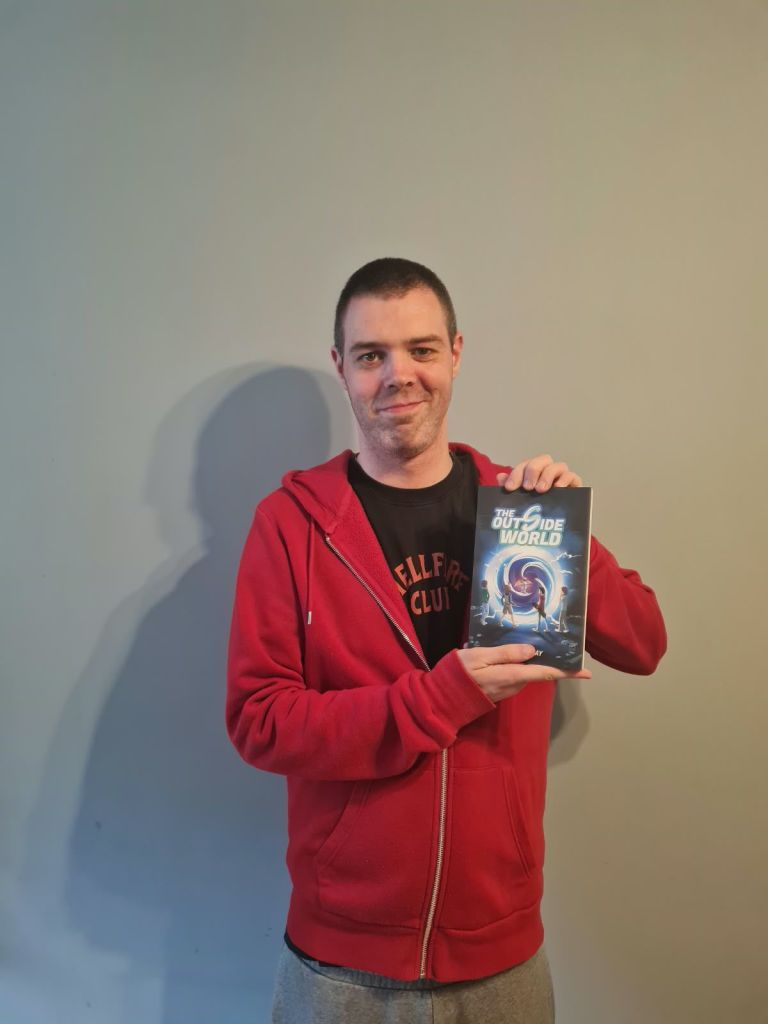
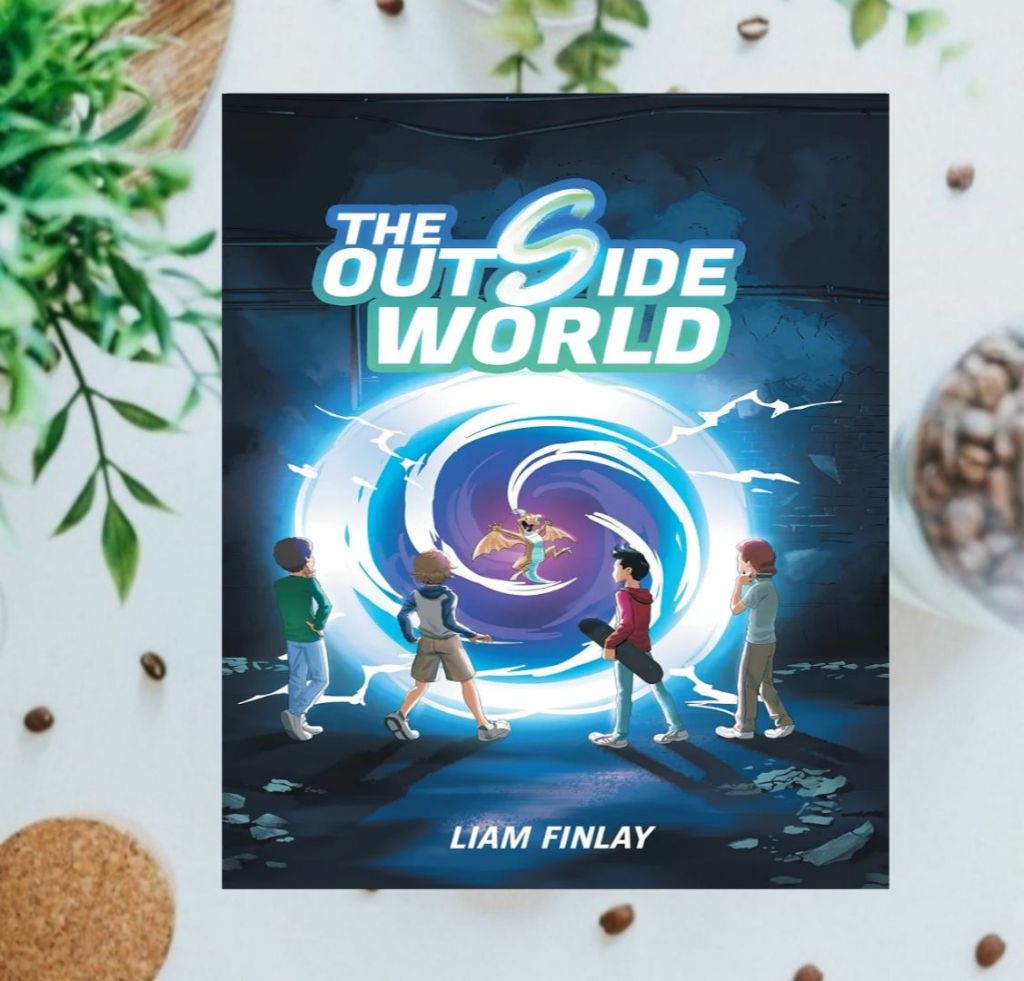
A1) Hi, my name is Liam Finlay, and I’ve just published my first book called The Outside World, a story about a group of young kids who discover a portal to another world where anything they think of becomes real.
Q2. What were the key challenges you faced while writing your book “The Outside World”?
A2. I had no previous writing experience, and have honestly never been much of a reader, so for me one of the bigger challenges, at least early on, was actually taking the idea in my head and putting it into words. Most of my ideas were very ambitious and imaginative and at times became a lot to juggle. Over time I did become better at this and crafted a story that I now can say I’m confidently very proud of.
Q3. What books or authors have most influenced your own writing?
A3. My biggest inspirations come more from the likes of The Duffer Brothers, the minds behind Stranger Things, as well as directors like Guy Ritchie, Stephen Spielberg and Edgar Wright.
Q4. What’s your favourite spot to visit in your own country? And what makes it so special to you?
A4. Every now and then I think back to old hangout spots my friends and I would frequent as kids. I don’t often get to see those places anymore, but I’ve learned more about how much they meant to me, and how much it influenced my writing when coming up with characters for pre-teen boys.
Q5. What inspired you to write the book ‘The Outside World’?
A5. Music was one of the biggest influences on my writing. I’ve been told in the past that I have a talent for matching songs with certain types of scenes and visualising them better. This was a big help in putting together action scenes like car chases and shoot-outs, but it’s also how I put together characters and learn more about them, their personalities, their likes and dislikes, the boring stuff that wouldn’t appear in the core story but holds significance to them. The more thought I put into this made it feel like I knew the characters personally, and that can only be a good thing when writing. There’s a big accumulation of other movies, shows and even video-games that, combined with this mode of thinking, inspired what eventually became The Outside World.
Q6. How long did it take you to write your book ‘The Outside World’?
A6. All together the whole process of mapping out the story in a journal, officially writing, making drafts and changes, and finally working alongside Tellwell Publishing took about three years, but it was worth it.
Q7. On what platforms can readers buy your books?
A7. The Outside World is available on Amazon, Kindle, Smashwords, Barnes & Noble, Indigo Chapters. Chances are it’s available wherever you get your books from.
Q8. Tell us about the process of coming up with the book cover and the title ‘The Outside World’?
A8. In both cases I learned that simplicity is best. I sketched my original vision for the book’s cover myself with the intent of making readers wonder what was on the other side of that portal, but obviously when I passed on the image to the design team at Tellwell they expanded on it further and helped you understand a lot more about the characters just by their stance and clothing. The title was also born out of simplicity, though it’s a little more complex. The Outside World is already a fairly common term, but there can be layers to its meaning. I thought of when parents would tell their kids to go out and play because “there’s a whole world outside waiting to be discovered” which obviously in the case of this story turned out to be true.
Q9. When writing a book how do you keep things fresh, for both your readers and also yourself.
A9. I think the natural thing to do as a writer is connect with your own characters. When something monumental happens that the characters won’t forget, you should always keep in mind how it affects them, how they react to it and what they do next. Do they grow? Do they regress? Do they try and stifle it and move on? These questions constantly keep me guessing and challenge me to answer them. When writing I never want to repeat myself or become stale, so I stay with these characters, I stay in their headspace, I think of each indivdual reaction, I’m always thinking of how to expand and make the story bigger and more unique. It’s okay if the story isn’t the only thing on your mind 24/7 but as long as you remain thinking about in some way, even if bare minimum, you’ll find more ideas will come to you naturally. It won’t always happen quickly, in fact most of the time it won’t, but as long as you take your time, and work within your own comfort, whatever your method may be, the ideas will come to you eventually.
Q10. What is the most valuable piece of advice you’ve been given about writing?
A10. It sounds obvious to say but less is more. I think it’s easy for new writers to get bogged down in the “fill your word count” mindset, but I learned from my editor at Tellwell that most of the time you don’t need to spell everything out for the readers. A lot of the time the small details carry more meaning than you might think and it’s enough for readers to understand the way characters are feeling, the lesson you’re supposed to learn, etc. Be detailed in your descriptions, yes, but don’t feel like the obvious needs to be pointed to make yourself sound smart because that’s the mistake I made. Simply put, when the author says the curtains are blue, there’s not some deep, existential meaning behind it… it just means the curtains are blue.
Buy a book on Amazon