Toby is a lovable yellow Labrador. From his endless obsession with food to his habit of stealing socks, toys, and anything else he can get his paws on, Toby immediately feels like the kind of dog who could become a beloved member of any family. His mischievous adventures, funny habits, neighborhood walks, and curiosity about everything around him make the stories relatable for anyone who has ever loved a pet.
Toby’s bond with his grandmother is amazing. Their walks, quiet moments together, playful conversations, and mutual companionship give the book a gentle emotional warmth. Toby’s experiences with surgeries, arthritis, and seizures add a deeper dimension to his story, showing his resilience and the loving care he receives from his family.
Toby’s food-loving personality and amusing antics bring plenty of laughs, while his loyalty, sensitivity, and bravery make him genuinely endearing. The first-person narration gives the book a personal feel, almost as though Toby is sitting beside you and telling you his favorite stories himself. A lovely read for dog lovers, families, and anyone who enjoys wholesome stories about the special place pets hold in our lives.
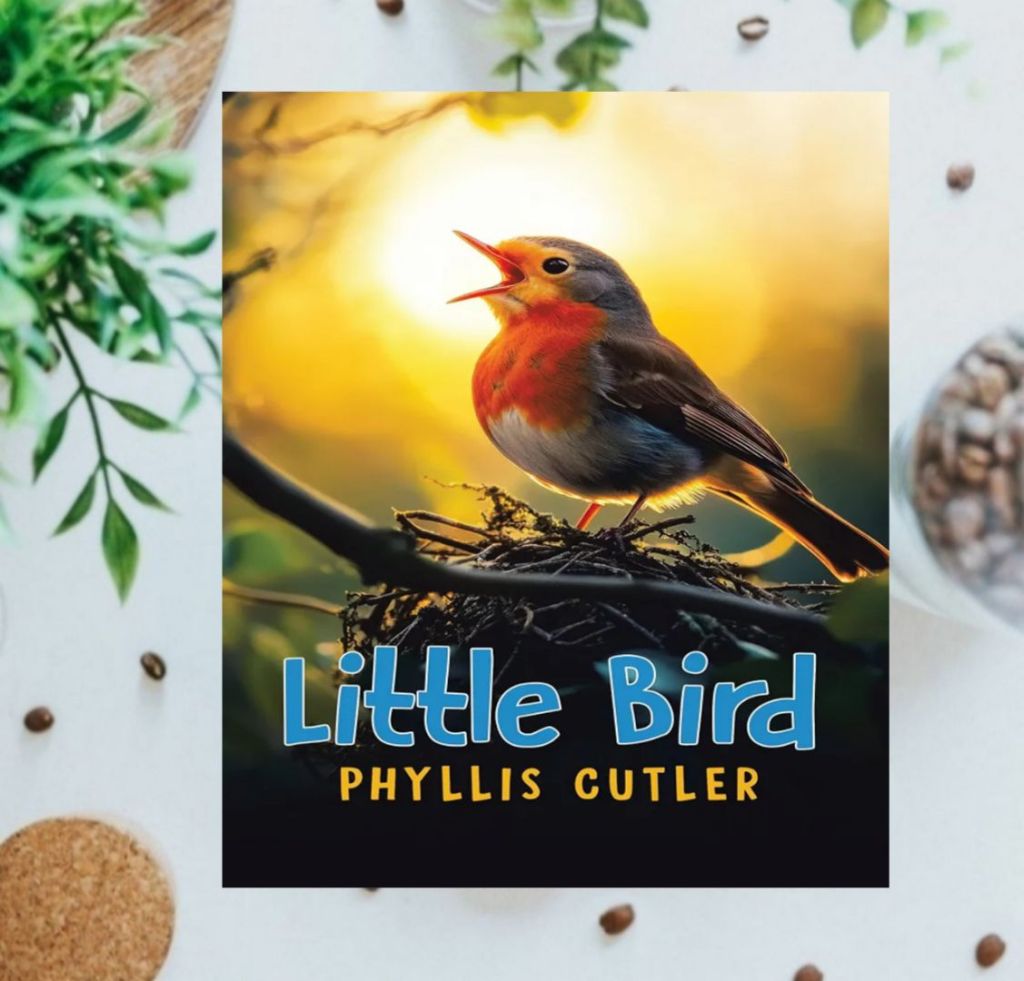
The story introduces readers to Little Bird, his mother, brother and sister, and Marjorie, a kind woman who watches the robin family from her backyard. I especially enjoyed the gentle descriptions of the nest, the baby birds, their feeding habits, and the changing seasons.
What makes Little Bird’s journey especially touching is his fear of flying. While his family eventually migrates south, Little Bird stays behind with Marjorie, who patiently cares for him and gives him a safe environment to build his confidence. His gradual progress from being too frightened to fly to practicing a little more each day is a wonderful way of showing children that fear is something they can work through at their own pace.
Little Bird is a gentle and uplifting read with themes of courage, patience, family, kindness, and overcoming fears. The story would be a lovely choice for young children, especially those who are dealing with a fear or learning something new. A wholesome little tale that celebrates growth, perseverance, and the joy of finally discovering that you can do something you once thought was impossible.
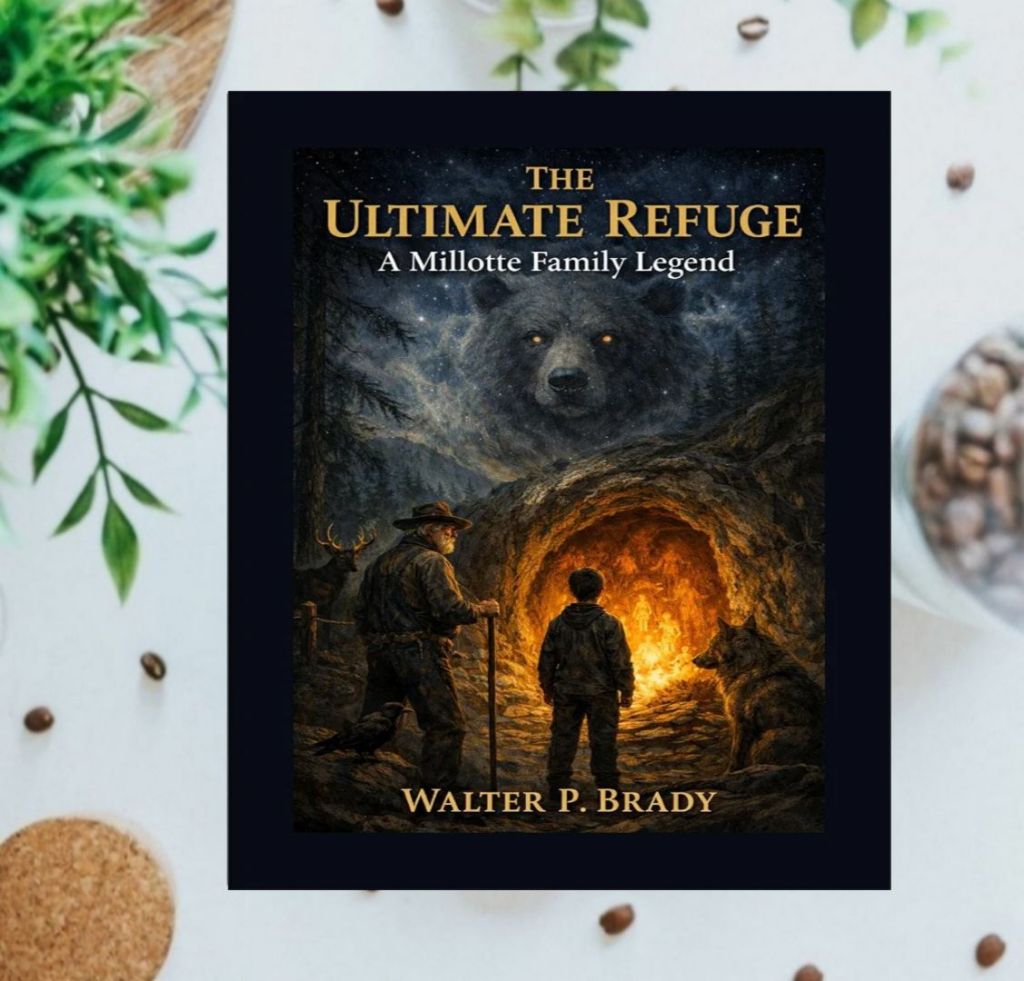
𝗕𝗼𝗼𝗸: The Ultimate Refuge 📚 𝗔𝘂𝘁𝗵𝗼𝗿: Walter P. Brady ✍️ . .
The story follows Ben Richards, who learns from his dying grandfather, Fred Millotte, that he has been chosen as the last “Seer” in a generations-old family legend. At the heart of the story is the Millotte Farm, a place filled with memories, nature, ancestral secrets, and an almost magical connection between people, animals, and the land. The relationship between Ben and his grandfather gives the opening chapters an emotional foundation.
Nature is almost a character in itself, with the forests, Mississippi River, wildlife, and old farm creating an atmospheric backdrop for Ben’s journey. The idea of “Seeing” becomes both a supernatural ability and a metaphor for understanding heritage, responsibility, compassion, and the connection between humanity and the natural world. The story also carries a strong environmental message, questioning humanity’s treatment of the planet and encouraging greater respect for nature and other people.
The emotional payoff comes when Ben’s family becomes unexpectedly connected to his quest, bringing together themes of unconditional love, faith, family, and destiny. The eventual fulfillment of the Legend gives the story a fairy-tale quality while reinforcing its central message about compassion and caring for the world we inherit.
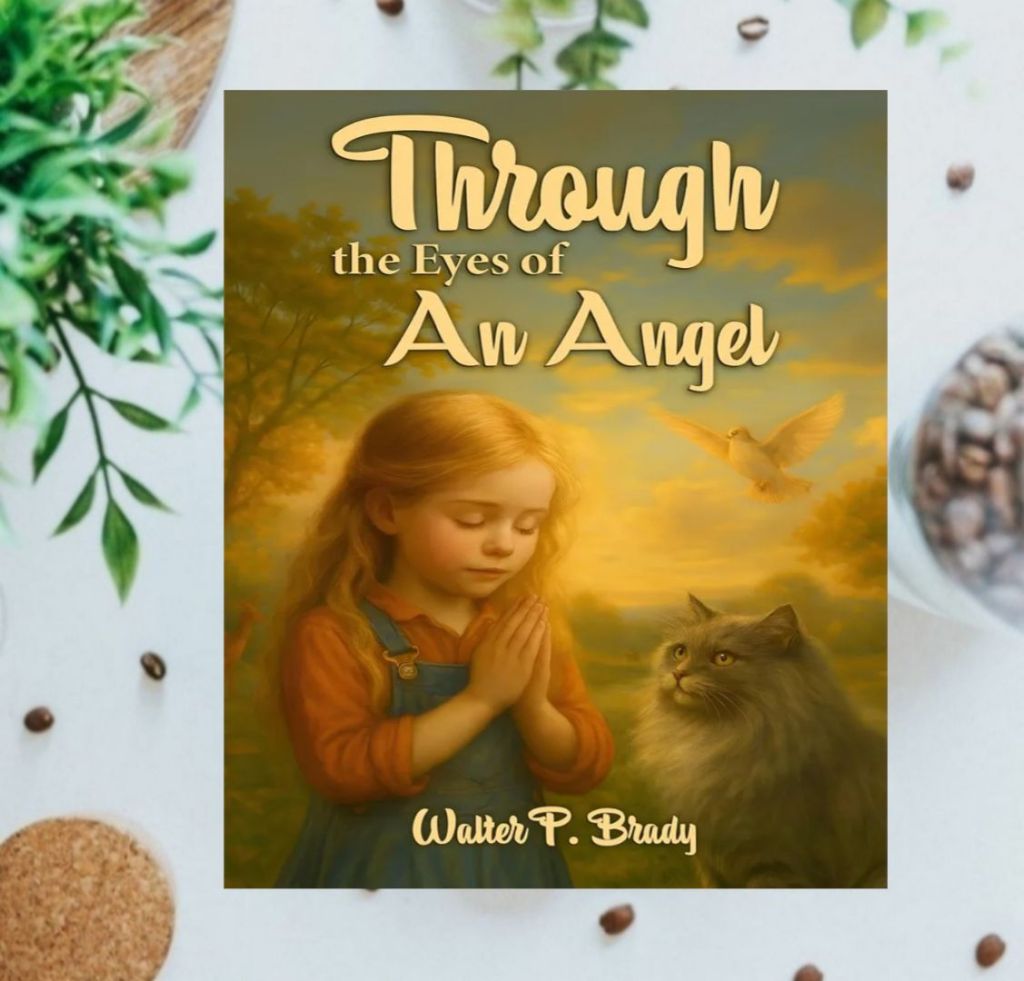
𝗕𝗼𝗼𝗸: Through the Eyes of An Angel 📚 𝗔𝘂𝘁𝗵𝗼𝗿: Walter P. Brady ✍️ . .
The story begins with Robert and Mandy, whose young love is suddenly transformed by an unexpected pregnancy and a difficult conflict with Mandy’s controlling father, Harold. As their lives unfold, the story gradually shifts its focus toward Teresa, whose unusual spiritual experiences and deep connection with God become central to the narrative. The author creates a world where ordinary family moments exist alongside visions, mysterious encounters, and events that the characters interpret as signs of a greater plan.
Teresa’s journey repeatedly brings her into contact with people who are hurting, lonely, or struggling with their faith. Her encounter with Jane Seymour, her visits to elderly people who have been forgotten by their families, and her willingness to help others demonstrate the compassionate side of her character. Her relationship with Donny also adds an emotional layer to the story, particularly as the two are separated while Teresa follows what she believes is God’s calling.
At its heart, the novel asks readers to consider what it means to live according to one’s faith and to use love and compassion as guiding principles. Through the Eyes of an Angel is ultimately a story about finding purpose, remaining faithful through uncertainty, and believing that individual lives can have an impact far beyond what we initially understand.
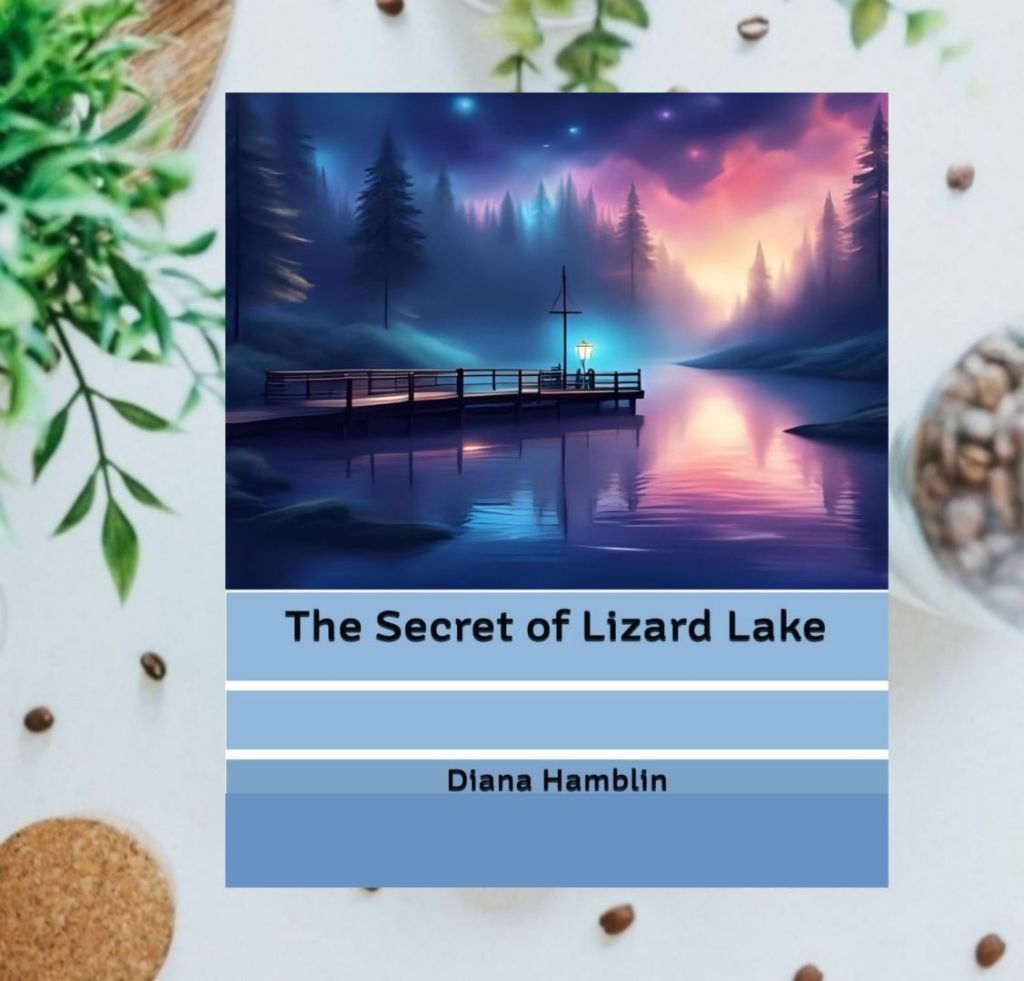
𝗕𝗼𝗼𝗸: The Secret of Lizard Lake 📚 𝗔𝘂𝘁𝗵𝗼𝗿: Diana Hamblin ✍️ . .
The Secret of Lizard Lake by Diana Hamblin is a charming middle-grade mystery that combines adventure, friendship, environmental awareness, and a touch of fantasy.
The story follows nine-year-old Hana Ito, a curious and environmentally conscious girl who lives beside Lizard Lake in the small town of Dwindling. When the mysterious Dorsal family moves in next door, Hana quickly becomes fascinated by their unusual behaviour. Her curiosity leads to an astonishing discovery.
Hana’s friendship with Amber Dorsal becomes central to the adventure, while the mystery surrounding Lizard Lake takes a more serious turn when the girls discover dangerous pollution and garbage threatening the lake and its wildlife. The book handles environmental themes in a way that feels accessible to young readers, showing that even seemingly small actions can contribute to protecting the world around us.
I found The Secret of Lizard Lake to be a warm and imaginative adventure with a memorable protagonist. Hana’s quirky personality, her journal entries, her love of nature, and her determination to investigate what others overlook make her easy to root for. I also liked how the story moves beyond simply solving a mystery and becomes a story about acceptance, friendship, protecting nature, and bringing a community together.
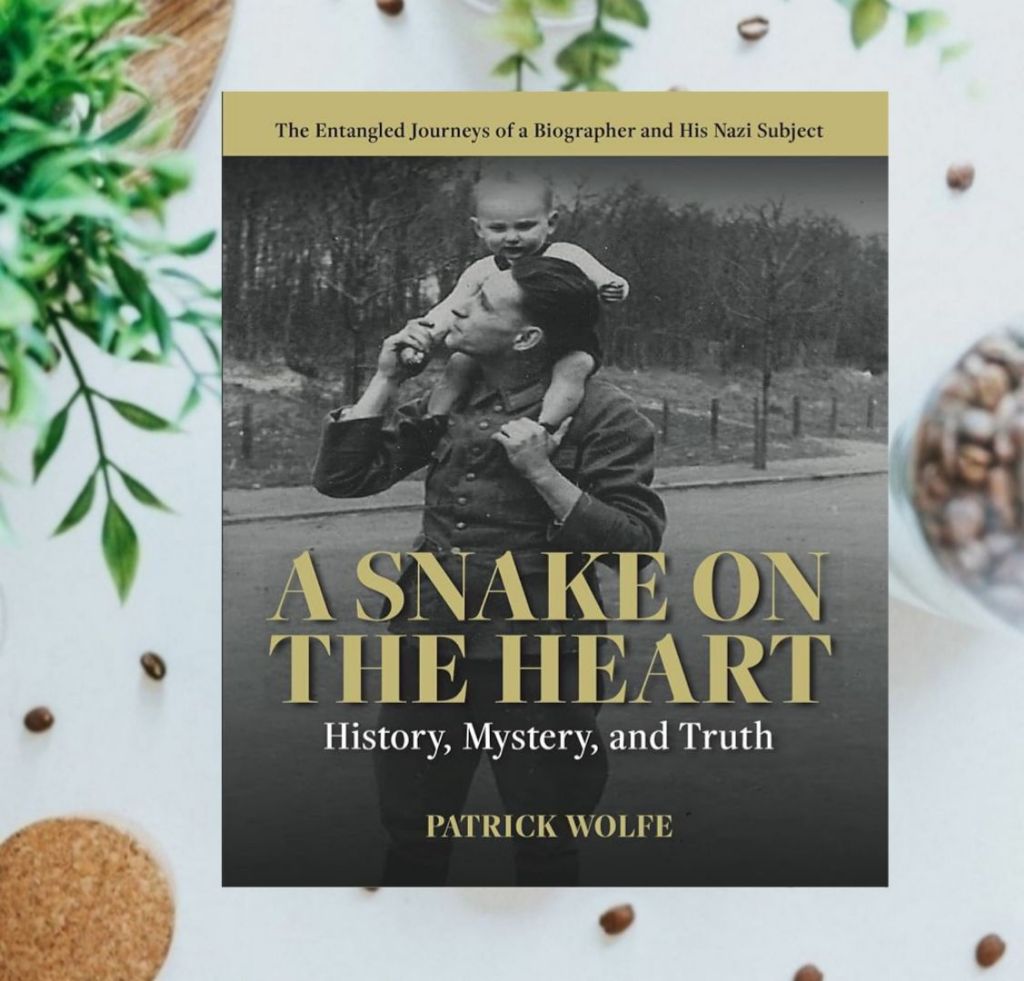
𝗕𝗼𝗼𝗸: A Snake on the Heart 📚 𝗔𝘂𝘁𝗵𝗼𝗿: Patrick Wolfe ✍️ . .
Patrick Shane Wolfe tells the story of John Petersen, a man whose life moved through Nazi-occupied Netherlands, the SS, postwar imprisonment, and eventually a new life in Canada. What makes the book particularly intriguing is that Petersen is not presented as simply a hero or villain. His wartime actions, claims of helping others, involvement with the resistance, and later life reveal a deeply contradictory personality, leaving the reader constantly questioning what is fact, what is distortion, and what may never be fully known.
One of the strongest aspects of the book is the author’s willingness to examine his own role in the story. Wolfe initially trusted Petersen and viewed him through “rose-coloured glasses,” but decades of research gradually forced him to reconsider the man he thought he knew. He consults family members, archival records, and people who knew Petersen, creating a portrait that is much darker and more complicated than the original story Wolfe had been told.
What stayed with me most is the book’s larger message about truth and self-understanding. Wolfe openly accepts that some questions surrounding Petersen may never have definitive answers, yet he continues searching for a more honest understanding rather than settling for a convenient version of events. The extensive structure, historical detail, family perspectives, and personal reflections make this a thoughtful read.
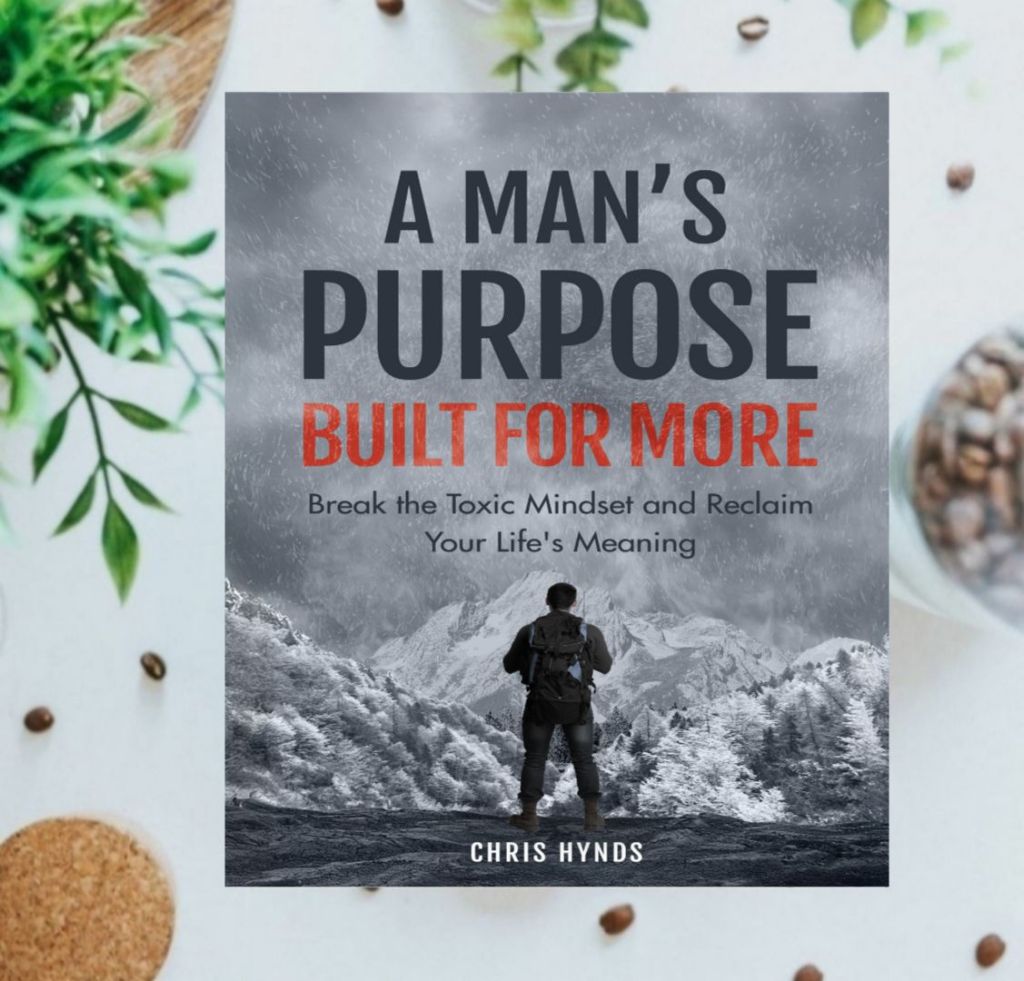
𝗕𝗼𝗼𝗸: A Man’s Purpose 📚 𝗔𝘂𝘁𝗵𝗼𝗿: Chris Hynds ✍️ . .
This book encourages men to look honestly at the emotional armor, expectations, and definitions of success they may have carried for years. I particularly liked the central idea that a person doesn’t necessarily need to become someone new, but may need to reconnect with the parts of themselves that have been buried beneath responsibility and achievement.
Hynds discusses the different “masks” men can adopt: the Stoic, Provider, Achiever, Tough Guy, or Lone Wolf and shows how these roles can gradually create emotional distance from oneself and others. The book also moves beyond reflection by offering practical prompts and small exercises, encouraging readers to recognize suppressed emotions, question inherited beliefs, seek supportive relationships, and make choices that are more aligned with their values. The progression from survival to intentional leadership gives the discussion a clear sense of direction.
This is a reflective and motivational read for anyone interested in personal growth, emotional intelligence, purpose, and redefining strength. Its message that vulnerability and honesty can coexist with strength is presented with genuine conviction. This book invites readers to stop measuring their lives only by achievement and begin asking a more meaningful question: whether the life they are building actually feels authentic to them.
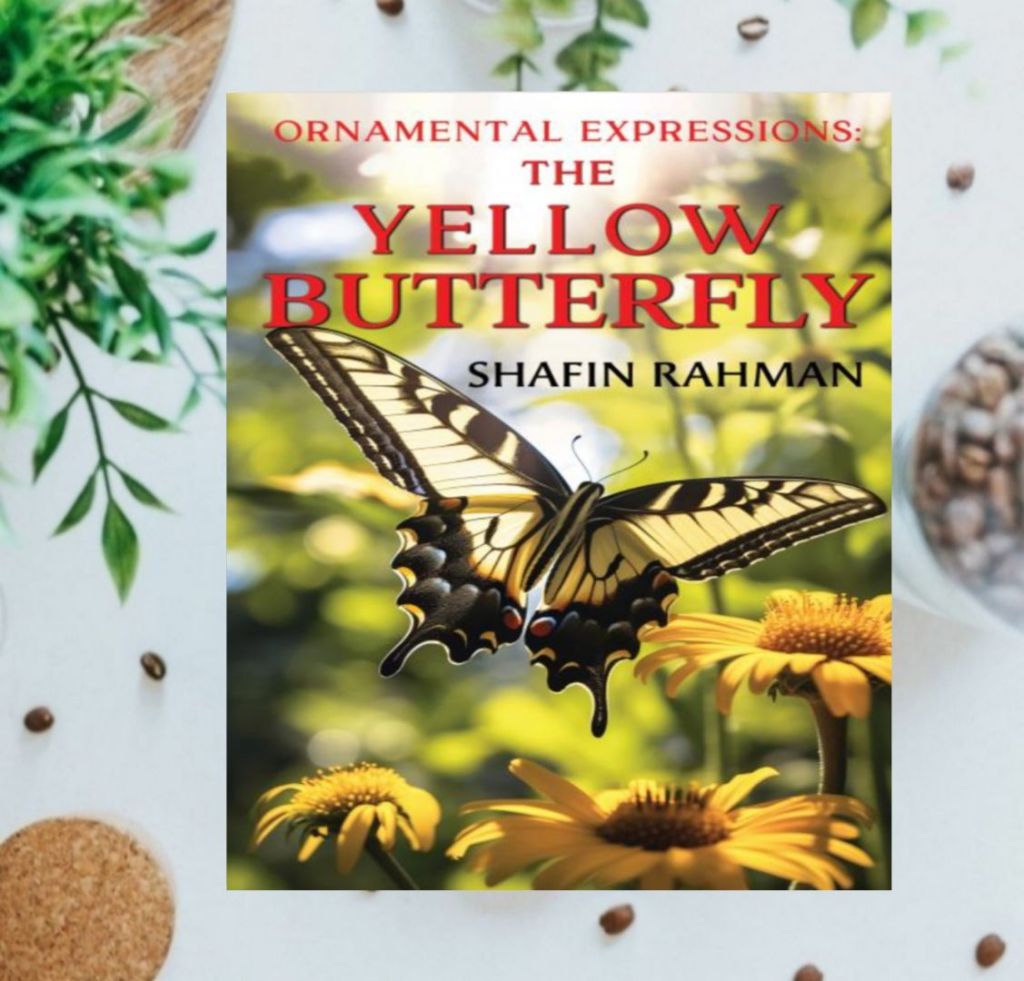
The Yellow Butterfly by Shafin Rahman is a reflective collection of poetry that feels like an invitation into the author’s inner world. This collection brings together emotions, memories, observations, and life lessons, with the author hoping to create an “enchanted world” where readers can pause, reflect, and revisit moments from the past.
What stood out to me is the way the poems move between simple life wisdom and deeper emotional reflections. In “Patience,” the author explores the importance of slowing down, thinking carefully, and resisting the urge to rush into decisions. Meanwhile, “Things I Miss” carries a more nostalgic and melancholic tone, touching on memories of friends, familiar experiences, loneliness, and the awareness that time keeps moving forward. Other poems, such as “There is a Thing Men Want,” explore human desires, fear, happiness, and the uncertainties that accompany life.
This book’s poems encourage reflection on memories, choices, relationships, loss, and the passage of time. The recurring sense of looking back while still moving forward gives the collection an emotional warmth. For readers who enjoy poetry that combines personal emotion with observations about everyday life, The Yellow Butterfly offers a gentle collection to revisit whenever you are in the mood for quiet contemplation.
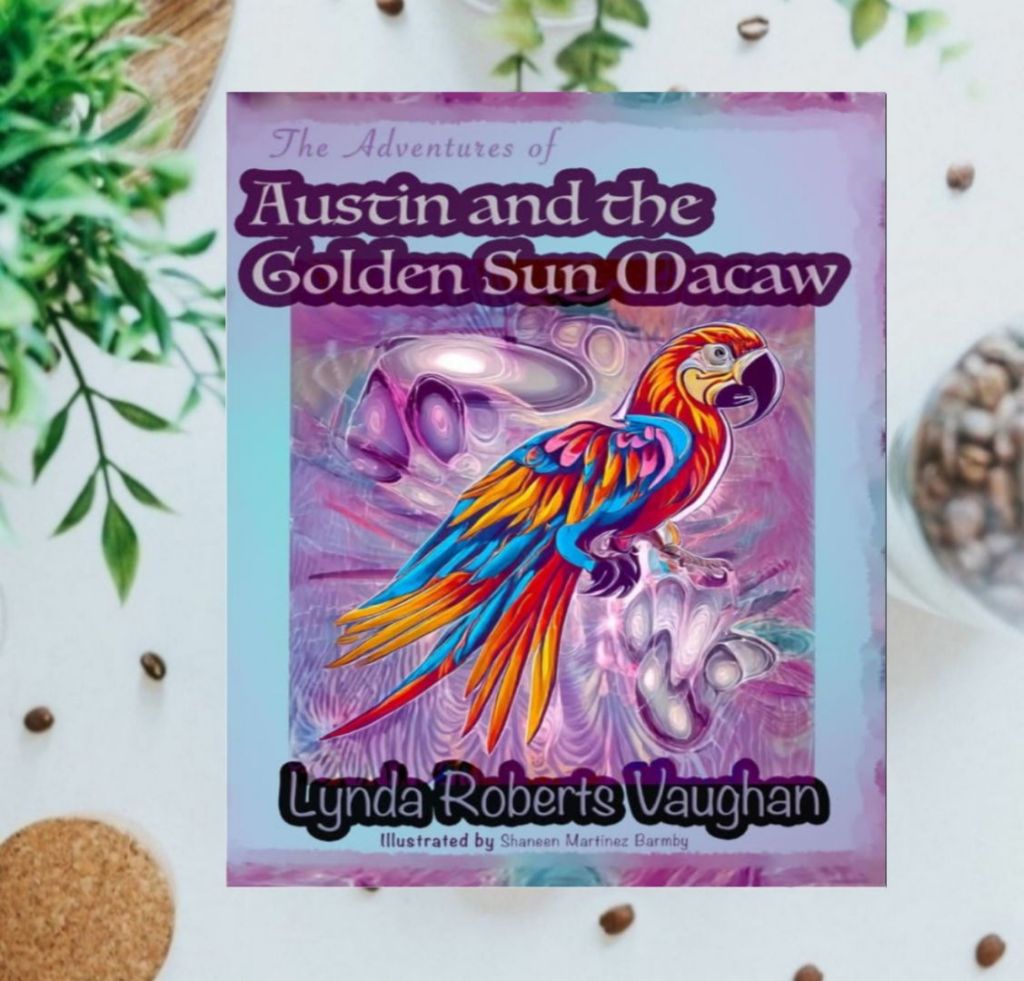
𝗕𝗼𝗼𝗸: Austin and the Golden Sun Macaw 📚 𝗔𝘂𝘁𝗵𝗼𝗿: Lynda Roberts Vaughan ✍️ . .
This was such a fun mix of family, magic, mystery, and adventure. What initially feels like a story about a family and their ranch gradually opens up into something much bigger, involving an enchanted map, a hidden treasure, old family secrets, and a magical legacy passed down through generations. I especially enjoyed how the story builds its world through the characters. The connection between Austin and Tybar, in particular, gives the magical elements an emotional heart.
The treasure hunt is only one part of what makes the story interesting. There is also a genuine sense of danger as Gabby’s intentions become clearer and the family realizes that Tybar may be in serious danger. The magical details: the White Witch, the enchanted map and even the mysterious rocking chair give the story a wonderfully whimsical quality.
Austin and Tybar’s friendship and sacrifice also add warmth to what could otherwise have been a straightforward fantasy treasure hunt. The ending leaves plenty of room for curiosity about what comes next, and I can easily see younger readers especially enjoying the combination of magical creatures, family secrets, suspense, and adventure.
Q1. Hello, can you please introduce yourself? Readers would love to know more about you.
A1. My name is Leith Campbell MacArthur. Leith is the name of a river in Scotland, and I’ve always been thankful to my mother for having had the courage to give me a unique moniker. I live in Greene, RI, on a beautiful piece of land surrounded by woods and water. I love animals, most particularly dogs. I’m of the belief that dogs were put on this planet to show us oft-confused humans the true nature of love and devotion. Speaking of love; I’ve been blessed by the most amazing woman I’ve ever known (beyond my mother, of course). After having spent five of my eight decades feeling lost, my wife Katira has gifted me with true love. I was lost, and now I am found.
Q2. What were the key challenges you faced while writing your book “An Artificial Life”?
A2. The most difficult aspect of writing my memoir “An Artificial Life” was telling the truth. I am a recovering addict. I abused drugs for nearly five decades, and telling the truth about the insane and sometimes terrible things I did while using drugs took a kind of courage I did not know I possessed.
Q3. What books or authors have most influenced your own writing?
A3. As a child, I was profoundly influenced by Robert Louis Stevenson. His stories of humanness, heartache, and triumph temporarily relieved me of my suffering. Because of Stevenson, I began writing short stories at the age of eleven. As a teenager, Dashiell Hammet, Ross Macdonald, and John D. Macdonald helped me to express, through writing, my anger about injustice. When I was older, Robert B. Parker helped me to round out my fictional protagonist, William Snow, for my series of suspense thrillers. Although my writing pales by comparison, I learned how to create vibrant scenes by reading every book ever written by James Lee Burke, Master Storyteller.
Q4. What’s your favourite spot to visit in your own country? And what makes it so special to you?
A4. The area around the White Mountains of New Hampshire contains some of my favorite places on earth. Before our family fell apart, my father took us on epic driving trips throughout New England. Whenever we were in the White Mountains of New Hampshire, I did not want to go home. I loved those mountains. As an adult, I went on to climb many of them.
Q5. What inspired you to write the book ‘The Man On The Moon’?
A5. For three consecutive summers, I vacationed in Pleasant Bay, Nova Scotia. Because Pleasant Bay is the most tranquil place I’ve ever been to (the population is about 100), I wondered what it would be like if I were to uncover some unspeakable horror buried in the town’s history. Out of that wondering came the fifth book in the William Snow series, “The Man on the Moon”.
Q6. How long did it take you to write your book ‘An Artificial Life’?
A6. Writing “An Artificial Life” was a grueling process. I began writing about the havoc I’d wreaked in my life (while dodging my own bullets and praying they wouldn’t kill anyone else) in the fall of 2012, which was when, at the age of sixty-six, I finally got clean. I finished “An Artificial Life” in May, 2026. Therefore, it took fourteen years to complete.
Q7. On what platforms can readers buy your books?
A7. My books can be purchased at Amazon and Barnes and Noble, or at my website LeithMacArthur.com
Q8. Tell us about the process of coming up with the book cover and the title ‘The Finding Man’?
A8. Coming up with the cover design for “The Finding Man” was easy. All six books in The William Snow series have the exact same image on the covers. The only difference is the color. The image of the hand coming up out of the water on those six covers is the opposite of the hand coming down out of the sky on the cover of “An Artificial Life”. The common theme is, “getting a hand”.
Q9. When writing a book how do you keep things fresh, for both your readers and also yourself.
A9. Keeping my writing fresh is easy. I write “the truth”, whether it be the actual truth in the story of my life, or the created “truth” of the stories in my head. Even though I have been blessed with an active imagination, I do my best to write stories that come across as possible.
Q10. What is the most valuable piece of advice you’ve been given about writing?
A10. The most valuable piece of advice I’ve ever been given regarding writing is this: read, read, READ!