Muppit Boy and the Wheel of Power

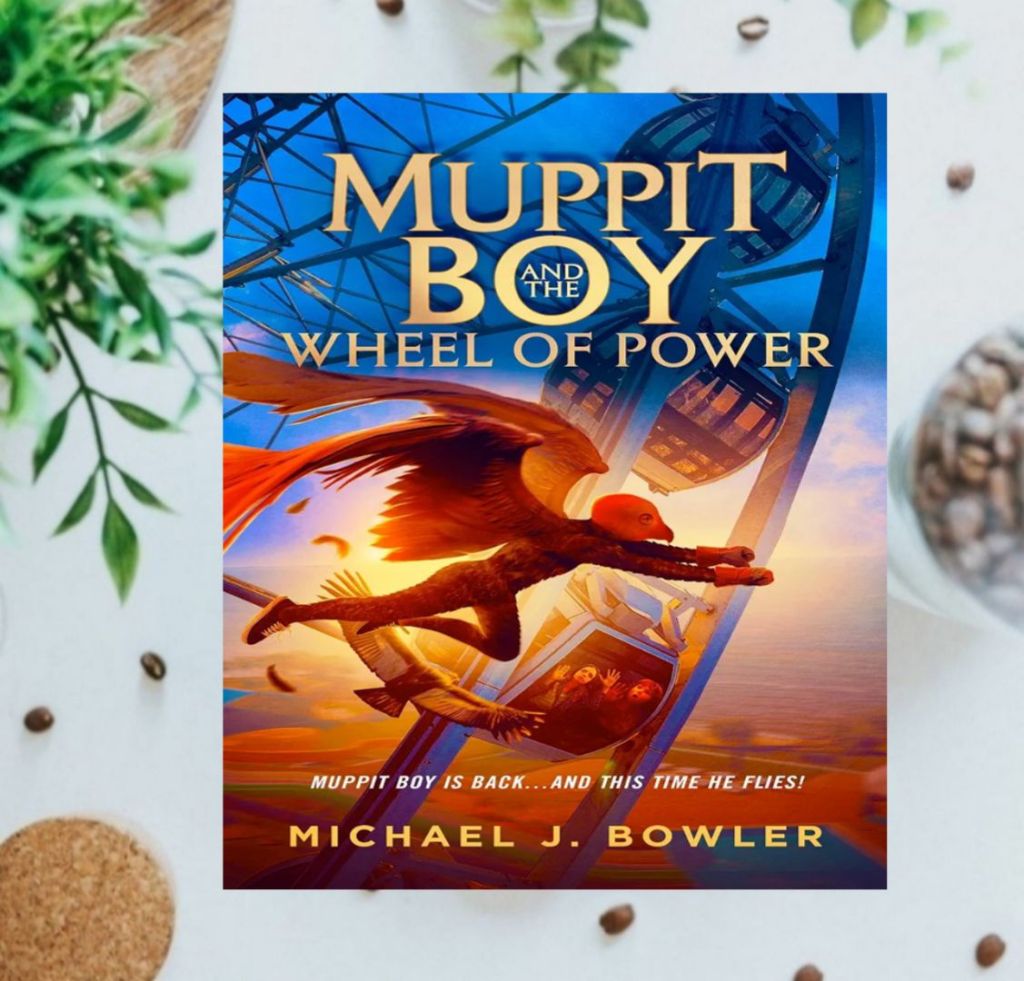
š—•š—¼š—¼š—ø: Muppit Boy and the Wheel of Power šŸ“š
š—”š˜‚š˜š—µš—¼š—æ: Michael J. Bowler āœļø
.
.

Muppit Boy and the Wheel of Power is an entertaining superhero adventure that combines action, humor, and plenty of heart. Mo Fitzroy returns as a young hero who is still figuring out how to balance his ordinary life with his secret identity as Condor Kid. I especially enjoyed the opening sequence involving the Ferris wheel, which immediately creates a sense of danger and gives Mo a chance to demonstrate his courage, quick thinking, and growing abilities.

What makes the story more than just another superhero adventure is Mo himself. Despite his incredible strength, speed, and ability to fly, he continues to struggle with insecurity, his appearance, friendships, and the fact that his body has stopped developing. His relationship with Kashvi and Barney adds warmth to the story, while his complicated relationship with Mason Rizzo brings an interesting emotional layer. 

The story moves at a lively pace, with one situation leading naturally into another. There is plenty for younger readers to enjoy, from superhero technology and secret missions to flying rescues and unexpected alliances. At the same time, the book carries thoughtful messages about friendship, bullying, self-worth, courage, and second chances.Ā 

• š— š˜† š—„š—®š˜š—¶š—»š—“: 5/5

Buy a book on Amazon

Interview with author David Rosenbaum

Q1. Hello, can you please introduce yourself? Readers would love to know more about you.

A1. Sure. David Rosenbaum. I am a retired academic who was involved in research and teaching at Masters level in leadership and change management. My PhD thesis was all about change in the nonprofit sector. Towards the end of my academic career, I became interested in fiction, and the more I read, the more I got interested in it as a genre. And reading numerous books by authors such as Gail Honeyman, Gabrielle Zevin, Frederik Backman, Lan Chang, Kevin Powers and Kristin Hannah, to name but a few, I became excited about the art of writing fiction and using imagination as a form of intimate expression. It was the ability to let my imagination do whatever it wanted to do, that got me very excited about writing a book.

Q2. What were the key challenges you faced while writing your book “The Remaking of Myles”?

A2. The biggest challenge was developing a writing style that was conducive to writing fiction, especially having come from an academic background where I was the expert and my writing was reflective of conveying expert knowledge. Having worked with a book coach for a period leading up to the writing of my novel, it became more and more obvious that the approach of ā€˜telling’ the reader, needed to be replaced by ā€˜showing’ the reader as the story unfolds. So, the challenge became relying on the reader’s imagination to interpret my own imagination. Even as I was writing the novel, slipping back into the ā€˜telling’ versus the ā€˜showing’ approach occurred regularly, and recognising this as it occurred was a continuing challenge. Having finished the book, I think I can happily say, I’ve got it! And so the sequel is moving ahead well.

Q3. What books or authors have most influenced your own writing?

A3. Frederik Brokman’s ā€˜Anxious People’ & ā€˜A Man Called Ove’; Gail Honeyman’s ā€˜Eleanor Oliphant is Completely Fine’, Taffy Brodesser-Akner’s ā€˜Fleishman is in Trouble’, and David Grossman’s ā€˜More Than I Love My Life’

Q4. What’s your favourite spot to visit in your own country? And what makes it so special to you?

A4. My favourite spot is the Blue Mountains which is around two-hours’ drive west of Sydney. Whilst it’s becoming somewhat more congested as is the rest of Sydney, great parts of it still remain somewhat of a haven. Beautiful sights along the mountain ranges, ancient trees in the extensive bush, and a wealth of wildlife that you don’t see much of in the greater Sydney area. Staying overnight in one of the many guest houses gives you the opportunity to take deep breaths and relax, so that you can put up with the chaos that Sydney is fast becoming.

Q5. What inspired you to write the book ‘The Remaking of Myles’?

A5. My original aim was to write an autobiography. But the more I thought about this and planned for it, the more I realised that nobody would be interested as I was an unknown quantity, both as an author as well as an individual. So, I ruled this approach out and decided that writing fiction that was based on real foundations was a better way of going.

Q6. How long did it take you to write your book ‘The Remaking of Myles’?

A6. There are probably two parts to this answer. Before I started writing, I worked with a Book Coach for around 12 months. This was to ensure that I was able to transition from academic writing to fiction writing. Then when I became more comfortable with what was involved, it took me around two years to finish the book and another 6 months or so to complete all levels of editing.

Q7. On what platforms can readers buy your books?

A7. It is currently available on Amazon in both Kindle and Paperback and Books Online Australia for paperback

Q8. Tell us about the process of coming up with the book cover and the title ‘The Remaking of Myles’?

A8. I wanted a title that reflected personal change and growth, a favourite topic of mine especially during my academic career. I was considering an alternative title of ā€˜I Am Myles’, which focused on the positioning of a character in the here and now, rather than the character’s past. But that seemed slightly static, and I was looking for something more active and in fact positive. Having someone being remade responded to this. And so ā€˜The Remaking of Myles’ was born. The cover needed to respond to 2 desires on my part. First, the visual aspect. I wanted uplifting and bright colours reflecting a future and optimism. Secondly, I wanted a cover design that showed fluidity. Things moving and flowing which is how Myles’ life changed.

Q9. When writing a book how do you keep things fresh, for both your readers and also yourself.

A9. That’s part of the journey. I write every day even if it’s only 100 words, knowing that there are days when I can’t stop writing and an entire chapter may be the result. But before any writing is undertaken, I reread what I wrote the previous day and when a chapter is written I tend to reread it at least 2 to 3 times to ensure 2 things, first that it gels and secondly that the next paragraph, page, chapter etc. is consistent with what I am trying to achieve with the story. In between writing I am constantly reviewing the character arc of the protagonist and researching elements of scenes to ensure reality is maintained with regards where scenes take place etc.

Q10. What is the most valuable piece of advice you’ve been given about writing?

A10. Don’t give up. If you believe you have a story to tell, then don’t let anyone else tell you otherwise. Given that a very small portion of writers make a living out of writing, make sure you do it because you love doing it.

Buy a book on Amazon

The Inner Focus for Men

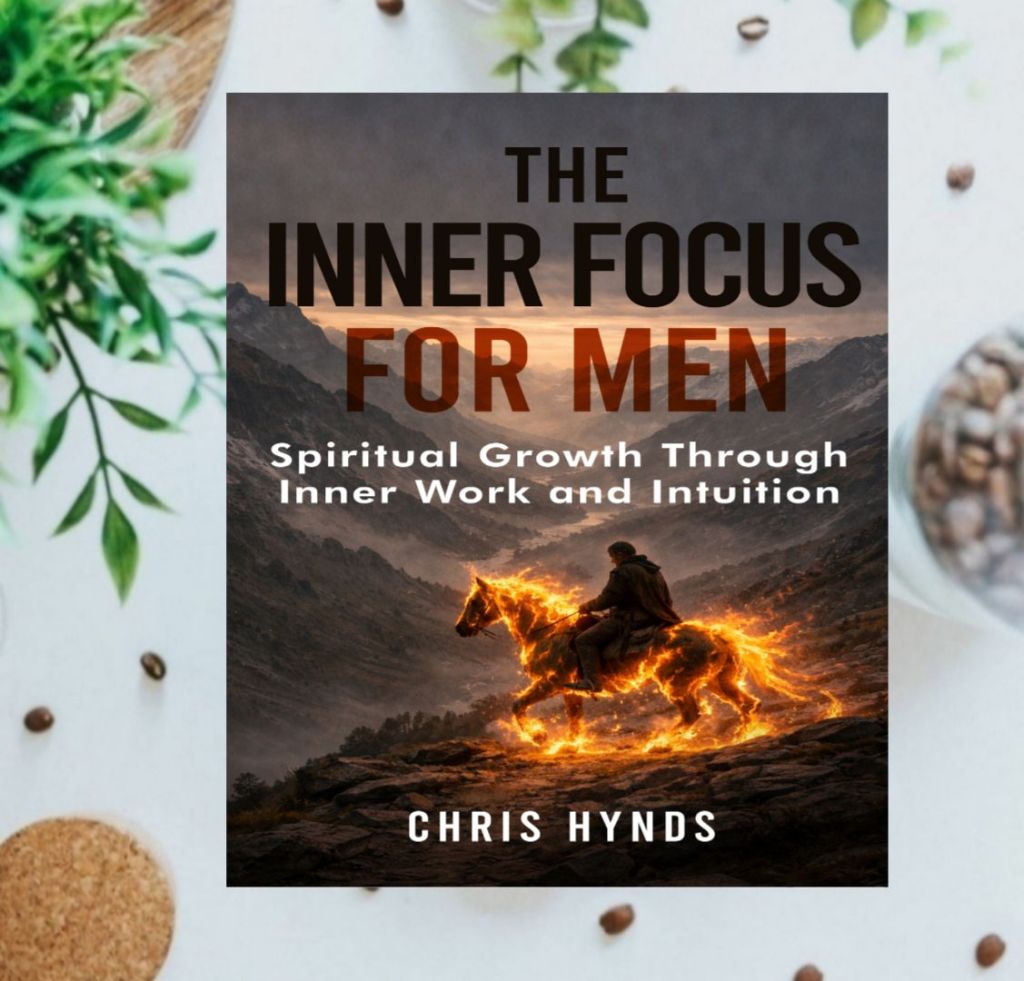
š—•š—¼š—¼š—ø: The Inner Focus for Men šŸ“š
š—”š˜‚š˜š—µš—¼š—æ: Chris Hynds āœļø
.
.

This book focuses on self-awareness, emotional intelligence, purpose, intuition, and inner healing. I particularly liked the way the author addresses the feeling of being successful on the outside while still feeling disconnected internally. The idea that restlessness can be a signal for change rather than simply a problem to eliminate gives the book an introspective and relatable starting point.

Hynds explores recurring behavioral patterns, childhood conditioning, ego, emotional suppression, boundaries, mindfulness, journaling, and the importance of creating a pause between a trigger and a reaction. The discussions around recognizing personal patterns and questioning inherited beliefs encourage readers to look honestly at the stories they have carried for years. 

The Inner Focus for Men is a reflective guide for readers who feel that something in their lives needs to change but are not quite sure where to begin. Its central message is that meaningful transformation comes through consistent inner work rather than a quick motivational boost. I appreciated its emphasis on taking responsibility for one’s patterns while also approaching personal struggles with self-compassion.Ā 

• š— š˜† š—„š—®š˜š—¶š—»š—“: 5/5

Buy a book on Amazon

Interview with author Liam Finlay

Q1. Hello, can you please introduce yourself? Readers would love to know more about you.

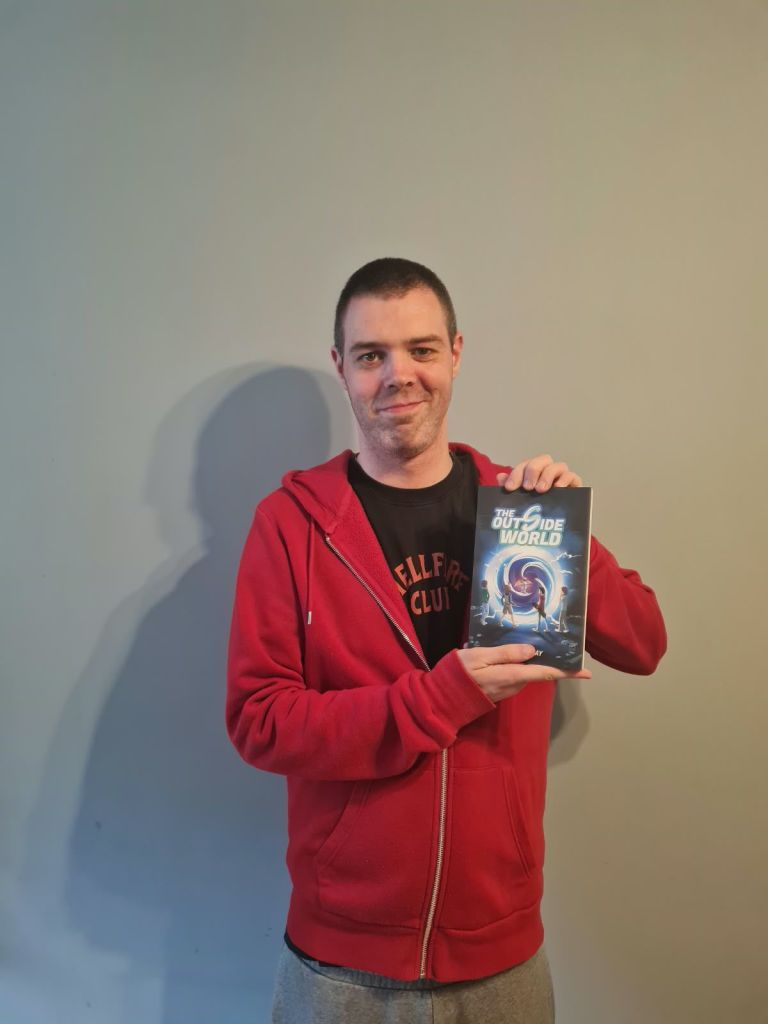
A1) Hi, my name is Liam Finlay, and I’ve just published my first book called The Outside World, a story about a group of young kids who discover a portal to another world where anything they think of becomes real.

Q2. What were the key challenges you faced while writing your book “The Outside World”?

A2. I had no previous writing experience, and have honestly never been much of a reader, so for me one of the bigger challenges, at least early on, was actually taking the idea in my head and putting it into words. Most of my ideas were very ambitious and imaginative and at times became a lot to juggle. Over time I did become better at this and crafted a story that I now can say I’m confidently very proud of.

Q3. What books or authors have most influenced your own writing?

A3. My biggest inspirations come more from the likes of The Duffer Brothers, the minds behind Stranger Things, as well as directors like Guy Ritchie, Stephen Spielberg and Edgar Wright.

Q4. What’s your favourite spot to visit in your own country? And what makes it so special to you?

A4. Every now and then I think back to old hangout spots my friends and I would frequent as kids. I don’t often get to see those places anymore, but I’ve learned more about how much they meant to me, and how much it influenced my writing when coming up with characters for pre-teen boys.

Q5. What inspired you to write the book ‘The Outside World’?

A5. Music was one of the biggest influences on my writing. I’ve been told in the past that I have a talent for matching songs with certain types of scenes and visualising them better. This was a big help in putting together action scenes like car chases and shoot-outs, but it’s also how I put together characters and learn more about them, their personalities, their likes and dislikes, the boring stuff that wouldn’t appear in the core story but holds significance to them. The more thought I put into this made it feel like I knew the characters personally, and that can only be a good thing when writing. There’s a big accumulation of other movies, shows and even video-games that, combined with this mode of thinking, inspired what eventually became The Outside World.

Q6. How long did it take you to write your book ‘The Outside World’?

A6. All together the whole process of mapping out the story in a journal, officially writing, making drafts and changes, and finally working alongside Tellwell Publishing took about three years, but it was worth it.

Q7. On what platforms can readers buy your books?

A7. The Outside World is available on Amazon, Kindle, Smashwords, Barnes & Noble, Indigo Chapters. Chances are it’s available wherever you get your books from.

Q8. Tell us about the process of coming up with the book cover and the title ‘The Outside World’?

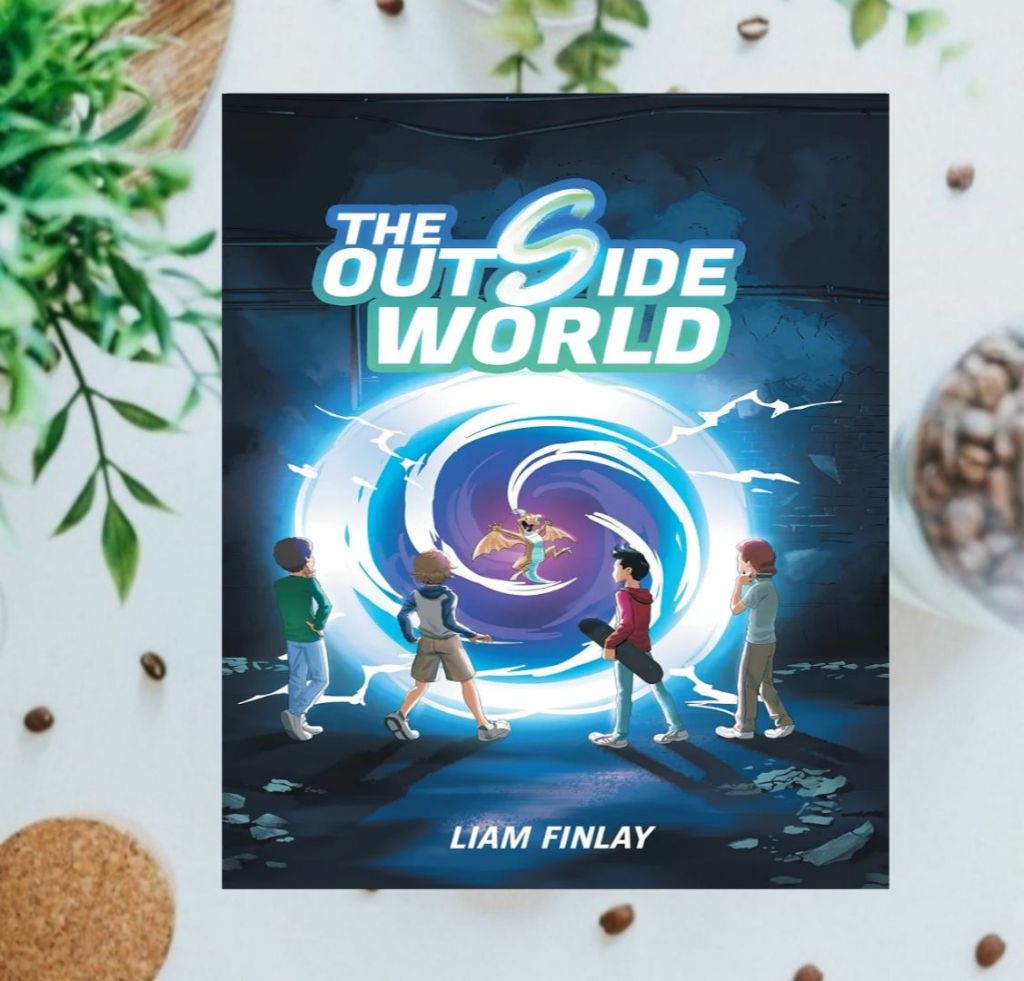
A8. In both cases I learned that simplicity is best. I sketched my original vision for the book’s cover myself with the intent of making readers wonder what was on the other side of that portal, but obviously when I passed on the image to the design team at Tellwell they expanded on it further and helped you understand a lot more about the characters just by their stance and clothing. The title was also born out of simplicity, though it’s a little more complex. The Outside World is already a fairly common term, but there can be layers to its meaning. I thought of when parents would tell their kids to go out and play because “there’s a whole world outside waiting to be discovered” which obviously in the case of this story turned out to be true.

Q9. When writing a book how do you keep things fresh, for both your readers and also yourself.

A9. I think the natural thing to do as a writer is connect with your own characters. When something monumental happens that the characters won’t forget, you should always keep in mind how it affects them, how they react to it and what they do next. Do they grow? Do they regress? Do they try and stifle it and move on? These questions constantly keep me guessing and challenge me to answer them. When writing I never want to repeat myself or become stale, so I stay with these characters, I stay in their headspace, I think of each indivdual reaction, I’m always thinking of how to expand and make the story bigger and more unique. It’s okay if the story isn’t the only thing on your mind 24/7 but as long as you remain thinking about in some way, even if bare minimum, you’ll find more ideas will come to you naturally. It won’t always happen quickly, in fact most of the time it won’t, but as long as you take your time, and work within your own comfort, whatever your method may be, the ideas will come to you eventually.

Q10. What is the most valuable piece of advice you’ve been given about writing?

A10. It sounds obvious to say but less is more. I think it’s easy for new writers to get bogged down in the “fill your word count” mindset, but I learned from my editor at Tellwell that most of the time you don’t need to spell everything out for the readers. A lot of the time the small details carry more meaning than you might think and it’s enough for readers to understand the way characters are feeling, the lesson you’re supposed to learn, etc. Be detailed in your descriptions, yes, but don’t feel like the obvious needs to be pointed to make yourself sound smart because that’s the mistake I made. Simply put, when the author says the curtains are blue, there’s not some deep, existential meaning behind it… it just means the curtains are blue.

Buy a book on Amazon

The Outside World

š—•š—¼š—¼š—ø: The Outside World šŸ“š
š—”š˜‚š˜š—µš—¼š—æ:Ā Liam Finlay āœļø
.
.

The story follows Will, Jack, Aaron, and Conor whose ordinary lives take an extraordinary turn when they discover a mysterious blue portal and a strange dragon-like creature. What begins as an exciting discovery soon pulls them into a much bigger world filled with incredible powers, dangerous enemies, strange creatures, and situations far beyond anything they could have imagined. The opening also introduces the intriguing concept of the Four Pillars of Existence and a hidden world created as a possible haven for humanity, giving the story an ambitious foundation.

One of the most enjoyable aspects of the book is the friendship between the four boys. Their personalities are quite different, but their constant teasing, arguments, jokes, and willingness to stand by one another make their bond feel central to the story. Jack, in particular, gets some meaningful character development as the adventure pushes him beyond his fears and insecurities. The book also explores themes of courage, loyalty, family, trauma, responsibility, and the consequences of power.

The Outside World is an ambitious and imaginative read with a strong emphasis on adventure and friendship. Readers who enjoy stories involving portals, fantastical worlds, superpowers, friendship, and high-stakes adventures may find plenty to explore here.Ā 

• š— š˜† š—„š—®š˜š—¶š—»š—“: 5/5

Buy a book on Amazon

Interview with author Phyllis M. Cutler

1. Please introduce yourself so that the readers will get to know you better.

A1. I am a former elementary teacher and have experience working with a national textbook company, as well as with a real estate magazine and mortgage company. I find joy in reading stories to a preschool once a month. I am a mother and grandmother who is writing stories that children will enjoy.

2. What is the inspiration behind your book “Little Bird”?

A2. I sit on my deck in the morning on a sunny day with coffee and appreciate looking at the colorful flowers and bushes in the yard. I especially observe the cheerful chirping birds. A robin builds a nest and has her babies each year in a lilac tree by the deck. I decided to write a story about a robin family.

3. When did you realize you want to be an author?

A3. I am an avid reader and wanted to become an author after my children grew up, but wasn’t sure what to write about. I learned that inspiration could come from looking around your house and yard and thinking about your own experiences.

4. Please tell us something about your book “Toby”.

A4. I often walked the lovable dog and had a close bond with him. He inspired me to write a book about his life, going through the years.

5. For which age group is your book “Little Bird”?

A5. 5-12 years, although adults might like it also.

6. What is your favorite Quote?

A6. I like an Emily Dickinson poem, If I Can Stop One Heart From Breaking
If I can stop one heart from breaking,

I shall not live in vain;

If I can ease one life the aching,Ā 

Or cool one pain,

Or help one fainting robin

Unto his nest again,

I shall not live in vain.Ā Ā Ā Ā Ā Ā Ā Ā Ā Ā Ā Ā Ā Ā Ā Ā 
Ā Ā Ā Ā Ā Ā Ā Ā Ā Ā Ā Ā Ā Ā Ā Ā Ā Ā Ā Ā Ā Ā Ā Ā Ā Ā Ā Ā Ā Ā Ā Ā Ā Ā Ā Ā Ā Ā Ā Ā Ā Ā Ā Ā Ā Ā Ā Ā Ā Ā Ā Ā Ā Ā Ā Ā Ā Ā Ā Ā Ā Ā 
7. What do you like the most about your country?

A7 The freedom to live your life the way you want to.

8. What suggestion do you want to give to parents of little readers regarding a reading habit?

A8. Parents can look at pictures in a book and talk about them with their young children to build vocabulary and observations. From preschool on, parents can read simple stories to their children. When the children are able to read by themselves, they can read along with the parents, especially if there is a repetition of a line in the book. As they become better readers, the children can be encouraged to read daily. They can discuss if they like a book or not, and parents can find books of interest to them.

9. What does literary success look like to you?

A9. If the readers say they enjoy the story and it has a message for them.

10. Lastly, who is your inspiration in life and why?

A10. My family inspires me as they pursue higher education and are kind and caring to others.

Buy books on Amazon

Toby

š—•š—¼š—¼š—ø: Toby šŸ“š
š—”š˜‚š˜š—µš—¼š—æ: Phyllis M. Cutler āœļø
.
.

Toby is a lovable yellow Labrador. From his endless obsession with food to his habit of stealing socks, toys, and anything else he can get his paws on, Toby immediately feels like the kind of dog who could become a beloved member of any family. His mischievous adventures, funny habits, neighborhood walks, and curiosity about everything around him make the stories relatable for anyone who has ever loved a pet.

Toby’s bond with his grandmother is amazing. Their walks, quiet moments together, playful conversations, and mutual companionship give the book a gentle emotional warmth. Toby’s experiences with surgeries, arthritis, and seizures add a deeper dimension to his story, showing his resilience and the loving care he receives from his family.

Toby’s food-loving personality and amusing antics bring plenty of laughs, while his loyalty, sensitivity, and bravery make him genuinely endearing. The first-person narration gives the book a personal feel, almost as though Toby is sitting beside you and telling you his favorite stories himself. A lovely read for dog lovers, families, and anyone who enjoys wholesome stories about the special place pets hold in our lives.

• š— š˜† š—„š—®š˜š—¶š—»š—“: 5/5

Buy a book on Amazon

Little Bird

š—•š—¼š—¼š—ø: Little Bird šŸ“š
š—”š˜‚š˜š—µš—¼š—æ: Phyllis Cutler āœļø
.
.

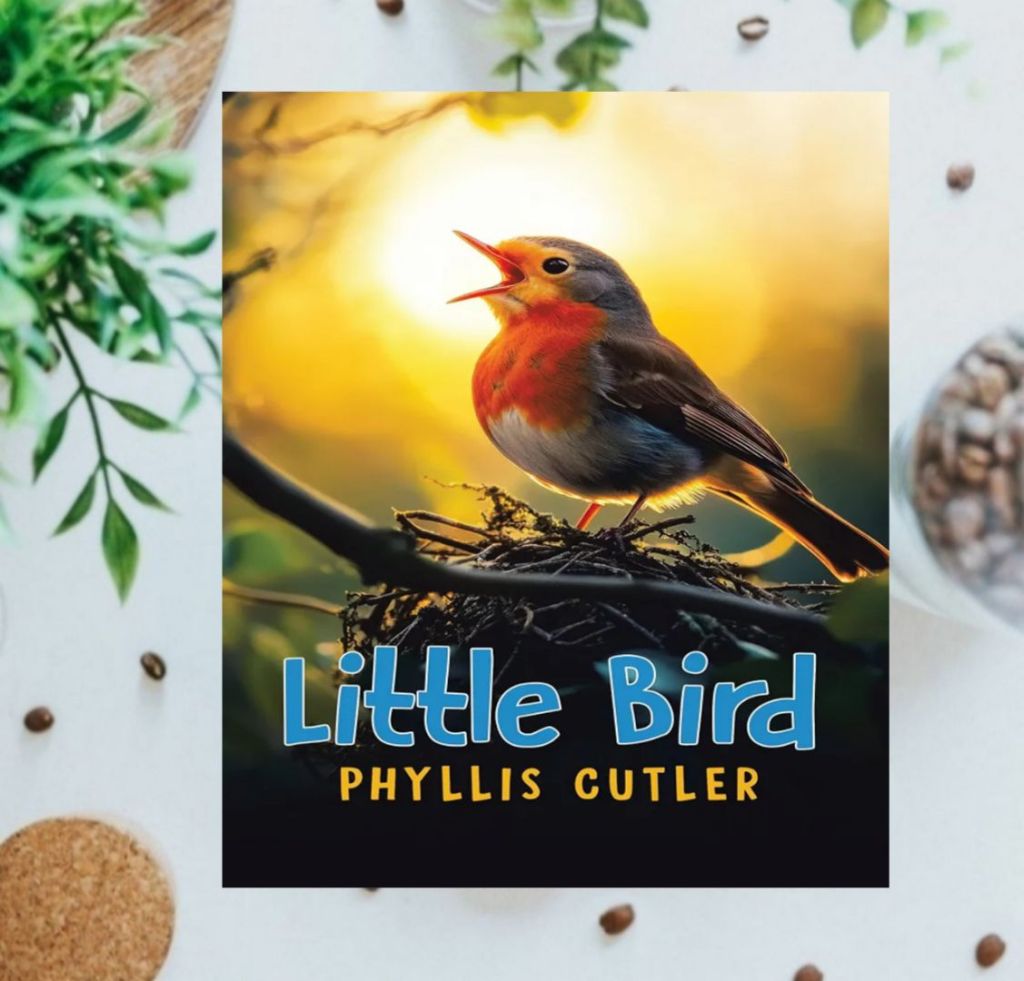
The story introduces readers to Little Bird, his mother, brother and sister, and Marjorie, a kind woman who watches the robin family from her backyard. I especially enjoyed the gentle descriptions of the nest, the baby birds, their feeding habits, and the changing seasons. 

What makes Little Bird’s journey especially touching is his fear of flying. While his family eventually migrates south, Little Bird stays behind with Marjorie, who patiently cares for him and gives him a safe environment to build his confidence. His gradual progress from being too frightened to fly to practicing a little more each day is a wonderful way of showing children that fear is something they can work through at their own pace. 

Little Bird is a gentle and uplifting read with themes of courage, patience, family, kindness, and overcoming fears. The story would be a lovely choice for young children, especially those who are dealing with a fear or learning something new. A wholesome little tale that celebrates growth, perseverance, and the joy of finally discovering that you can do something you once thought was impossible.

• š— š˜† š—„š—®š˜š—¶š—»š—“: 5/5

Buy a book on Amazon

The Ultimate Refuge

š—•š—¼š—¼š—ø: The Ultimate Refuge šŸ“š
š—”š˜‚š˜š—µš—¼š—æ: Walter P. Brady āœļø
.
.

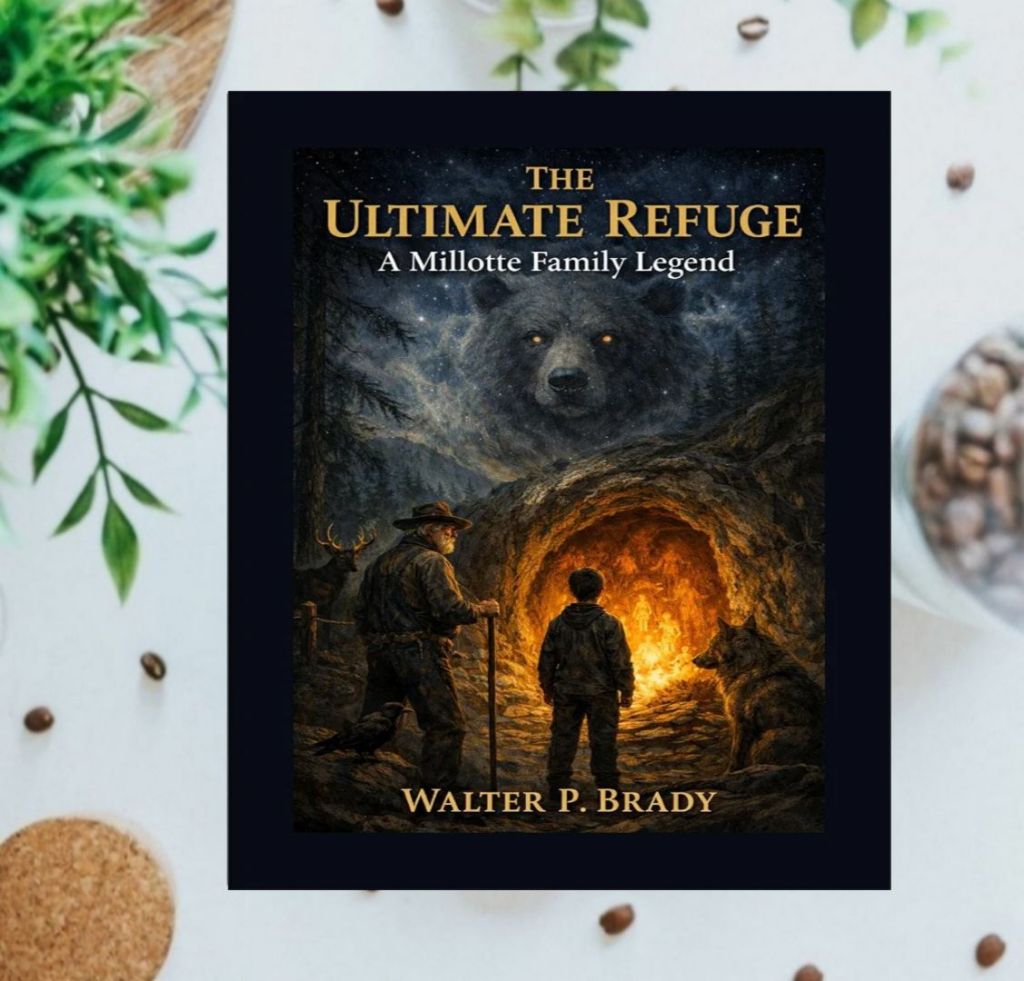
The story follows Ben Richards, who learns from his dying grandfather, Fred Millotte, that he has been chosen as the last ā€œSeerā€ in a generations-old family legend. At the heart of the story is the Millotte Farm, a place filled with memories, nature, ancestral secrets, and an almost magical connection between people, animals, and the land. The relationship between Ben and his grandfather gives the opening chapters an emotional foundation.

Nature is almost a character in itself, with the forests, Mississippi River, wildlife, and old farm creating an atmospheric backdrop for Ben’s journey. The idea of ā€œSeeingā€ becomes both a supernatural ability and a metaphor for understanding heritage, responsibility, compassion, and the connection between humanity and the natural world. The story also carries a strong environmental message, questioning humanity’s treatment of the planet and encouraging greater respect for nature and other people.

The emotional payoff comes when Ben’s family becomes unexpectedly connected to his quest, bringing together themes of unconditional love, faith, family, and destiny. The eventual fulfillment of the Legend gives the story a fairy-tale quality while reinforcing its central message about compassion and caring for the world we inherit.

• š— š˜† š—„š—®š˜š—¶š—»š—“: 5/5

Buy a book on Amazon

Through the Eyes of An Angel

š—•š—¼š—¼š—ø: Through the Eyes of An Angel šŸ“š
š—”š˜‚š˜š—µš—¼š—æ: Walter P. Brady āœļø
.
.

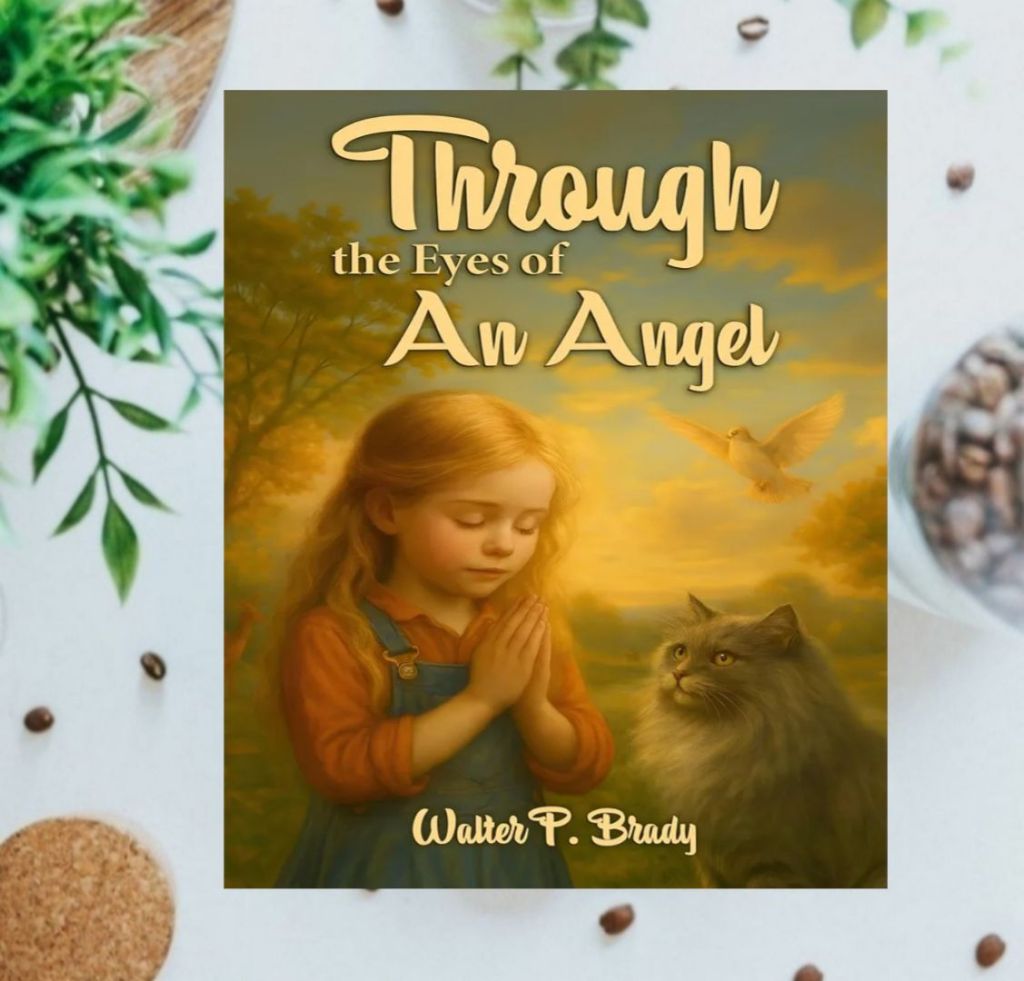
The story begins with Robert and Mandy, whose young love is suddenly transformed by an unexpected pregnancy and a difficult conflict with Mandy’s controlling father, Harold. As their lives unfold, the story gradually shifts its focus toward Teresa, whose unusual spiritual experiences and deep connection with God become central to the narrative. The author creates a world where ordinary family moments exist alongside visions, mysterious encounters, and events that the characters interpret as signs of a greater plan.

Teresa’s journey repeatedly brings her into contact with people who are hurting, lonely, or struggling with their faith. Her encounter with Jane Seymour, her visits to elderly people who have been forgotten by their families, and her willingness to help others demonstrate the compassionate side of her character. Her relationship with Donny also adds an emotional layer to the story, particularly as the two are separated while Teresa follows what she believes is God’s calling. 

At its heart, the novel asks readers to consider what it means to live according to one’s faith and to use love and compassion as guiding principles. Through the Eyes of an Angel is ultimately a story about finding purpose, remaining faithful through uncertainty, and believing that individual lives can have an impact far beyond what we initially understand.

• š— š˜† š—„š—®š˜š—¶š—»š—“: 5/5

Buy a book on Amazon

Design a site like this with WordPress.com
Get started