1. Please introduce yourself so that the readers will get to know you better.
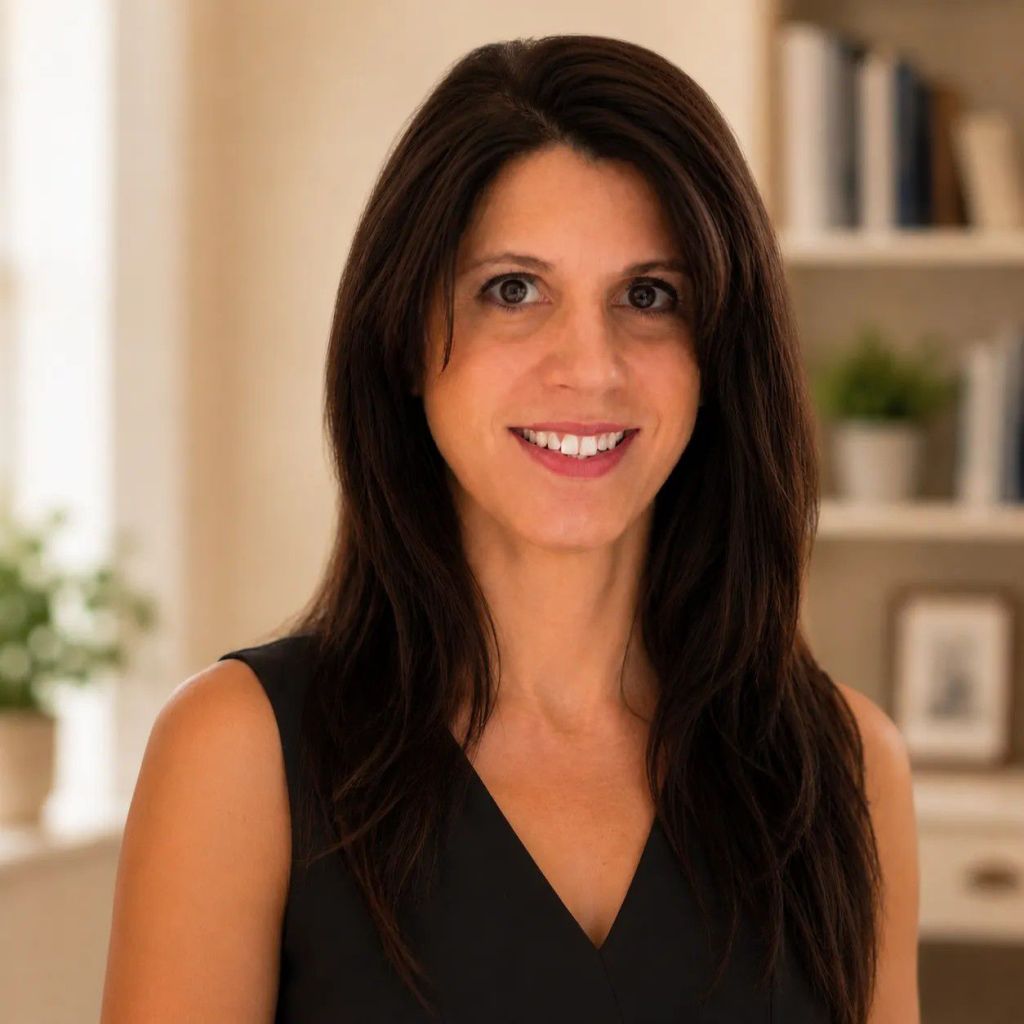
A1. I grew up in New Jersey and later moved to Tennessee with my husband and family. My educational background includes legal studies and graduate studies in professional writing, both of which have strengthened my research, analytical, and communication skills. I enjoy creative, academic, and faith-based writing because writing allows me to inform, encourage, and connect with others through meaningful ideas and stories. Along with continuing my journey as an author, I aspire to become a writing educator who helps students develop their skills, discover their unique voices, and recognize the value of their own stories.
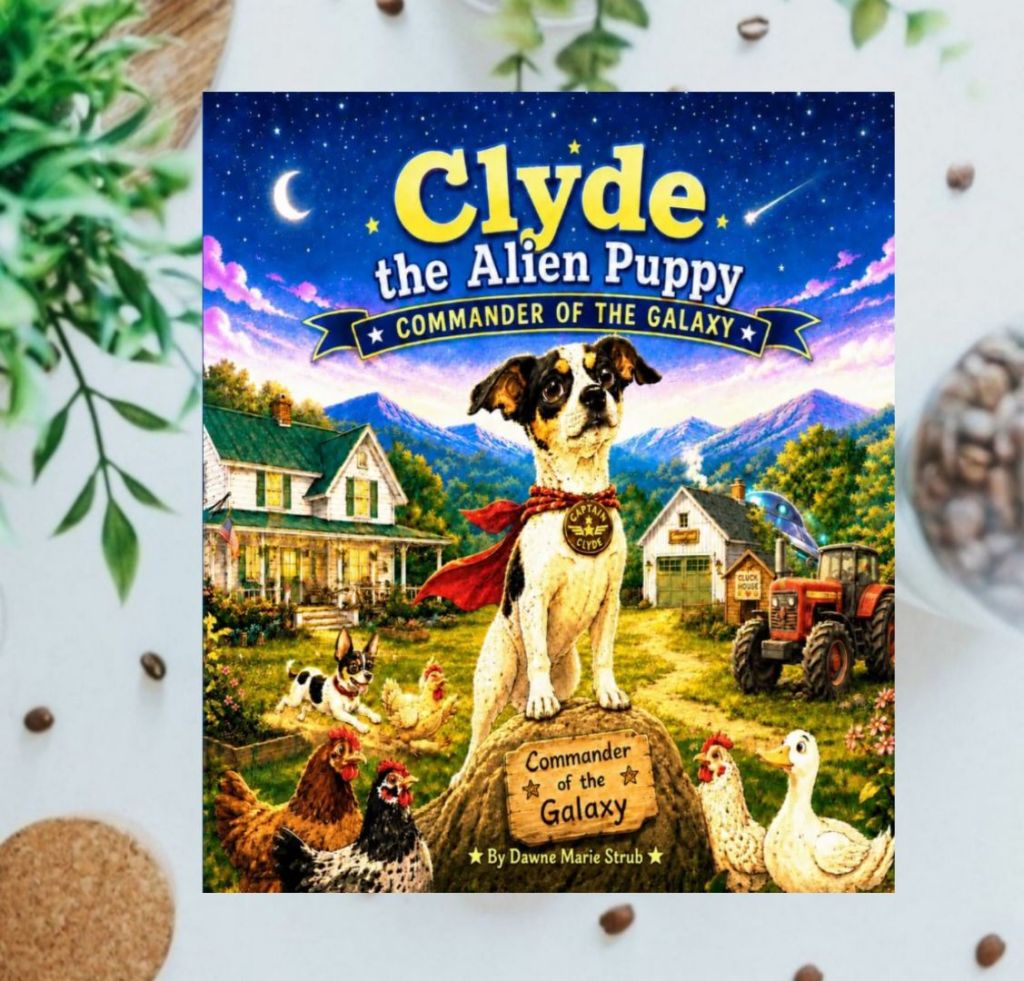
2. What is the inspiration behind your book “Clyde the Alien Puppy: Commander of the Galaxy.”?
A2. The inspiration behind Clyde the Alien Puppy: Commander of the Galaxy came from a real experience when my husband and I found six abandoned puppies on a cold, damp evening along a rural mountain road. When we stopped, one puppy immediately jumped into our car, climbed onto my husband’s lap, and acted as though he already belonged with us. We later named him Clyde. As Clyde grew, we noticed his remarkable intelligence, athletic ability, and unusual behavior, which led my husband to jokingly call him an alien. That playful idea inspired me to imagine Clyde as the commander of an alien crew whose spacecraft had crashed in the nearby mountains. By combining our real rescue experience with imagination and humor, I created a story that explores trust, kindness, loyalty, gratitude, and the sense of belonging that can develop when someone offers help during a vulnerable moment.
3. When did you realize you want to be an author?
A3. I realized at a young age that I wanted to become an author. I enjoyed keeping a journal and expressing my thoughts through poems, stories, and songs. Writing gave me a creative way to use my imagination, explore my feelings, and share ideas. As I grew older and continued my education, my love for writing became a serious personal and professional goal. I came to understand that words can inform, inspire, encourage, and connect people.
4. Please tell us something about your book “Clyde the Alien Puppy: Commander of the Galaxy”.
A4. Clyde the Alien Puppy: Commander of the Galaxy is an imaginative children’s story centered on Clyde, a special puppy whose adventures extend far beyond Earth. The story combines humor, excitement, and space exploration as Clyde steps into the important role of Commander of the Galaxy. At its heart, the book encourages young readers to use their imaginations, believe in themselves, and recognize that even an unexpected hero can accomplish something remarkable. I hope readers will enjoy Clyde’s personality and have fun joining him on his galactic adventure.
5. For which age group is your book “Clyde the Alien Puppy: Commander of the Galaxy”?
A5. This book series is for children ages 3 – 8 years old, great for story time, and for early readers.
6. What is your favorite Quote?
A6. My favorite quote is, “There is no greater agony than bearing an untold story inside you,” by Maya Angelou. This quote speaks to me because I have enjoyed writing since I was young, whether I was keeping a journal or writing poems, stories, and songs. It reminds me that our experiences and imaginations can become meaningful stories, but we must have the courage to write and share them with others.
7. What do you like the most about your country?
A7. What I appreciate most about the United States is the freedom we have to make our own choices and become the people we are meant to be. We have opportunities to pursue our goals, express our ideas, and create lives that reflect our values and beliefs. I believe these freedoms allow people to discover their purpose and make a meaningful difference in the lives of others.
8. What suggestion do you want to give to parents of little readers regarding a reading habit?
A8. I encourage parents to introduce reading when their child is ready and to make it a consistent, positive experience. Be patient, kind, and encouraging while supporting your child’s natural curiosity and imagination. Children develop at different rates, and reading should never feel like a punishment or comparison. We are all perfectly imperfect, so children should be supported in their weaknesses as well as celebrated for their strengths. Most importantly, allow them to choose books that interest them and make reading an enjoyable time you can share together.
9. What does literary success look like to you?
A9. Literary success means seeing my writing inspire readers and make a meaningful difference in their lives. Although publishing accomplishments are important, true success is knowing that something I have written has encouraged someone, sparked a child’s imagination, or helped a reader see the world in a new way. If my stories remain in readers’ hearts and positively influence their lives, I will consider my work successful.
10. Lastly, who is your inspiration in life and why?
A10. One person who inspires me is Melania Trump. I admire her beauty, determination, and the way she worked toward achieving her goals. I am especially inspired by the patience, thoughtfulness, and grace with which she carries herself in challenging situations. Her quiet strength reminds me that a person can remain composed, confident, and true to who they are, even while facing criticism or difficult circumstances.
Buy a book on Amazon