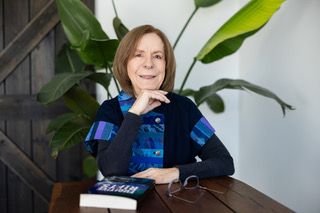
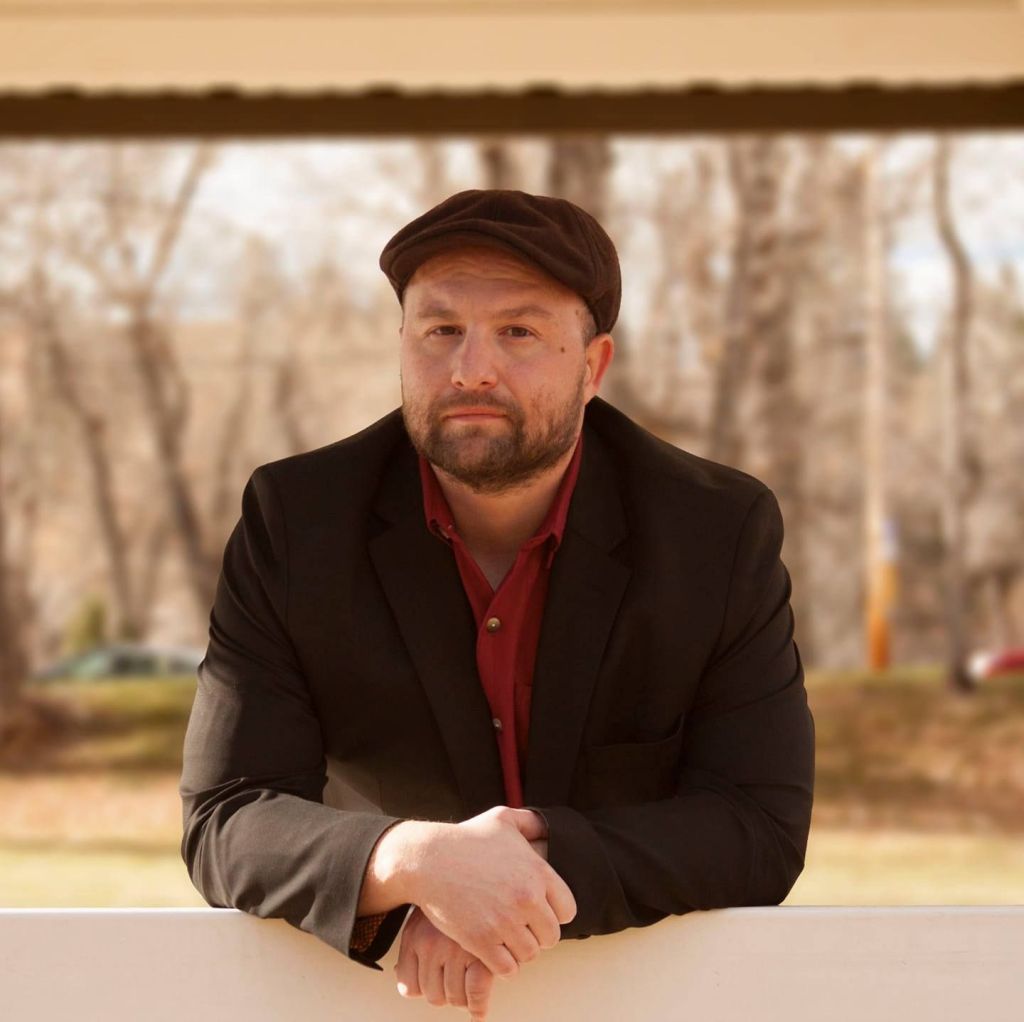
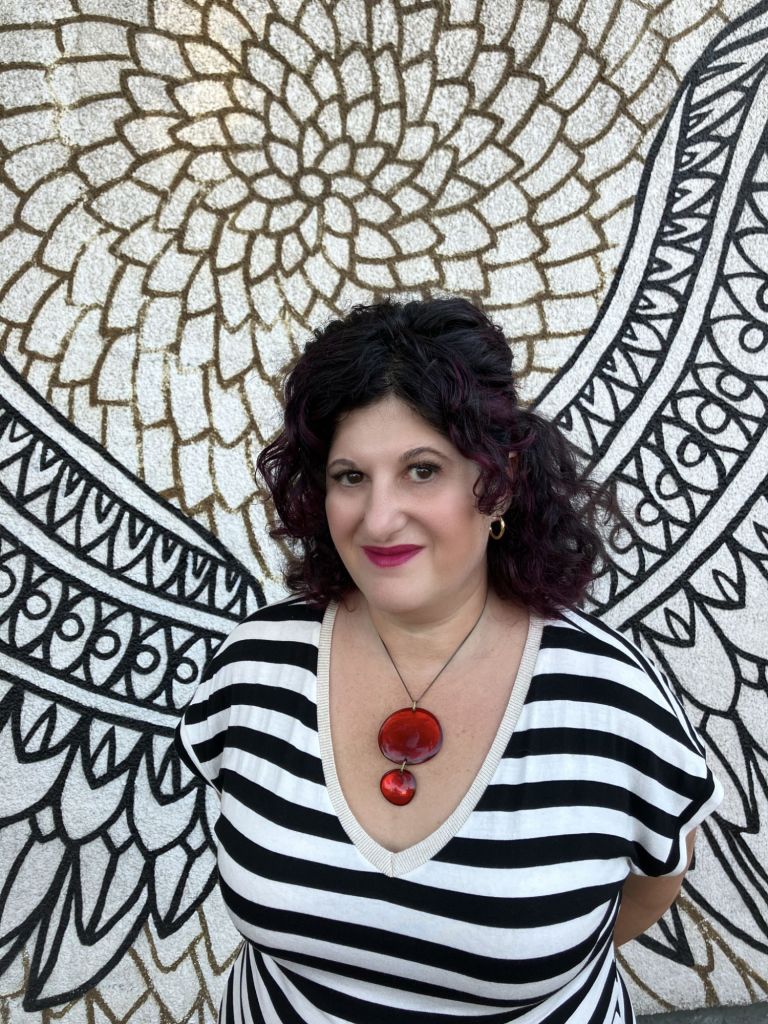
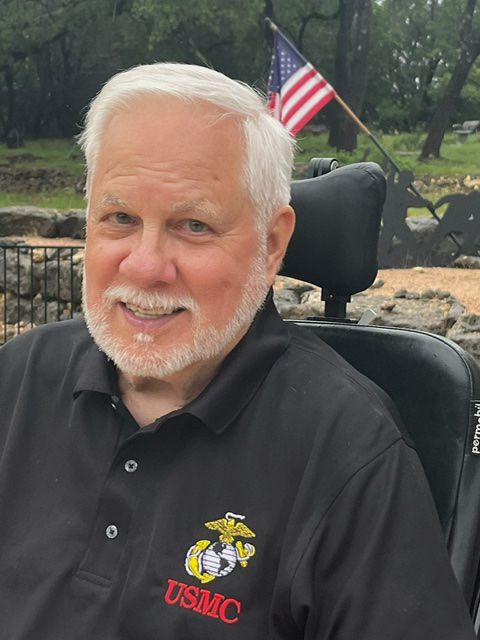
Interview with author Nathalie Iseli-Chan

Q1. Hello, can you please introduce yourself? Readers would love to know more about you.

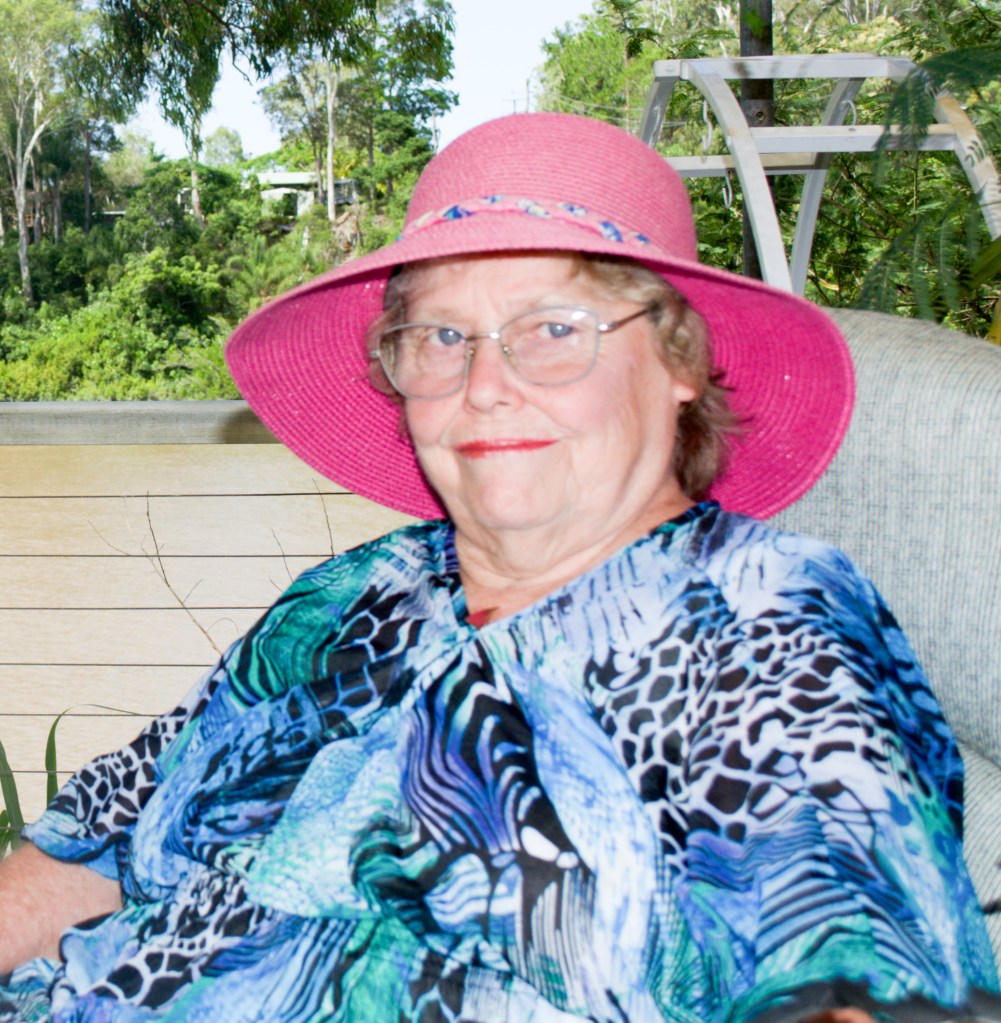
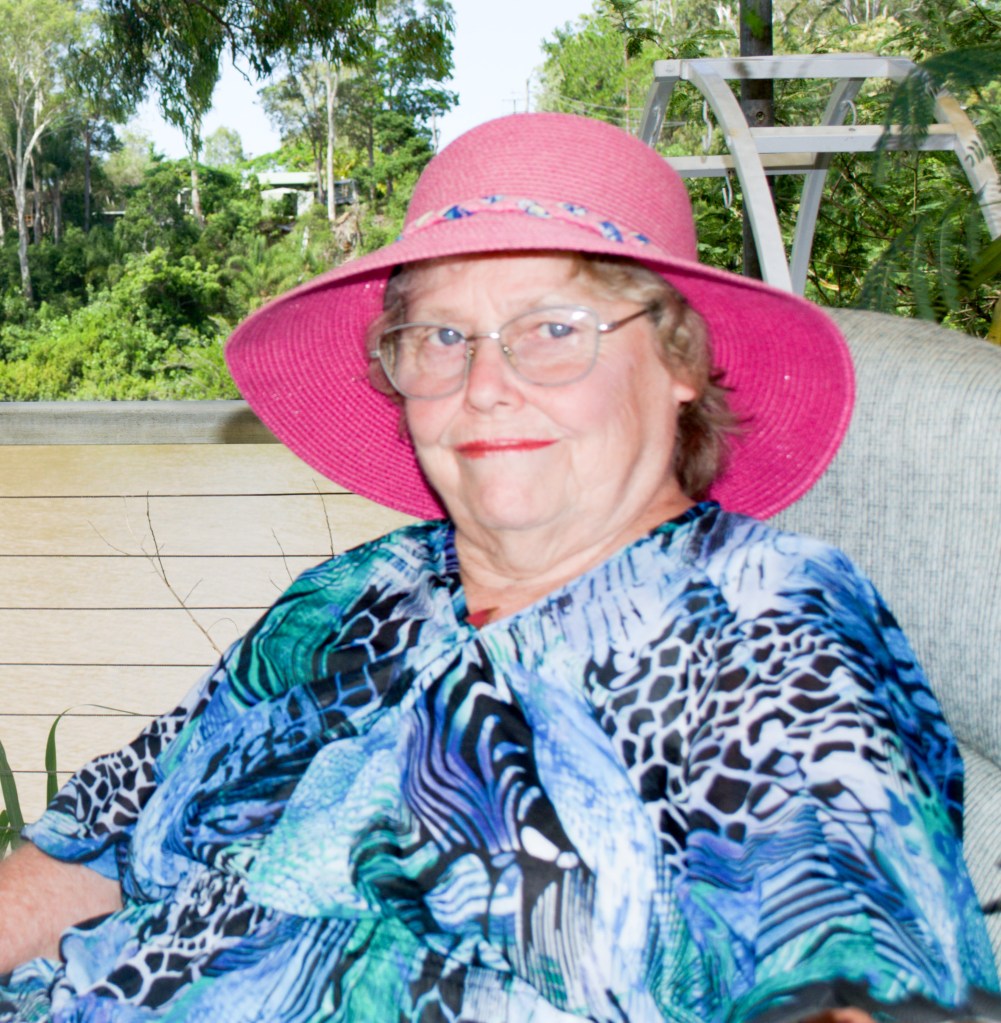
A1. Hello, I’m Nathalie Iseli-Chan. I am a former teacher, a mother, and now an indie author.

I absolutely loved teaching and was fully dedicated to my career for many years. However, after moving to Canada several years ago, I turned my focus to our two young children and only two years ago did I begin a new chapter in life, one that led me to writing.

Writing was something I had always enjoyed, but never truly dared to explore. As an introverted and often insecure person, I hadn’t imagined sharing my words with anyone. Yet, inspired by our journey through adoption, an experience that has been reshaping my life, I began writing for my children first, then for other families who share the same journey.

I focus my work on what I care about most: our children, adoption, and fostering honest, confident conversations within families.

Q2. What were the key challenges you faced while writing your book “Erin’s Journal – 6th-Grade Big Project”?

A2. My earlier books were designed to help children and parents start conversations or reflect on adoption together, often paired with Lifebooks or workbooks. Erin’s Journal, however, had to stand on its own and reach a completely different audience: preteens, teens, and schools. Finding the right voice and balance between storytelling and education was both exciting and demanding.

However, the process was far from simple. As my first chapter book, it required a new rhythm: longer narrative arcs, deeper emotional layers, and a tone that felt authentic to a preteen narrator. Keeping the story engaging and meaningful without becoming overly didactic proved to be one of the biggest challenges.

On top of that, my creative process can be a bit chaotic; ideas pour in from all directions, often for multiple projects at once, and I rarely focus on a single book from start to finish. While that can make writing lively and inspiring, it can also be disorienting. Erin’s Journal pushed me to slow down, stay grounded, and give the story and its characters my full attention. It was both exhausting and deeply fulfilling.

Q3. What books or authors have most influenced your own writing?

A3. Interestingly, what I enjoy reading and what I write have very little in common. My favourite authors, Kawabata Yasunari, Freg Vargas, and Larry Feign, are all very different in style and inspiration, and far from the stories I create.

What has influenced my writing the most is my teaching background. Years of university teaching taught me how to explain complex ideas clearly, engage diverse audiences, and structure content meaningfully. Those skills shape my books, especially when tackling sensitive topics like adoption. My goal is always the same as in the classroom: to inform, inspire reflection, and spark meaningful conversations.

Q4. What’s your favourite spot to visit in your own country? And what makes it so special to you?

A4. That’s such an interesting question, and a tricky one for me, because “my own country” could mean several places: I was born and raised in France, spent almost two decades in Asia (thirteen of which in Hong Kong), and now live in Calgary, Canada. But if I answer from the heart, my “own country” would be Hong Kong. It’s the place where I feel most at peace, blissful, and fulfilled. I love it most at night, whether the streets are buzzing or quiet. After a long day, when the heat and humidity make your body surrender and you feel slightly light-headed, the air wraps around you, thick with the smells of food, the sea, and the city itself. There’s a comforting feeling that fills me completely; it’s what makes Hong Kong, every part of it, so special to me.

Q5. What inspired you to write the book ‘Erin’s Journal – 6th-Grade Big Project’?

A5. It all started when my daughters, 8 and 10 at the time, voiced their frustration at the misinformation and outdated ideas they saw in the moralistic videos they loved to watch so much. They were tired of how adoption was being portrayed and asked me to write something that would help people understand what adoption really is.

Their determination gave me a sense of mission; I couldn’t let them down. Erin’s Journal – 6th Grade Big Project grew from that moment, and from our own family’s experiences as well as the stories shared by other adoptees and adoptive families.

I wanted to give young readers an authentic and relatable voice that reflected the real questions, emotions, and challenges many adopted children face.

This project also came with its own challenges: it was my first chapter book, very different from my previous publications, which were created for younger children, their parents, or prospective adoptive parents. Writing for preteens meant finding a balance between education and storytelling, while keeping the tone natural and genuine, something that felt true to a child’s perspective yet meaningful to anyone who reads it.

Q6. How long did it take you to write your book, ‘Erin’s Journal – 6th-Grade Big Project’?

A6. From the moment my daughters “commended this project”, the ideas poured out fairly fast; I had the full outline done in about two hours, then spent a few weeks writing the story itself. What followed were months of tedious rewrites, proofreading, and endless small adjustments until it felt right.
I’ve also been working on its French adaptation, which has also been a challenging process!

Q7. On what platforms can readers buy your books?

A7. At the moment, my books are available exclusively on Amazon. Erin’s Journal – 6th Grade Big Project is currently offered in both paperback and hardcover editions, and an eBook version will be released soon. You can find links to purchase all my books on my website: http://www.adoptionreads.com.

Q8. Tell us about the process of coming up with the book cover and the title ‘Erin’s Journal – 6th-Grade Big Project’?

A8. Keeping the cover simple and clean was actually quite challenging for me, as I love bright colours and busy patterns, which I know aren’t everyone’s taste.
The character on the cover was inspired by my two daughters; I combined some of their features to create Erin. I gave her an orange T-shirt because it felt warm, lively, and full of energy, just like her personality.

The blue sky in the background reminded me of daydreams and hopes, which fit perfectly with Erin’s story and the spirit of her “big project.” The title itself came naturally; it’s her journal, her voice, and her journey of discovery.

Q9. When writing a book, how do you keep things fresh, for both your readers and also yourself.

A9. For me, keeping things fresh starts with being a lifelong learner. I observe, listen, and learn from my own children, from other families, and from adoptees who share their stories and perspectives. Their experiences constantly remind me that adoption is not one story, but thousands of unique ones.

I also like to challenge myself creatively. I rarely work on just one project at a time; ideas tend to spill over from one book to another, which helps me stay inspired and avoid falling into routine. I also write in different languages, and that change in audience or tone refreshes the way I approach each topic.

Most importantly, I try to stay focused on the reason I started writing in the first place: to open hearts, spark honest conversations, and change the narrative about adoption. As long as I write with that purpose, my work stays meaningful and new, both for my readers and for me.

Q10. What is the most valuable piece of advice you’ve been given about writing?

A10.The best writing advice I’ve ever received came from my best friend, Gaëlle: “Just write. Believe in yourself, and don’t worry about what others may think.” Those words helped me overcome insecurities. My daughters — part cheerleaders, part brutally honest critics — are my biggest inspiration. Their laughter and observations make me both nervous and proud, pushing me to write with authenticity and heart, knowing they’re reading, judging, and cheering me on every step of the way..

Interview with author Kerry Edwards

Q1. Hello, can you please introduce yourself? Readers would love to know more about you.

A1. I am Kerry, I came to my writing as a place of refuge from a career in fashion and a decade spent in New York as a designer. I wanted to be able to speak about all of my observations on the people I have met and the places I have experienced. I am a yoga instructor and these two activities support each other as my writing comes from a place of calm and stillness and this is hard to find without the yoga. I have two wonderful grown up daughters and I live close to the sea in the South of England.

Q2. What were the key challenges you faced while writing your book “Voices through Time”?

A2. The key challenges are as with any writing project, how to keep the voice authentic and populate the story with enough detail to hold the readers attention.
kerryedwards.net

Q3. What books or authors have most influenced your own writing?

A3. I read as widely as possible but the writing of Elif Shafak is profound.

Q4. What’s your favourite spot to visit in your own country? And what makes it so special to you?

A4. I think anywhere in nature is nurturing for me but cities and beautiful libraries inspire me too. The libraries in Oxford are places of magic!

Q5. What inspired you to write the book ‘All our yesterdays’?

A5. All our yesterdays is an episodic fictionalised memoir of my life as a single young woman living in NYC in 1990s. It is the memories of the love, laughter, anxiety and personal growth that I experienced in those ten years of my life.

Q6. How long did it take you to write your book ‘Voices through Time’?

A6. Voices through Time took me a year to write.

Q7. On what platforms can readers buy your books?

A7. I sell my novels on Amazon.

Q8. Tell us about the process of coming up with the book cover and the title ‘All our yesterdays’?

A8. The cover for All our Yesterdays was made for me by a friend. I think she found a photograph that does look like the younger me and the mood of the photograph captures the mood of the novel so well.

Q9. When writing a book how do you keep things fresh, for both your readers and also yourself.

A9. Keeping writing fresh relies on reading all around the subject and widely so that you hear many voices. I also push myself to think about style and structure and this requires writing exercises.

Q10. What is the most valuable piece of advice you’ve been given about writing?

A10. The most important advise is from Stephen King who said it is a myth to imagine that authors know what they will and are writing about, you just need a daily habit of writing and a clear space and dedication.

Kerry Edwards on Amazon

Interview with author Herta Feely

Q1. Hello, can you please introduce yourself? Readers would love to know more about you.

A1. I am the author of SAVING PHOEBE MURROW and STRANGE SHAPE OF LOVE; both fall into the category of suspenseful women’s fiction and deal with the dark side of social media. My short stories and memoir have been published in anthologies and literary journals. My short and long fiction has received assorted awards, and I’m also the founder of Chrysalis Editorial, where I’ve worked with hundreds of writers. As a writing coach and editor, I have helped dozens of writers get their books published. I have also ghostwritten three people’s memoirs.

I was born in Yugoslavia, lived in Germany, then moved to the US at age seven. I was an adventurous child, exploring my world on bike and on foot, and grew up to be an adventurous traveler and have continued on that path to discover the various people and cultures of our planet. I recently went snorkeling in Palau, an island nation in the Pacific north of Australia. What an unbelievable world lives just under the surface of the ocean! I’ve traveled widely in South America and Europe. I’ve been on safari in Africa, an adventure hike in Patagonia, numerous river cruises, and still have a long list of places to visit. India, the Galapagos, and Egypt top my list. Before my writing and editing career, I co-founded Safe Kids Worldwide, an organization dedicated to the prevention of unintentional injuries to children.

Q2. What were the key challenges you faced while writing your book “Strange Shape of Love”?

A2. I struggled for a bit about where to set the story and the age and career of my protagonist, Charlotte Cooper. Initially, I set the story in multiple places — the US, Istanbul, an archaeological site on the border of Turkey and Syria, London, even Nicaragua. Charlotte was in her mid-forties and a human rights activist. Some feedback from one of my publishers prompted me to rethink this. Eventually, after a couple of drafts, I ended up with a younger Charlotte, age 30, and the story mostly takes place in London, and briefly in New York. Now, I feel it’s set exactly where it ought to be, and I admire Strange Shape of Love’s protagonist.

Q3. What books or authors have most influenced your own writing?

A3. I’m an avid, even voracious, reader. I wouldn’t exactly say that specific authors have influenced my writing, but I’m a careful reader and learn from all of them, even the bad ones. I enjoy everything from literary fiction to thrillers, to memoir and some non-fiction. Ishiguro is one of my favorite authors, also love Emily St. John Mandel. On the non-fiction front, I’m a fan of Ronan Farrow and Michael Finley, and admire Natasha Trethewey’s memoir. In terms of authors who write fiction similar to mine, I’d include Kimberly McCreight, Liane Moriarity, Jodi Picoult, Paula Hawkins, and several others, whose novels I enjoy. In a sense, every author has influenced me. Even the author of the original Nancy Drew series, which I devoured as a child, and Victoria Holt novels, that I loved as a teen.

Q4. What’s your favourite spot to visit in your own country? And what makes it so special to you?

A4. I don’t have a single favorite spot, but I do love nature, and the Naples Botanical Garden is a “happy place,” as is Big Sur in California.

Q5. What inspired you to write the book ‘Strange Shape of Love’?

A5. I was shocked to learn that some people post or threaten to post nude photos of someone they once loved on social media/the internet…this is now referred to as revenge porn. It’s a way of getting revenge, of regaining control of the narrative of your relationship. It’s really another form of cyberbullying and sexual harassment. Two things triggered my desire to write about this. One: an incident I read about in which a couple of guys hacked into female celebrity’s phones, stole their nude photos and posted them online. This was such an invasion of privacy that I wanted to write about it. Related to this was a book written by Ronan Farrow—Catch and Kill, which is about sexual harassment in the workplace, especially in the media and Hollywood. I explore these elements and bring them into the story of Strange Shape of Love. I also wanted to incorporate a love story in this novel, and also the various ways people “love”—hence, strange shapes love takes!

Q6. How long did it take you to write your book ‘Strange Shape of Love’?

A6. Honestly, too long. I wrote a couple of other versions of this novel before landing on the final story, which took me a couple of years to complete.

Q7. On what platforms can readers buy your books?

A7. It is available on Kindle and other e-readers. Of course, the print book is also available at Amazon, Bookshop.org, Walmart, and Barnes and Noble.

Q8. Tell us about the process of coming up with the book cover and the title ‘Strange Shape of Love’?

A8. The title came to me quite a few years ago. Originally, I titled the book Her Other Life, but then out of thin air, Love Takes Strange Shapes came to me and then over time I preferred Strange Shape of Love and it stuck. Jason Henderson, my publisher at Castle Bridge Media (CBM), liked it too. In Churl Yo, his partner at CBM, designed the cover. They sent it to me, asking what I thought. I loved it right away and gave it a thumbs up. I’m not sure what In Churl’s process was, but I think he nailed it!!

Q9. When writing a book how do you keep things fresh, for both your readers and also yourself.

A9. I follow the protagonist’s journey without projecting too much of my own ideas onto him or her. In suspense fiction, surprising things happen. Otherwise the story can become boring and predictable. Bad guys/evil characters emerge. I was pretty surprised by how some aspects of the plot twisted and turned. And that a psychopathic character showed up on the page.

Q10. What is the most valuable piece of advice you’ve been given about writing?

A10.You really have to make space in your mind and in the course of your day for your writing. It won’t happen otherwise. Obviously. I do a fair amount of pre-writing…some scenes, some dialogue, some character profiles before I begin writing the novel. This was true for both Saving Phoebe Murrow and Strange Shape of Love.

Author’s website

Interview with author Gina Romero

Q1. Hello, can you please introduce yourself? Readers would love to know more about you.

A1. My name is Gina Romero and I’m an author, podcaster, speaker, and workshop host. I’m also a working professional, wife, mother, along with many other roles. Over the last several years I have found increased joy and peace in homemaking and have precious pearls of wisdom and experiences, tips, and guidance that I’ve now started to share with other hardworking, faith-filled mamas.

Q2. What were the key challenges you faced while writing your book “Welcome Home”?

A2. Timing was not my friend. I would say that timing was against me at just about every turn. Getting everything done on time for a fall launch was a wild ride, I worked day and night to make my deadline, but I also know that God’s timing is not our timing and I’m just trying to be faithful, not famous.

Q3. What books or authors have most influenced your own writing?

A3. I’ve always been an avid reader. I’d say I’m more of a fan of books than specific writers, per se. But to answer the question, I love anything that Victoria Magazine does, and Martha Stewart’s books. I also love faith-based books written for Christian women like The Power of a Praying Wife, Risen Motherhood, and Dear Food by my good friend Julia Fikse.

Q4. What’s your favorite spot to visit in the States? And what makes it so special to you?

A4. Probably Cambria, or Solvang, along the West Coast. Cambria holds special meaning for me because I first went on a road trip there in my early twenties with my mom, and then less than 10 years later I returned and that’s where my husband proposed to me before my 30th birthday. Anything up the California coast is incredibly beautiful, and accessible due to where I live.

Q5. What inspired you to write the book ‘Welcome Home- A Guide to Homemaking, From the Heart’?

A5. Believers will know what I mean when I say that God gave me the inspiration to write Welcome Home and as I wrote and created, I realized that this is actually a budding ministry- to help demonstrate to hardworking, busy, and tired mamas that homemaking doesn’t have to be a chore, it can be a beautiful, elevated way to live and serve your family, and practice hospitality which is talked a lot about in the Bible. We’re working on our journey as the Proverbs 31 Women.

Q6. How long did it take you to write your book ‘Welcome Home’?

A6. Not long at all. It just poured out of me. One Sunday in early May I was leaving church with my family and God just put this on my heart and inspired me in a very palpable way. The writing for the book was actually very easy for me, I just let all my thoughts pour out, and even though I was exhausted, I did find creative energy from the undertaking. It was truly a labor of love.

Q7. On what platforms can readers buy your books?

A7. Everywhere books are sold! amazon.com, barnesandnoble.com, thriftbooks.com, abebooks.com. Just google Welcome Home- A Guide to Homemaking, From the Heart and you’ll see if being sold around the world. We just launched and already my book is being sold in the United Kingdom, Germany, and Japan.

Q8. Tell us about the process of coming up with the book cover and the title ‘Welcome Home’?

A8. Again, it was God. I immediately knew what to call it, who to dedicate it to and what to write about, it was just a matter of finding the time to put pen to paper so to speak.

Q9. When writing a book how do you keep things fresh, for both your readers and also yourself.

A9. Social media helps out a lot with this. I am very blessed to have excellent marketing consultants on my team, because what is a great story if no one knows about it? So I’m letting my light shine and sharing encouragement, practical tips, scripture, recipe spotlights, helpful ideas, personal stories, and soon I’ll be featuring a Welcome Home Wonders cadence, where we talk about specific topics moms deal with like establishing traditions for our families, getting it all done, time management, and even crafting! I’m doing this all through Instagram mainly (@welcomehomebygina). Next up to be fully developed is Pinterest and Facebook, as these platforms are where my audience is. I also have an email newsletter that goes out monthly via Substack.

Q10. What is the most valuable piece of advice you’ve been given about writing?

A10. It’s counterintuitive, but the best advice I’ve been given about writing is that you could be the best writer and have the best book, but if no one knows you’re out there, your work won’t make a difference. So in short, this means that authors also need to learn to market their work and become skilled at social media and public speaking. I’m a professional public speaker already so that has been easy for me, but my learning curve has come from creating a social media audience and platform. It’s been fun so far though, and definitely a blessing!

Buy book on Amazon

Interview with author Sonnet Shepherd

Q1. Hello, can you please introduce yourself? Readers would love to know more about you.

A1. Hi! I am a new author. I am a Veteran, and served in the US Navy. After the military I got my nursing degree. After about nine years working as a nurse I became an aircraft mechanic. I specialize in aviation life support systems. Now I am a published author!

Q2. What were the key challenges you faced while writing your book “The Dark Lost Within the Light”?

A2. The biggest challenge for me was balancing my time. Trying to work a full time job, spend time with my family, and write was challenging, but rewarding.

Q3. What books or authors have most influenced your own writing?

A3. This is a hard question; I think my writing is influenced by Nora Robert’s style. I also think Albany Walker and Blake Black have had an influence on me.

Q4. What’s your favourite spot to visit in your own country? And what makes it so special to you?

A4. That depends on the time of year. I love anywhere in New England in the Fall to see the beautiful leaves.

Q5. What inspired you to write the book ‘The Dark Lost Within the Light’?

A5. I was inspired by my life and how things change over time. I had an idea and built on it.

Q6. How long did it take you to write your book ‘The Dark Lost Within the Light’?

A6. I started writing and outlining this book over five years ago. At that time it was just a hobby. I started to take it seriously this past year and actually decided to publish it.

Q7. On what platforms can readers buy your books?

A7. For now my book is available on Amazon in hardcover, paperback, and ebook. I plan to expand to other platforms soon.

Q8. Tell us about the process of coming up with the book cover and the title ‘The Dark Lost Within the Light’?

A8. The cover was made to highlight both the angel and demon characters in my book, with the dark and light wings. The title was inspired by a line in the book.

Q9. When writing a book how do you keep things fresh, for both your readers and also yourself?

A9. I try to keep things interesting and relevant. I write what I like and hope others like it too.

Q10. What is the most valuable piece of advice you’ve been given about writing?

A10. The best advice I received was to not give up. I was told to keep writing, it doesn’t have to be perfect on day one because it can always be improved.

Buy The Dark Lost Within the Light on Amazon

Interview with author Melissa Weales

  1. Please introduce yourself so that the readers will get to know you better.

A1. My name is Melissa Weales and this is my first book. I have been a computer programmer for over 25 years and had always thought that some day I would write a great novel. I even had it as items two and three on my bucket list. Little did I know, it would be a children’s book instead of a novel and it would be years after I intended. But, here we are and I couldn’t be happier about it.

  1. What is the inspiration behind your book “Noshi the Naughty Reindeer”?

A2. Last year I had planted this beautiful petunia in a planter I have that looks like a snail. One morning when I got up and looked out the window, my petunia was lying on the walkway. I replanted it and all was well for a week. Again, one morning, it was on the walkway again. I looked at my door video and found it was a deer pulling it out and laying it down. I watched and said, “You naughty reindeer!” That kept rolling around in my head until it resulted in the writing of this book.

  1. When did you realize you want to be an author?

A3. When I was in the 8th grade. It started with poems and short stories.

  1. Please tell us something about your book “Noshi the Naughty Reindeer”

A4. Noshi is like most youngsters in that she thinks more about her entertainment than the feelings of others. This ends up getting her into trouble and helps her see how even though she is having a good time, she is causing others great sadness and allows her to fix the harmful things she has done.

  1. For which age group is your book “Noshi the Naughty Reindeer?

A5. I think it would entertain readers 5 to 12.

  1. What is your favorite Quote?

A6. When Noshi says, “Wow, how old is that flower?”

  1. What suggestion do you want to give to parents of little readers regarding a reading habit?

A7. Reading gives everyone the ability to step into worlds they may never have the ability to go to. It inspires dreams, ideas and learning. Simply reading to, or with, your young reader every night is enough to get them interested in a life long love of books.

  1. What does literary success look like to you?

A8. Creating books that brings joy to others.

  1. Lastly, who is your inspiration in life and why?

A9. Who inspires me? My family, because they are the loves of my life.

Buy Noshi the Naughty Reindeer on Amazon

Interview with author Megan Cianfaglione

Q1. Hello, can you please introduce yourself? Readers would love to know more about you.

Hi! I’m Megan Cianfaglione, an indie author who writes stories that live in the shadows—psychological thrillers, horror shorts, and dark, twisty fiction that isn’t afraid to go deep. I’m passionate about telling stories centered on survival, resilience, and the quiet kind of strength people don’t always see. I write with a cup of strong coffee nearby, a playlist full of haunting music, and a deep love for characters who feel just a little too real. My debut thriller, No Safe Place, is a story about reclaiming power when the world has tried to take it from you—and it means the world to me.

Q2. What were the key challenges you faced while writing your book “No Safe Place”?

Emotionally, it was heavy. Writing from the perspective of a woman who survived abuse and is trying to rebuild her life while being hunted by her past wasn’t easy. I wanted the fear and trauma to feel authentic, but also leave space for moments of hope, humor, and humanity. Structurally, balancing the thriller pacing with emotional depth was tricky—I had to learn when to hold back and when to go full throttle. And then there was the self-doubt, of course. But I channeled all of that into Rayna’s voice.

Q3. What books or authors have most influenced your own writing?

Stephen King, Haruki Murakami, and Sarah J. Maas have all shaped the way I write in different ways. King taught me how to lean into fear and character psychology; Murakami opened my mind to surrealism and emotional complexity; and Maas inspired me to build immersive worlds and layered relationships. Books that have stuck with me over the years include The Girl Who Loved Tom Gordon, 1Q84, Hamlet, and A Court of Thorns and Roses. Each one left a different kind of imprint—whether through atmosphere, emotion, or sheer literary beauty.

Q4. What’s your favourite spot to visit in your own country? And what makes it so special to you?

Northern California, hands down. The weather is perfect—cool, moody, a little mysterious—and the landscapes are just breathtaking. From the towering redwoods to the dramatic cliffs of Big Sur, it’s a place that feeds my soul creatively and emotionally. It feels ancient and wild, like the kind of place where stories are waiting to be told. Every time I visit, I feel reconnected to nature—and to myself.

Q5. What inspired you to write the book ‘No Safe Place’?

Part of the inspiration came from my own experience in an abusive relationship. I wanted to write something that captured the emotional complexity of surviving—not just the trauma, but the vulnerability of trying to trust again, to rebuild a life, to let new people in. No Safe Place is about reclaiming your power in a world that doesn’t always make it easy. It’s raw, personal, and deeply human.

Q6. How long did it take you to write your book ‘No Safe Place’?

About a year from the first scene to the final draft—though the idea lived in my head for a lot longer than that. I wrote it in layers, revising as I went. It started as a short story and grew into something much deeper and more complex. I also took breaks to step back and make sure I was telling the story with the honesty and care it deserved.

Q7. On what platforms can readers buy your books?

No Safe Place is available on Amazon as both an eBook and paperback! You can find it by searching my name—Megan Cianfaglione—or the book title. And stay tuned—more stories are coming soon, from twisted horror shorts to a romantasy series I’ve been quietly crafting in the background.

Q8. Tell us about the process of coming up with the book cover and the title ‘No Safe Place’?

The title came first—it just felt right. Rayna is constantly trying to find a place where she’s truly safe, and every time she gets close, something rips it away. “No Safe Place” captures that claustrophobic fear. The cover was a labor of love. I knew I wanted it to feel chilling, lonely, and atmospheric. I ended up with a snowy backdrop, a shadowy figure, and a rusting water tower—a perfect symbol of how decay and danger can lurk even in quiet places.

Q9. When writing a book how do you keep things fresh, for both your readers and also yourself?

I focus on character first. If I care about the people I’m writing, the story stays alive for me. I also let the darker or stranger ideas take the wheel—whether that’s playing with structure, weaving in unexpected humor, or writing scenes that make even me uncomfortable. And when I start feeling stuck, I write something completely different—flash fiction, a horror scene, or even a poetic journal entry—to reset my brain.

Q10. What is the most valuable piece of advice you’ve been given about writing?

“Write the story only you can tell.” It sounds simple, but it changed everything for me. There will always be trends, but your voice—your weird, raw, true voice—is what people connect with. Don’t try to write like anyone else. Get honest. Get personal. That’s where the magic is.

Buy book on Amazon

Interview with author Zeyad Kareem

Q1. Hello, can you please introduce yourself? Readers would love to know more about you.

A1. Hello, my name is Zeyad Kareem, though most of my friends and family call me Zee. I’m originally from Iraq and moved to the United States in 2009. Over the years, I’ve worn a few different hats, I’ve worked as a translator, I’m currently a flight attendant, and I’m also a student. But at the core of it all, I’m a writer. Storytelling has always been my passion, and I write in both English and Arabic. Traveling and working between cultures has shaped how I see the world, and those experiences often find their way into my writing.

Q2. What were the key challenges you faced while writing your book “Fur-Ever”?

A2. One of the biggest challenges I faced while writing Fur-Ever was balancing my time. Between working as a flight attendant, studying, and daily responsibilities, finding quiet hours to write wasn’t always easy. Another challenge was staying consistent with my characters’ emotions and personalities throughout the story. Because I write in both English and Arabic, I also found myself thinking carefully about word choice and how to make the story resonate across cultures. Despite these challenges, the process taught me discipline, patience, and how important it is to trust the story even when the writing feels tough.

Q3. What books or authors have most influenced your own writing?

A3. I’ve been influenced by a mix of authors in both English and Arabic literature. In English, I admire writers like J.K. Rowling for her world-building and the way she makes readers truly care about her characters. I’ve also been inspired by Paulo Coelho, especially The Alchemist, which taught me how a simple story can hold powerful, universal truths. In Arabic literature, I look up to Naguib Mahfouz and Ihsan Abdel Quddous. Mahfouz for the way he captures everyday life with depth and detail, and Abdel Quddous for his boldness in exploring emotions and social issues. Each of these authors showed me that writing can connect people across cultures and languages, which is something I always try to bring into my own stories.

Q4. What’s your favourite spot to visit in your own country? And what makes it so special to you?

A4. My favorite spot to visit in my country is Mutanabbi Street in Baghdad. It’s a place that has always been famous for bookselling, and to me, it feels like the heart of literature in Iraq. Walking down that street, surrounded by bookshops and stalls filled with stories, ideas, and history, always reminds me why I fell in love with writing in the first place. It’s not just about the books, it’s about the atmosphere, the conversations, and the sense of connection that comes from being among people who value words and knowledge.

Q5. What inspired you to write the book ‘The Truth Half Naked’?

A5. The inspiration came from my own life and the realities I’ve witnessed growing up in the Middle East as a member of the LGBTQ+ community. I wanted to tell a story that reflects the struggles, fears, and resilience of people who are often silenced or forced to hide their truth. Writing The Truth Half Naked was both a personal release and a way to give a voice to those who can’t always speak for themselves. My hope is that readers not only connect with the raw honesty in the book but also see the universal themes of love, courage, and the search for freedom.

Q6. How long did it take you to write your book ‘The Truth Half Naked’?

A6. The Truth Half Naked took me about six months to write. The process wasn’t just about putting words on the page, it also involved rewriting, refining, and making sure the story stayed true to what I wanted to express. Some parts came to me quickly, while others needed more patience and adjustment. Those six months taught me a lot about discipline and persistence, and by the end, I felt I had grown as both a writer and a storyteller.

Q7. On what platforms can readers buy your books?

A7. Readers can find my books on Amazon in both paperback and Kindle editions. They’re also available through Barnes & Noble’s online store and a few other online retailers. I always recommend Amazon as the easiest option since it’s accessible worldwide, but I’m happy my books are available on multiple platforms so readers can choose what works best for them.

Q8. Tell us about the process of coming up with the book cover and the title ‘Fur-Ever’?

A8. Coming up with the title Fur-Ever was one of the most meaningful parts of the process. The book is based on my late cat, Figaro, who was my first pet and who I lost in 2023. He brought a big change to my life, and I wanted to honor his memory in a way that would last. The play on words with “forever” felt perfect, it captured both the love and loyalty pets bring into our lives, and it allowed me to keep his memory alive through the story.

For the cover, I wanted something that reflected that same warmth and bond. It needed to be simple yet powerful, something that would catch a reader’s eye but also hold a piece of the story’s heart. Seeing the final design come together felt very personal, because it wasn’t just about a book, it was also about celebrating Figaro’s place in my life.

Q9. When writing a book how do you keep things fresh, for both your readers and also yourself?

A9. For me, keeping things fresh starts with curiosity. I try to approach each story as if I’m discovering it for the first time, even if I’ve been living with the idea for months. I like to challenge myself by exploring different themes, experimenting with new styles, or adding unexpected twists to the plot.

I also draw a lot of inspiration from real life, people I meet while traveling, places I’ve visited, or even small everyday moments. Bringing those real touches into my stories helps me stay engaged and, I hope, keeps the reading experience exciting and relatable. Most of all, I try to stay honest with my writing. If I’m emotionally invested in the story, then I know readers will feel that same freshness when they read it.

Q10. What is the most valuable piece of advice you’ve been given about writing?

A10. The most valuable piece of advice I’ve been given about writing is simple: just keep writing. It’s easy to get caught up in perfection, waiting for the “right” words or the “right” time, but writing is really about persistence. The more you write, the more your voice grows and your style develops. I was also told not to be afraid of rewriting, because the first draft doesn’t have to be perfect, it just has to exist. That advice has stayed with me and given me the courage to finish projects instead of leaving them unfinished out of fear.

Author’s profile on Amazon

Interview with author Diamond Ice Minor

  1. Please introduce yourself so that the readers will get to know you better.

A1. Ice Brown is a stylist, street culture archivist, and creative entrepreneur based in Massachusetts. As the founder of HOUSE OF BLVCK ICE, she blends fashion, storytelling, and community to celebrate the power of style and culture. Ice is the creator of the beloved children’s book character Diamond Ice Minor, inspiring kids through stories rooted in dance, creativity, and real-life community events. My First Summer Jam Classic honors her hometown of Worcester, MA, and the spirit of youth sports, friendship, and local pride.

  1. What is the inspiration behind your book “My First Summer Jam Classic”

A2. Ice Brown was inspired to write My First Summer Jam Classic to capture the excitement, pride, and community spirit of Worcester’s beloved Summer Jam Classic event. Growing up around basketball culture alongside childhood friend and event founder Anthony Barbosa, she experienced firsthand the energy, camaraderie, and joy the game brings to the neighborhood. As a storyteller and cultural archivist, she wanted young readers—especially local kids—to see themselves, their city, and their traditions celebrated in a vibrant, lasting way. Through the joyful imagination of Diamond Ice Minor, the book preserves a real piece of Worcester’s history for future generations.

  1. When did you realize you want to be an author?

A3. Ice Brown never officially set out to “be an author.” She has always been open to storytelling, but creating a book was more about seeing an idea through to completion. It wasn’t until after writing My First Summer Jam Classic—and witnessing how it resonated with the city—that she realized the impact it could have. The Summer Jam Classic was already a local staple, but this book gave her a new way to educate and inspire kids beyond the classroom. Even now, calling herself an “author” feels a little strange, because growing up, that was never the plan. Then again anything she’s doing now was never the plan.

  1. Please tell us something about your book “My First Summer Jam Classic”

A4. My First Summer Jam Classic is a love letter to Worcester, featuring real people from our community—from childhood heroes to local businesses, friends, family, and staple spots in the city. Anthony Barbosa and I were practically raised by the Boys & Girls Club of Worcester, so including people like Ike McBride, Shauree Allottey, to mentioning Carlos Garcia outside of the initial story brought back memories of our own wild, carefree days. More than that, it reminded us of the care, guidance, and encouragement they gave us—lessons that shaped the way we create and live today. Worcester is full of gems like them, people who inspire the next generation to stay true to themselves and create boldly.

  1. For which age group is your book “My First Summer Jam Classic” suitable for?

A5. Ages 5-10 but all ages are welcomed to enjoy. It’s meant to be applied through lineage, as parents and guardians can tell their own stories on top of what’s mentioned in the book.

  1. What is your favorite Quote?

A6. “No one can do what you do, how you do it, so you might as well create anyways” idk who and if anyone said that but it resonates so deeply.

  1. What do you like the most about your country?

A7 The rich innovation in the black and “street-cultured” community. Our creativity comes from such a raw place with so many different perspectives, views, and angles. The brainpower it takes to develop new cultures and still thrive is motivation to keep creating not nobly for myself but as proof it can be done.

  1. What suggestion do you want to give to parents of little readers regarding a reading habit?

A8. As a street dance and art educator, I’d say make reading fun and make it something you do together. Those shared moments are what kids will remember, and they’re what can turn them into lifelong, curious, and joy-filled learners. Kids learn best through play—so bring stories to life, laugh with them, and let books be an adventure you take side by side.

  1. What does literary success look like to you?

A9. It looks like fun.
It’s the excitement for words, pictures, and the story itself.
It’s seeing students fully engaged—wanting to participate, eager to learn more.

It’s hearing them ask challenging questions because the story sparked their thinking.

It’s when they return the next week to tell their educators about the book they read—and how now their friends want to read it too.
It’s watching them take pride in their own books and collections.
It’s no longer hiding intelligence or feeling shy about knowing the answer, but standing tall in it.

  1. Lastly, who is your inspiration in life and why?

A10. It’s all the small, smiling, and curious faces who meet Diamond Ice Minor—the little ones I’ve been blessed to teach, who always end up teaching me something in return. It’s the community that continues to grow and adapt, making space for a new wave of thinkers and creatives. And it’s the little girl I once was, drawing Hip Hop idols for hours on the floor, who never gave up her creativity.

Buy book on Amazon

Interview with author James Snow

Q1. Hello, can you please introduce yourself? Readers would love to know more about you.

A1. I’m James Snow— I am a retired Sergeant from the San Bernardino County Sheriff’s Department with over 28.5 years in law enforcement. I am a former SWAT sniper and Major Accident Investigation Team leader, and a guy who’s had to “pivot” more than once after injury, loss, and transition. I also spent over a decade as a college professor teaching criminal justice and running the extended police academy for the college. Today I build furniture and historic wood lighting in my small shop, Snow Woodworks, and I write and speak about how to move forward when the mission changes. My book, The Pivot, is a field guide for anyone who’s staring down a hard change and wondering what’s next.

Q2. What were the key challenges you faced while writing your book “The Pivot”?

A2. Three big ones:
Telling hard truths with respect. I had to protect people’s privacy while still being honest about the lessons learned.

Switching mindsets. After-action reports are one thing; writing a book people want to read is another. I learned to trade law enforcement jargon for plain English and story.

Indie publishing logistics. ISBNs, print specs, metadata, and distribution were a new world. Worth it—but a grind.

Q3. What books or authors have most influenced your own writing?

A3. Well I have been a voracious reader since I was a kid….I started on Louis L’Amour westerns and moved on to fiction (thrillers) Brad Thor, Vince Flynn, Jack Carr, etc. and non fiction – generally leadership stuff – Leaders Eat Last (Simon Sinek) for leadership strategies and the why, Extreme Ownership (Jocko Willink & Leif Babin) for accountability. Man’s Search for Meaning (Viktor Frankl) for purpose in suffering. The War of Art (Steven Pressfield) for beating resistance. And Jim Collins’ Good to Great—a reminder that excellence is a choice.

Q4. What’s your favourite spot to visit in your own country? And what makes it so special to you?

A4. Well with where I live in southern California, I can be in the mountains (Big Bear or Lake Arrowhead) in under an hour or I can drive to the beach within an hour. I grew up a couple miles from Huntington Beach and was able to ride my bike to surf before school every morning and that will always hold a special place for me.

Q5. What inspired you to write the book “The Pivot”?

A5. After decades in uniform and then a forced change, I watched too many good people stall out—isolated, angry, or stuck in the past and the final catalyst was when one of my friends stuck in this cycle with loss of purpose took his own life. It is a real thing in the world I come from – as well as other service related jobs and I wanted to do what I could to give people hope that there is more out there and their journey isn’t over just because a job ended. I wrote the book I needed: practical steps, straight talk, and stories that say, “You’re not done. Here’s how to re-aim your life.”

Q6. How long did it take you to write your book “The Pivot”?

A6. About a year of focused writing and revision—built on three decades of lived experience. The pages went faster once I treated it like training: daily reps, no excuses.

Q7. On what platforms can readers buy your books?

A7. Hardback, Paperback and eBook are available on Amazon. You can also request it through your local bookstore via IngramSpark distribution. Easiest hub for links: my site, snow-woodworks.com.

Q8. Tell us about the process of coming up with the book cover and the title “The Pivot”.

A8. The title had to be simple and actionable—what you do when the path changes? When a lot of people think of a pivot, they think of basketball and pivoting back and forth to find the right direction to go….I liked that tie in and visual. The cover features a brass compass and woodworking tools—navigation and craftsmanship—because rebuilding a life is both: know where you’re headed and have the skill to make it. The subtitle, “A Guide to Moving Forward When the Mission Changes,” makes the promise clear.

Q9. When writing a book how do you keep things fresh, for both your readers and also yourself?

A9. I pressure-tested every idea against the street: “Would this help someone at 2 a.m. on their worst day?” After I was basically done, I gave the manuscript to a few close friends who I trust – one of them a writer and filmmaker and then I rotated between story, step-by-step tools, and reflection prompts so the reader gets insight and action. For me, I reset in the woodshop—hands on tools keep the writing honest.

Q10. What is the most valuable piece of advice you’ve been given about writing?

A10. “Serve the reader, not your ego.” Say it straight and cut what’s clever but not useful. Be honest, because you readers will see through B.S. My friend Chris Lee’s book is titled “The Story Comes First” and I think that is a great insight to have….serve the story – don’t try to steer it where you want it to go. Let it play out and just record it for others to read, see, and learn from and the rest will work itself out.

Buy book on Amazon

Design a site like this with WordPress.com
Get started