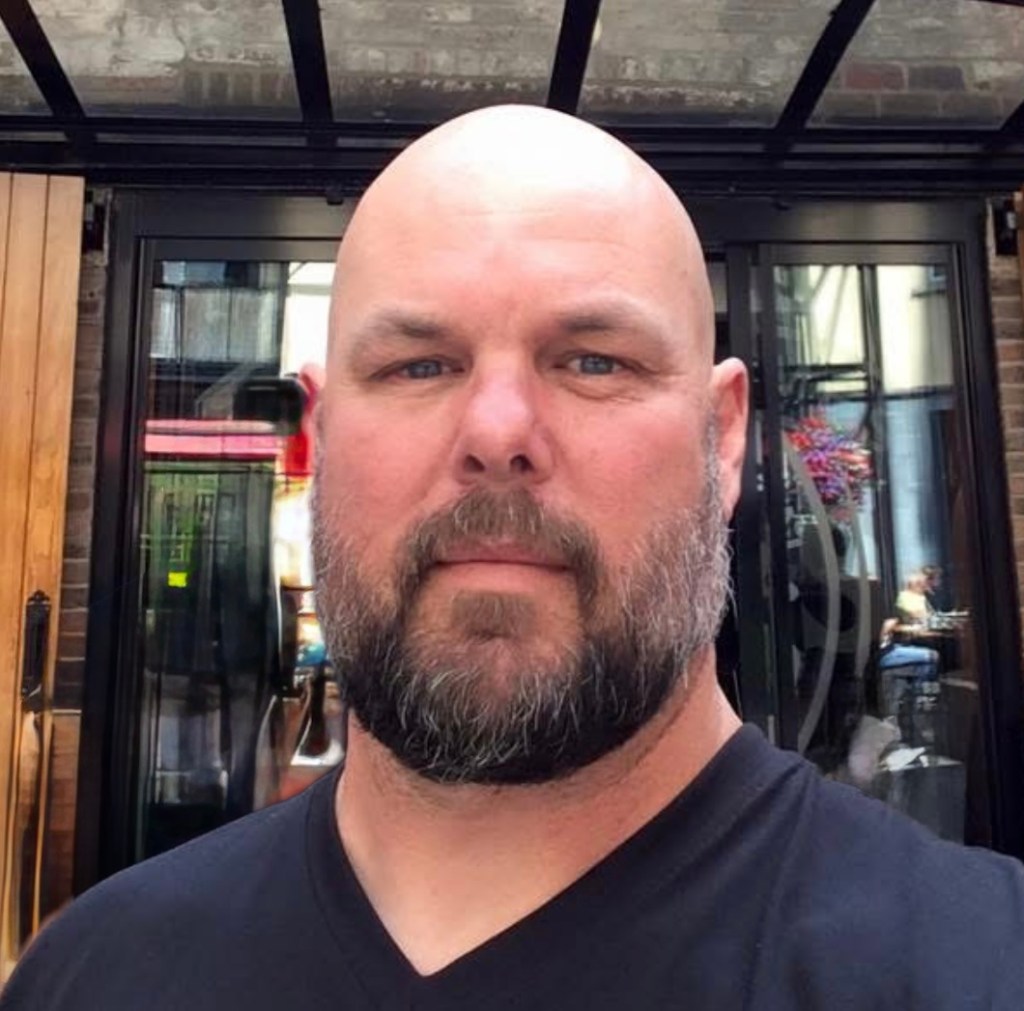
Interview with author Carole Sanek

Q1. Hello, can you please introduce yourself? Readers would love to know more about you.

A1. I’m Carole Sanek—author, grief coach, storyteller, and woman who’s walked through fire more than once and came out wearing butterfly wings. My writing is deeply personal, often raw, and always real. I believe in the power of truth-telling, even when it shakes the ground. I live in South Carolina with my redheaded dog, Rosie, who makes frequent appearances in my work and my heart. The Unforgiven Walk Alone is Part 1 of a four-memoir series moving from trauma to healing.

Q2. What were the key challenges you faced while writing your book The Unforgiven Walk Alone?

A2. The biggest challenge was walking through the pain as I wrote it. This wasn’t fiction—it was my life. Revisiting past trauma wasn’t easy. There were days I could only write a few lines before breaking down. But I kept going, because I knew there were readers out there who needed to know they’re not alone in their heartbreak.

Q3. What books or authors have most influenced your own writing?

A3. Cheryl Strayed, Joan Didion, and Glennon Doyle—women who write with open wounds and open hearts. They permitted me to show up messy, to be vulnerable on the page, and to write stories that don’t tie up with a neat bow.

Q4. What’s your favourite spot to visit in your own country? And what makes it so special to you?

A4. Station Cove Falls in South Carolina. It’s a quiet little hike through wildflowers and woods that leads to a waterfall—simple, sacred, and soul-soothing. It’s where I go when I need to breathe deeper and remember who I am.

Q5. What inspired you to write the book The Unforgiven Walk Alone?

A5. I wanted to tell the truth about what it means to break, especially when the people around you would rather pretend everything’s fine. I wrote it for anyone who’s ever been judged for surviving. For anyone who’s ever walked away from what was killing them, and then had to explain why.

Q6. How long did it take you to write your book The Unforgiven Walk Alone?

A6. It took years, but not all of them were writing years. Some were healing years, hiding years, finding-my-voice-again years. When I finally sat down and committed to telling the story, it came out in waves. The truth doesn’t rush, but it always arrives.

Q7. On what platforms can readers buy your books?

A7. Readers can find The Unforgiven Walk Alone on Amazon @https://www.amazon.com/author/carolesanek You’ll also find it promoted across Instagram, Substack, on BookBub, or you can follow me on http://www.linktr.ee.com/carole869

Q8. Tell us about the process of coming up with the book cover and the title The Unforgiven Walk Alone.

A8. The title came first—it was a truth I couldn’t shake. When you leave people who never forgave you for being human, you walk alone… but you walk free. The cover evolved to reflect the loneliness and strength of that walk. I didn’t want pretty—I wanted powerful.

Q9. When writing a book how do you keep things fresh, for both your readers and also yourself?

A9. I write like I’m having a hard conversation with someone I love. That keeps me honest. I don’t chase trends—I chase truth. And I let the story lead, even when it surprises me or scares me.

Q10. What is the most valuable piece of advice you’ve been given about writing?

A10. Tell my story, tell your story even if your voice shakes, especially if it does. The stories that scare you the most are the ones someone out there needs the most.

Buy book on Amazon

Interview with author Kelly Copperthite Ranalli

  1. Please introduce yourself so that the readers will get to know you better.

A1. Hi. My name is Kelly Copperthite Ranalli. I live in Connecticut with my family and our dogs. We enjoy being outside, as long as no boys or dogs are running off, and traveling. Since my son’s diagnoses, I have become dedicated to improving awareness and acceptance of all profiles of autism and mental health disorders and hope to improve societies understanding of this as well.

  1. What is the inspiration behind your book “Magnificent Nick and His Canine Companions”

A2. My son, Nicholas.

  1. When did you realize you want to be an author?

A3. I realized I wanted to share a bit of his story when I felt like people didn’t understand how variable autistic profiles can be.

  1. Please tell us something about your book “Magnificent Nick and His Canine Companions”

A4. It details some of my son’s struggles but applies to anyone with big emotions.

  1. For which age group is your book “Magnificent Nick and His Canine Companions” suitable for?

A5. 4-8

  1. What is your favorite Quote?

A6. “She was powerful not because she wasn’t scared but because she went on so strongly, despite the fear.” Atticus

  1. What do you like the most about your country?

A7 Exploring all of nature’s hidden gems.

  1. What suggestion do you want to give to parents of little readers regarding a reading habit?

A8. Go at the child’s pace. Encourage them to explore their interests and promote their creativity through reading.

  1. What does literary success look like to you?

A9. Literary success for me will be measured by an improved understanding of the various, complex presentations of neurodivergence- especially autism,- how big emotions can be misinterpreted in this population, and providing hope for those affected by these invisible diagnoses.

  1. Lastly, who is your inspiration in life and why?

A10. My family because they encourage me to be my best, support my dreams, and inspire confidence.

Buy book on Amazon

Interview with author Shaakira

Q1. Hello, can you please introduce yourself? Readers would love to know more about you.

A1. My name is Shaakira and I was born and raised in South Africa. I graduated with a bachelor’s degree in education from the University of Johannesburg, where I majored in English and Historical Studies. I am a poet and an award-winning author. My first novel I Swear by Azania recently received two awards: The Dubai Mastermind 2025 Award in which I received the Outstanding Author Excellence Award. I also received the International Author Excellence Award 2025.

Q2. What were the key challenges you faced while writing your book “I Swear by Azania”?

A2. Writing about the abuse and trauma different characters faced was indeed challenging. As an author one feels the emotions, and experiences the characters endure, which at times were a lot for me to deal with. I remember crying continuously when I wrote about certain things happening to certain characters. As an author, I also mourned the deaths of certain characters.

Q3. What books or authors have most influenced your own writing?

A3. One of my favourite poets and authors is a South African author named Mongane Serote. He wrote protest poetry during the apartheid regime. My favourite piece of work of his is ‘’What’s in This Black Shit,’’ which is a poem about black consciousness. I also appreciate Philip Larkin’s Aubade. One of my favourite novels is Toni Morrison’s Noble Prize-winning Beloved. Another novel I really enjoyed reading was The God of Small Things by Arundhati Roi. J.K. Rowling’s Harry Potter series made my childhood. My favourite book from the series is Harry Potter and the Prisoner of Azkaban.

Q4. What’s your favourite spot to visit in your own country? And what makes it so special to you?

A4. Anywhere that I can have animal interactions by petting them or feeding them, because I love animals. I also love museums, because I love history.

Q5. What inspired you to write the book ‘I Swear by Azania’?

A5. Growing up as a mixed race South African in post-apartheid South Africa, I saw that while apartheid was over, the impact it left was enormous. There was and still is a huge socioeconomic gap among the previously disadvantaged majority and racism still exists. Another thing that inspired me is that I have always considered myself a sort of pariah. I never fitted in anywhere, and the main character of my novel is indeed a social outcast herself.

Q6. How long did it take you to write your book ‘I Swear by Azania’?

A6. About one and a half years.

Q7. On what platforms can readers buy your books?

A7. Austin Macauley Publishers, Amazon, Barnes C Noble, Waterstones, Book Topia, World of Books, WHSmith

Q8. Tell us about the process of coming up with the book cover and the title ‘I Swear by Azania’?

A8. I wanted a cover that would grasp the attention of the reader, hence the blood. The blood also represents the brutality people experienced during apartheid. I was also inspired by two of the characters in my novel who embarked on an interracial relationship, which was illegal in South Africa at the time.

Q9. When writing a book how do you keep things fresh, for both your readers and also yourself?

A9. I try to make scenarios and characters as relatable as possible.

Q10. What is the most valuable piece of advice you’ve been given about writing?

A10. Write down every idea you have, wherever you.

Buy book

Interview with author Jamal Muhammad Kitchen

Q1. Hello, can you please introduce yourself? Readers would love to know more about you.

My name is Jamal Muhammad Kitchen. I’m 29 years old—and fun fact, I’m a Leap Year baby born on February 29th, so technically I’ve only had a few real birthdays! I’m originally from San Antonio, Texas, but I now call Austin home. I’ve always had a deep passion for storytelling, whether it’s through writing, filmmaking, or just imagining the “what ifs” of everyday life.

I consider myself a creative at heart—a true crime enthusiast, a hopeless romantic, and someone who lives for the adrenaline of a great suspense mystery. My work blends those passions, and I hope to continue sharing stories that are bold, emotional, and unforgettable. One of my biggest dreams is to see my stories come to life on screen someday, and I’m just getting started.

Q2. What were the key challenges you faced while writing your book Between Two Worlds?

One of the biggest challenges was staying on track with the storyline. At first, I was tempted to explore a lot of different directions—at one point I even considered adding supernatural elements like vampires! I also debated pulling more directly from my own love life (or lack thereof, to be honest), but ultimately, I reminded myself to stay true to my original vision: a raw, emotional true crime story.

Another challenge was balancing the message with the mystery. I didn’t just want to write a suspenseful thriller—I wanted Between Two Worlds to shine a light on the very real and often overlooked trauma of domestic violence in LGBTQ+ relationships. These situations happen more than people realize, but they’re rarely talked about. Sometimes when you’re dating someone of the same sex, the lines around abuse can get blurred—people might think it’s a “fair fight,” but the same rules of morality and humanity apply. Keep your hands to yourself. Treat others the way you’d want to be treated. That’s a message I really wanted to embed in the story without losing the tension and pacing of the plot.

Q3. What books or authors have most influenced your own writing?

First and foremost—Mel Robbins. That “5-4-3-2-1, just do it!” mentality changed everything for me. I realized the only thing holding me back from releasing my creativity into the world was me. Once I got into a groove writing Between Two Worlds, there was no stopping me. I’m pretty sure I mentally exhausted all my friends and family from hyping up my project every chance I got—but it became something I truly looked forward to every evening after work. It stopped being a dream and started becoming a lifestyle.

I’m also a huge fan of Sword and Scale. Shout out to Mike Boudet—the best narrator and storyteller I’ve ever heard in the true crime space. His podcast is honestly the only one I listen to religiously. The way he builds suspense, mixes facts with emotion, and brings humanity to dark, disturbing stories definitely inspired the tone and style of my book.

And I can’t forget Tyler Perry and Ryan Murphy. Their work has had a massive influence on me. They’re bold, fearless, and know how to take real situations and turn them into something unforgettable—cinematic, raw, emotional. They taught me through their art that you can go where most artists don’t dare. That kind of creative freedom is what I strive for in my own work.

Q4. What’s your favorite spot to visit in your own country? And what makes it so special to you?

Fun fact—I’ve never left the great state of Texas… yet! But I’ve always had my eyes set on Denver, Colorado. In fact, I based the setting of Between Two Worlds in Denver because of how drawn I am to its natural beauty, its vibe, and the balance between city life and peaceful mountain escapes. I plan to visit Denver very soon—hopefully as one of the first stops on my future book tour. So while I haven’t been yet, it already holds a special place in my heart.

Now, if we’re talking bucket-list travel dreams: I’ve never been on a plane (I have a major fear of heights), but one day I absolutely want to visit Dubai. The architecture is unreal, the city is stunning, and I’m dying to stay in one of those underwater hotels. That’s definitely one for the vision board!

Q5. What inspired you to write the book Between Two Worlds?

If I’m being completely honest… It all started one Friday evening while I was walking my dog, listening to Luke Combs’ “The Lonely One,” and just in my feelings. No dates, friends were busy, family back in San Antonio—what was a guy to do? LOL.

Originally, I was planning to write a lighthearted autobiography about my single life—something fun, romantic, maybe a little messy. But as I paced around my apartment with my dog and Sword and Scale playing in the background, the vibe shifted. The idea started evolving into something darker, deeper, and way more thrilling. Before I knew it, I had created a true crime love triangle with layers of obsession, betrayal, and emotional chaos. And I swear—I’m not bitter! Just inspired.

Q6. How long did it take you to write your book Between Two Worlds?

Just 4 short months! Honestly, it was one of the most fun and fulfilling creative projects I’ve taken on in a long time. Once I found my rhythm, the story poured out of me. I’d come home from work, curl up in bed next to my dog, start writing—and before I knew it, it was midnight. That’s when I knew I was doing something I genuinely loved. Time disappeared, and I was completely lost in the world I was creating.

Q7. On what platforms can readers buy your books?

You can find Between Two Worlds: A True Crime Story available now on Amazon! It’s offered in both Kindle and paperback formats, and if you’re a Kindle Unlimited member, you can read it for free as part of your subscription!

Q8. Tell us about the process of coming up with the book cover and the title Between Two Worlds.

The title Between Two Worlds came to me almost instantly as I began developing the storyline. It perfectly captured the emotional and psychological tug-of-war the main character faces—caught between two men, two versions of himself, and two very different paths in life. At its core, the book is about the consequences of emotional dishonesty, the weight of guilt, and the struggle to find peace in a chaotic, often unhinged world.

I wanted to spotlight the truth that honesty really is the best policy. When you hide parts of yourself or live a double life, someone innocent almost always gets caught in the crossfire. But no matter how far things spiral, I truly believe there’s always a way out—you just have to respect yourself enough, and find the courage to choose what’s morally right.

As for the cover, I wanted all three characters featured to give the story a human touch. Their presence adds weight to the emotional stakes, and visually sets the tone for the triangle of love, obsession, and betrayal. I also wanted the imagery to symbolically reflect the idea that some stains never wash away—that what’s done in the dark will eventually come to light.

Q9. When writing a book, how do you keep things fresh—for both your readers and yourself?

For me, pacing was everything. I didn’t write every single night—I gave myself space between writing sessions. Not to brainstorm or force the storyline, but to avoid turning the process into something that felt like homework. That breathing room helped me stay excited about the project and allowed the story to unfold more naturally.

Those breaks gave me a fresh perspective each time I came back to the page. It gave my ideas time to marinate so that when I did lie down to write, it felt more organic and intentional. I was very in tune with my creative rhythm during this process. And honestly—you can’t rush greatness. Sometimes, stepping back is exactly what you need to keep the story sharp and inspired.

Q10. What is the most valuable piece of advice you’ve been given about writing?

Honestly—I haven’t been given a ton of writing advice. But if I could share one thing with other writers, authors, and creatives out there, it’s this: GET IT ALL OUT. Write it down. Speak it into your phone. Type it up on your laptop. Even if it doesn’t make perfect sense at first, just get it out of your head and into the world.

The vision will come together as you go. I think a lot of people get intimidated by the idea of “putting it all together” before they even start—but the truth is, the magic happens once the ideas are physically in front of you. That’s when the sparks start to fly.

We cap our own potential when we overthink. So don’t wait for it to be perfect—just 5-4-3-2-1… DO IT! (Love you, Mel Robbins!)

Final Message to Readers:
Thank you so much for taking the time to get to know me and the story behind Between Two Worlds. This book is more than just a thriller—it’s a piece of my heart, shaped by my love for storytelling, true crime, and the complexity of human emotion. If you’re reading this and you’ve got a story inside you too—tell it. The world needs more raw, real, and fearless voices.

To my readers: thank you for your support, your curiosity, and your willingness to step into the world I created. I can’t wait to bring you more.

Stay bold. Stay creative. And never be afraid to walk between two worlds.

— Jamal M. Kitchen

Buy Between Two Worlds on Amazon

Interview with author Vicki M Taylor

Q1. Hello, can you please introduce yourself? Readers would love to know more about you.

A1. I’m an award winning author who writes dramatic fiction with strong, unforgettable women characters. I attack the hard issues and bring them to the forefront with a deftness that outshines most authors. I have the ability to sink my teeth into these headline issues and pull the reader in. I spent fifteen years in the corporate world writing computer user manuals and training others how to use computer systems. After a life-threatening illness, I chose to retire and write fiction. I also started my venture of helping others with life challenges. I was a founding member of the Florida Writers Association and a frequent speaker on the craft of writing while continuing to write fiction. Unfortunately, my health issues continued to grow worse, so now I help via social media platforms. My husband and I live in an airport community that provides him the ability to pursue his airplane flying hobby. We have two American Hairless Terriers and a Sun Conure parrot.

Q2. What were the key challenges you faced while writing your book “Shadow Man”?

A2. Deciding which short stories to use and in what order to place them so that they would have the greatest impact on the reader.

Q3. What books or authors have most influenced your own writing?

A3. Stephen King has been like a mentor to me. I’ve adopted his format of less description is better. Nothing can replace the reader’s imagination and by giving just enough description to let them build the world in their mind, the scare is already there.

Q4. What’s your favourite spot to visit in your own country? And what makes it so special to you?

A4. The Florida Keys. Once you cross into Key Largo and drive into the rest of the keys, all the way to Key West. My favorite places among the area are in the Middle Keys of Islamorada and Marathon. It’s like stepping into a Caribbean island. Time doesn’t matter and it’s all about sand and ocean.

Q5. What inspired you to write the book ‘Shadow Man’?

A5. This book was a long time in coming. I didn’t realize throughout the years writing short stories, they’d end up in a collection. Especially a collection like this. To open up my heart and soul and bare it to the reader; the stories were cathartic, at best.

Q6. How long did it take you to write your book ‘Shadow Man’?

A6. The short stories were written over 20 years. The compiling and development of Shadow Man was approximately three months.

Q7. On what platforms can readers buy your books?

A7. All of my books are in print, ereader, and audio on Amazon https://tinyurl.com/VMT-Books

Q8. Tell us about the process of coming up with the book cover and the title ‘Shadow Man’?

A8. When I was five years old, my adopted father began sexually abusing me in the night. He would come to my room after everyone was asleep. He became known to me as the “shadow man” because it was as if he materialized from the shadows. I tried very hard to stay awake at night, because he wouldn’t do anything if I was awake. It was in this that I developed severe insomnia. The book cover was an abstract impression of my imagination developed by AI.

Q9. When writing a book how do you keep things fresh, for both your readers and also yourself?

A9. I got very lucky when I was writing novels. They were character driven. And I had very pushy characters. Plus, because I wrote character driven stories, I didn’t know the genre until the end. Which is why you see me with books of various genres. I didn’t try to force myself to write in the same box each time.

Q10. What is the most valuable piece of advice you’ve been given about writing?

A10. There is an adage that bounces around the writing world. I belonged to a writing group and another member, who happened to be a NYT bestseller, gave us a piece of advice I pass along to you: Butt in chair. Nothing will get accomplished if the butt isn’t in the chair.

Buy Shadow Man on Amazon

Interview with author Chuck Griffith

  1. Please introduce yourself so that the readers will get to know you better.

Hi! I’m Chuck Griffith. I’ve worn a lot of creative hats over the years: designer, filmmaker, and now children’s author. I have a master’s degree in education and used to teach in New York City, which
definitely shaped how I think about kids, learning, and storytelling.

These days I live in Austin, Texas, where I still work in creative fields, but Monty Moves to Honeytown Beach is my first time writing for kids.

  1. What is the inspiration behind your book Monty Moves to Honeytown Beach?

It all started with a simple doodle of a yellow jacket named Monty. I started thinking about what it feels like to be different or not immediately accepted, and how even quiet or overlooked kids have something amazing to offer. Monty’s journey reflects that. He’s kind of introverted, not the loudest voice in the room, but he finds his own way to shine and help others.

  1. When did you realize you wanted to be an author?

I’ve always loved stories, whether through film, design, or the classroom. But the moment I started sketching Monty and imagining his world, I realized I wanted to tell stories just for kids. My background in education definitely pushed me in that direction. I’ve seen firsthand how powerful a good story can be for young minds.

  1. Please tell us something about your book Monty Moves to Honeytown Beach.

It’s the story of Monty, a smart and kind yellow jacket who finds a bee colony in trouble. The bees need help saving Flower Field, but they don’t trust Monty because he’s not one of them. Still, Monty steps up and shows that being different doesn’t mean you can’t make a difference. The illustrations are hand-drawn, and the entire book was made without using any AI tools. It’s a story made with heart, for kids who need a reminder that they can be heroes in their own quiet way.

  1. For which age group is your book Monty Moves to Honeytown Beach suitable?

It’s best for kids aged 4 to 8. The language is approachable for early
readers, and the message is great for starting conversations about kindness, inclusion, and believing in yourself.

  1. What is your favorite quote?

I really love the line, “Just because I’m not a bee doesn’t mean I can’t help.” It captures Monty’s whole journey and mindset. He knows who he is, and he still shows up for others.

  1. What do you like the most about your country?

I appreciate the diversity. There are so many stories, backgrounds, and perspectives here. It’s not always perfect, but that mix of voices is what makes things interesting. It’s something I try to reflect in my creative work.

  1. What suggestion do you want to give to parents of little readers regarding a reading habit?

Make it part of everyday life, and keep it fun. Let kids pick what excites them, and don’t stress about it being “serious.” Some of the best lessons sneak in through silly stories and bedtime reads.

  1. What does literary success look like to you?

If a child finishes Monty and feels a little braver, a little more seen, or just wants to read another book, that’s success. It’s all about connection and impact.

  1. Lastly, who is your inspiration in life and why?

My nieces and nephews have been a huge inspiration. Their energy, questions, and unique little personalities constantly remind me what really matters. They’re the reason I wanted to write something that felt real, kind, and full of heart.

Buy Monty Moves to Honeytown Beach on Amazon

Interview with author Kevin Moonn

Q1. Hello, can you please introduce yourself? Readers would love to know more about you.

A1. My name is Kevin Moonn, I’m a first year Creative Writing and English Literature student at the University of East Anglia and I love to write science fiction and fantasy stories. Coming from a Christian background, I aim to apply God’s morals and teachings into every work that I complete. Furthermore, I’m ethnically from India, Kerala, and a lot of The Last Chimaera represents the culture of my community and background.

Q2. What were the key challenges you faced while writing your book “The Last Chimaera”?

A2. Some of the physical difficulties that I faced when creating this book was cover designing and a lack of time. As everyone knows, being a university student doesn’t come cheap, therefore, I had to design the cover myself and ask a friend to edit my book. As someone who just came out of surgery recently, I lacked the time to edit/ write my book and design my cover. The medicine made me drowsy and unmotivated, yet I managed somehow! Learning how to design a cover also proved difficult, since this was not my area of expertise. However, I’m happy with the way it came out and the details that I implemented into it, for example the kalarippayattu shield on the ‘R.’

Q3. What books or authors have most influenced your own writing?

A3. Technically, the main ideas weren’t inspired from books exactly but rather anime and manga. Full metal alchemist portrayed the evil that comes from human desire when they try experiment on children and animals. Failed experiments in that anime inspired the creation of chimaeras. However, many books that have inspired my book writing journey are the Hunger Games and Percy Jackson, basic but impactful.

Q4. What’s your favourite spot to visit in your own country? And what makes it so special to you?

A4. When I travel to India, a place that I love seeing is my great grandfather’s and grandmother’s house and back garden. Unlike places like America and England, her back garden is a forest, her house is practically a shack. Though wild animals, like snakes and mosquitoes, wander the forest, it reminds me of the relentless determination my great grandparents had when raising 8 children while taking care of animals like cows and dogs even at an old age, 98 to be exact. The shack is a reminder of their kindness and love. Therefore, despite its dangerous surroundings nowadays, it is still a beautiful place to see.

Q5. What inspired you to write the book ‘The Last Chimaera’?

A5. The inspiration for The Last Chimaera came from an old children’s story my father used to tell me a child, about 2 children, a father and a tiger. They were naughty children who did not obey their parents and lived as they liked. One day they disobeyed their father again and ran away. They encountered a tiger and it pounced on them however, before it could, the father rushed in and saved them. At first, I thought this was a stupid children’s story meant to scare me and make my dad look stronger than he is. But I realised later that parents love us so much that they would jump in the face of danger to protect us. Another inspiring quote is from the Bible, John 15:13, “There is no greater love than this—that a man should lay down his life for his friends.”

Q6. How long did it take you to write your book ‘The Last Chimaera’?

A6. It took me 2 years, not including the writer’s block I had for another 2 years in between. However, it did take a long time because I worked on 2 other books at the same time, a fantasy series that will come out soon – stay tuned.

Q7. On what platforms can readers buy your books?

A7. Amazon and lulu publishing.

Q8. Tell us about the process of coming up with the book cover and the title ‘The Last Chimaera’?

A8. The Last Chimaera was chosen as a title with thought behind it. Like any other book, it foreshadows contents of the story and like any title, plays a huge role for the story. It made sure I made my readers question who the last chimaera is. The book designing was more complicated, however. I always knew I wanted the 2 brothers facing each other, and so I did. But every book cover has meaning integrated into it other than just 2 characters. The corn is meant to symbolise the cycle of life and death. The shield on the ‘R’ in the title is meant to foreshadow the underrepresented martial arts, kalarippayattu, as the main fighting technique.

Q9. When writing a book how do you keep things fresh, for both your readers and also yourself?

A9. Taking inspiration from real life events helped me keep things fresh, as a writer and for my readers. Watching things unfold helps give me new and fresh ideas. Every book is a mixture of interactions and events that have unfolded in the author’s life.

Q10. What is the most valuable piece of advice you’ve been given about writing?

A10. Stay consistent. Whether it’s a few words a day or a whole page, consistency is so important.

Buy The Last Chimaera on Amazon

Interview with author Cathy Warshaw

Q1 What is your favorite line from your book ‘The Obsidian Eye’?

“The truth isn’t just buried in the past—it’s protected by those brave enough to find it.” This line captures the heart of the Sisterhood Sleuths’ journey—uncovering ancient mysteries not for glory, but because truth matters, even when it’s dangerous. It reflects the themes of courage, legacy, and the powerful idea that young people can be the protectors of truth in a complicated world.

Q2 What would you say is your strength as an author?

My greatest strength as an author is my ability to weave empowerment into adventure. I don’t just tell exciting stories—I equip young readers with life lessons through suspense, danger, and mystery. I create diverse, intelligent characters who are brave not because they’re fearless, but because they choose truth, loyalty, and resilience even when the odds are against them. My writing blends entertainment with emotional growth, making my books thrilling and meaningful.

Additionally, my dedication to crafting an entire universe—with songs, apps, games, and merchandise—shows my strength in visionary storytelling. I’m not just writing books. I’m building a world where teens can learn, feel seen, and believe in their power to make a difference. That’s rare—and powerful.

Q3 How do you manage your work schedule?

I want to say I’m a scheduling wizard—but truthfully, I’m not. The entrepreneur in me has taken the wheel for a while, which means my writing has been riding in the back seat. With an eight-book series in progress and currently working on Book Four, I haven’t felt too much pressure.

Q4 How do you handle literary criticism?

I learn from it. I’ve only been writing fiction since 2024 and am always willing to learn.

Q5 What do you like about audiobooks?

I’m a huge fan of anything audio! Honestly, I fall asleep most nights with an earbud in, listening to crime stories—yes, I know it’s a bit unusual, but I love it. There’s just something powerful about hearing a story unfold through voice.

That’s why I’m especially excited to announce that The Obsidian Eye and The Land of Promise are both being turned into audiobooks. And these won’t be your average narrations— It’ll feel like stepping into the story itself.

Q6 What inspired you to start writing?

I love telling this story. One morning, I woke up with a full story in my head—it just wouldn’t let go. I had never written fiction before, but something told me I had to get it down. So I locked myself in a room for three days, told everyone (including the dogs!) to leave me alone, and started writing. That’s how The Obsidian Eye was born.

Q7 What, in your opinion, are the most important elements of good writing?

For me, good writing starts with the heart. If the writer doesn’t feel something, the reader won’t either. But beyond that, I believe the most important elements are:

Authentic characters – Readers connect with people, not just plots. Characters should feel real, flawed, and growing.

Emotional truth – Whether it’s a mystery, fantasy, or real-life drama, the emotions have to ring true.

A strong voice – The tone and rhythm of the writing should feel distinct and natural, like the author is sitting across from you, telling the story just for you.

Pacing and purpose – Every scene should move the story forward or deepen the reader’s connection.

Mystery and wonder – No matter the genre, I believe stories should spark curiosity and give readers something to unravel.

In my case, I always write with teens and young adults in mind. So I also try to include life lessons, moments of courage, and a sense that they matter—that their voice, their choices, and their future are powerful.

Q8 What is your work schedule like when you are writing?

I follow the energy of the story, and when inspiration hits, I go all in. That might mean shutting the door, telling everyone (even the dogs) to give me space, and disappearing into my fictional world until a chapter is done.

Balancing my work’s creative and business sides can be tricky, but the story always comes first when I’m writing.

Q9 What is the significance of the title ‘The Land of Promise, The Seven Seals’?

The title carries both spiritual and symbolic weight.

“The Land of Promise” refers to Israel, a place deeply rooted in history, prophecy, and hope. It represents more than a geographic location—it symbolizes a journey toward purpose, identity, and truth. For the Sisterhood Sleuths, it’s a land full of ancient secrets, spiritual echoes, and modern danger. Their adventure there is about uncovering what’s been hidden and what’s worth fighting for.

“The Seven Seals” draws inspiration from biblical prophecy, where the seals represent revelation, judgment, and unveiling of hidden truths. In the story, the Seven Seals become a powerful metaphor for unlocking knowledge that The Society has buried for centuries. Each seal the team uncovers peels back another layer of deception, revealing not just conspiracies, but truths about humanity, belief, and destiny.

Together, the title speaks to the book’s core themes: faith, mystery, legacy, and the courage it takes to uncover what others want to stay hidden.

Q10 What did you want to be when you grew up?

Honestly, I didn’t have a clear vision back then. I was a struggling student—concentration was hard, and life wasn’t easy. My teenage years were difficult, being an introvert and terribly shy, without guidance or support, I couldn’t see what the possibilities were. It felt like a lot of trial and error for a long time.

But looking back, I’ve lived an extraordinary life. I’ve lived in Israel, helped open a Hilton Hotel, owned a restaurant in West Hollywood, launched one of the first online dental management programs, and had several nonprofits. At 62, I went back to school and became a certified Life Coach for teens. And now, at 73, I’m an author and songwriter, still learning and creating.

I often say it’s a miracle I even graduated from high school. But what I’ve learned is that you don’t need a traditional path to create a meaningful life. I took every opportunity I could to grow, build, and give back—college or not.

“You don’t need a perfect past to build a powerful future. You just need to say yes to the next step.” – Cathy Warshaw

Buy books on Amazon

Interview with author Rob Dorgan

Q1. Hello, can you please introduce yourself? Readers would love to know more about you.

A1. My name is Rob Dorgan. I have an MA in European History and a huge interest in world spiritualities. I teach meditation, yoga – both weekly classes and yoga teacher training courses, and along with my partner, I host yoga/meditation retreats. I am also a practicing Astrologer —- and a constant student of the Cosmos.

Q2. What were the key challenges you faced while writing your book “Awakening the Mystic”?

A2. Once the inspiration came through me, it did not stop. I wrote 220K words before finally stopping to put together the manuscript that became the published book- -which is 113K. Editing was a challenge.

Q3. What books or authors have most influenced your own writing?

A3. Actually, my meditation mentor, Sally Kempton, is my biggest influence. She is the author of Meditation for the Love of It and Awakening Shakti. Both are non-fiction but deal with yoga and meditation which are a big part of my novel.

Q4. What’s your favourite spot to visit in your own country? And what makes it so special to you?

A4. Key West. I love the warm weather and the fact that I can get around without a car.

I have been hosting a bi-annual yoga-meditation retreat in Key West for many years, so it is close to my heart.

Q5. What inspired you to write the book ‘Awakening the Mystic’?

A5. I was teaching a year long Yoga Teaching Training course. In the morning I was to teach Patanjali’s Yoga Sutras—- I had a flash of inspiration that turned into the whole premise for the book—- Miracles— and Love

Q6. How long did it take you to write your book ‘Awakening the Mystic’?

A6. That is difficult to say since I did not just sit to write it but did it while I taught and did readings but if I had to put it together— about 2 years

Q7. On what platforms can readers buy your books?

A7. The book and the audio – which I recorded, are available everywhere – Independent Book Sellers, Amazon, Barnes and Noble…

Q8. Tell us about the process of coming up with the book cover and the title ‘Awakening the Mystic’?

A8. I had a working title, but the publisher found another book with that title so we did some research – the publisher and me. Awakening the Mystic: A Novel of Cosmic Love and Healing captures the essence of what takes place in the story. This ordinary human, Ren Devlin, is looking to figure out the meaning of his life— through exploring yoga and astrology- both ancient arts and sciences. He activates an opening that is accessible to all of us —- and shows the world that miracles happen through LOVE.
The cover is an extension of the title. The skyline of Cincinnati, OH is there because so much of the story happens there — the chakra symbols represent the stages of our spiritual opening – and the Lotus represents the flower of our hearts that connect us with true reality – our divine inner nature.

Q9. When writing a book how do you keep things fresh, for both your readers and also yourself?

A9. It stays fresh when you are true to the creativity that wants to be expressed rather than writing for what ‘you think people want.’ At least that is true for me—
Put your vision on paper not someone else’s formula.

Q10. What is the most valuable piece of advice you’ve been given about writing?

A10. This is connected to the previous question for me—
TRUST your creativity. Honor it AND validate it for yourself first and foremost.

Everybody will have an opinion on your work, but they base their opinion on their experiences.

You have to trust the creativity that comes through you—- as yours. Those who get it will get it.

That advice has been very valuable as I put Awakening the Mystic out into the world.

Buy Awakening the Mystic on Amazon

Interview with author Rachel Schaf

Q1. Hello, can you please introduce yourself? Readers would love to know more about you.

A1. Hi, I’m Rachel Schaf. A mother of four incredible humans, three sons and one daughter, who are now grown and finding their way in the world. After nearly two decades of single motherhood, I married my husband, David, in 2021 and gained two more amazing stepsons…and in 2023, a wonderful daughter-in-law. Earlier this year, I stepped into a whole new chapter: becoming a grandmother!

Professionally, I’ve spent the past 19 years in engineering software sales. A career path that’s sharpened my analytical, scientific side. But outside of the office, I’m an artist, a dreamer, and a lover of all things soulful. I find joy in the garden, in color, in old forgotten treasures waiting to be made beautiful again. I’m endlessly curious and find myself drawn to ancient wisdom, astrology, numerology, and the inner workings and patterns that shape both human nature and the unseen world around us.

I like to think of my poetry as multi-layered and multi-dimensional—reflecting that liminal space I often inhabit, with one foot in the tangible, one in the etheric. Much of what I create comes through dreams, spontaneous inspiration, or channeled insight. I write to express the sacred spark I feel within, and with the hope of reminding others of their own innate worth and wonder. 

I think of myself as a “Lucid Intuitive”—because clarity, mystery, and deep feeling are lenses through which I most love to experience the world.

While I’m currently based in Pennsylvania, I’ll be planting new roots in Tennessee at the end of this summer. This has been a transformative season, full of endings and new beginnings. It feels like a blooming…both a coming home and a bold stepping out. God Spark is my first public offering from that space.

Q2. What were the key challenges you faced while writing your book “God Spark”?

A2. The biggest challenge in writing God Spark wasn’t the writing itself, it was getting over myself. My ego, my fears, and the inner critic that questioned, ‘Who am I to share this?’ 

I’ve danced around my voice for years, but this time, I felt deeply called to show up fully and put myself out there. That meant getting vulnerable, trusting the spark inside me, and allowing the words to rise without over-editing my soul in the process. It was less about perfecting the message and more about finally being willing to be seen by all.

Q3. What books or authors have most influenced your own writing?

A3. The Bible has undoubtedly been a huge influence on my writing and worldview. But honestly, my reading list has evolved (and zig-zagged) throughout every season of my life’s journey, and many of my choices would have raised a few eyebrows! Ha-ha!

If I hone in on the last 5 years, a few standout works have deeply shaped my perspective and voice. The Untethered Soul by Michael Singer helped me open to the expansive nature of the self. Todd Henry’s Louder Than Words taught me the power of finding and honoring my authentic voice.

I’ve also been greatly influenced by spiritual and metaphysical texts, including Kimberly Moon’s Psychic Empath, Linda Howe’s How to Read the Akashic Records, and several of Dolores Cannon’s works like Jesus and the Essenes, Between Death & Life, and The Three Waves of Volunteers and the New Earth.

Books on healing and embodiment, like The Body Keeps the Score by Bessel van der Kolk and The Missing Element by Debra Silverman, have deepened my understanding of trauma, compassion, and the human condition.

Other works that have piqued my interest include The Gene Keys by Richard Rudd, Diane Stein’s The Women’s Book of Healing, and Suzanne Giesemann’s The Awakened Way and Wolf’s Message. I’m currently reading Women Who Run with the Wolves by Clarissa Pinkola Estés, and it’s speaking straight to my wild feminine spirit.

Each one left its mark, whether through insight, affirmation, or sheer wonder, and I have no doubt they’ve all helped shape the lens through which I now connect, create, and write. 

Q4. What’s your favorite spot to visit in your own country? And what makes it so special to you?

A4. Currently, my favorite spot to visit is the 73-acre farm my husband, David, and I purchased in 2022. It is tucked into the foothills of the Great Smoky Mountains in Rogersville, Tennessee. We’re currently in the process of creating a sanctuary for anyone in need of renewal, from children with disabilities engaging in animal and art therapy to overworked adults seeking retreat and reconnection with nature. We envision our land becoming a portal for holistic wellness, hand-crafted wine, delicious food, and creative, family-friendly life experiences that awaken every sense. 

Q5. What inspired you to write the book ‘God Spark’?

A5. Writing is an integral part of my sacred time and space: a place where I also meditate, pray, breathe, process, and dream—but sharing? That is another story.

There are pages I’ve poured my heart into that never saw the light of day, tucked away, burned, or thrown out in a moment of fear. Vulnerability tends to feel too dangerous. I’ve wrestled for years with the belief that I wasn’t good enough, especially when the truths I carried deep within didn’t fit nicely into the religious constructs of my “church” upbringing, a framework more rooted in fear than in love.

For a long time, I stayed small. Quiet. Hidden.

But motherhood, with all its beauty and chaos, helped shape me. As my children grew more independent, I finally had the space to turn inward and face the parts of myself I’d long avoided. The past twelve years have been nothing short of a soul-deep transfiguration: a reckoning, a remembering, a return to God’s love.

“Write a book” had been sitting on my vision board for over a decade. I had no idea how or when, I only knew the calling wouldn’t let go. Then, this past February, I said yes to a simple poetry challenge: 21 poems in 21 days. I didn’t expect much… but something cracked open. The words came like channeled waves, unfiltered and alive. I didn’t just write poetry, I remembered myself in the process.

This book of poems is the result of my personal surrender of the ego. These pages carry my heart, my healing, and my hope: that those who read them will feel less alone, more seen, and deeply reminded that their unique perspective, their heart, and their voice also matter. It is woven with tenderness and truth, the kind that gently calls one home, a return to love.

Q6. How long did it take you to write your book ‘God Spark’?

A6.  Funny enough, as I mentioned earlier, God Spark was born out of a 21-day writing challenge, 21 poems in 21 days. I’d already developed a morning ritual of journaling for about 30 minutes a day, so I just swapped out journaling for poetry, and it became a beautiful daily rhythm of coffee, quiet time, and letting spirit flow through the pencil. If I do the math, that’s about 630 minutes…or 10 hours, give or take a few mystical detours.✍️😉💫   

Q7. On what platforms can readers buy your books?

A7. Paper book on Amazon: https://a.co/d/hAb0tic and Book Leaf Publishing eBook Store: https://ebooks.bookleafpub.com/product-page/god-spark-channeled-messages-of-love-and-awakening 

Q8. Tell us about the process of coming up with the book cover and the title ‘God Spark’?

A8. I can’t begin to comprehend God through intellect alone. Honestly, I could spend a lifetime just contemplating the chapter of Genesis and the scientific, esoteric, and spiritual significance of water throughout the remaining passages of the Bible, “the face of the deep” (tehom) versus “the waters” (mayim), which were divided by Heaven after light was divided from darkness, and even before the Earth was created. 

I will remain eternally curious!

Long story short, I’ve come to know God, not through the rigid concepts I was taught since childhood, but by stepping outside my small mind and seeking inward, and believing, in faith, through my heart space. This is where God’s eternal omnipresence becomes fully alive. 

To me, God is liken to the water of life (Jesus), and a fiery breath (God’s Holy Spirit); a slow burn of constant love fuel for my eternal soul. God is the vibrational spark that rises from deep within; both feminine and masculine; pure life force; all the colors of the rainbow combined; sentient; all-knowing; cosmic; alive—the source of all creation. My inspiration!  

The simplest way I could express the inspiration and the energy behind my collection of poetry became both the title and the cover for my book. 

Q9. When writing a book how do you keep things fresh, for both your readers and also yourself?

A9. I’m new to book writing, so I don’t have a formula, but I do believe in writing from a place of inspiration and purpose. When something stirs deeply within me, I trust it’s not just for me…it’s meant to reach someone who needs it. This sense of spiritual alignment keeps things fresh for me, and, I believe, it naturally flows through to the reader as well.

Q10. What is the most valuable piece of advice you’ve been given about writing?

A10. It’s not just valuable advice for writing; it’s also valuable advice for how one chooses to show up in life. Don’t compare your story to another’s and don’t chase originality. Originality is overrated, and truly original ideas are rare. Every story borrows from what came before it. What the world needs right now is you. You were created for such a time as this. Your voice, your soul, your perspective! Write boldly from your heart center; let your signature frequency, your light, shine on any familiar subject, and it will instantly feel brand new and powerful.

Book is available on Amazon

Design a site like this with WordPress.com
Get started