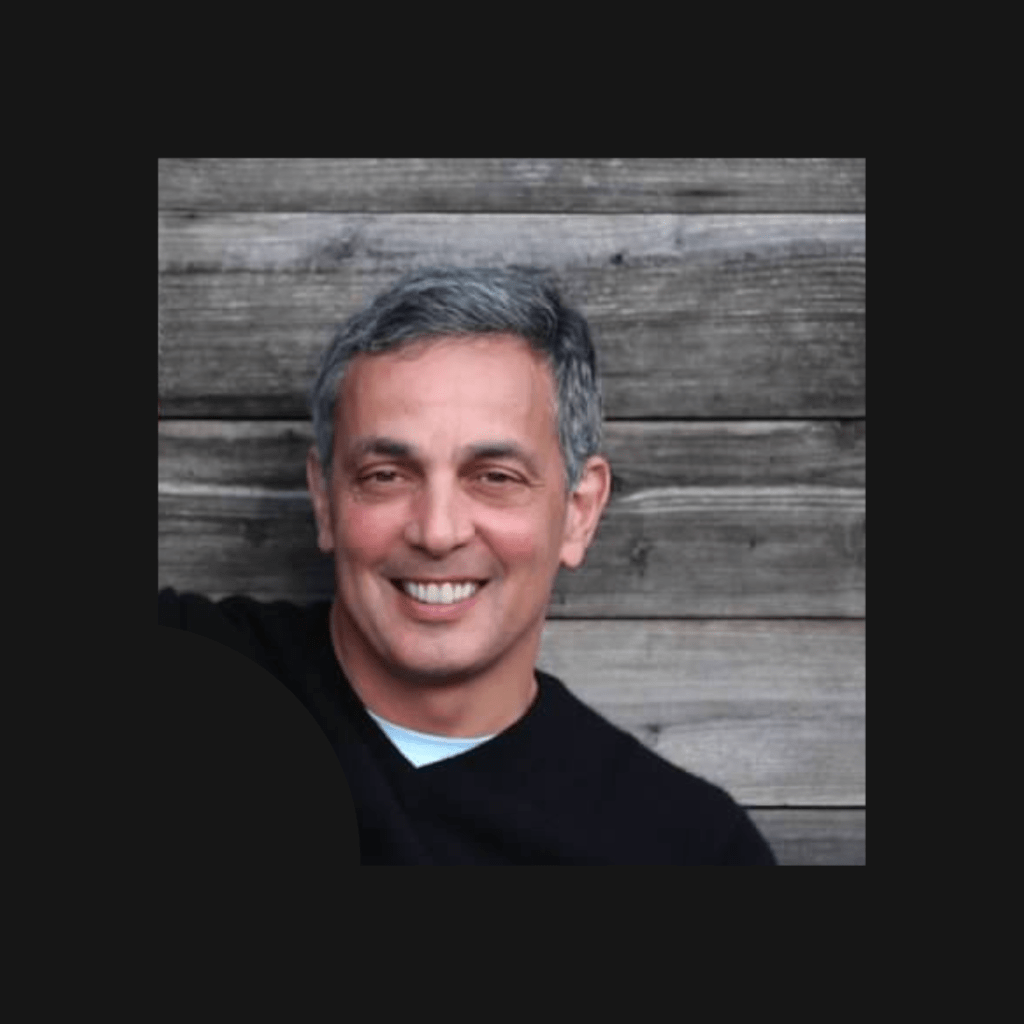
Interview with author Don Holbrook

Q1 Can you please introduce yourself?

I’m Don Holbrook, my life has been spent traveling and seeing the world as an economic Develpment Economist. This career allowed me to visit so many places and learn about so many unique cultures and their stories, I feel blessed with my many friends. All of my fiction stories are based upon real events and mostly I am made aware by listening to other folks on my journey.

Q2 What difference do you see between a writer and an author?

First, I’m a story teller, I use writing as my venue to show and tell the world about my stories. Being an author is simply my identity given to me by the public, it demonstrates that I have the courage and follow through to reveal these stories to the world, and of course open my work up to others for their own enjoyment and critique. You can be a writer and story teller and never publish, which is what elevates you to the status of an author.

Q3 What part of the book did you have the hardest time writing?

I think the hardest part of most books is the middle. You have so much information you need to convey, yet you have to maintain a pace that keeps your readers interested and curious as to what is next?

Q4 How do you celebrate when you finish your book?

A great dinner with a good scotch or port and then I smoke a wonderful cigar.

Q5 How do you use social media as an author?

I should be better, I use it to connect to other authors, editors, proofreaders, artists, and colleagues. Of course my family and friends and my readers. I’ve just learned about the real enjoyment of being interviewed on podcasts. They seem very rewarding to me.

Q6 How many hours a day do you write?

I don’t write everyday. I do writing when I’m inspired and moved and then usually it absorbs me for weeks and months. My fire to tell a story won’t let me stop. I do work everyday on book issues related to being a full time author. It’s your own small business and you have to budget and invest in your work or it won’t get discovered.

Q7 What books did you grow up reading?

The classics, black beauty, call of the wild, little house on the prairie and of course comic books. I’m a DC Universe fan.

Q8 What author in your genre do you most admire, and why?

Tom Clancy hooked me on adventure thrillers. Vince Flynn really was one of my favorites. Then my most favorite story teller thriller and historical adventure author is Steve Berry. His Templar Legacy really hooked me on Cotton Malone. I also, like Jack Whyte’s Templar series, Jeffrey Archer and of course I enjoyed Dan Brown’s Da Vinci Code, and that opened my imagination to the bloodline theory of Christ. You’ll see all these influences in my next fiction thriller coming out, “The Ninth Templar.”

Q9 Has writing and publishing a book changed the way you see yourself?

Yes, I’ve been writing for nearly 20 years now. I started in non-fiction and then only recently switched to fiction. Writing opened my life up to so many interesting people around the world. I’ve made dear friends and developed life long relationships because of being an author. This is my favorite part of my life. I feel like I finally found my reason for my journey. Exploring possibilities, following clues, listening to stories and weaving a compelling story is my passion.

Q10 If you had to describe yourself in just three words, what would those be?

Storytelling Digital Nomad
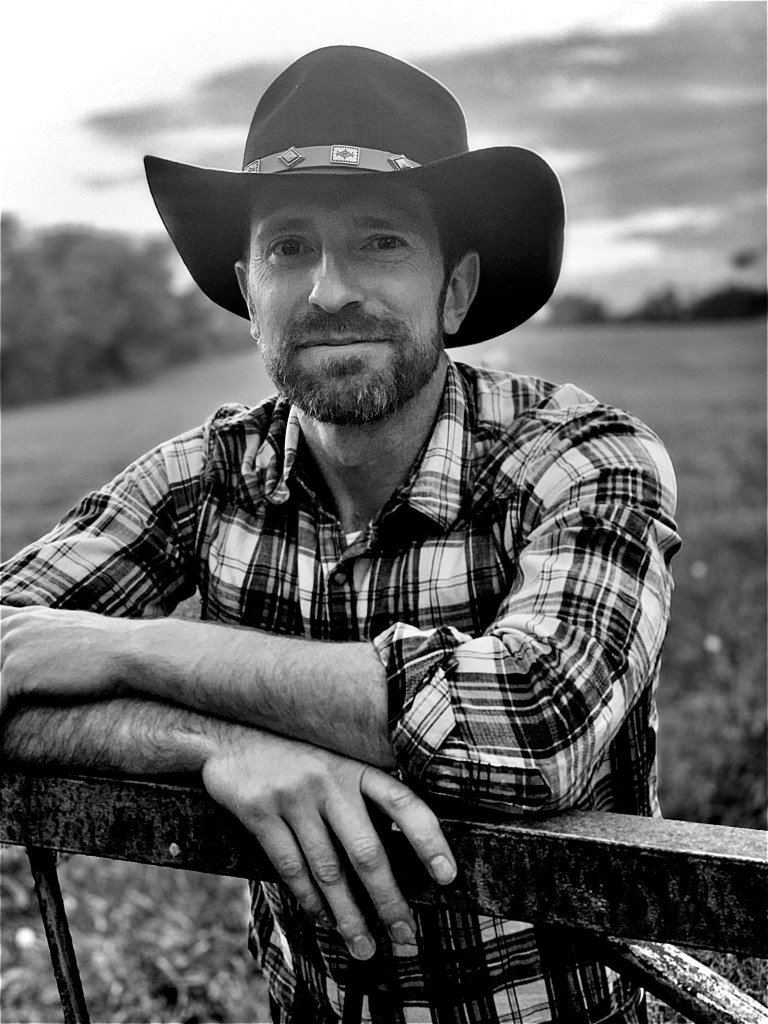
Interview with author Tom B. Stone

Q1. Hello, can you please introduce yourself? Readers would love to know more about you.

A1. Hello world. For the sake of honesty I should admit that Tom B Stone isn’t my real name. A close look will reveal that the letters spell Tomb Stone which is an homage to my upbringing in a funeral home. That off center environment has left me with a bit of an off center sense of humor that sometimes shows through in my writing. I’ve done some traveling including 2 years in Argentina, which is a beautiful country, as well as Scotland. As the land of my forbears and with the general ‘sit on it and rotate England’ attitude, it was probably my favorite.

These days I practice medicine in the rural, southern Midwest (culturally the south but geographically the Midwest. If you don’t live in the United States it’s a bit hard to explain. Think of it like a redneck colony west of the Mississippi River). What little spare time I have is split between a wife and five kids, two cats, writing, house maintenance, Bee Keeping, house maintenance, exploring nature, and house maintenance.

Q2. What were the key challenges you faced while writing your book “Do No Harm”?

A2. For me it was finding the time. I continued to work full time all through the pandemic including when I caught Covid. As a result spare time was, and still is, at a premium. Do No Harm was a project that came together in small pieces.

Q3. What books or authors have most influenced your own writing?

A3. Tom Clancy for sure. Our style of story telling isn’t that similar but the type of stories we want to tell are very similar. This was actually my third novel length project with the first two actually inspired by the National Treasure movie franchise. I hope to have those ready for the public soon.

Q4. What’s your favourite spot to visit in your own country? And what makes it so special to you?

A4. I would have to say the San Rafael Swell and Buckhorn Draw areas of Utah are my favorite. I grew up crawling all over those rocks and cliffs. I even guided the Army Corps of Engineers through the area before I could even legally drive. Watching the glowing crimson sun come up over frozen waves of Navajo sandstone rock formations is one of nature’s exquisite wonders. A close second would be the misty fall mornings where I live now.

Q5. What inspired you to write the book ‘Do No Harm’?

A5. A fairly remarkable man I used to work with had been a United States Green Beret in another life before getting into medicine. He told me several stories of his exploits both in the service and after working as a medic in the mountains of Guatemala. He’s so much larger than life that his traits had to be split into two separate characters just to be believable. A lot of myself went into the main character as well, mostly the emotionally burned out/ PTSD parts not so much the heroic bits.

Q6. How long did it take you to write your book ‘Do No Harm’?

A6. I started in the summer of 2019 after my youngest son was born and finished in the late summer of 2022.

Q7. On what platforms can readers buy your books?

A7. Do No Harm is currently available as an E Book and Paperback which can be found on a few sites including Amazon and my publisher’s web page Austin Macauley. Sometime after the new year it is slated to come out as an audiobook as well.

Q8. Tell us about the process of coming up with the book cover and the title ‘Do No Harm’?

A8. I went through a number of ideas before settling on this cover. In the end I wanted to go for a vintage ‘Who done it?’ look. Since doctors aren’t culturally associated with violence, I felt like the stethoscope and bloody knife has good shock value that draws the eye.

As for the title, it was an easy choice. The general goal of a physician is to ‘do no harm’ which is included in the oath taken by every MD graduate. Being forced into direct conflict with that moral expectation is part of the internal struggle that molds the main character. The idea of that title wasn’t as original as I’d thought. Author Jack Jordan has published a thriller under the same title that was released shortly before mine. That’s life I guess.

Q9. When writing a book how do you keep things fresh, for both your readers and also yourself?

A9. Switching points of view between characters keeps the story moving without having enough time to get bored with any single character.

Q10. What is the most valuable piece of advice you’ve been given about writing?

A10. Take a writing course. Between reading a few books on fiction writing and taking a course I feel like it really upped my game.

Buy Do No Harm on Amazon

Interview with author Kristin Lillywhite

Q1. Hello, can you please introduce yourself? Readers would love to know more about you.

A1. My name is Kristin Lillywhite. I’m a full-time single mother, abuse, survivor, teacher, and cat owner when I’m not writing, I enjoy hiking and playing my guitar.. 

Q2. What were the key challenges you faced while writing your book “Feeling the Feelings”?

A2. I wrote it during a Traumatic period of my life. One of the biggest challenges was having the confidence to feel like my book would be accepted for publication. 

Q3. What books or authors have most influenced your own writing?

A3. My favorite poet is Emma Lou Thayne. She wrote my favorite him, “Where Can I Turn for Peace?” I would love it if someone read her poem, “Packed and Ready” at my funeral. 

Q4. What’s your favourite spot to visit in your own country? And what makes it so special to you?

A4. My favorite spot to visit is Kona, Hawaii. It’s special to me because I have family there and it is a very healing place.

Q5. What inspired you to write the book ‘Feeling the Feelings’?

A5. Surviving to abusive relationships was the inspiration for my poetry for this book. I was also influenced by my experiences as a teacher and a mother. 

Q6. How long did it take you to write your book ‘Feeling the Feelings’?

A6. I first published these poems on my blog. It took me about six months to write all the poems in the book.

Q7. On what platforms can readers buy your books?

A7. Amazon, Barnes & Noble, and iBooks. The book is available in hardcopy or digital format. I will soon have a Spanish edition, but it’s not yet available. 

Q8. Tell us about the process of coming up with the book cover and the title ‘Feeling the Feelings’?

A8. The title of the book was inspired by conversations I had with my friend Whitney. We both have days after our divorces where we just have to feel what we feel and be okay with it.

Q9. When writing a book how do you keep things fresh, for both your readers and also yourself?

A9. I still publish my poems on my Facebook blog. My main sources of inspiration are my experiences, my students, my faith, and my children.

Q10. What is the most valuable piece of advice you’ve been given about writing?

A10. Read books by Ann Lamont and Elizabeth Gilbert. Write every day, even if you don’t feel like it. Even if it’s just a few sentences, or a to-do list, or a letter, or a random page of whatever is in your head.

Buy Feeling the Feelings on Amazon

Interview with author Erin Nichols

Q1. Hello, can you please introduce yourself? Readers would love to know more about you.

A1. Erin Nichols grew up and still resides in the Sacramento area of Northern California. She loves the natural world, spending time outdoors, and is always looking forward to her next adventure. She graduated from California State University, Sacramento with a Masters in Speech-Language Pathology. Erin works as a health coach and believes in always striving to learn and grow.

Q2. What were the key challenges you faced while writing your book “No Matter What”?

A2. My biggest challenge was moving beyond recounting the events and digging into the emotions. Some of the events themselves were highly emotional, and had me typing through tears, others I had to dig deep to unearth my deeper experience and let the reader into my thoughts ad feelings.

Q3. What books or authors have most influenced your own writing?

A3. I found a great deal of help from reading Stephen King’s On Writing. I in no way write like him, but his writing process and tips in the book informed my own writing. While writing the book I read Long Litt Woon’s The Way Through the Woods, which inspired me to explore my own grief and how I was moving through it.

Q4. What’s your favourite spot to visit in your own country? And what makes it so special to you?

A4. I absolutely love the Marin Headlands, on the other side of the Golden Gate bridge from San Francisco. We spent a year there in Marin County at a hospital at the base of Mt. Tamalpais. I’ve returned over and over to explore the various terrains and views of the ocean, the bay, and the forest.

Q5. What inspired you to write the book ‘No Matter What’?

A5. People had been asking me to write a book for years, but I didn’t know what my angle was. It hit me one night when I awoke at 3am, it’s a memoir telling the whole story in a series of short stories. I wanted not only to immortalize Sam and our story but share my experience of moving through an incredibly difficult set of circumstances while striving to be positive and growing relentlessly.

Q6. How long did it take you to write your book ‘No Matter What’?

A6. Writing the book spanned over four years in total, but most of the writing took place over about nine months in 2022.

Q7. On what platforms can readers buy your books?

A7. The book will be available on Amazon and in Sacramento, Ca area bookstores.

Q8. Tell us about the process of coming up with the book cover and the title ‘No Matter What’?

A8. Originally, I’d crafted a cover on Canva with a black, red, and white color palette, featuring a bloody heart. When we got serious about needing a cover design, I knew I didn’t want to be on the cover myself, then I stumbled upon the graffiti picture from Fallujah. Sam looks amazing, and the love note says it all. As soon as I saw the picture, I knew that was the cover image. The Red Cliff team did an amazing of transferring a snapshot into a cover I’m in love with, and it just happens to be in the same color palette as my original design.

The title changed a couple of times. The original title was Let’s Stay Together, our song. It then became Our Promise, referencing a promise we made to each other as teenagers that reflects the central theme of the book. we (my publisher and I) wanted something a bit more intriguing though, and she came up with No Matter What. I loved it instantly.

Q9. When writing a book how do you keep things fresh, for both your readers and also yourself?

A9. Writing in different environments helped me. I had my regular routine, but I also took a couple weekend writing retreats where I stayed in an Airbnb in the woods and hiked and wrote. After the second draft I sent it out to a handful of beta readers to get their feedback which turned out to be invaluable.

Q10. What is the most valuable piece of advice you’ve been given about writing?

Just write. Even when you don’t feel like it, be disciplined to your scheduled writing times and get something down. You can always edit and polish later.

Buy No Matter What on Amazon

Interview with author Debbie A. Thomas

  1. Please introduce yourself so that the readers will get to know you better.

My name is Debbie and I am a wife of a hard-working and patient husband and a mother of two amazing little girls. When I’m not working my full-time job, chasing my ever-energetic children, or maintaining every nook and cranny of my home, I can be found jotting down creative stories or songs.

  1. What is your inspiration behind your book “King Kenny and the Fox’s Cape”?

As a Christian and a mom, I find deep meaning in the ability to share my faith and important life lessons with my kids. This story was created from the principles used in teaching my children about the Biblical story of David and Bathsheba. Outside of the adult-relatable content lies a tale about a discontent heart that sought after something because of envy. I felt this concept at its core would be easy for kids to understand and quite relatable, which is how the book was born.

  1. When did you realize you wanted to be an author?

After spending years writing short stories, songs, and poems, I finally decided about a year ago (2022) that I wanted my children to be able to hold and pass down my books.

  1. Please tell us something about your book “King Kenny and the Fox’s Cape”?

Through captivating illustrations and an engaging plot, this book simply portrays what happens when we choose to not be grateful. While being grateful and content are the overarching themes of the story, it is also a tale sprinkled with the virtues of forgiveness, humility, and redemption. It is a children’s book wrapped with timeless lessons.

  1. For which age group is your book “King Kenny and the Fox’s Cape” suitable?

Ages 4-9

  1. What is your favorite Quote?

“Yet, with your power must come gratefulness. For a thankless heart is a heart always looking for something and is never satisfied.”

  1. What do you like the most about your country?

The core of America was founded upon principles that understood our rights are Creator-endowed.

  1. What suggestion do you want to give to parents of little readers regarding a reading habit?

Make reading a daily habit because it is important for vocabulary and overall literary fluency. However, you should also make reading a regular hobby for fun! Reading for fun will let the literature expand your imagination, build upon your bank of knowledge, and internalize what you’re learning.

  1. What does literary success look like to you?

My ultimate goal would be to see my stories become staples of people’s childhood. I’d love to hear young readers tell me years down the road that my stories helped them understand important lessons at a young age.

  1. Lastly, who is your inspiration in life and why?

My husband inspires me to pursue being the best version of myself. My children inspire me to dream big. My faith in Jesus inspires me to live beyond myself and seek to serve others and honor Him.

Buy King Kenny & The Fox’s Cape on Amazon

Interview with author Christopher Nicholas Ciko

Q1. Hello, can you please introduce yourself? Readers would love to know more about you.

My name is Christopher N. Ciko. Although I am educated with a Law Degree and a Master’s Degree, my greatest gift is creativity. I have created art, video games, characters and worlds.

Q2. What were the key challenges you faced while writing your book “Midnight on Fireworks Island”?

The biggest challenge I faced writing this book was that it was my first novel. I have written many screenplays. Each took me about 4 months to write. This book took me 17 years.

Q3. What books or authors have most influenced your own writing?

My favorite book of all time is Illusions by Richard Bach. It is a book that both entertains and will change your life.

Q4. What’s your favourite spot to visit in your own country? And what makes it so special to you?

I love to visit any creek or stream in a forest.

Q5. What inspired you to write the book ‘Midnight on Fireworks Island’?

Teen suicide. I saw how kids beat themselves up for so many reasons, it spirals until they see no way out. I wanted to write a book that never talks about specific problems but gives a solution to ALL problems.

Q6. How long did it take you to write your book ‘Midnight on Fireworks Island’?

It took me 17 years to write Midnight on Fireworks Island. It was like a long journey where I put provisions along the side of the road, forgot about them, and found them years later.

Q7. On what platforms can readers buy your books?

Midnight on Fireworks Island can be bought from my website https://www.fireworksisland.com/ or Amazon. https://a.co/d/4q87reY

Q8. Tell us about the process of coming up with the book cover and the title ‘Midnight on Fireworks Island’?

The boy in the story loves fireworks. I think everyone loves fireworks.

Q9. When writing a book how do you keep things fresh, for both your readers and also yourself?

I keep my writing fresh by passing it by my 5 kids and their friends. Then we talk about it, or I have my kids ask them privately what they thought.

Q10. What is the most valuable piece of advice you’ve been given about writing?

The most important advice to give about writing is to know your audience.

Buy Midnight on Fireworks Island on Amazon

Interview with author Deborah Kent

Q1. Hello, can you please introduce yourself? Readers would love to know more about you.

My name is Deborah, I am married to a retired farm worker and live in a farmhouse in North Essex.

Q2. What were the key challenges you faced while writing your book “Cabbages in the Smoke”?

The challenges are being disciplined enough to keep the routine. If you have one bad day don’t carry it through the night. The first draft isn’t the final result.

Q3. What books or authors have most influenced your own writing?

Books that have influenced me are The Alchemist, Paulo Coelho, The Occult, and Mysteries, both written by Colin Wilson. I loved The Exorcist William Peter Blatty. I also enjoy any true crime stories not to mention my love to soak up anything regarding conspiracy theories. I believe in magic both the dark and the light, and very open minded to its power we are able to tap into.

Q4. What’s your favourite spot to visit in your own country? And what makes it so special to you?

I have two favourite places, although they are complete polar opposites really. I adore Covent Garden, London. The shops, the buskers, people watching, occult shops nearby in the side streets and the general quirkiness. With wonderful creative energy, which is great for people watching.

The other is Suffolk, a beautiful county not too far away from where I live. My husband and I go at least once a year. Last time we found a very and I mean very secluded adult tree house. Deer were playing in the woods, adder swimming in the lake, buzzards flying overhead. It’s where we recharge and switch off from life. Breathe deep and watch mother nature going about its business.

Q5. What inspired you to write the book ‘Cabbages in the Smoke’?

Cabbages In The Smoke seeded very quickly. Rewind my job London Probation working on community service projects all over North London. My job was extremely edgy and thick on your feet. Gangs are a huge problem, and the seed planting was the office ringing to inform me I was to expect a gang member needing his hours to be completed quickly.For our own safety noone was to leave the project or go outside for any reason, adding plain clothed police officers would be circling the perimeter in unmarked cars. A young man entered, polite, and smart. As I looked into his blood shot eyes I saw further than the huge trouble he was in. Where material ruled his world and danger cash was his bread and butter. I wanted to write about a spiritual journey he didn’t know he was on. A chance to change his journey for the better. To turn things around, brushing shoulders with the darkness, and nothing is coincidence.

Q6. How long did it take you to write your book ‘Cabbages in the Smoke’?

All in all the book took seven years and many re-writes. I enjoyed every moment. Heading into my world, my characters.

Q7. On what platforms can readers buy your books?

The book is available on Amazon.

Q8. Tell us about the process of coming up with the book cover and the title ‘Cabbages in the Smoke’?

The title funnily enough was the first name I thought of. Cabbages In The Smoke. An unlikely setting of a cabbage farm. The smoke part is both spiritual, and the connection to spirit, and London used to be nicknamed as The Smoke because of the coal fired homes made everywhere smoky and foggy.

Q9. When writing a book how do you keep things fresh, for both your readers and also yourself?

I keep things fresh by watching everything and everyone, youth what they are doing and communication on the internet. The trends and understanding it isn’t easy growing up.

Q10. What is the most valuable piece of advice you’ve been given about writing?

The most valuable piece of information that has been rubber stamped for me is write what you know. I have never forgotten that, forgot who wrote it and voiced it though!!

Buy Cabbages in the Smoke on Amazon

Interview with author Helen Lawrence

Q1. Hello, can you please introduce yourself? Readers would love to know more about you.

My name is Helen Lawrence. I’m a current university student, in English and Piano, and I’ve dreamed of being an author ever since I could write. Seriously, I started writing before I even understood what a paragraph was. This is my first published book!

Q2. What were the key challenges you faced while writing your book “Cards of Power”?

One of the biggest challenges was the re-writing of it. I started my second draft about a year after finishing the first, and it was basically a complete rewrite. I knew I had good bones of a story, but it needed to be written better. The challenge was figuring out how- what plot points needed to be changed, and how scenes needed to be fleshed out or deleted.

Q3. What books or authors have most influenced your own writing?

Hmm, that’s hard to say. I’ve read a lot of classics, Austen and Dickens are favourites. My current favourite book series is The Lunar Chronicles, by Marissa Meyers. And I’ve always loved the way L.M. Montgomery writes in Anne of Green Gables, especially the way she writes the dialogue so that it really feels like it’s different characters speaking.

Q4. What’s your favourite spot to visit in your own country? And what makes it so special to you?

My favourite spot to visit is my home, and the island my home Church is on. I go to university in Toronto, so going back home to the country is so refreshing and beautiful. All seasons, it’s just gorgeous. Nothing beats it.

Q5. What inspired you to write the book ‘Cards of Power’?

My pastor, in a sermon, said the phrase “holding all the cards of power”, which I thought would be a good book title. Then I was thinking about how multiple people can go through the same situation and be affected differently. These came together and formed the idea that has turned into my book.

Q6. How long did it take you to write your book ‘Cards of Power’?

Many years. I wrote the first draft in about a year, and up till that point, I’d only ever written first drafts. In my mind, the book was done. After about a year, I re-read it, and realized how great some parts were and how cringy others were. It took a while to re-write, especially since I’d just started university. Then the editing process, which was long. All in all, I’d say it took me 4-5 years to get to where I was sending it out to publishers.

Q7. On what platforms can readers buy your books?

Most online book-buying platforms, most notably Amazon and Barnes and Noble.

Q8. Tell us about the process of coming up with the book cover and the title ‘Cards of Power’?

The title, as previously mentioned, was made for me, I just recognized it and chose to take it. For the book cover, I had no idea what I wanted. Luckily, I was only asked to provide general ideas, and it was turned into a cover that is super cool!

Q9. When writing a book how do you keep things fresh, for both your readers and also yourself?

In the first writing stage, it’s really fun for me. I don’t plan everything out exactly, I just have a general sense of where the story’s heading, and what needs to happen. But I’m almost discovering it as I’m writing it. And if a plot option doesn’t interest me, or flat-out bores me, I don’t write the book that way. If I’m bored writing it, the readers will be bored reading it. Then, in the re-reading, and editing stages, I give myself breaks. If you read something too many times, you lose your perspective and ability to judge.

Q10. What is the most valuable piece of advice you’ve been given about writing?

It’s the dedication to this book. “Never stop writing.” I was told that by my eighth-grade English teacher. Your skills, your voice, your abilities, they all can be developed in only one way: writing. If you want to be a writer, you can’t stop. My first books, which I still have, are so cringy. I can hardly read them now. But they were necessary. Don’t freak out that you might not be writing at the quality you want, keep writing till you are.

Buy Cards of Power on Amazon

Interview with author Chuck Presti

Q1. Hello, can you please introduce yourself? Readers would love to know more about you.

I’m Chuck Presti. I used to be a physician, but these days, I find my joy in simpler things—being a husband, a stepfather, and a brother. The moments I cherish the most are the quiet ones spent with the people I love, including our Wheaton Terrier.

Q2. What were the key challenges you faced while writing your book “Covered in Flour”?

Translating thoughts to paper was a humbling process. “Covered in Flour” was always there—in my memories, conversations, and personal experiences. The real challenge was giving it structure, making it a story that others could relate to. And as a first-time author, that was daunting.

Q3. What books or authors have most influenced your own writing?

Harper Lee’s sincerity, Mark Twain’s keen observations, Dr. Seuss’s imagination, and JK Rowling’s storytelling have been cornerstones in my understanding of what literature can achieve.

Q4. What’s your favorite spot to visit in your own country? And what makes it so special to you?

The place I hold dearest is my own home. There’s a sense of belonging there that I find nowhere else, nurtured by my spouse and the company of our beloved dog. It’s not just a physical place but a haven of emotional connection.

Q5. What inspired you to write the book ‘Covered in Flour’?

The inspiration for “Covered in Flour” came from the people closest to me. They encouraged me to put to paper the stories I’d often share around the dinner table. The setting of the 1960s adds an extra layer of complexity, mirroring a period that was pivotal for me and my generation.

Q6. How long did it take you to write your book ‘Covered in Flour’?

Though the ideas have been marinating for years, laying them down in a coherent manner took about a month. That month was a cycle of writing, feedback, and editing, made easier by the unwavering support of my husband and friends, as well as some help from AI.

Q7. On what platforms can readers buy your books?

I’ve self-published “Covered in Flour,” and it’s currently available on Amazon.

Q8. Tell us about the process of coming up with the book cover and the title ‘Covered in Flour’?

The title and the cover were born from intense brainstorming. We wanted to encapsulate the Italian-American experience, the importance of family and food, and the messy journey of growing up. “Covered in Flour” seemed to say it all.

Q9. When writing a book how do you keep things fresh, for both your readers and also yourself?

Freshness comes from authenticity. I draw from life, from people I know and experiences I’ve had. Maintaining my own voice amidst the narrative is perhaps my way of keeping it real—for both the reader and myself.

Q10. What is the most valuable piece of advice you’ve been given about writing?

Being a novice in this field, the advice that resonates with me the most is to be authentic and to be a good listener. Authenticity ensures that your voice remains yours, and listening carefully makes that voice worth hearing.

Buy Covered in Flour on Amazon

Interview with author Sheila Malsam

  1. What is your favorite line from your book ‘Growing through the Storm’?

One of my favorite lines from my book, “Growing Through the Storm” is a quote from Anais Nin, “And the day came when the risk of remaining tight in a bud was more painful than the risk it took to blossom.”

I had been under an attack from the enemy for far too long. After discovering the truth about God and experiencing an awakening that changed my life, hope burst forth in my spirit to bloom and live the life God created me to live.

I knew there’d be challenges to face, but I could no longer live the painful life I had been living.

I came across this quote upon my awakening. It inspired me to have a vision of a life fulfilled!

  1. What would you say is your strength as a writer?

I believe my willingness, confidence, and passion to share from my heart are strengths of mine as a writer. I don’t hold back when expressing myself. I allow myself to be vulnerable. I also have a creative imagination to add variety to my writing!

  1. How do you manage your work schedule?

When focused on writing, my work schedule involves taking time to write in the morning after reading my devotionals and working out. This is a good time to connect with any thoughts or ideas that may have entered my sleep during the night. When the weather permits, my favorite place to write is outdoors, usually in my backyard on the patio.

Taking a break, whether it’s going for a walk, spending time with the Lord, my family, or a friend or tending to chores, helps to keep my writing fresh as the break allows my imagination to be creative.

The best time for me to write is late at night when there’s no distractions interfering with what my heart wants to express.

  1. How do you handle literary criticism?

I rely on God’s Word, the truth, to handle literary criticism. Others may say and think what they will. But God knows the truth behind my motives, actions, and words I speak and write.

  1. What do you like about audiobooks?

I like audiobooks because I am a multi-tasker! I can hear a good story while I clean my house!

  1. What inspired you to start writing?

I believe my sensitive spirit is what inspires me to write. I developed a passion to express myself through writing as a young girl already. I find writing to be therapeutic. It is a way of releasing my emotions and allowing healing to take place.

  1. What, in your opinion, are the most important elements of good writing?

Elements that I think are important for good writing are proper grammar, captivating sentences, clarity, creativity, organization, staying focused on the topic, and having a good flow of content. When it comes to non-fiction writing, I believe honesty, authenticity, vulnerability, and confidence is essential. The more vulnerable you are, the more your reader will relate and connect with you and what you’re writing.

8 What is your schedule like when you are not writing?

When I’m not writing, I’m focused on marketing my book and the Prayer Capsule, a keepsake I co-designed to hold a personalized prayer or encouraging note written for anyone in need, even yourself! The Prayer Capsule can be found at prayercapsules.biz

When I’m not writing or marketing, you’ll find me spending time with my family or gardening, cooking, baking, cleaning, sewing, scrapbooking, taking a walk, riding bicycle, working out, or sharing conversation with a friend over a coffee or lunch date.

  1. What is the significance of the title ‘Growing through the Storm’?

The title of my book, “Growing Through the Storm” is significant because we have the opportunity every day to either grow or to die. John 10:10 (NIV) says, “The thief comes only to steal and kill and destroy; I have come that they may have life, and have it to the full.” Upon the awakening I experienced, I chose to grow through my storm rather than die!

  1. What did you want to be when you grew up?

I wanted to be a counselor when I grew up. As a young girl already, I was passionate about encouraging others to believe in their dreams and become everything they wanted to be. It was my desire to offer hope, help, inspiration, and healing to all the hurting people.

Buy Growing through the Storm on Amazon

Design a site like this with WordPress.com
Get started