Q1. Hello, can you please introduce yourself? Readers would love to know more about you.
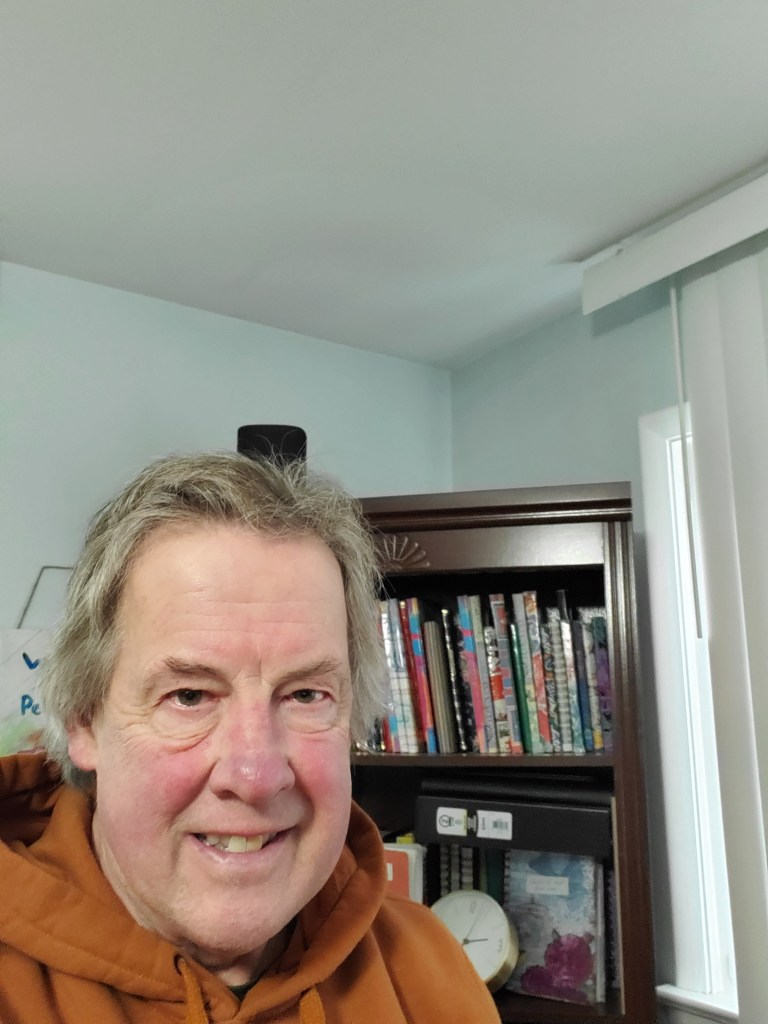
A1. Hi. My name is David Bastian Marshall. My full name is my pen name since there are quite a few David Marshalls in the world. Bastian is my mother’s maiden name, so that portion of my name holds significance with my life.
Words and names are significant; I enjoy wordplay which is evident with the title and contents of Earth to God: This is not a religious book, yet the story plays with the concepts of Creation.
I have practiced writing for forty years. I call my writing ‘practice’ because I began journaling when my wife and I welcomed our first child into this world. One hundred and sixty journals later, I am not able to stop my addiction with exploring life and commenting on my discoveries.
I am an engineer by trade as well as a programmer. You’ll find evidence of those professions in my written works. My engineering career commenced in Mid-state New York, so The Finger Lake Region is significant as the setting for the Earth to God trilogy since it is a beautiful place to live and visit.
Q2. What were the key challenges you faced while writing your book “Earth to God: In The Beginning”?
A2. My key challenge with writing Earth to God was to trim the information that was bombarding my mind. That is why I split it into three books. And I still have much more to write. I intend to have at least one more book that follows the storyline of Earth to God. I intend to practice other genres soon.
Q3. What books or authors have most influenced your own writing?
A3. I think Jodi Picoult has been a big influence. She touches upon subject matter that stretches one’s mind and asks us to consider alternative meaning and reasons for what happens in the life of her characters. There are others who have influenced me, such as John Medina and his books about our brains; he makes the brain sound intriguing. I have read many books by many authors – fiction and nonfiction; the ones which stretch our minds to consider the functional potential of our lives and mind are the ones that wow me the most. I am not a big fan of fantasy and mystique that violate Science and the Laws of Nature.
The Christian Bible is a big influence too. As an engineer, I ponder how certain scenarios in The Bible are possible in our lives. Many authors contributed to The Bible, so there are multiple points of view about Creation and how Our Creator continues to participate in the operation of Earth and the universe.
I take liberties with my characters’ perspectives about life and this existence. I introduce Man’s responsibilities for Intelligent Operation of Earth and the Science that binds Earth with Our Creator – both of which are important as we investigate and manage the health of Earth.
Q4. What’s your favorite spot to visit in your own country? And what makes it so special to you?
A4. I love The Finger Lakes; that is the setting for most of Earth To God. I lived near that area for five years. My wife and I fell in love with the wineries. We try to visit that area once a year. The scenery is spectacular and the bike riding is exceptional.
Q5. What inspired you to write the book ‘Earth to God: In The Beginning’?
A5. Earth to God is an epiphany that has sparked through my mind for several years. Once I had time to nurture the sparks, the plots and concepts exploded onto paper – nearly writing themselves. And the flames continue to flair as I finish this trilogy and begin my next projects.
Q6. How long did it take you to write your book ‘Earth to God: In The Beginning’?
A6. Once I began writing full time, it took me around six months to write the first draft of Earth to God: In the Beginning”. It took me another four months to edit it and massage it into something that I felt was adequately written. It was my first book, so I spent considerable time editing it.
Q7. On what platforms can readers buy your books?
A7. I self published with Writer’s Republic. It is also available from Amazon and Barnes & Noble.
Q8. Tell us about the process of coming up with the book cover and the title ‘Earth to God: In The Beginning’?
A8. I wanted something plain and candid for the book cover of Earth to God: In the Beginning. The Black and White cover is symbolic of simplicity and sincerity.
The title Earth to God is a play with words that has dual meaning. “In the Beginning” also has dual meaning since it is the first book of the trilogy and it introduces concepts about Creation.
Q9. When writing a book how do you keep things fresh, for both your readers and also yourself?
A9. The topic for Earth to God is nouvelle. Once I had the subject matter, I researched the topic to see if anyone else presented the topic the same way that I did. Then, inspiration took me on the ride of my life. I still enjoy reading the books. If no one else understands or appreciates the concepts, at least I do.
This book has been important to me due to the content and topics. I am not sure whether this book appeals to a large audience because the concepts are technical; the concepts are fresh, but maybe not easy for everyone to understand. I tried to use multiple intellects for my characters. As they interact with each other they provide multiple perspectives of the technical concepts that are incorporated in the books. I hope the reader can identify with one or more of the characters.
I will do more market research before I write my next books. I have many topics to exploit and my journals contain 40 years of notes that are still fresh ideas. I want to write original material that an AI writing system most probably could not author.
Q10. What is the most valuable piece of advice you’ve been given about writing?
A10. Write. It is important to write as often as possible. Get the information on paper (or on your computer) as it flows from your mind. Then edit it. I heard that it is common to reduce the final version of one’s book by a third. That has been the case for my books.
Then publish. Don’t wait until the book is perfect. After all, life is not perfect. There is always something that we could have added into our books. Of course, correct all of the typos before publishing.
Then, if you want to sell your book, figure out a marketing plan and implement the plan.
Q1. Hello, can you please introduce yourself? Readers would love to know more about you.
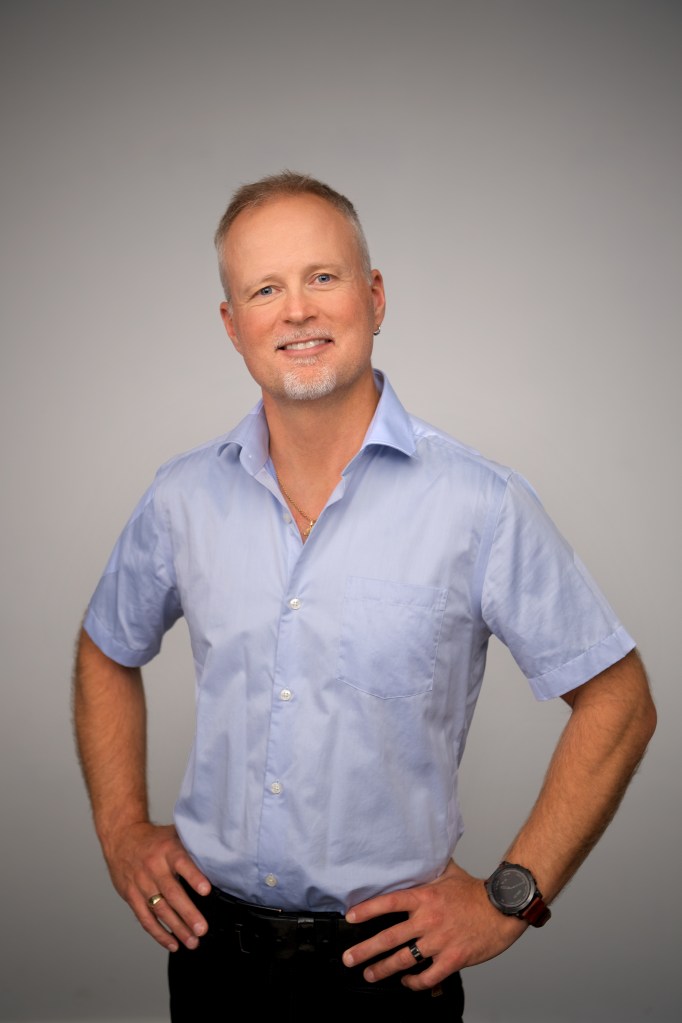
A1. I am a Norwegian medical doctor, living in Oslo with wife and two teenagers. I have worked 25 years as a general practitioner and have examined 50000 unique patients. I am also a photographer and make several documentaries for TV. I travel a lot and try to make the most out of my life, and share this knowledge with others.
Q2. What were the key challenges you faced while writing your book “The Pulse Cure”?
A2. The big challenge is of course the writing process in itself. I started writing 10 years ago and although I this is my fourth book it is still not accustomed to it. Making complex and advanced information such as medical knowledge accessible and interesting for the general public is a really hard process. And the concept of using wearables to track heart rate variability is also a new and foreign concept for most people, including medical professionals.
Q3. What books or authors have most influenced your own writing?
A3. That would be so many. I have read approximately 500 books in the last decade, around 10x the curriculum in medical school. Why We Sleep/ Matthew Walker is essential, likewise Brain Energy/ Chris Palmer, Inflamed Mind/Edward Bullmore and Cured/Jeffrey Rediger, to mention just some new and revolutionary books that people interested in health topics should read.
Q4. What’s your favourite spot to visit in your own country? And what makes it so special to you?
A4. I love traveling and working north of the arctic circle. The remoteness and rough nature, weather and people is so exciting. It is as exotic and adventurous as any of the other 80 countries I have visited.
Q5. What inspired you to write the book ‘The Pulse Cure’?
A5. I was appoached by the publisher, Norways largest, as they became aware of my interest in tracking the heart rate to measure the stress balance. I was initially just interested in improving my own health. My father died of cancer at 73 and I could see how sad he was to not be able to see his grandchildren grow up. I wanted to avoid this destiny and optimize or rather normalize my own health. But of course I wanted to share this also to my readers.
Q6. How long did it take you to write your book ‘The Pulse Cure’?
A6. The gathering of information took four years and the writing process itself one year. So a lot of work!
Q7. On what platforms can readers buy your books?
A7. They can be bought from any bookstore, but they may not have it in stock. Of course in all online bookstores.
Q8. Tell us about the process of coming up with the book cover and the title ‘The Pulse Cure’?
A8. The book cover was Quercus, the UK publishers idea, I did not have any influence on that. I no longer remember how I found the title. It just seemed natural.
Q9. When writing a book how do you keep things fresh, for both your readers and also yourself?
A9. I read constantly, and I take notes to really glue the words into my brain. A writer must read the best books to produce valuable work.
Q10. What is the most valuable piece of advice you’ve been given about writing?
A10. Those come from Julia Cameron, The Artist’s Way, a must read for any creative person; you become a writer through writing. Just start and the words will come.
Please introduce yourself so that the readers will get to know you better.
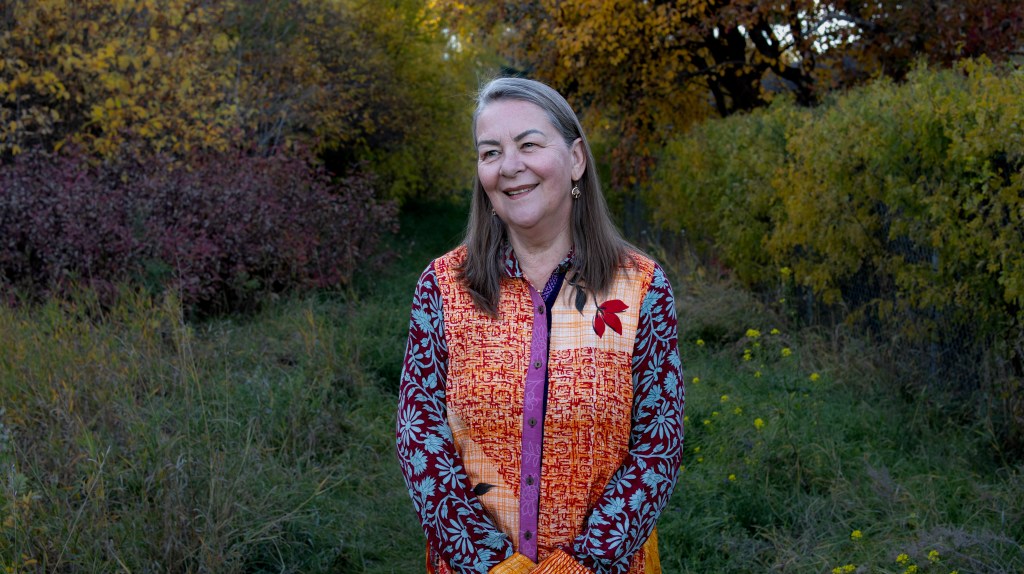
A1. I am Moriah Sam. I am a wife and mother of three children. Besides writing, I enjoy trying out new recipes in the kitchen, spending time with family, and enjoying the outdoors.
What is your inspiration behind your book “The Little Curry Leaf Tree”?
A2. My husband’s family immigrated from India to the United States of America. Since joining the family, I have enjoyed learning about the culture of India. I wanted to write a book that would highlight the rich culture and the wonderful closeness shared by the family.
When did you realize you want to be an author?
A3. When I was pregnant with my first child, I wanted to write books for my children that would teach them valuable lessons about family and the world around them.
Please tell us something about your book “The Little Curry Leaf Tree”?
A4. “The Little Curry Leaf Tree” is a heartwarming children’s book celebrating an old couple’s love for their distant family and the power of compassion to positively impact the lives of others facing a sad or difficult time. When the plants in Appachan and Ammachi’s garden notice that they are sad and missing their children and grandchildren, they do what they can to make their caretakers happy again.
For which age group is your book “The Little Curry Leaf Tree” suitable for?
A5. Young eager readers from Preschool to Early Elementary
What is your favorite Quote?
A6. My favorite quote from my new book is “Even though the weather was cheery, the little curry leaf tree noticed that Appachan and Ammachi were both downcast and solemn”, It shows children that we should be aware of others and how they are feeling. Caring and trying to cheer up our family and friends is a wonderful value I hope to inspire.
What do you like the most about your country?
A7 I am very thankful to live in the United States of America. I have opportunities and freedoms that I wouldn’t have anywhere else.
What suggestion do you want to give to parents of little readers regarding a reading habit?
A8. Choose books of varying subjects for your kids to inspire a desire to learn and have a wonderful imagination.
What does literary success look like to you?
A9. I want to see my book being enjoyed by many families around the world.
Lastly, who is your inspiration in life and why?
A10. My husband and children are a huge inspiration to me in my writing. They encourage me and support me in every aspect of my writing process. My children are my biggest fans of my book.
Q1. Hello, can you please introduce yourself? Readers would love to know more about you.
A1. James A. Johnson, retired civil service employee. A former financial regulator for the National Credit Union Administration. I live in Tuscaloosa, Alabama with his wife Beatrice. Business graduate of the University of Alabama. I was born in Berry, Alabama. My writing was spiritually inspired. I didn’t grow up planning to be an author. It was a talent God put in me, then directed me to share my stories with the world.
Q2. What were the key challenges you faced while writing your book “An American Abduction”?
A2. Just getting started with the book. I wasn’t sure I wanted to write again after writing three books over a decade ago. It took almost a year to get started after continued prompting from God.
Q3. What books or authors have most influenced your own writing?
A3. Mainly John Grisham, Tom Clancy, and Robert Ludlum related books. But I believe I have my own style of twists, turns, and mystery.
Q4. What’s your favourite spot to visit in your own country? And what makes it so special to you?
A4. I live in the southern United States, but I like visiting the west. I love New Mexico, Utah, and Montana because of the mountains, valleys, and openness. New Mexico inspired me to write An American Abduction in that setting.
Q5. What inspired you to write the book ‘An American Abduction’?
A5. God inspired me. In 2020 God told me to write a book about alien abductions. That confused me at first. I later realized He wanted me to write a book that would reach a wider range of readers than just those who read only religious books.
Q6. How long did it take you to write your book ‘An American Abduction’?
A6. It took about a year because I kept putting it off until I realized I needed to write the book. The book has many plots and subplots. Some of those plots or situations would take weeks to work out.
Q7. On what platforms can readers buy your books?
A7. Many, including Amazon, Barnes and Noble, and Books A Million.
Q8. Tell us about the process of coming up with the book cover and the title ‘An American Abduction’?
A8. That was hard because God didn’t tell me what to title the book. When I started thinking that how the stories would revolve around the United States and its standing in the world, I settled on An American Abduction. When my publisher asked for input on the cover, I first said I have no idea because the book covers so many things. We finally settled on the current cover, which has been a big hit with people who have seen it.
Q9. When writing a book how do you keep things fresh, for both your readers and also yourself?
A9. An American Abduction, and my future books, always have plots and subplots. I never settle on just one thing. That’s my way to keep the book from being boring. When I’m writing and start thinking the book is going into too much detail that may not be interesting or relevant, I spend some time thinking what else I can add to keep the reader wanting to turn the pages. I believe that is the hallmark of my books. An American Abduction is about alien abductions, kidnappings, secret government programs, international espionage, spying, and religious beliefs. The book ranges from mind control programs, to reverse engineering alien technology, to Christmas celebrations, to Christian sermons, to double agents, and so on.
Q10. What is the most valuable piece of advice you’ve been given about writing?
A10. Show but don’t tell. I keep a lot for the end of my books.
Q1. Hello, can you please introduce yourself? Readers would love to know more about you.
A1. In my life, I am a doting grandma to Emilia, Isla and Audrey and this book was written for them. In my work I am a teacher and one of the world’s foremost experts in metaphysical energy.
Back in 1990 my husband John and I made the heart-wrenching decision to leave our family and home in South Africa and emigrate to Canada. Our boys, Joel and Adam were six and four at the time. We followed the life truth that we couldn’t look back and threw ourselves into Canadian life with vigour. Being an immigrant is a unique experience with its own challenges and heartaches, as well as its daily victories. Through all the years of loneliness and being away from family, we kept our eye on the prize, which was giving our sons a safe and nurturing environment to grow up in.
This book brings to life and introduces a little part of South Africa to my granddaughters. This is our family heritage. Their fathers are 5th generation Africans and these girls have a little of the African bush that resides in their psyche.
Q2. What were the key challenges you faced while writing your book “The Curious Cousins and the African Elephant Expedition”?
A2. The hardest part was choosing what to keep in the book, and what to save for the next one. I have now completed the manuscript for the second book in the series “The Curious Cousins and the African Unicorn Expedition” and this will be launched this year.
Q3. What books or authors have most influenced your own writing?
A3. I am the author of more than 20 spiritual books. My favourite children’s book authors are Roberts Munsch and Dr. Seuss.
Q4. What’s your favourite spot to visit in your own country? And what makes it so special to you?
A4. I feel that I do live in paradise, on the prairies in Western Canada, within an hours drive from the Canadian Rocky Mountains. Home is my favourite spot.
Q5. What inspired you to write the book ‘The Curious Cousins and the African Elephant Expedition’?
A5. Two things, I wanted to introduce some of the principels of being a spiritual person to my girls, in a fun fictional setting. Things like dreaming, intentions, collaborating, connecting to the plants, animals and each other. I also wanted to remind these little Canadian girls that Africa is a big part of their heritage and who they are.
Q6. How long did it take you to write your book ‘The Curious Cousins and the African Elephant Expedition’?
A6. As with all of my books, both spiritual and children’s, once I get the idea, and get writing – it flows out easily and quickly. This book The Curious Cousins and the African Elephant Expedition took about 2 months to complete the manuscript.
Q7. On what platforms can readers buy your books?
A7. Amazon and Ingram Spark for the printed and ebooks. Amazon ACX and most other places where you get your podcasts, for the audiobook.
Q8. Tell us about the process of coming up with the book cover and the title ‘The Curious Cousins and the African Elephant Expedition’?
A8. This book is about Emilia Rose, Isla Mae and Audrey Jane making a trip to the African bush in their dreams, to learn more about the animals. They are three cousins, who are inherently curious and the elephant was the target of their expedition.
Q9. When writing a book how do you keep things fresh, for both your readers and also yourself?
A9. I allow myself to dream, to go wild, to write, write, write. Only in my re-read, do I allow myself to do any correcting and editing. I keep a notebook next to my bed for my overnight inspirations.
Q10. What is the most valuable piece of advice you’ve been given about writing?
A10. Don’t edit too early on in the process. Stay centred, its your idea, go with it.
Q1. Hello, can you please introduce yourself? Readers would love to know more about you.
A1. Steven Radich here from New Zealand { A land down under}. Kiwi boyo, catholic interests, retired high school teacher, father of two sons with three grandchildren currently residing on Earth. Published four times, current effort out of Austin Macauley in London is a Sci Fi epic entitled “Letters From Another Galaxy.” Apart from waiting for the mail, I have been known to breathe, cook, clean my teeth, pass wind, eat, listen to Nordic Jazz, make things out of wood, grow fruit and veggies, dote on my grandchildren, dote on my wife, go fishing, offend everyone with my outlandish views, meditate, hang out with mates.
Q2. What were the key challenges you faced while writing your book “Letters from Another Galaxy”?
A2. Being deliberately written from different points of view, the challenge was to stay true to each POV. I attempted this by using a different colour for each POV. I had tried distinctive fonts and asked if the publishers could use either, but received a negative reply.
Q3. What books or authors have most influenced your own writing?
A3. I loved the writing of the US “Beat Generation.” I’ve always been intrigued by writers who break the rules of grammar and construction and manage to get away with it. If I recall correctly, Jack Kerouac never used full-stops, and William Burroughs actually tried cutting and pasting as a technique. More recently, I was astonished by Annie Proulx of “Shipping News” who can write a novel in a sentence. Writing for magazines and newspapers habituated me to write in information dense, short, sharp bursts.
Q4. What’s your favourite spot to visit in your own country? And what makes it so special to you?
A4. From the olive green tidal estuary that bounded the farm on which I was raised, to the opalescent blue of the South Pacific Ocean on/in which I regularly play, I’m totally enamoured of the all facets of the marine world. With relatives who served in a naval capacity during WW2 and a maternal family where boating and fishing were their main recreational pursuits, perhaps it should come as no surprise. For our indigenous Maori culture, the place that we most feel at home is called our “Turangawaewae”. The ocean is such a place for me. My first published venture was a Guide to Fishing, Boating and Diving in the Bay of Islands, my second, a trans-Tasman murder mystery entitled The Water Treatment. The guide is out of print while the murder mystery remains available on Amazon. Surprise, surprise!
Q5. What inspired you to write the book ‘Letters from Another Galaxy’?
A5. Producing a SciFi work was on my radar when the Covid lockdown arrived to supply time in abundance. The work is significantly inspired by an enduring interest in the the phenomenon of colonisation – the underlying theme of the novel. I was also regularly offended by the default portrayal of aliens as mindless, demonic, incomprehensible vectors of chaos and carnage. So a story of the colonisation of Earth by rational aliens was born. In the interests of fairness, writing from the points of views of each of the major protagonists seemed apt. I enjoy the irony that it took a virus to bring this work of the imagination to life.
Q6. How long did it take you to write your book ‘Letters from Another Galaxy’?
A6. Aiming to write a thousand words per day, the length of the lock down in NZ saw the bulk of the writing complete.
Q7. On what platforms can readers buy your books?
A7. It’s widely available. Might I suggest that interested parties Google the title or the name of the author and see where they can get the best deal. It can also be ordered via your local library if that’s a readers preference, or why not try your local bookshop. It’s available in both ebook and kindle formats was well as a standard printed book with soft cover and hard back options. An audio book version is imminent.
Q8. Tell us about the process of coming up with the book cover and the title ‘Letters from Another Galaxy’?
A8. The title is an imaginative reflection of the narrative. The cover image was supplied by the publishers. I so liked the way the transmission of data was represented on a sci fi TV film “Travellers” that I prevailed on the publishers to include a similar data flow to depict the idea of information being transmitted from beyond the stars.
Q9. When writing a book how do you keep things fresh, for both your readers and also yourself?
A9. The rare opportunity the lock-down provided to just write and write meant that recovering characters and elements of the plot was quite manageable. The use of coloured fonts for each POV was a key aid in this regard. I also kept the narrative fresh by writing from the points of views of each of the major protagonists. At each sitting, I’d review/correct the previous chapter in prep for writing the next and I didn’t stop until it was complete. I also write short bites/chapters which keeps the brain sharp and hopefully, is an aid for the busy modern reader. As part of my review process, I had a diligent reader/critique in my wife, a student of the English language in her own right. I also used MSFT Word to read my text back to me.
Q10. What is the most valuable piece of advice you’ve been given about writing?
A10. A good editor is a critical player in the production of any piece of literature. I employed such an editor before presenting my work to likely publishers.
Q1. Hello, can you please introduce yourself? Readers would love to know more about you.
A1. I am newly published author that was born and raised in a suburb near Chicago. I moved to Northern California in my twenties to get away from the bone-chilling, spine-cracking winters. My full-time job is in Information Technology, but would love to transition someday to full-time writing. I love taking all the ideas swirling around in my mind and putting them on paper in interesting scenarios, while developing relatable characters. My goal is to provide entertainment to the reader that will take their imagination to places they probably wouldn’t ever experience in their real lives but might dream of.
Q2. What were the key challenges you faced while writing your book “The Phantom Firefighter”?
A2. Being my first published book, I had to do a lot of re-writing. After getting some advice from an editor that reviewed it, I made a lot of changes. I also had to research the styles of writing that sell books. This isn’t just a story you are putting in your journal or handing in for grading. It has to have a professional look and feel. I looked at several successful authors to help me arrive at my particular style.
Q3. What books or authors have most influenced your own writing?
A3. I typically will read the same type of books that I am currently writing. For example, when writing this tween/teen fantasy series, I read the same type of books in the same genre and age group. It helps keep me in the mindset of that genre as I write. I think it’s similar to when you go see a professional sporting event live, it’s much different than just watching it on a small TV in front of you. If your environment is screaming the energy of what you are doing all around you, your thoughts are more focused on that event.
Q4. What’s your favourite spot to visit in your own country? And what makes it so special to you?
A4. My wife and I love warm weather and beaches, so any place with a great beach town, we want to visit. The massiveness of the ocean puts a new perspective on the minor things that might challenge us in life. Not to mention, the wave sounds are soothing, especially under some radiant sun rays. We love San Diego and many of the beaches in Florida.
Q5. What inspired you to write the book ‘The Phantom Enforcer’?
A5. The First Responder series is a small tribute to the men and women that put their lives on the line almost every day. I wanted to encourage our adolescents to understand their challenges more but also potentially find interest in pursuing these rewarding careers. We never seem to have enough of these service superheroes. The second book, The Phantom Enforcer, is a tribute to the police, whereas the first book was to firefighters.
Q6. How long did it take you to write your book ‘The Phantom Firefighter’?
A6. As I stated earlier, I had to do quite a bunch of rewriting so the first book took me about six months to write. The second was a little shorter since I had the series setup, but I was also distracted on the second one with learning the marketing, selling, editing, publishing and advertising aspects of the book business.
Q7. On what platforms can readers buy your books?
A7. My books are available on Amazon in e-book and paperback formats. E-book formats are exclusive to Amazon. My first book is also available via Barnes & Noble. I will be coming out with some hardcover versions this spring as I am considering refreshing the book covers. Schools, bookstores, libraries, etc. can get my book via Ingram Spark distribution channels, but only the first book right now. Second book in early Spring.
Q8. Tell us about the process of coming up with the book cover and the title ‘The Phantom Enforcer’?
A8. I like the cover art to tell a part of the story. For the title, hopefully readers will agree, “Enforcer” sounds much cooler than The Phantom Police 🙂. The police officer in “The Phantom Enforcer” is a second-year Latina woman assigned to the 7th District of the Chicago Police Department. You can see an iconic Chicago building on the book cover as well.
Q9. When writing a book how do you keep things fresh, for both your readers and also yourself?
A9. When I exercise, I think about ideas for my book and many times will write those ideas down in online notes on my phone. This way I won’t forget the idea and it helps keep the idea active until I write about it. I also do this with research online. I will add something I want to write about as a link in a research folder. I also try to imagine reading the book as a 3rd-person. What would excite a reader or keep them reading? What twist can I add to keep the reader guessing what will happen next?
Q10. What is the most valuable piece of advice you’ve been given about writing?
A10. Patience and consistency. Many people wonder how I can write books with a full-time demanding job but it’s like anything in life you love. If you nurture it, just a little, each day, you will be surprised how months later something wonderful will come out of your small amounts of hard work. As an unknown writer, you have to be patient with the process to build your audience, write books that will appeal to people, and eventually over time hopefully an author can build a solid foundation and following.
Please introduce yourself so that the readers will get to know you better.
A1. My Name is Amber Berkowitz. I am an inspired screenwriter and children’s book author dedicated to keeping wonderment and imagination alive for all to enjoy. I was born in Kansas and have lived coast to coast. I was inspired to begin writing in 2018. I am passionate about writing books that help unlock the imagination and embrace the magic of childhood memories. Ladybug Kisses – Besos De Mariquita is my first children’s book. I am located in Las Vegas. I am most proud to be married to my amazing husband Dave who is also a very talented writer, and blessed to be a bonus mom to my talented step-daughter Emma.
What is the inspiration behind your book “Gigglet The Happy Little Piglet Goes to School”?
A2. It’s all about the thought of spreading love, joy and giggles to both children and adults alike through the adventures of Gigglet the happiest little piglet in all the land.
When did you realize you want to be an author?
A3. I always made up stories whether it was telling my little sister fairy tales at bedtime when we were kids, or imagining fun things to do and places to go as an adult. It was only recently that I started capturing these stories and bringing characters to life on paper. This is a creative outlet for me in which I truly have passion.
Please tell us something about your book “Gigglet The Happy Little Piglet Goes to School”?
A4. Every page in this book has an outpouring of love and has a very personal piece about who I am as a person. I can’t give all of my secrets away, but I will share one… In every Gigglet book there is an introduction spread with Gigglet standing on the farmyard wooden fence, directly behind Gigglet carved in the big oak tree are the initials of me and my husband. It is my little way of letting him know that I love him and our incredible adventure together (wherever that may take us)!
For which age group is your book “Gigglet The Happy Little Piglet Goes to School” suitable for?
A5. 0-99 years of age, everyone needs a little Gigglet in their life! 😁
What is your favorite Quote?
A6. “Gigglet my happy little piglet, I love the end of every day” I like this quote because it is the perfect loving affirmation for a child just before they drift off to sleep. It’s Mama’s way of wishing Gigglet “sweet dreams”
What do you like the most about your country?
A7 From an author’s point of view, I love that our country has a focus on children’s literacy. There are numerous programs available to serve our communities.I feel very fortunate to be able to pursue this passion.
From the point of view of a lover of fun, food and entertainment; is there any place better than sunny Las Vegas?! 😁🌞
What suggestion do you want to give to parents of little readers regarding a reading habit?
A8. I truly believe that reading sparks the imagination and inspires children to create their own stories.Get creative with the way you read stories to your little ones (use funny voices, play with the pitch and pace of your voice and words, have them repeat words with you, dress up like the characters). When you see the spark in your child’s eyes, you will know you have captured their attention.
What does literary success look like to you?
A9. I would love to get to a place where I can spread the love for Gigglet by donating her books to various children’s charities and children’s literacy programs.
Lastly, who is your inspiration in life and why?
A10. I feel truly blessed and fortunate to have met the love of my life who inspires me every day with his love and kindness towards me and others. Unconditional love from your family members is something I have always been blessed to have, but when you meet someone and are shown unconditional love from a perfect stranger then that’s something beyond words and beyond description. I would say that my Dave lives his life by three simple rules: 1.) Always be kind to others, 2.) Leave every situation in better shape than you found it, 3.) “For the LOVE of all that is good in this world, REPLACE THE TOILET PAPER WHEN IT RUNS OUT!” 😂🤣
Buy Gigglet The Happy Little Piglet Goes to School on Amazon
Q1. Hello, can you please introduce yourself? Readers would love to know more about you.
A1. I am a former chief medical examiner having worked in the business of forensic pathology for 25 years and performed thousands of autopsies. In retirement, I speak, write, and teach about my experiences.
Q2. What were the key challenges you faced while writing your book “Here, Where Death Delights”?
A2. Throughout my career, I learned to speak for the dead. The major challenge of writing my book was allowing the dead to speak for me.
Q3. What books or authors have most influenced your own writing?
A3. Authors who have influenced me the most are Stephen King, Patricia Cornwell, and JK Rowling, great storytellers.
Q4. What’s your favourite spot to visit in your own country? And what makes it so special to you?
A4. Cape Cod is one of my favorite US destinations. Having travelled there with family for most of the summers when my boys were growing up, it remains close to my heart.
Q5. What inspired you to write the book ‘Here, Where Death Delights’?
A5. The inspiration for my book came from trying to put into words the ghosts that dwelt in my mind.
Q6. How long did it take you to write your book ‘Here, Where Death Delights’?
A6. All my life but the hard work of it took 5 years.
Q7. On what platforms can readers buy your books?
A7. Readers can buy my book on Amazon, Barnes & Noble online, and wherever ebooks are sold.
Q8. Tell us about the process of coming up with the book cover and the title ‘Here, Where Death Delights’?
A8. The cover design was done by Joshua Jumbles, an illustrator and digital artist, who read the book and completely captured its emotion.
Q9. When writing a book how do you keep things fresh, for both your readers and also yourself?
A9. The key to creative nonfiction is to tell a story that is as good as any fictional narrative would be.
Q10. What is the most valuable piece of advice you’ve been given about writing?
A10. Keep editing/polishing your work until it shines.
Q1. Hello, can you please introduce yourself? Readers would love to know more about you.
I’m David Gliniewicz, and this marks my first venture into the realm of writing. The desire to get down my thoughts has been with me for quite some time, fueled by an innate sense of writing talent that I’ve always felt. Despite this, I struggled with the confidence to embark on such a significant undertaking, especially one as substantial as a memoir. Before venturing fourth into writing, my professional journey unfolded through diverse roles in radiology, where I conducted X-rays and CT scans. I also delved into the field of construction for almost 10 years, undertaking various jobs that added breadth to my experiences. Additionally, I dedicated a portion of my career to an unconventional school caring for disabled children. Beyond my professional gigs, I wear the hat of a musician, harbor a profound love for computers and technology, and possess a deep lifelong interest in the realms of spirituality and the paranormal. Growing up as the son of an engineer, especially one who contributed to the Apollo missions, held immense significance for me. My father, Allen, embodied the essence of a Renaissance man, a trait I delve into extensively in the memoir. Witnessing him navigate through various domains, surmounting obstacles with a determination to do whatever was necessary, left a profound impact on me.
My admiration for my dad’s versatility, reminiscent of Da Vinci’s diverse pursuits, runs deep. Over my lifetime, his influence has shaped me into what I consider to be a Renaissance man as well. This perspective has manifested in the diversity of my career and my willingness to venture into any territory. It’s a quality I cherish about myself – the ability to intricately connect seemingly unrelated elements. I find joy in weaving together threads that, at first glance, may appear foreign, only to reveal an unexpected bond and at once they are then seen as intertwined. I also enjoy shocking people a bit with my inner diversity. As an illustration, during a visit with my stepdaughter, who my wife and I were both spending time with, she inquired about the music I played back in high school when I was in bands.
“Metal!” I enthusiastically responded.
In response, she made one of those gestures where the head slightly pulls back, and the chin tucks down—a classic expression of incredulity. I relish provoking such reactions in people; “Climbing the Glass Mountain” has perhaps a few instances like this, and I aim to create more.
If you glance at my picture, I don’t exactly fit the stereotype of a metalhead. Nonetheless, I was a fan of Motorhead and even managed to get Lemmy’s autograph at one point, despite him mistakenly writing the wrong name in the dedication.
Q2. What were the key challenges you faced while writing your book “Climbing the Glass Mountain”?
Challenges faced in writing the book were mostly technological. My father Allen lives on the East Coast and I’m more than 2000 miles away on the West Coast. And due to my father’s advanced age, he’s 88 now; coordinating with technological devices even in the hands of an engineer can be quite a challenge so we ended up having most of our conversations over face time because my dad’s cell service was so bad. It never seemed to work for any length of time, if my dad moved his arm the wrong way, the call would get dropped.
There were many iterations of devices in which we tried to give my dad the ability to record his voice but most of them were just too complicated for someone whose sight is not that great to be able to use.
And I wanted to give my dad his voice in the book as strongly as possible throughout the memoir. I didn’t want Allen’s voice to be filtered through my awareness so much. And although I do provide commentary in the book, I wanted my dad’s voice to be separate from mine. I think there’s a sort of unique vibration to each of us, and if we pay attention and receive that unique vibration then we truly heard, felt, and understood that person. I wanted others to be able to experience that kind of understanding with my dad, as I do.
Q3. What books or authors have most influenced your own writing?
I had visual anomalies in my eyes for most of my younger life, so I avoided reading for the longest time and then after puberty my body changed, and these went away. I wanted to read, but I just couldn’t keep my eyes focused on the lines of the page. So, it was in high school that I really became interested in reading and writing, and I was drawn to a book by Stephen King “The Stand”. In his storytelling, which is so powerful, especially to me as a young guy, and the familiar sort of informal structure of his dialogue, it spoke to me with little effort it was a direct download to me. King’s yarns were also so beautifully structured, and they pulled me into his superb worlds. “The Stand” opened a completely new world for me.
While reading “The Stand,” another notable experience occurred in the breezeway of my high school. A teacher spotted me engrossed in the book, sparking a conversation that underscored for me the power of books to connect people—an element I deeply craved at that point in my life. This realization reshaped my perspective on books, viewing them as a means to bridge gaps with others.
This connection through literature became even more apparent when one of my first girlfriends introduced me to John Irving’s “The Cider House Rules.” As a young high school guy, her mention of an unusually explicit section in the book piqued my curiosity completely as a young man brewing with hormones, leading me to explore that aspect.
Spoiler Alert: True to her words, the book did have the expected provocative content.
Later, someone with whom I was in a relationship introduced me to Milan Kundera, and the first book I delved into was “Immortality.” Describing the impact of this book almost defies words, given its profound philosophical underpinnings, spiritual facets, comedic elements, and its remarkable influence in literature.
Q4. What’s your favourite spot to visit in your own country? And what makes it so special to you?
Valley Forge Park, near King of Prussia, Pennsylvania, where my family and I grew up, holds a special place in my heart. I’ve visited it countless times throughout my life, each time in different contexts. It’s been a sanctuary where I’ve sought solace, a casual hangout with friends, a place to reach out for love, and an environment to enjoy in the company of a significant other. One memorable experience was a Huckleberry Finn moment on the Schuylkill River, which runs through part of the park. A friend named Stuart and I had constructed a raft for a raft race that had been organized by a local radio station in Philadelphia the previous year. Unaware of the chaos and pollution caused by the previous event, we eagerly brought out our raft from my dad’s car, only to find it sinking shortly after entering the river. Little did we know that the previous year’s debauchery had led to the cancellation of the raft race. In a more recent visit to Valley Forge after my mom’s funeral, when I felt heartbroken and stranded in Pennsylvania after the family had dispersed, the park became a place of healing. Even after the funeral, with a day to spare, my nephew Braden and I walked through the park, talked, and found some closure after my mom’s passing.
Subsequently, I returned with my wife to share the park’s wonders with her and brought my dad along, as it held significance for him too. Valley Forge Park, with its diverse memories, has been a constant source of comfort and connection throughout my life.
Q5. What inspired you to write the book ‘Climbing the Glass Mountain’?
Observing my dad living in a care home was mostly positive, but I sensed a disconnection from others that I wanted to address, this sad condition. Having experienced that feeling of disconnection since high school, I actively sought ways to communicate more effectively and not come across as distant. I recognized that individuals like my father, an engineer, often have a way of speaking that may sound foreign to many, as a result a distance can manifest, and in the face of COVID it can be unbearable.
My sister Leah, a journalist, came up with the idea of having our dad write down his memoirs. Due to her busy schedule, she couldn’t dedicate the time needed to write a memoir herself.
Q6. How long did it take you to write your book ‘Climbing the Glass Mountain’?
The first draft took 2 to 3 months and then I polished the draft for another, probably, 2 to 3 months beyond that. I was surprised how quickly it went. My editor Eeva Lancaster gave me great courage and faith in my own abilities and some good advice, this all went such a long way to helping me get through all the hurdles in writing a first book. For me most of these hurdles were mental blocks preventing me from finishing.
Q7. On what platforms can readers buy your books?
The book is accessible on Amazon, available in both Kindle Unlimited and a paperback print version. Additionally, signed copies of my books, authored by both Allen and me, are sold on my website, davidauthor.com. An audiobook version is currently in development on the Amazon ACX platform, with ongoing auditions for voice actors.
Q8. Tell us about the process of coming up with the book cover and the title ‘Climbing the Glass Mountain’?
That’s a funny story – the dream I had for the cover turned out to be precisely what you see on it now. Initially, my first concept pitched to the artist differed; I envisioned a play on words, incorporating a stained-glass treatment of the mountain, offering the impression of viewing a stained-glass version of the cover. However, the artist wasn’t enthusiastic about this idea, feeling it clashed with the serious themes of my book. Though initially disheartened, I trusted the artist and urged them to proceed with their vision.
To my surprise, the first image of the redesigned cover they presented was essentially my initial idea, only executed even better. Reflecting on it, I suspect I may have restrained myself from pursuing my initial concept, possibly thinking I could tackle it on my own. However, I acknowledged my limited technical expertise in creating such a cover and realized that my strengths lie in describing and guiding others in the artistic process. It seems I’ve evolved into more of an art director, learning to step back from tasks where my skills might not shine as brightly.
The book’s title was my father Allen’s idea, he had heard a folklore tale on the radio of this story, it spoke to him, and he realized it held a piece of his own family’s lineage, the interest in fairytales was one in which our family’s history was also steeped. Much of my family’s history is obscured and it is frustrating for both my dad and me. We have both turned to spiritual and metaphysical means to divine our primordial roots.
The title evokes innovation, perseverance, and a spiritual connection in the face of adversity and Allen, and I greatly admire these qualities!
Q9. When writing a book how do you keep things fresh, for both your readers and also yourself?
That’s a thought-provoking question as well. Throughout the book, there were instances where my dad, being an engineer, framed his dialogue in a rigid manner. In those moments, I sensed an underlying emotion that might be suppressed by the formality of his words. So, I delved into what he might be feeling, imagining how I would express those emotions in his shoes. It’s a skill I believe I possess – the ability to connect with others, engaging in a kind of dialogue even when unspoken.
In the book, my dad shares how he has dialogues with images from his dreams through meditation, evoking dream images and engaging in conversations with them. I find a similar ability within myself, where I meditate, focus on a person, and almost channel what they might want to convey. I firmly believe that a story needs to evoke emotion or conjure vivid images to resonate with readers on an emotional level, tugging at their heartstrings.
When I initially began writing, I adopted a utilitarian, engineer-like approach, similar to my dad’s. Over time, I’ve dedicated myself to unlearning this style, seeking a more emotionally resonant and visually evocative storytelling approach.
Q10. What is the most valuable piece of advice you’ve been given about writing?
I’m someone who questions advice; I put it to the test to see if it genuinely benefits me. Many commonly suggested practices don’t resonate with me. For instance, the idea that one must write every day is often advocated by authors. Yet, in reality, we engage in writing daily through texts and emails. Sometimes, I feel the need to recharge, and when that happens, I allow myself to rest or take a nap. Surprisingly, during these moments, I find that my dreams can resolve problems and spark creativity in ways I hadn’t considered before.
I believe in embracing my dad’s advice to tap into the well of the unconscious and recognizing that what works for me might not work for everyone else. It’s about understanding ourselves and finding approaches that genuinely benefit our unique creative processes.