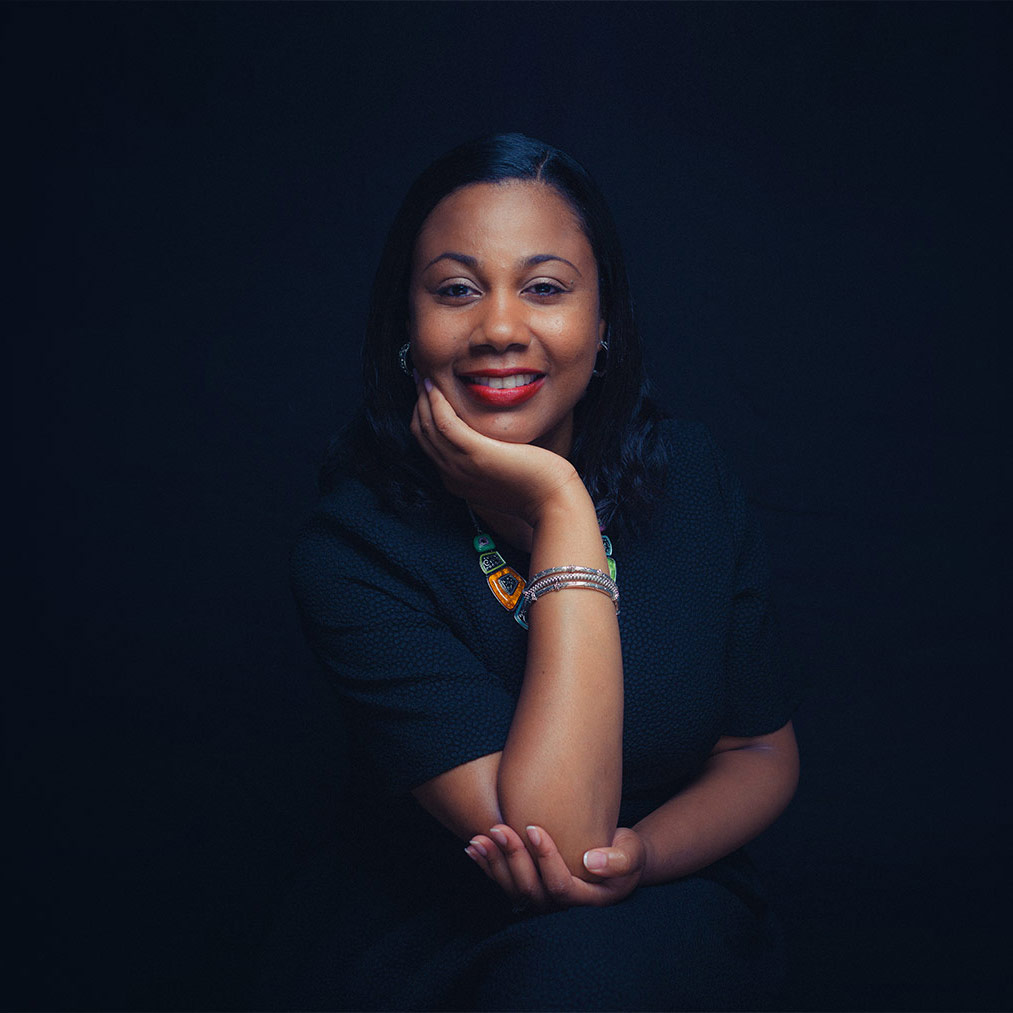
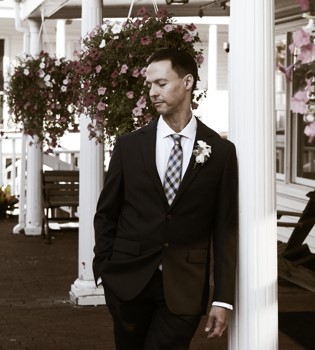
Interview with author Michael Stephen Daigle

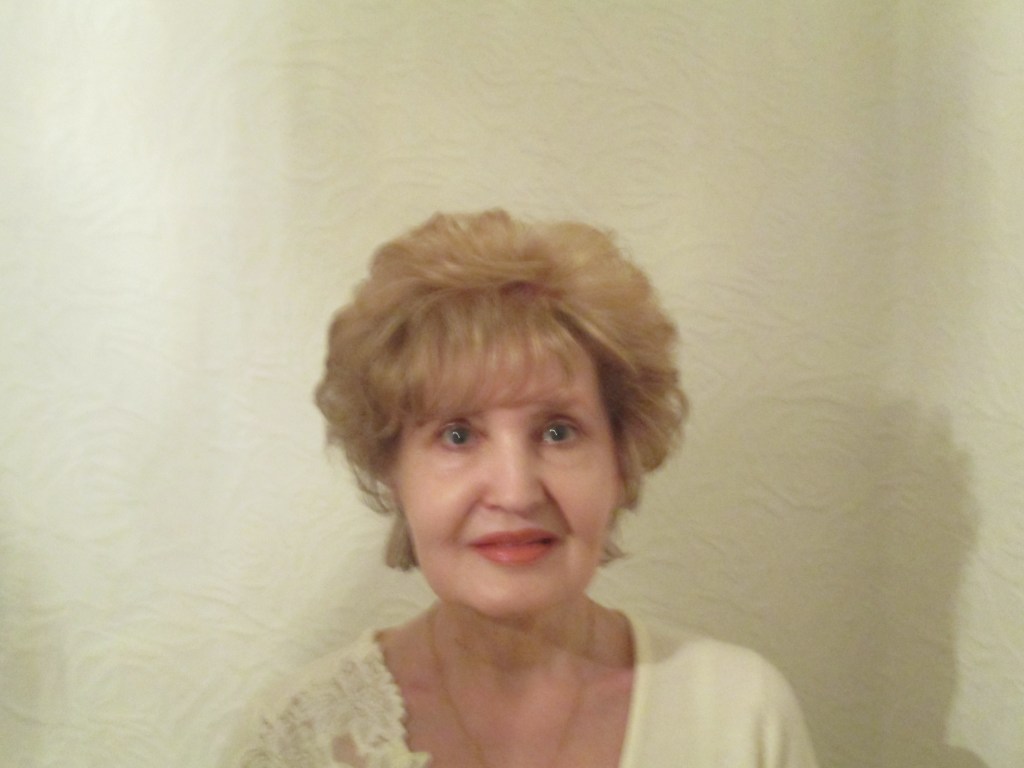
Q1. Hello, can you please introduce yourself? Readers would love to know more about you.

A1. Hello. I am Michael Stephen Daigle. I’ve lived in the Northeast U.S. in Maine, Massachusetts, New York and New Jersey. We were so-called “Navy brats,” children of Naval personnel who moved often due to the service of our father. Each of us was born in a different city. I now live in western central New Jersey. I attended a two-room school house in a small Maine village and graduated from Binghamton, (NY) University.
I was a newspaper reporter and editor for 40 years, and still freelance today.

I wrote two novels before I was 24. One became the basis for the on-going Frank Nagler Mysteries. The other was a coming-of-age story which is not as half-bad as I thought it was. It checked that one young-writer box: Writing a coming-of-age-story about myself.
I’m a story-teller, and place the stories I write in the several places I have lived.

Q2. What were the key challenges you faced while writing your book “Dragony Rising”?

A2. “Dragony Rising” is Book 5 in the Frank Nagler series. The series features one main character — Detective Frank Nagler — and one place, the city of Ironton, N.J. In this story I wanted to bring to a conclusion a long-standing conspiracy that was introduced in the first book in the series, “The Swamps of Jersey.” The challenge was to make the conspiracy fresh and compelling. That required the invention of The Dragony, a shady bunch of old cops, business owners, elected officials and other thuggish sorts, whose history traced back to the early days of Ironton, when they clashed with Frank Nagler’s grandfather.
The challenge with the story was to show the broad scope of the conflict within a fast-paced, tightly-written mystery.

Q3. What books or authors have most influenced your own writing?

A3. Too many to say. Early on, the the three Johns— John Updike, John Gardner and John Cheever — who tell rich, complex stories with ancient sources and modern insights; now Markus Zuzak, Richard Russo, Walter Mosley; any of the good modern popular history or political biographers, and Shakespeare.

Q4. What’s your favourite spot to visit in your own country? And what makes it so special to you?

A4. Maine. From the deep woods to the coast, a place of beauty, hard work and history. Seventy years of memories with friends and family. Also, it has great places to borrow for short stories, novels and other tale-telling. The challenge is to wrestle the scope of the land and people into a story form.

Q5. What inspired you to write the book ‘Dragony Rising’?

A5. I had sort of planned the book when I began the series with The Swamps of Jersey. There is a theme that runs through the stories. While they are mysteries, they are stories about the city of Ironton, its people and struggles. With Dragony Rising, I wanted to conclude the scope of this particular conspiracy so I could move on to another.

Q6. How long did it take you to write your book ‘Dragony Rising’?

A6. Probably 18 months. That’s about average. It would be quicker if I didn’t do so much news reporting, but that is addictive.

Q7. On what platforms can readers buy your books?

A7. The book is available on Amazon, Ingram Spark, Barnes & Noble and other online sites, and at the Book and Puppet in Easton, Pa.

Q8. Tell us about the process of coming up with the book cover and the title ‘Dragony Rising’?

A8. The title was easy once the Dragony showed up. It suggests the danger of the group, its underground nature and the threat to Ironton it represents .

The cover is done by Elana Daigle.
I am reissuing the Nagler series under my own name and enlisted Elana to give the cover a fresh look. She captured the suspenseful and dangerous nature of the Dragony, and its history in the city by showing the filtery dragon rising from the factory smokestacks.

Q9. When writing a book how do you keep things fresh, for both your readers and also yourself?

A9. In each of the Nagler books I chose an element of the writing story-telling process to focus upon; character development, description, setting, pace, and how to meld them into a “better” story. For Dragony Rising, I wanted to work on the pace of the story. It is a fast, loud story. For contrast I wrote one short 15-sentence chapter that changed for a moment the sound and the pace of the story. Then it roars back to life until the surprising ending.

Q10. What is the most valuable piece of advice you’ve been given about writing?

A10. Easy. And not romantic at all: Sit your butt down and write.

Michael Stephen Daigle’s book on Amazon

Interview with Dr. Laurie Mintz

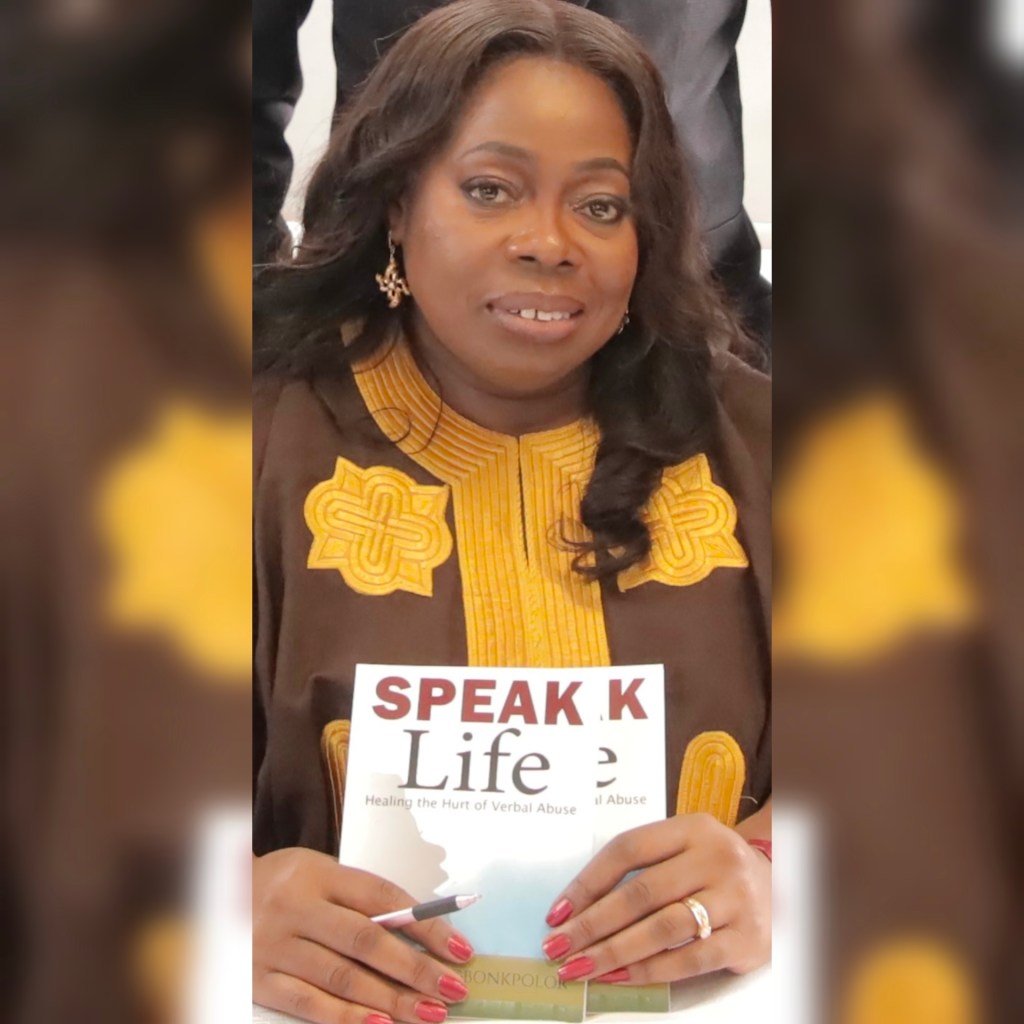
Q1. Hello, can you please introduce yourself? Readers would love to know more about you.

A1. I am an author, therapist, professor, and speaker whose life’s work has been committed to helping people live more authentic, meaningful, joyful—and sexually satisfying—lives.

As an Emeritus Professor at the University of Florida, I teach the Psychology of Human Sexuality to hundreds of undergraduate students each year. I have published over 50 research articles in academic journals and six chapters in academic books. I have received numerous professional and teaching awards. I am a Fellow of the American Psychological Association, indicating that my work has had a positive national influence on the field of psychology. In 2023, I was honored to be named one of Forbes “50 over 50” woman innovators.

I am the author of two popular press books—both written with the aim of empowering women sexually and both with published studies demonstrating that readers enhance their sexual functioning: Becoming Cliterate: Why Orgasm Equality Matters and How to Get It (HarperOne, 2017) and A Tired Woman’s Guide to Passionate Sex: Reclaim Your Desire and Reignite Your Relationship (Adams Media, 2009).

With this same goal of providing scientifically accurate, sex-positive information to enhance female pleasure, I give presentations and workshops to professionals and lay audiences, including a TEDx talk with over two million views. I maintain an active social media presence, and is often quoted in national and international media.

For over 30 years, I have also maintained a small private practice, working with both individuals and couples on general and sexual issues. One of my greatest honors is supporting clients during difficult times, as well as helping them make positive changes and reach life goals.

On a more personal level, I am a 64-year-old cisgender, heterosexual woman. I have been married to the love of my life for 39 years and have two wonderful adult daughters who I am very close with. In my non-work time, I love to spend time with family and friends, take walks in nature, and take (hot) yoga classes.

Q2. What were the key challenges you faced while writing your book “Becoming Cliterate: Why Orgasm Equality Matters–And How to Get It”?

A2. The biggest challenge (that resulted in a lot of tears being shed!) was when writing the chapter on anatomy. Even though I lecture on female anatomy in my class, when doing additional research for the chapter on anatomy, I found myself more and more uncertain. I kept discovering inconsistencies in information, even across reliable sources. These inconsistencies weren’t trivial either. They involved important parts of women’s genital anatomy. I was at the point where I really didn’t know what to do and I called my brilliant editor, she pointed out that this confusion and inconsistency was the reason for this book. She said it was a perfect illustration of our societal illcliteracy and the reason that this book needed to be written. It ended up making me even more determined and at the same time, frustrated at how behind we are in the science of women’s pleasure.

Q3. What books or authors have most influenced your own writing?

A3. I love the work of Harriet Lerner, who has written several self-help books for women, based in science and written in an authentic, caring voice. Decades ago, when I read her first book, “The Dance of Anger,” I was inspired to contribute to women’s lives thought books in this same way. She continues to write and continues to be an inspiration to me.

Q4. What’s your favourite spot to visit in your own country? And what makes it so special to you?

A4. The Eastern Sierra mountains. I love the natural beauty, including the mountains and clear mountain lakes. I love to hike to a secluded mountain lake and jump in the cold water. It’s a wonderful place to really get a way and unplug, and I have many wonderful memories there doing just that.

Q5. What inspired you to write the book ‘Becoming Cliterate: Why Orgasm Equality Matters–And How to Get It’?

A5. The students I teach in my large-enrollment Psychology of Human Sexuality class. Through teaching these students, I realized how few women students were experiencing orgasm and how many felt “broken.” I also learned how much pressure the male students felt to “give” a woman an orgasm by thrusting hard and lasting long. Importantly, I also was surprised to learn that very few of them knew about the clitoris or how essential external stimulation is for women’s orgasm. So, I started educating students on women’s genital anatomy, clitoral stimulation, and the like. I started getting notes along the lines of “Thanks to your class, I am now orgasmic” and “I used the information in class and my girlfriend had her first orgasm.” I didn’t want to keep this information to just my class, assuming if my students were struggling, so were many young people. That is why I wrote Becoming Cliterate.

Q6. How long did it take you to write your book ‘Becoming Cliterate: Why Orgasm Equality Matters–And How to Get It’?

A6. I worked on the proposal for about 5 months, and once I signed a contact for the book, I had 8 months to write it. That was almost all I did for those months!

Q7. On what platforms can readers buy your books?

A7. Anywhere books or e-books or audio books are sold (e.g., Amazon, Barnes and Noble, Indie Bookstores).

Q8. Tell us about the process of coming up with the book cover and the title ‘Becoming Cliterate: Why Orgasm Equality Matters–And How to Get It’?

A8. When I originally wrote the proposal for the book, I titled it “Closing the Orgasm Gap.” In signing a contract for the book with HarperOne, my editor said we needed a better title and suggested something with the word “clitertate” or “cliteracy” in it—words I had used in the proposal. I told her that these were not my words to use, as Ian Kerner had first used them on the back cover of his illustrious book, “She Comes First.” Hence, I contacted Ian and asked for permission and he granted it, saying “The more cliterate people in the world, the better!” In terms of the book cover, the team at HarperOne designed several and presented them to me. I chose the current one due to its combination of boldness and simplicity. I also loved the pink!

Q9. When writing a book how do you keep things fresh, for both your readers and also yourself?

A9. To stay focused and creative, even when I am stressed, tired, and under a deadline, I make sure to exercise daily (e.g., yoga, walk in nature) and get 7-8 hours of sleep. I also have several people I trust who are willing to talk ideas through with me, read drafts, and give me honest feedback.

Q10. What is the most valuable piece of advice you’ve been given about writing?

A10. One of my favorite books on writing is Anne Lamont’s, “Bird by Bird” and the essential advice in that book really works for me. That is, take it bird by bird or in other words, word by word. One word, one sentence, one paragraph at a time.

I am not sure who gave me this advice, but another piece of advice I follow is to always start a writing day by reading and editing what I wrote the day before diving into writing a new portion.

Buy Becoming Cliterate on Amazon

Interview with author Hiroki

Q1. Hello, can you please introduce yourself? Readers would love to know more about you.

A1. The details are as follows.

Best-selling Author [Sekky]
■Published total 54 ebooks on Kindle
■Best-selling over 10 ebooks
■Lecturing in 6,000 persons community
■Creating comics and movies by AI tool

Name: Hiroki
Nationality: Japan
Day of Birth: 1983.6.1
Business: Kindle Author, AI Creator, Voice Actor
Hobbies: Exercises/Forest Bathing Walking/
English Conversation/Musics/Movies/Travel/
Singing in Karaoke/Fashion/Argentine Tango etc.

I am a man who has been living in this moment to the fullest in order to build my more prosperous life with the goal of moving abroad in the near future!

Q2. What were the key challenges you faced while writing your book “Quizzes of Japanese Culture and Art of Trick Images Drawing on Midjourney prompts”?

A2. These are the key challenges I faced.
[Whether would this book be read and sold or not?]
[How do people in overseas feel about this planning?]
[What the benefits and presents should I provide them?]

Q3. What books or authors have most influenced your own writing?

A3. Especially, I don’t have them.

Q4. What’s your favourite spot to visit in your own country? And what makes it so special to you?

A4. My favourite spots to visit in Japan are below:
[Okinawa Prefecture]: The reason why the beaches are the most beautiful in Japan.
[Fukuoka Prefecture]: Because there has a lot of delicious foods and beautiful ladies.
[Kyoto Metropolitan Area]: There are traditional and impressive temples, shrines, and buildings.

Q5. What inspired you to write the book ‘Quizzes of Japanese Culture and Art of Trick Images Drawing on Midjourney prompts’?

A5. I decided to write this book when I saw a posted article in Facebook related Trick Arts by a foreigner.

At the same time, I also thought it would be enjoyable for readers to transmit our Japanese culture in Quiz format.

Q6. How long did it take you to write your book ‘Quizzes of Japanese Culture and Art of Trick Images Drawing on Midjourney prompts’?

A6. For about 2 weeks.

Q7. On what platforms can readers buy your books?

A7. Via Kindle Store, LinkedIn, and Google Search.

Q8. Tell us about the process of coming up with the book cover and the title ‘Quizzes of Japanese Culture and Art of Trick Images Drawing on Midjourney prompts’?

A8. There are the main processes below.
[First]: Researched the suggest keywords used in Amazon Kindle Store where many readers search ones and I decided the title.
[Second]: Checked covers of ebooks that well-sold such as displayed “Best-sellar” and those I felt attractive.
[Third]: Investigated the compound keywords searched on Google were identified as part of the SEO strategy.

Q9. When writing a book how do you keep things fresh, for both your readers and also yourself?

A9. Concentrated on giving them the benefits of this book in order to keep things fresh.
I devised a way for readers to feel their emotions and lives transformed while also learning and realizing deep lessons that will keep myself and my readers reading without getting bored.

Q10. What is the most valuable piece of advice you’ve been given about writing?

A10. The advice is that “Remember, there is always a reader across from your PC or Smartphone device!”.

The reason is that our books have never been read by them when we forgot the reader’s sights.
I always have been conscious of this reader’s perspective, because I have experienced that self-serving, self-centered, and useless books readers do not read.

Buy book on Amazon

Interview with author Rebecca Christo

Q1. Hello, can you please introduce yourself? Readers would love to know more about you.

A1. Hello! I’m Rebecca Christo, author of the fictional novel Mirrored Wounds. I live in Wasaga Beach, Ontario and have a passion for reading and writing.

Q2. What were the key challenges you faced while writing your book “Mirrored Wounds”?

A2. The biggest challenge I faced while writing Mirrored Wounds was probably finding uninterrupted time to work. Between my job, family and social commitments, it was difficult to carve away time on a daily basis.

Q3. What books or authors have most influenced your own writing?

A3. I grew up collecting and reading the Nancy Drew series. These books fueled my love for reading and writing from a very young age. As an adult, some of my favourite authors include Margaret Atwood, Agatha Christie and Mitch Albom.

Q4. What’s your favourite spot to visit in your own country? And what makes it so special to you?

A4. Toronto, Ontario. My daughters both live there, I love the Toronto Blue Jays, and I’m obsessed with the culture and the night life.

Q5. What inspired you to write the book ‘Mirrored Wounds’?

A5. I’ve always loved writing short stories and I wanted to challenge myself and try writing a novel.

Q6. How long did it take you to write your book ‘Mirrored Wounds’?

A6. The entire process from start to finish was about a year and a half.

Q7. On what platforms can readers buy your books?

A7 Amazon, Chapters / Indigo, http://www.rebeccachristo.ca

Q8. Tell us about the process of coming up with the book cover and the title ‘Mirrored Wounds’?

A8. I had a clear vision for my cover from the beginning of a dark night and fireworks. The image is significant towards the end of the novel. The title was much more of a struggle. The book begins in 2007 and then jumps to present day so I wanted something that would suggest the similarities between then and now.

Q9. When writing a book how do you keep things fresh, for both your readers and also yourself?

A9. I have several “idea” notebooks that I’m constantly making notes in for future projects and characters.

Q10. What is the most valuable piece of advice you’ve been given about writing?

A10. Walk away if you’re struggling and clear your mind, but come back to it the next day. Keep writing.

Buy Mirrored Wounds on Amazon

Interview with author Ashton Khoury

Q1. Hello, can you please introduce yourself? Readers would love to know more about you.

A1. Hello! I’m Ashton Khoury, the author of my sci-fi thriller novel, FIND ME. Writing has always been a deep passion of mine, but it was only through a recent journey of self-discovery that I realized it’s the path I’m meant to pursue. Before diving into the world of writing, I lived in Australia, where I worked as a flight attendant. Now, my greatest inspiration comes from my beautiful daughter—everything I do is for her. I’m excited to share my journey and the stories that have emerged from it.

Q2. What were the key challenges you faced while writing your book “Find Me”?

A2. One key challenge in writing FIND ME was finding time, as I wrote during my daughter’s naps. I used my phone for most of the first draft because my computer was too slow—turns out, mobile writing apps are quite handy! Balancing writing with learning the publishing process was tricky, but the experience was a rewarding lesson in perseverance and creativity.

Q3. What books or authors have most influenced your own writing?

A3. My writing for FIND ME has been influenced by a range of sources. I’ve always admired the engaging storytelling in James Dashner’s books, especially his knack for creating suspense and intrigue, which resonates with the thrilling elements in FIND ME. Additionally, my style is inspired by shows like Dark and Westworld, which delve into complex narratives and challenge perceptions of reality. Their ability to weave intricate plots and explore deep philosophical questions inspired me to infuse similar themes of reality and illusion into my own work.

Q4. What’s your favourite spot to visit in your own country? And what makes it so special to you?

A4. One of my favorite places to visit is my hometown. Having lived in Australia for a significant part of my life, returning to my hometown holds special meaning for me. It’s filled with cherished memories and provides a comforting sense of nostalgia, reminding me of where my journey began and the roots I hold dear.

Q5. What inspired you to write the book ‘Find Me’?

A5. My inspiration for FIND ME came from my fascination with the theory of bubble universes—where infinite versions of ourselves might exist across countless realities. This idea sparked a story in my mind about a woman chasing a light that keeps getting further away the more she searches. Combining these concepts, I developed FIND ME into a thrilling narrative that explores the boundaries between reality and illusion.

Q6. How long did it take you to write your book ‘Find Me’?

A6. From the initial concept to the publication, the process took about nine months. I began working on it in December 2023 and saw it through to publication in September 2024. It was a challenging yet rewarding journey that allowed me to develop and refine the story over that period.

Q7. On what platforms can readers buy your books?

A7. Readers can purchase FIND ME on major platforms such as Amazon and Barnes & Noble. These are the best places to find both physical and digital copies of the book.

Barnes&Noble

Amazon

Q8. Tell us about the process of coming up with the book cover and the title ‘Find Me’?

A8. The cover design for FIND ME was inspired by a key element in the story: shattered glass. The image of the main character’s face behind shattered glass symbolizes the fractured reality and the complex journey she faces. I collaborated with a talented cover designer who skillfully brought this vision to life, capturing the essence of the story and its themes visually. The title, FIND ME, reflects the central quest of the novel—searching for truth and connection amidst the chaos.

Q9. When writing a book how do you keep things fresh, for both your readers and also yourself?

A9. To keep things fresh while writing, I simply follow my imagination and drive. I don’t have a specific method; instead, I focus on what I want to achieve and pursue it with passion. My deep drive for success and a vivid imagination guided me throughout the writing process, allowing me to maintain engagement and excitement from start to finish.

Q10. What is the most valuable piece of advice you’ve been given about writing?

A10. The most valuable advice I’ve received is, “As you start to walk on the way, the way appears.” This quote encourages me to dive into projects and trust that solutions will reveal themselves as I go, without letting fear or uncertainty hold me back.

Interview with author Chet Baker

Q1. Hello, can you please introduce yourself? Readers would love to know more about you.

A1. Dear readers. First and foremost, I want to say I treasure you all wherever you are. Readers like you are special: Lofty intelligence, voracious appetite for interesting stories, and articulate.

I live in Northern Colorado, USA. In a small town north of Denver. I just recently retired from career counseling as an executive recruiter, (headhunter) for large companies needing senior executives. Texas was my birthplace. Growing up in a military family, I’ve moved around from many states, to London to the Philippines. Being an outdoor type, Colorado offers everything I want: beautiful mountains, lakes and streams, for hiking, biking and fishing. I play pickleball, and play golf when not snow skiing in the winter. I’m a good cook, especially Mexican food. But writing fills most of my time these days.

Q2. What were the key challenges you faced while writing your book “Natalie’s Way”?

A2. I had just finished and published my debut novel BLOODLINE RUN which was a six-year endeavor. Without any experience in writing, I had to learn on the fly with that first book. Beginning NATALIE’S WAY I assumed I had learned so much with the first book, I assumed NW would be easier. Maybe I had figured out so many of the basics like the tools to use, I had studied the 3 Act structure and other craft basics. My own writing voice (especially narrative) was becoming easier to lay down. But the structure, the architecture of the plotline needed help. That was the biggest issue. With a development editor’s advice, I completely rearranged chapters, plot reveals, backstory, and character arc into a finished plotline. A big deviation from the first book.

Q3. What books or authors have most influenced your own writing?

A3. Cormac McCarthy mesmerized me with every one of his books. Then Falukner, Dennis LeHane, Stephen King, Patricia Highsmith, Dean Koontz, Patricia Highsmith, Margaret Atwood, Michael Connelly, Sarah Pinborough, and newer writers like Gillian Flynn, and Kelly Braffet.

Q4. What’s your favourite spot to visit in your own country? And what makes it so special to you?

A4. Colorado spots: Vail, Steamboat, Telluride. And towns along the Gulf Coast to Florida.

Q5. What inspired you to write the book ‘Natalie’s Way’?

A5. The MC in Natalie’s way was a character in BLOODLINE RUN. I had so much fun writing her then that it was easy to craft a story around her for the 2nd novel. There will be a follow up to Natalie’s Way after the book I have in development now.

Q6. How long did it take you to write your book ‘Natalie’s Way’?

A6. About two and a half years.

Q7. On what platforms can readers buy your books?

A7. Currently only the Amazon platforms.

Q8. Tell us about the process of coming up with the book cover and the title ‘Natalie’s Way’?

A8. The cover and title are hard for me. BLOODLINE was my creation. Maybe not the best to sell the book. I have design ability and the application to create it. But it’s like why a lawyer doesn’t defend himself in a lawsuit. You need someone at arms length to look at it as a reader. And it’s what they do day in and day out. They constantly watch the market and know what’s trending and how to design the market. Not something I’ve fallen in love with. So I went to a professional group for NATALIE—DAMONZA. Great group.

Titles might even be harder. What to say in three words, that hasn’t already been taken. I’ve made the mistake of settling on a title too soon. Big mistake b/c I might change my mind later after I’ve mentioned the first title in promos. As I write the story there are always bits of narrative or dialogue that makes for a good title. From now on, I’ll wait until the final stages of the writing to finalize a cover and title.

Q9. When writing a book how do you keep things fresh, for both your readers and also yourself?

A9. If I find that I’m in a scene and it’s hard to write. I stop and walk away. B/c I’m not writing creatively. All I’m doing is laying down ink. If I’m getting bored, then I know for sure the reader will feel the same. Generally, I will go back and start over with a fresh approach to keeping the story moving with something new in that scene. I quickly read the last couple chapters (my chapters are short) and familiarize myself with the story from high above, like I’m a reader. It generally energizes me to replace an exposition heavy narrative, with action. Or find that I’ve been telling instead of showing. This always works!

Q10. What is the most valuable piece of advice you’ve been given about writing?

A10. There are a few worth mentioning: ‘Write Without Fear, Edit Without Mercy’; Write every day; read, read, read. Somewhat quoting Stephen King: “Writers are Readers.”

Buy Natalie’s Way on Amazon

Interview with author Forbes Johnson

Q1. Hello, can you please introduce yourself? Readers would love to know more about you.

A1. I am a serving paramedic. I love my job being able to make a difference in people’s lives I have 2 small children. They’re my world . I used to be in the military for many years. I survived travelling to Afghanistan and Iraq and gained my medals from this.

Q2. What were the key challenges you faced while writing your book “Silent Sirens”?

A2. I wanted to share with people. My story and were not invisible. We all struggle but there’s always a better way.

Q3. What books or authors have most influenced your own writing?

A3. My inspiration is my partner shes a published author on teen books and inspired me to write.

Q4. What’s your favourite spot to visit in your own country? And what makes it so special to you?

A4. My favourite spot is Wales as peace and quiet make me much more relaxed.

Q5. What inspired you to write the book ‘Silent Sirens’?

A5. I was inspired and I was just out of a horrible time and felt people should know the power and endurance that is expected of us.

Q6. How long did it take you to write your book ‘Silent Sirens’?

A6. It took me 2 weeks to write. I was up at 3 am writing, during work time and whenever I had time. I needed to finish it before I lost the courage.

Q7. On what platforms can readers buy your books?

A7. Can find paperback, hardback. E book is free

Q8. Tell us about the process of coming up with the book cover and the title ‘Silent Sirens’?

A8. I came up with Silent Sirens as siren means danger or something imminent. So this emergency siren happening to Joe is totally silent but still dangerous.

Q9. When writing a book how do you keep things fresh, for both your readers and also yourself?

A9. It’s a mixture of funny stories to the most serious with a focus on mental health and support available.

Silent Sirens on Amazon

Interview with author Michael Shandler

Q1. Hello, can you please introduce yourself? Readers would love to know more about you.

A1. Karma and Kismet with Michael Shandler Award-winning, multi-published author, life coach, and organization development consultant Dr. Michael Shandler has spent the better part of the last forty years coaching individuals in their psycho-spiritual development and well-being. Growing up in a dysfunctional family during the apartheid era in South Africa, Michael spent most of his childhood and teen years surrounded by conflict, abuse, and guilt. Filled with poor self-esteem and serious psychological damage, Michael reached adulthood, lost with no real sense of meaning or purpose. Setting out on a transformational personal journey that would span over the next 15 years and across many continents, Michael experienced life through many cultures, lifestyles, and settings that eventually helped him discover a deep meaning of place and purpose, earn him a master’s and a doctorate, and eventually help him find a sense of home with the love of his life. Now, in his new book “Karma and Kismet: A Spiritual Quest Across Continents, Cultures and Consciousness,” Michael shares his journey in this heartfelt memoir about overcoming bad karma and the role of kismet, or fate, and how it shapes your life and destiny.

Q2. What were the key challenges you faced while writing your book “Karma and Kismet”?

A2. Since Karma & Kismet is a memoir, challenges arose regarding content to be included and/or excluded. I worked to an algorithm that helped make the necessary choices of inclusion in terms of how they furthered the story. Because it is such a deeply personal book, writing about difficult scenes and episodes meant being scrupulously “clean”

Q3. What books or authors have most influenced your own writing?

A3. Bryce Courtney — The Power of One, Rian Malan — My Traitors Heart, Aldous Huxley, The Doors of Perception,

Q4. What’s your favourite spot to visit in your own country? And what makes it so special to you?

A4. Cape Town and the Western Cape Province in South Africa where I was born and spent the first twenty years of my life. It is arguably one of the most dramatic geographical areas on the planet. I don’t live there anymore, but I like to return to the southerly tip of Africa from time to time.

Q5. What inspired you to write the book ‘Karma and Kismet’?

A5. The stories in Karma & Kismet have been with me my entire life. Only when I reached a ripe old age did I have the perspective necessary to understand what had happened. I knew that some remarkable things occurred, but it took a lifetime (now pushing eighty) to gain perspective and write about it.

Q6. How long did it take you to write your book ‘Karma and Kismet’?

A6. About eight to ten years

Q7. On what platforms can readers buy your books?

A7. Amazon, B& N, BAM

Q8. Tell us about the process of coming up with the book cover and the title ‘Karma and Kismet’?

A8. The manuscript was completed before the cover was designed by Suzanne Bradshaw, a designer at my publisher – Koehler Books. The book’s structure — Part One — “Karma” covers the challenging karma of my childhood and youth. Part Two — “Seeking” details the internal and external journey undertaken in search of belonging and reconciliation with my painful past. Part Three — “Kismet”- shows how the negative karma of my youth was transmuted and transformed by fate or the unseen hand of God, including the miraculous reconciliation with my abusive father and my finding love and belonging.

Q9. When writing a book how do you keep things fresh, for both your readers and also yourself?

A9. I strived to be completely present in my writing sessions, to be patient, to write and rewrite until I was satisfied, and writing in the present tense, except for flashbacks.

Q10. What is the most valuable piece of advice you’ve been given about writing?

A10. Be true to yourself. Write honestly even when it is embarrassing or challenging in some way — trust the truth as the ultimate arbiter.

Buy Karma and Kismet on Amazon

Interview with author Molly Arbuthnott

  1. Please introduce yourself so that the readers will get to know you better.

A1. I am Molly Arbuthnott and I write. I write poems and stories. They convey more than just my observations of life. They are a way I share hopes, dreams, wishes… everything really. I have written hundreds of poems and published twelve picture books. I like to think that three books are the equivalent of one child so technically I have four children!

  1. What is the inspiration behind your book “Oscar the Ferry Cat”?

A2. We lost our cat on the ferry. I was feeling a bit lost in London myself at the time so decided to write a story conveying a sense of belonging and hope centred around our cat.

  1. When did you realize you want to be an author?

A3. I don’t and I am not sure I really am. I just find it is an enjoyable way to pass time and it brings amazing people into my life too. It is a way I can observe the world and share and give. I love what I do and feel happy every hour of every day. I used to spend a lot of my life pining to be somewhere I wasn’t. This is not a very healthy way to be and so I can now imagine I am somewhere different sometimes through my stories and teach others about different places too.

  1. Please tell us something about your book “Oscar the Ferry Cat”?

A4. It is a story about hope, the courage to try new things and always be open to new experiences and adventures and bringing new people into your life. It is easier to write about human experiences in animals because one is not restricted to a human’s way of being; breakfast, work, lunch, tea, bed, marriage, children etc etc. It is very prescribed. Writing humans as animals gives one much more freedom.

  1. For which age group is your book “Oscar the Ferry Cat” suitable for?

A5. I like to hope that the sign of a good book means that any age can enjoy it so I like to hope it is a book suitable for all age groups.

  1. What is your favorite Quote?

A6. From my book – “Oscar thought for a while and then said ‘Ok.” Life- “I have that I might give.”

  1. What do you like the most about your country?

A7. The traditions- the dancing, the food and the multi-cultural environment.

  1. What suggestion do you want to give to parents of little readers regarding a reading habit?

A8. Don’t force it. It will come naturally if it is supposed to. Do not feel you need to progress on from picture books to chapter books in order to be a ‘good reader’ either. So much can be learnt from reading a picture book. I think the reading progression we teach in our Schools is so wrong for this. It encourages children to not really concentrate on what they are reading, just get though it so they can get onto the next book which is so wrong, I think. It is much better to inspire a ‘love of reading’ whatever it is in a young child as this will stand them in very good stead for the future.

  1. What does literary success look like to you?

A9. Encouraging someone to read a book who maybe wouldn’t otherwise and encouraging a different way of looking at the world.

  1. Lastly, who is your inspiration in life and why?

My mother. We have a fairly up and down relationship; we are so similar you see. But she is one of the smartest women I know and she has always encouraged us all to follow our dreams and never give up and not worry too much about what other people think.. just do what is right for you.

Buy Oscar the Ferry Cat on Amazon

Interview with author Louise Glass

Q1. Hello, can you please introduce yourself? Readers would love to know more about you.

A1. Hello. I’m Louise Glass, the author behind the popular, two-time award-winning Dream Lover series. I am a clairvoyant empath with an abiding interest in the supernatural and the afterlife, so I write paranormal romance. I made the life-altering decision to give up my career as an interior designer to pursue my true passion: writing books.

Q2. What were the key challenges you faced while writing your book “Dream Lover”?

A2. My biggest challenge during the writing process was formulating a solid and captivating storyline. As I delved deeper into the writing process, the characters came to life, describing the experiences of three best friends navigating between two worlds. Like many authors, I had to make numerous revisions, delete chapters, and write extensively. But it is worth it to see the characters resonate with the readers.

Q3. What books or authors have most influenced your own writing?

A3. There have been many authors through the years. Linda Howard was an eclectic writer, and several books dealt with paranormal romance. Death Angel, being a memorable example, stands out in particular. Another author I greatly admire for her descriptive prose is Kristin Hannah. Ira Levin, the mastermind who wrote Rosemary’s Baby and the Stepford Wives, is a favorite.

Q4. What’s your favorite spot to visit in your own country? And what makes it so special to you?

A4. New Orleans, an enchanting city in the USA, is a favorite place to visit. The charming French flavor permeates the city. The Garden District and the architecture are astonishing, and the cuisine is superb. The native New Orleanians are ingratiating, and it’s a beautiful place to visit if you are a Francophile like me.

Q5. What inspired you to write the book ‘Dream Lover’?

A5. When I woke one morning, I didn’t have just one idea for a book but several―an entire series. I was excited and could not get to the computer quick enough and I began typing. I wrote Dream Lover and Book Two in the Dream Lover series; Arianna’s Story needs the requisite rewrites, edits, and formatting. The outline for Book Three is already taking shape in my fertile mind.

Q6. How long did it take you to write your book ‘Dream Lover’?

A6. Dream Lover took approximately eighteen months of dedication, hard work, and late nights to complete. Book two, Arianna’s Story will hopefully be finished in under a year. I plan to get it out before the end of 2024.

Q7. On what platforms can readers buy your books?

A7. https:// www.amazon.com/author/louiseglassdreamloverseries and my website. www.louiseglassauthor.com for autographed copies.

Q8. Tell us about the process of coming up with the book cover and the title ‘Dream Lover’?

A8. I create the book covers and the book trailers for all my books. I have always been artistic and enjoy working with Canva Pro. I use Shutterstock, Pinterest, and other venues to put together my covers entirely myself. The cover art has to resonate with potential readers, drawing their eyes to the cover and making them inclined to purchase the book.

The book’s cover depicts the principal friend of the trio, who is psychic and fantasizes about a dream lover. The man shown in the background of the cover is in silhouette. The breakout star of the book is a

toddler-like verbose cockatoo. Fred the Cockatoo is a fan favorite, and I have readers in social media writing me for more information on Fred the Cockatoo!

Q9. When writing a book how do you keep things fresh, for both your readers and also you?

A9. That’s never been a problem for me. My paranormal romances are about real people and spirits as human as you and I. They have relationships and go through real-life problems. Some are dark, frightening, and sad, but the humor of pets in the books and the people themselves helps blend the light and the dark, forming a cohesive whole.

I added LGBTQ characters in book two and plan to expand on them and other ethnicities in book three. My Dream Lover series is diverse, like our world, and my books reflect that. Writing fiction, paranormal in particular, allows the imagination to go to unique places a nonfiction author could not do. I research everything in Dream Lover and the subsequent novels. In book two, Arianna’s Story, I discovered a 1940s wartime Hollywood tragic love affair between two top box office stars. I included that in my book and gave them a happy ending because book two is time travel. Honestly, the ideas are overflowing.

Q10. What is the most valuable piece of advice you’ve been given about writing?

A10. There are two. One is to avoid repetition, which drags a story down and creates boredom for the reader. Additionally, it is essential to focus on the dialogue. I become the character I am writing about, which is a great help. I also read the dialogue aloud to check if it flows well.

Buy Dream Lover on Amazon

Design a site like this with WordPress.com
Get started