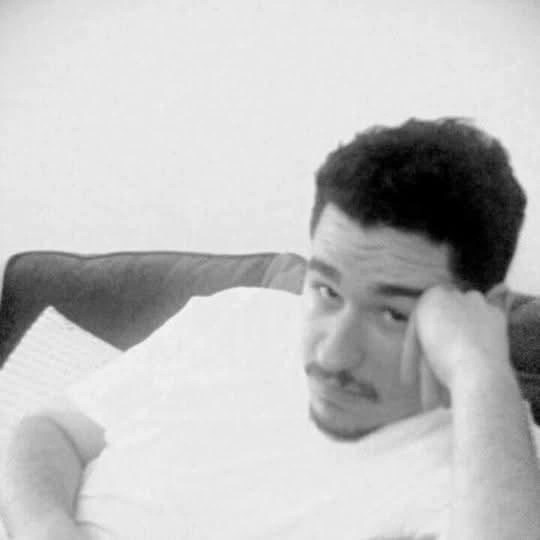
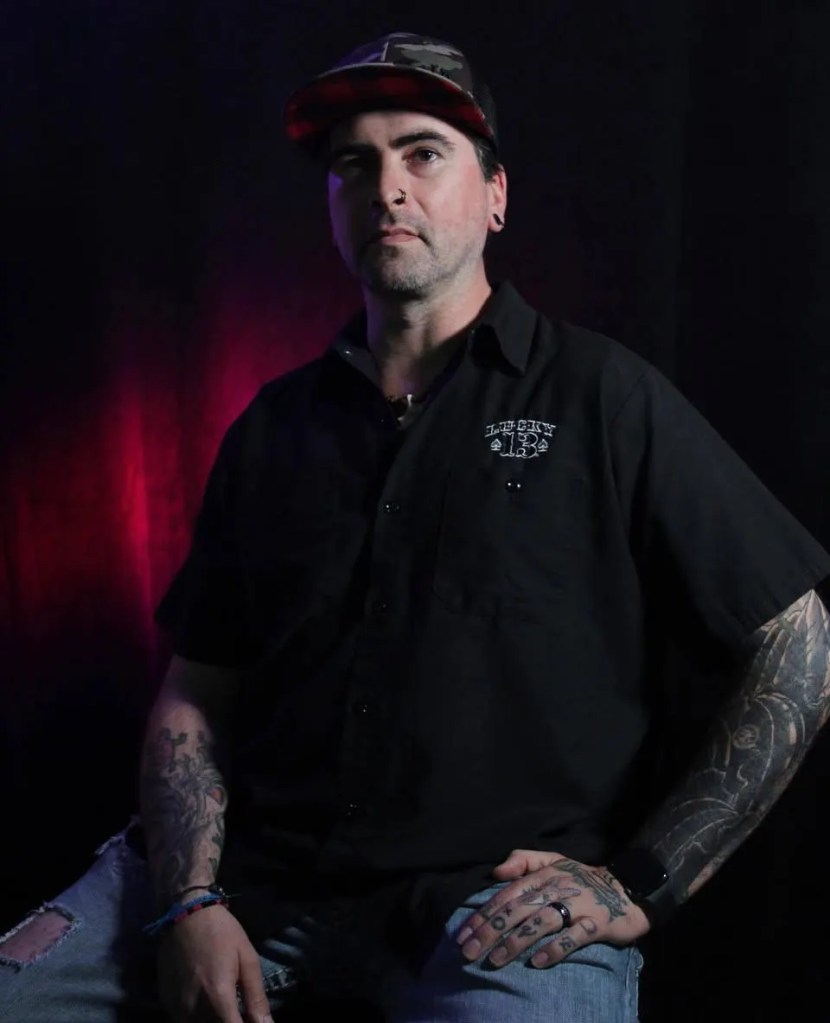
Interview with author J.R. Billingsley

Q1. Hello, can you please introduce yourself? Readers would love to know more about you.
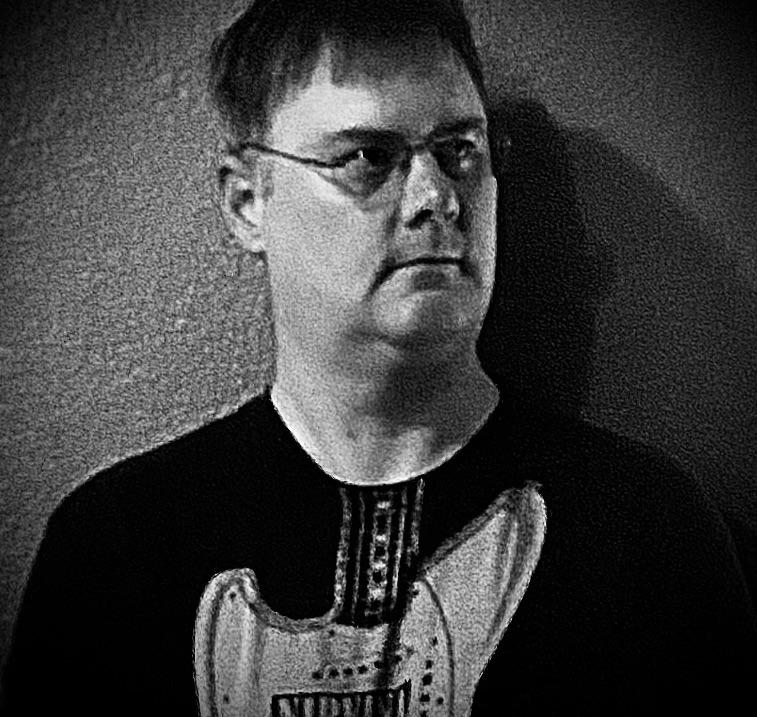
A1. My name is Jeremy Billingsley. I hold an MFA in creative writing. While in school, I studied under authors Barry Hannah, Ellen Gilchrist, Victoria Nelson, and Aimee Liu. After publishing short stories in the genres of the southern gothic and horror for nearly twenty years, and after one of my novels was picked up by two different small presses (each went out of business before my book went to shelves), I decided to start my own publishing house: Sley House Publishing. While I do publish most of my current work under Sley House, I’m just as interested in publishing other authors. I try to offer competitive rates and quality work, from our original, artistic covers to our interior layout and editing, from our novels to our anthologies.

Q2. What were the key challenges you faced while writing your book “Ristenoff”?

A2. I’ve had the characters in my head for years, going back to childhood. But I didn’t have the setting right. I knew it would take place in Arkansas. Specifically, I knew it would take place in South Arkansas. But I didn’t know when. Then the pandemic hit, and that piece fell into place. The pandemic, the Black Lives Matter movement, the civil unrest, all gave me a complete setting for the novel.

Another challenge was just finding a way to make the werewolf scary again. Nowadays, the werewolf, like the vampire, has been relegated, it feels, to the realm of dark fantasy. There’s nothing inherently scary about it. They’re more a type of superhero or a romantic figure. I wanted the tormented, angst-ridden monster. I wanted to scare people.

Q3. What books or authors have most influenced your own writing?

A3. I’ll mention the obligatory Stephen King, but beyond that, I loved reading classics. Jack London, Shirley Jackson, William Faulkner, Ernest Hemingway. In grad school, I read Harry Crews, Dan Simmons, more Barry Hannah and Ellen Gilchrist (because even my graduate instructors respected them), Molly Giles, Megan Abbott, JG Ballard, Laird Barron. I read Algernon Blackwood and Lafcadio Hearn and Borges and Bradbury and Morrison. Italo Calvino, the Bronte sisters, and Shakespeare. For RISTENOFF, I drew inspiration from Shakespeare’s MacBeth and from Guy Endore’s The Werewolf of Paris.

Q4. What’s your favourite spot to visit in your own country? And what makes it so special to you?

A4. Arkansas is beautiful because you have a lot of different climates in this small state. The north and west are mountainous with the Ozark and the Ouachita Mountains. In the west you have flat rice fields and farmland. South you have pine trees and lumber and a humid, swampy climate more associated with Louisiana.

Q5. What inspired you to write the book ‘Ristenoff’?

A5. I grew up watching horror. I started with the Universal classics. As I got older, I found the literary versions of Dracula and Frankenstein, but I was fascinated by werewolves. Why didn’t they have an eponymous work? Yes, King gave us Cycle of the Werewolf and there is the Guy Endore classic. I thought, as a kid, I could write the werewolf equivalent of those other works. As an adult, I look back at that obnoxious kid and want to slap him for his arrogance. But the story started growing in me back then and it is still with me today, and I’ve always known I would have to write it down. The cynical adult reminds me nightly that few people will probably read it, and that’s okay. The point is, I had to tell the story. Like when my family lost both my grandfathers and my stepdad in a three year period. I had to write that experience down, and what I wrote became Under the Churchyard in the Chamber of Bone. I think if we ignore the delusions we artists suffer from at times, sometimes we have to write simply because it is inside us. A painter must paint what is in them. A musician must play what they hear. A photographer must capture on film that image they already see in their eye, and a writer — hopefully I’m not sounding too pretentious — must write. Even if no one sees the painting, the words, the photograph, or hears the music. We must get these things out of us and into the world.

Q6. How long did it take you to write your book ‘Ristenoff’?

A6. Once I started? Eight months, plus two months of revisions with my editors. But from inception? 37 years. If a metaphor to be used is “like a dog with a bone,” then do not mistake my relationship to the book. The characters and story of RISTENOFF were the dogs, and I was the bone they would not release. Not until I wrote their story on the page.

Q7. On what platforms can readers buy your books?

A7. They can order off our website. They can order off Amazon. They can order from their local bookstore and they can get all Sley House titles in stock.

Q8. Tell us about the process of coming up with the book cover and the title ‘Ristenoff’?

A8. I had worked with the artist many times, and he knew what I was looking for with the novel. I wanted it to be decidedly scary and I wanted it to reflect the setting of the story. We talked specifics and he emailed me some drafts and it was really an easy process.

The name is something else. It has been with me, like a ghost, for years. For the longest time, I thought “Ristenoff” was the name of a fictional vampire for a story I’d yet to write. It was only very recently I realized it was best for this novel. I wanted the origins of the curse and of the character to be eastern european, and I wanted a name to reflect that. I also wanted a title that could be easily searched. I didn’t want a generic title as that would be lost in the sea of algorithms and similar names. Where the name actually came from I don’t remember. Something I heard or misheard and invented in childhood and its stuck with me all these years. I’ve googled it before but to no avail.

Q9. When writing a book how do you keep things fresh, for both your readers and also yourself?

A9. I take breaks. If I feel I’m writing myself into a corner, or I’ve lost sight of what a scene should be doing, I take a break. I also make sure I have fully developed characters. In fact, no matter what I’m writing, character comes first. I consider things like character archetypes and peacock details to be sure, but I’m more interested in who my characters are and what they are thinking/believing. If I know what my characters WANT and NEED, then I know how they’ll respond in any given situation. Even the most familiar of plots can be fresh once your developed characters start serving their own needs and wants.

Q10. What is the most valuable piece of advice you’ve been given about writing?

A10. Read outside your genre. Yeah, read as much horror as you can, but read other stuff as well. Read the hard to categorize stuff, the familiar stuff, the indie stuff, and the classic stuff. You’ll see how authors are doing things and you’ll latch onto it. And one more piece of advice: Plot is driven by conflict, and conflict is created through characters. Character 1 needs/wants Thing A; maybe character 2 has thing A, or maybe they also need it, or maybe they don’t want Character 1 to have it. Their needs/wants don’t mesh, so there is conflict. That will keep the reader coming back for more.

Buy Ristenoff on Amazon
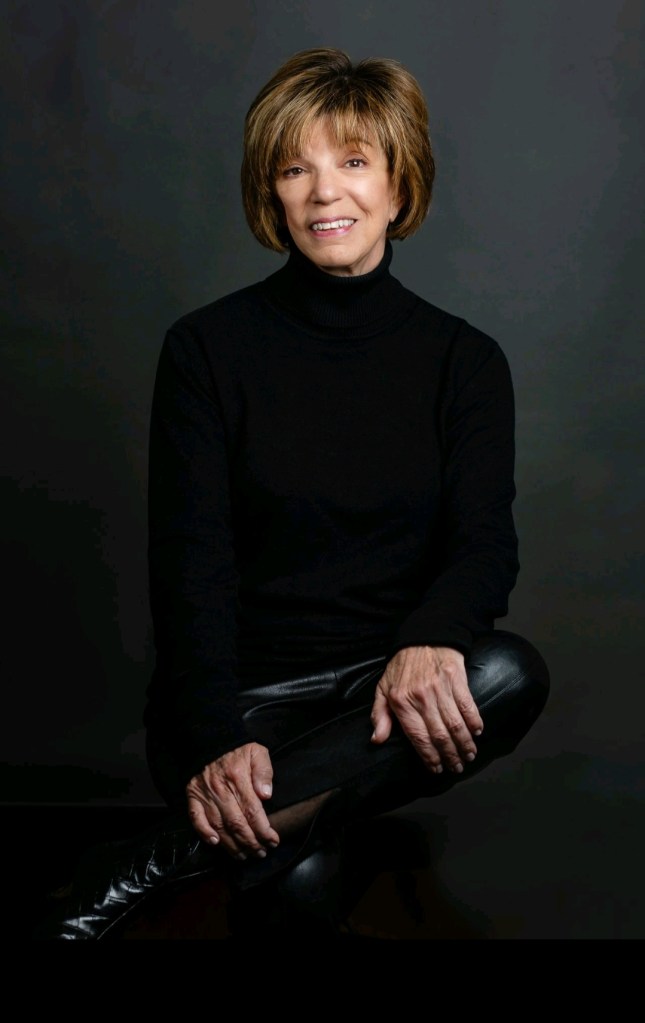
Interview with author Miriam Greenberg

Q1. Hello, can you please introduce yourself? Readers would love to know more about you.

A1: Hi, I’m Mimi—short for Miriam. Born in Hartford, CT, and raised in the heart of West Hartford, I haven’t ventured far from my roots. My parents were proud descendants of Russian and Polish Jewish immigrants, and our neighborhood was a close-knit, predominantly Jewish community. It wasn’t until high school, when I was bussed across town that I encountered classmates who weren’t part of this shared culture. It was an eye-opening experience that shaped my perspective on the world.

Growing up, I worked alongside my siblings in my father’s manufacturing company. While my brothers were groomed to take the reins, my path differed. My family hoped I’d find a nice Jewish boy from a well-to-do family, settle down, and start a family. Spoiler alert: life had other plans for me.

Fast forward about 50 years, and here I am, happily nestled in my home, surrounded by the chaos and joy of my dogs, cats, and the ever-changing beauty of nature. Cooking and entertaining are my love languages, though my “guests” these days are often my daughter’s lively circle of friends. Young people are fascinating—I adore hearing their stories, sharing a laugh, and basking in their energy. It’s a mutually beneficial setup: they keep me entertained, and I make sure they’re well-fed. It’s a win-win!

Q2. What were the key challenges you faced while writing your book “If I Had Nuts, I’d Have Dates”?

A2: “If I Had Nuts, I’d Have Dates” is a hybrid memoir that weaves humor and heart into the story of my unexpected foray into online dating at the onset of the COVID-19 pandemic. Alone as the world shut down, I turned to the virtual world, curious to see what connections I might forge when bars and restaurants were no longer an option. It began as a playful experiment—a safe form of socialization—and soon evolved into a blog chronicling my encounters. The blog became the foundation of this book, a tapestry of online interactions interwoven with what I call “memoirettes”—vivid, reflective anecdotes from my past that often shed light on why I responded to certain men as I did. These glimpses into my history reveal the experiences, relationships, and missteps that shaped my perspective. Many of these stories involve real people and places, and I often worry about the fine line between humor and harm. While the imperfections of others may have been fertile ground for comedy, I was mindful of the impact my words could have. What felt funny or ironic to me might not land the same way for someone else, and my intention was never to wound but to explore, connect, and laugh at the human condition—including my own.

Q3. What books or authors have most influenced your own writing?

A3: My favorite author is Nora Ephron, whose wit and candor have always resonated with me. Her book I Feel Bad About My Neck captures a humor that feels like home—a perfect blend of self-deprecation and insight. Ephron had a gift for transforming life’s hardships into comedy, reminding us that even our darkest moments can be softened by laughter. That philosophy inspired my own writing. Yes, I began with the hope of finding a connection, but even when that hope fell short, I walked away enriched—with a collection of hilarious stories and unexpected, fascinating experiences.

Q4. What’s your favourite spot to visit in your own country? And what makes it so special to you?

A4: Although I don’t go very often now that I’m older, when my daughter, Elizabeth, was growing up, her passion was horses. Every year, we’d go to a different dude ranch and ride. She was the quintessential barn rat. She still rides. My favorite was HF Bar Ranch in Wyoming. The mountains are beautiful; the views, breathtaking. I told Elizabeth to go there when I die and spread my ashes among the trees. It’s so peaceful. Hopefully she’ll know enough not to stand downwind.

Q5. What inspired you to write the book ‘If I Had Nuts, I’d Have Dates’?

A5: While navigating the unpredictable world of online dating, I chronicled my adventures in a blog, The Time of Corona (www.thetimeofcorona.blog). The peculiar blend of humor and absurdity caught the attention of my writer friends, who urged me to transform it into a book. Inspired by their encouragement, I embraced the challenge—and thus, a memoir was born.

Q6. How long did it take you to write your book ‘If I Had Nuts, I’d Have Dates’?

A6: I began the blog in 2020 and embarked on the book in 2023. Along the way, I enlisted an editor who encouraged the inclusion of “memoirettes,” enriching the narrative with vignettes from my life. Though the journey spanned four years, it was far from continuous, marked instead by moments of inspiration, reflection, and deliberate pauses.

Q7. On what platforms can readers buy your books?

A7: This is a sample of what the cover “may” look like. The artist used a chapter title rather than the one I plan to use.

Q8. Tell us about the process of coming up with the book cover and the title ‘If I Had Nuts, I’d Have Dates’?

A8: My mother had a favorite joke she loved to tell—a playful pun that always left her laughing. It went like this: A woman approaches a fruit vendor and asks, “Do you have nuts?” He shakes his head and replies, “No.” So, she asks, “Do you have dates?” To which he answers, “If I had nuts, I’d have dates.” My mother found it endlessly amusing. For me, the joke resonated on a different level. Growing up female, the unspoken rules of courtship seemed equally laughable, though far less funny. My mother often reminded me that “nice girls didn’t call boys,” which meant I was expected to wait—an interminable, frustrating patience that often felt like a game rigged against me. Years later, at a few class reunions, I discovered an ironic twist: plenty of boys I’d secretly admired had wanted to ask me out but were too intimidated to try. I’ll never understand why. I liked some of them, too, but the silent rules of our generation—rules that dictated waiting instead of acting—kept us all in a strange, unspoken stalemate. Even now, that ingrained hesitancy lingers like an echo of a long-ago joke, one I can’t quite bring myself to laugh at.

Q9. When writing a book how do you keep things fresh, for both your readers and also yourself?

A9: I aim to weave a tapestry of diverse scenarios and experiences to captivate the reader, ensuring the narrative remains vibrant and engaging. Introducing new characters who bring depth and color to the story alongside intriguing and surprising settings keeps the momentum alive. For this book, crafting a cast of varied personalities came naturally—after all, online dating offers an endless parade of men, each with their own quirks and stories. Every encounter becomes a fresh adventure, and as long as the people are compelling or the situations unique, the reader is drawn in, eager to see what comes next.

Q10. What is the most valuable piece of advice you’ve been given about writing?

A10: The principle of “show, don’t tell” encourages writers to engage readers by creating vivid scenes and sensory experiences rather than simply stating facts or summarizing events. By showing, readers can interpret emotions, understand character motivations, and immerse themselves in the story’s world through their imagination. Hook them in, then keep them interested!

Interview with author Jordan E. Kristofer

Q1. Hello, can you please introduce yourself? Readers would love to know more about you.

A1. Hi, I’m Jordan E. Kristofer. I’m a new pulp fantasy author, though I’ve been writing for a long time.

Q2. What were the key challenges you faced while writing your book “Paladin of the State: Origins”?

A2. Getting to a final product that I was happy with. I made a lot of edits before I wound up with a draft that I said, “Yeah, this is good.”

Q3. What books or authors have most influenced your own writing?

A3. Henry James and Robert E. Howard. I like the Gilded Age writing style of Henry James, as well as his insights into his characters’ minds; and I like Robert E. Howard’s action and sort of utilitarian style of writing. With both, nothing is wasted, and I’ve tried to emulate my style in that way.

In terms of content, I’d say few books really influenced me in what I actually write; it was actually the movies I grew up with that did that: Star Wars, Errol Flynn’s Robin Hood, Zorro, as well as many 1950’s-era sci-fi movies. There were things that influenced me in writing “Paladin of the State,” but that’s for a different question.

Q4. What’s your favourite spot to visit in your own country? And what makes it so special to you?

A4. The US is a huge nation, and I admit I’ve not seen much of it. That being said, there are two locations I like to go to to think about things or clear my head: my backyard and the local park. I live on the water, and my dock overlooks a marsh; it’s serene, and it helps me clear my mind of issues and worries. The local park isn’t far from my house, and I’ll walk around it for a couple hours to exercise my body and my mind. Sometimes, if I’m stuck on an issue — writing or otherwise — I’ll head to the park and walk around it for a while, thinking. Generally, the fresh air is a huge help.

Q5. What inspired you to write the book ‘Paladin of the State: Origins’?

A5. Multiple things. I had a world in which Pel existed long before I came up with him. The character of Pel was largely based off of Father Mulcahey in MASH. He was originally a priest who had a military background. Then, I found the Merkabah Rider series by Edward M. Erdelac, and that really got me thinking about a more holy warrior-type Pel. Solomon Kane also influenced the character, but not a whole lot. The paladins existed, but I wondered what one would look like if he were to work for the government and not the Order. That generated some circumstances in which such a paladin would occur.

Dzokaya was based on an older character I had made years before; her name is a feminization of the original character’s name.

When it comes to the plot, I’m not sure where I came up with it; it sort of just appeared in my consciousness. Certain events were inspired by real world things which the astute will notice.

Q6. How long did it take you to write your book ‘Paladin of the State: Origins’?

A6. From inception to clickable link, about 2 years. When it came to actual work, it took significantly less time, maybe a year or less. It was mostly written when I had free time from work. Then, last year, I started working on other projects, which didn’t pan out. I was able to write the last half of the novel in about a month or 2, and editing took at least that long — a lot of late nights editing.

Q7. On what platforms can readers buy your books?

A7. Currently, it’s only available on Amazon; Kindle, paperback, and hardcover versions are available.

Q8. Tell us about the process of coming up with the book cover and the title ‘Paladin of the State: Origins’?

A8. The cover was easier to come up with than the title, to be honest. The symbol on the front is central to the paladins of Cormoria; it is the symbol of Qia Mora, their goddess, which is explained in a description in the beginning of the book. To put it on fire, well, that was to emphasize the paladins’ fire-based abilities. The smoke is a reference to the main villain of the story, which is the shid.

With the title, I spent a long time — a few months — trying to come up with it, and I’m not sure I’m truly happy with it. However, I’ll tell you how I came up with it anyway. Spoilers, but at the end of the novel, Pel winds up working for the Riahlish government. In the US, the government is sometimes referred to as “the State.” That led me to the phrase “ward of the state”; but Pel wasn’t a ward, he was a warden, which led me to “warden of the state.” However, I wasn’t happy with how close it was to the original phrase. Pel is a paladin, so I replaced “warden” with “paladin” to come up with “Paladin of the State.” Although, I knew “Paladin of the State” would refer to the series, not a singular book. I attached “Origins” because it is the origin story of two characters, those being Pel and Dzokaya.

Q9. When writing a book how do you keep things fresh, for both your readers and also yourself?

A9. I’m a little too green to talk about keeping things fresh, but I will say that, when it comes to this series, the types of shiden and situations and how they’re vanquished — varying those — would theoretically keep the stories fresh. Freshness is only so important; many readers come to a series because they like how the main character deals with similar situations in different ways. The protagonist in one story faces an enemy and defeats it in this way; in another story, the protagonist faces another enemy — perhaps similar to the first — but handles it differently, or perhaps the protagonist can’t handle it and he barely gets away with his life, which leaves it open for another/different story. As a writer, you basically mess with variables of a story like an equation — different values to these variables produce different products; perhaps you add a new variable, or take one away, which changes the product (by product, I mean of an equation, not an item to be sold).

Q10. What is the most valuable piece of advice you’ve been given about writing?

A10. I can’t remember where I heard it, but someone said, “Write like no one’s watching.” If you’re like me, you worry about getting it right the first time, but getting it right the first time is nigh impossible. This fact causes hesitation to write, sometimes paralyzingly so, and barely any writing, if any at all, gets done. It’s a sort of stage fright that live performers and athletes get, I’d say: performance anxiety. But when you hunker down and realize there’s no one watching you except God, and He doesn’t care if it’s perfect, the writing gets done, and it flows. The first draft is always just that — the first draft. It can be changed and altered. It’s when it’s published in hard-copy that the urge to change it and edit it suddenly comes back, and you have to say, “No. It’s done. Move on.” Even when you’re absolutely sure the final manuscript is the best version of itself, there’s always doubt and a desire to change it; a writer must fight it, and let the story be.

One word of advice for fiction writers, especially those writing a series, is to stick to canon. If it’s printed, it’s canon; don’t change it. Adhere to it. I vehemently despise retcons, and I work very hard to make sure I don’t do them or need to do them. A world bible comes in handy here.

Buy Paladin of the State: Origins on Amazon

Interview with author Craig A. Cooper

Q1. Hello, can you please introduce yourself? Readers would love to know more about you.

A1. Hi Craig A. Cooper author of “Road Rager’s Anonymous” and “Life Adrift” I grew up in a small village about 45 minutes North-east of Calgary Canada 🇨🇦  it was great we (siblings and friends) would go on tons of adventures. We built forts, homemade motor bikes, go karts and everything else you can imagine. My childhood was pretty cools.

Q2. What were the key challenges you faced while writing your book “Life Adrift”?

A2. I was stuck with the middle content. For example why was Zack Kold held captive. I couldn’t figure it out for the life of me. Years went by as it sat on the shelf till one day in the shower it just hit me. Then I was off to the races.

Q3. What books or authors have most influenced your own writing?

A3. C.S. Lewis and Randy Wayne White

Q4. What’s your favourite spot to visit in your own country? And what makes it so special to you?

A4. I love going to Spanish Banks. A beach in Vancouver and minutes from home. We stay all day and then watch the sunset.

Q5. What inspired you to write the book ‘Life Adrift’?

A5. I wanted to go on an Adventure with a friend and like the book my friend chickened out. So it was kind of based on reality until all hell breaks loose.

Q6. How long did it take you to write your book ‘Life Adrift’?

A6. Well that’s complicated. 20 plus years. I would start then stop like something I wrote then throw it away. Got stuck on the middle. I really got intrted in 2023 One morning I opened my laptop and opened the file read what I wrote scrapped some of it. Then really went for it beginning to end in 6 months.

Q7. On what platforms can readers buy your books?

A7. Right now its available on my website through a link. Cooper-author.ca or through Amazon.

Q8. Tell us about the process of coming up with the book cover and the title ‘Life Adrift’?

A8. It’s the second version of the cover. The first version is of the setting sun taken from Spanish Banks with a cargo ship at anchor. There’s only 10 of those proffs. The current cover I came up with this because I felt it portrayed more of the island feel that Zack finds himself in.

Q9. When writing a book how do you keep things fresh, for both your readers and also yourself?

A9. Ooh that’s tough, if I feel like something is dragging out. I stop re read it. Throw something out or create a spontaneous situation.

Q10. What is the most valuable piece of advice you’ve been given about writing?

A10. To not give up. That if you enjoy doing it then learn write, read, re-read write re-read but don’t give up. Also learn to hear no a lot. I must have gotten a hundred rejection emails while looking for an agent. Simply don’t give up.

Life Adrift on Amazon

Interview with author J.J. Doe

Q1. Hello, can you please introduce yourself? Readers would love to know more about you.

J.J. Doe was born into a hardworking Midwestern family during a time when children were sent outdoors after breakfast to roam freely until lunch—or dinner, depending on which mom on the block was serving lunch to the neighborhood gang that day. After family dinner and cleanup, we’d be back outside until the streetlights came on. Summers were even more adventurous: we slept in tents in the backyard and spent our nights exploring. No one worried about anything bad happening because we lived in a tight-knit community steeped in the American way—morning Pledge of Allegiance, prayer before meals and bedtime, and church every Sunday.

These formative years sparked my fascination with the true adventure of living and the profound responsibility that comes with freedom. I’ve spent my life pushing the boundaries of individual freedom while striving to be inclusive and respectful of the many elements it takes to succeed, lift others along the way, and embrace life in all its forms—the good, the bad, the beautiful, and the ugly.

Q2. What were the key challenges you faced while writing your book “And Then You Were There”?

The most difficult aspect of writing And Then You Were There was confronting the emotions that surfaced as I reviewed and edited the poems for the book. I had to calm myself and come to terms with the fact that the events which inspired these poems were an essential part of my life journey—unavoidable and absolutely necessary. Facing truths, accepting what is, and moving forward with dignity are what truly define us.

Q3. What books or authors have most influenced your own writing?

Charles Dickens, Mark Twain, and William Faulkner are the authors who have influenced me the most. Additionally, music lyrics have had a profound impact on my personal philosophy, particularly those of Chris Cornell, Pete Townshend, and Bob Dylan.

Q4. What’s your favourite spot to visit in your own country? And what makes it so special to you?

I love spending time in the mountains of Utah, United States, especially Little Cottonwood Canyon. The skiing is exceptional thanks to the incredible snowfall, and the views are unparalleled—truly hard to beat anywhere else.

Q5. What inspired you to write the book ‘And Then You Were There’?

A5. Love was my ultimate inspiration!

Q6. How long did it take you to write your book ‘And Then You Were There’?

A6. Each of the poems was written over the course of 12 months. After that, it took a couple of months to decide to publish them and to write the Dedication, Foreword, and Conclusion.

Q7. On what platforms can readers buy your books?

Readers can purchase our books on Amazon, our publisher’s bookstore, Barnes & Noble, and Indigo.ca.

Q8. Tell us about the process of coming up with the book cover and the title ‘And Then You Were There’?

I’m blessed to live on a beautiful lake where I spend much of my time during the summer months. The cover photo was taken during an evening boat ride, a time when I often capture the natural wonders around me—like the majestic, lifelong partnerships of swans. The title And Then You Were There felt perfect because I realized I hadn’t truly been living until she came into my life.

Q9. When writing a book how do you keep things fresh, for both your readers and also yourself?

I try to write whenever inspiration strikes, which happens quite regularly. Since I primarily write poetry, I focus on capturing the emotions I’m experiencing in the moment. Readers often find personal meaning in my work because J.J. Doe puts into words what many people deeply feel and believe but struggle to express themselves.

Q10. What is the most valuable piece of advice you’ve been given about writing?

Q10. Write from your heart, write what you know, and write often.

Interview with author Danissa Wilson

Q1. Hello, can you please introduce yourself? Readers would love to know more about you.

A1. My name is Danissa Wilson, but my friends call me Dani. I was born and raised in Southern California, and I currently live in a suburb of Los Angeles. I am married to the love of my life, and we have three sons and three dogs. Aside from writing, I work as an academic dean at a local college. Before that, I taught English composition and literature for many years. I have my BA and MA in English and my Doctorate in Education. In my free time, I enjoy reading, stargazing, and spending time with my family.

Q2. What were the key challenges you faced while writing your book Kissing Toads?

A2. I really wanted to make the ending a surprise, but I didn’t want it to come out of nowhere. I tried to include enough foreshadowing that it wasn’t completely out of the blue, but not so much that the ending was predictable. Turns out, it is a difficult balance to strike!

Q3. What books or authors have most influenced your own writing?

A3. I really love Emily Henry for the contemporary romcom genre. However, I have always been partial to classic literature. Some of my favorite writers include Ernest Hemingway, Toni Morrison, Kurt Vonnegut, Kate Chopin, Alice Walker, Harper Lee, and the Brontës.

Q4. What’s your favourite spot to visit in your own country? And what makes it so special to you?

A4. In my home state of California, I love Lake Tahoe. My family used to vacation there every year when I was a child, so it always evokes a deep sense of nostalgia in me. In the greater United States, I am partial to Maui, part of the Hawaiian Islands.

Q5. What inspired you to write the book Kissing Toads?

A5. Initially inspired by one of my girlfriends who, fresh off a divorce, dove headfirst into the online dating scene (with disastrous results), I wrote this novel with the desire to explore the complexities of dating and finding one’s sexual identity in the late 20th century. I wanted my generation, Generation X, to be highlighted and celebrated in a way that I haven’t seen too often.

Q6. How long did it take you to write your book Kissing Toads?

A6. I initially started it in earnest during the COVID-19 pandemic in 2020. It was just a way to relieve stress and pass the time as we were locked down in our homes. However, on New Year’s Day of 2024, I made a resolution that I would finish it and get it published that year. I buckled down and completed it. Fortunately, it was published by Moonshine Cove publishing, LLC in September of 2024.

Q7. On what platforms can readers buy your books?

A7. It is available as a paperback, eBook and audiobook, as follows:

Paperback: Amazon.com, my website (kissingtoadsnovel.com) or my publisher’s website (moonshinecovepublishing.com)

eReader: Kindle via Amazon

Audiobook: Audible, Apple iTunes, or Amazon.

Q8. Tell us about the process of coming up with the book cover and the title Kissing Toads?

A8. I explained the title earlier, but the cover idea came from my friend Jenni. I initially wanted the cover to feature a toad with a crown on its head and lip/kiss prints on its body. Jenni read the book and told me she thought I needed something a little “edgier.” She remarked that my cover idea was “cutesy” and that my book was more raw than that. She suggested a woman’s mouth with the tongue sticking out and a toad on top of it. I whole-heartedly agreed. My son’s fiancé, Susan, is a brilliant artist and she truly brought this vision to life. I love the way it came out because it looks as if the mouth is simultaneously ingesting and spitting out the toad. In the book, the toad is a symbol for patriarchy and heteronormative social pressures. In this cover, the woman seems to both crave yet also reject this notion. Is she kissing the toad or spitting it out? I also love the disgruntled look on the toad’s face.

Q9. When writing a book, how do you keep things fresh, for both your readers and also yourself?

A9. I love to keep the reader wanting to move forward… wanting more. So, I tried to leave each chapter with a bit of a cliff hanger. I wanted to portray the main character, Annie, as someone who was genuine and raw. Her life and relationships were messy at times, but they were always authentic. Despite her flaws, I wanted the reader to continually root for her.

Q10. What is the most valuable piece of advice you’ve been given about writing?

A10. Keep going. Even when you are suffering from an extreme writer’s block, press forward. Like most things, it will pass.

Buy Kissing Toads here

Interview with author TJ Minson

  1. Please introduce yourself so that the readers will get to know you better.

A1. My name is TJ Minson, and I’m a dedicated new author passionate about inspiring readers of all ages, particularly children. With a lifelong love for animals, sports, travel, music, and exploring our world, I aim to create captivating, educational experiences through my books. My goal is to provide children with a fun and exciting environment that teaches them how to navigate life’s challenges and opportunities using effective social-emotional learning strategies.

  1. What is the inspiration behind your book “Mae and the Lonely Lion”?

A2. My inspiration is my nieces and nephew. They love reading, going to the zoo, and learning.

  1. When did you realize you want to be an author?

A3. I’ve always been deeply creative, with a passion for storytelling. About 20 years ago, I entertained the idea of writing a book, but life had other plans. Like many, I focused on building a career and doing what seemed expected. Now, I’ve embraced that initial passion, turning my lifelong creativity and experiences into stories that inspire and educate young readers.

  1. Please tell us something about your book “Mae and the Lonely Lion”?

A4. Mae and the Lonely Lion is my first children’s book about Mae the elephant, who befriends a lonely lion named Leo in their vibrant jungle home. Their story teaches young readers about empathy, bravery, and the importance of friendship through beautifully illustrated adventures. Mae’s name also represents the nitials of my nephew and nieces as a tribute to them.

  1. For which age group is your book “Mae and the Lonely Lion” suitable for?

A5. Ages 3-7, but any reader will find this heartwarming story fun and inspiring.

  1. What is your favorite Quote?

A6. I have two. “Try to be a rainbow in someone’s cloud” – Maya Angelou and “If you can dream it, you can do it.” – Walt Disney

  1. What do you like the most about your country?

A7 I love freedom and that every state has very unique and diverse landscapes, people and history. Also, Life, Liberty and the pursuit of happiness.

  1. What suggestion do you want to give to parents of little readers regarding a reading habit?

A8. To foster a reading habit in young children, start by reading together daily and creating a cozy, designated reading space filled with a variety of accessible books. Encourage your child to choose their own books, reflecting their interests, and mix up the types of reading materials to keep them engaged. Lead by example by reading regularly yourself and discussing the stories you read together to enhance comprehension and enjoyment. Additionally, regular visits to the library can make book selection a fun adventure and expose children to new topics and genres.

  1. What does literary success look like to you?

A9. Success is seeing the excitement on both a child’s and parent’s face when they engage with a story that not only entertains but also teaches valuable life lessons. It’s about inspiring readers to think about how they can apply these lessons in their own lives, whether it’s showing empathy to a friend who feels lonely or understanding someone who is going through a tough time. In “The Adventures of Mae the Elephant” series, each of the seven books presents unique scenarios that offer both captivating narratives and meaningful learning experiences. Ultimately, seeing a child get excited is a success.

  1. Lastly, who is your inspiration in life and why?

A10. My sister is my greatest inspiration. Despite facing more challenges than most, she is raising three small children with her husband while dedicating over 20 years to teaching. Her unwavering passion for her family and her ability to balance the demands of life inspire me deeply. My books are my way of contributing just as significantly as she does, channeling her resilience and dedication into stories that resonate and inspire.

Buy Mae and the Lonely Lion on Amazon

Interview with author Braylon Darnell Kelley

  1. Please introduce yourself so that the readers will get to know you better.

A1. Hello, my name is Braylon Darnell Kelley, a man of faith who stumbles daily. I am a husband to the most beautiful God-fearing woman with five beautiful children. I bring a bright smile and laughter into every room I may enter.

  1. What is the inspiration behind your book “But God”?

A2. The inspiration behind this book is full of pain and laughter. The definition of discipleship. But God is a true story about our son Zachariah a.k.a. Zach-e-Poo. The book is based on Zachariah’s walk with God through the darkest time of our family, God walked with us through the storm. The inspiration is to give hope to the hopeless and to other parents who may be at the bedside of the child wondering if will God come through for their child. For everyone in the world to know, God has the final word.

  1. When did you realize you want to be an author?

A3. I could truly say, that I never pictured myself being an author. God had plans that I never thought of. I knew I had a big responsibility to tell my son’s story and to bring Hope to others. I couldn’t sit on the sidelines and not be grateful for everyone that God has sent our way and everything that God has done to save our son. So I turned my pain into a beautiful work of art.

  1. Please tell us something about your book “But God”?

A4. But God is all about the storm we went through in 2023. God has the final word in every situation. This book is based on true events that have happened to our son Zachariah and the battle children may be going through. This book is a testimony to show the world not just what God has done for our child but the battles that every child deals with when it comes to doing good or doing bad. Children must know God has your best interests in his hands. Just reach your hand out to him and watch him grab your hand and walk with you on your journey.

  1. For which age group is your book “But God” suitable for?

A5. This beautiful book is for all ages, including the parents. To have a chance to have a conversation with the children about faith and the triumph spirit of God.

  1. What is your favorite Quote?

A6. “So do not fear, for I am with you; do not be dismayed, for I am your God. I will strengthen you and help you; I will uphold you with my righteous right hand.”

‭‭Isaiah‬ ‭41‬:‭10‬ ‭NIV‬‬

  1. What do you like the most about your country?

A7. The United States is the home of opportunity. With those opportunities comes responsibility. Responsibility to love our neighbor, to put God first, and to take every opportunity like it is your last. It’s not enough words that can’t describe how great we are as a country if we just love one another as ourselves.

  1. What suggestion do you want to give to parents of little readers regarding a reading habit?

A8. Being able to read and understand what you’re reading is the key to unlocking the world for your children. So give your children good habits and all the keys so they may be able to unlock the world.

  1. What does literary success look like to you?

A9. literary success is not just obtaining a piece of paper or a degree. It is being able to uplift and give wisdom to others. Helping people and the generations to come. Loving everyone you come in contact with. Being light for others in good times and bad. Be more Christ-like every day. Yes, it’s a slow process but it’s worth everything.

  1. Lastly, who is your inspiration in life and why?

A10. My inspirations in life are my lovely wife and children. But it’s bigger than them. Watching every parent who is struggling with a diagnosis of a sick child that they love. The people on the streets who do not have a home in the greatest country in the world. Those are a few of the inspirations of my life, and I bear them on the cross that I carry daily to try to help. But I always reflect on my Family and know the shared responsibility I have for them. I must lay my life down for them as Christ has done for everyone.

Buy Book

Interview with author Travis Walcott

  1. Please introduce yourself so that the readers will get to know you better.

A1. My name is Travis Walcott, and I am a passionate new author dedicated to inspiring readers of all ages, especially children. I am currently an elementary school teacher, so working with and teaching children aligns with my vision. I’m on a mission to create stories that not only entertain but also educate and inspire. I believe books are a gateway to understanding the world and ourselves, and I am committed to spreading my work to as many readers as possible.

  1. What is the inspiration behind your book “Clumsy Clarence”?

A2. I always wanted to write a children’s book, but it was always hard to come up with an idea for what I wanted to write. I did know, however, that I wanted to deliver a positive message in a way that children can understand and relate to. The idea for this book finally came to me when I had a student who had a few clumsy moments, but she always tried her best. It was great to see that although she made a few mistakes, she never gave up. I wanted more children to understand that mistakes are okay and mistakes are proof that you are trying. Also, I wanted to deliver the message of perseverance, self-confidence, love and care to readers of all ages. In addition, being a Black male, I wanted other black boys and girls to see me and know that they can achieve the same thing and more.

  1. When did you realize you want to be an author?

A3. I always had a passion to write and create stories, but I never actually imagined becoming an author. The thought of publishing a book came to me around 2018 when I finally realized that I wanted to get my stories out to the world. I thought it would be amazing and rewarding to finally have my stories come to life. Having children all over the world read my book is a great feeling to have, and an even better feeling seeing my students read it and see that their teacher was able to write a book!

  1. Please tell us something about your book “Clumsy Clarence”?

A4. This book “Clumsy Clarence” was written for readers of all ages to inspire and motivate them to be their best selves. I see Clarence as a younger version of myself. I wanted this story to resonate with readers so that it can be a fun reading experience.

  1. For which age group is your book “Clumsy Clarence” suitable for?

A5. 5 and up

  1. What is your favorite Quote?

A6. One of my favorite quotes is actually from a well known author named Dr. Seuss. The quote is “The more that you read, the more you will know. The more that you learn, the more places you will go.” This quote resonates with me because reading opens so many doors for you, and you can do/become anything that you want to be.

  1. What do you like the most about your country?

A7. I like the fact that libraries are available to everyone and that there is a safe, quiet place to respect books and reading.

  1. What suggestion do you want to give to parents of little readers regarding a reading habit?

A8. I would suggest that they have their readers explore different kinds of books to build their interests. Building an interest will encourage them to read more books on a topic they would enjoy. I also suggest plugging in some time daily to read for a bit. Reading bedtime stories with your child will also increase the habit of reading.

  1. What does literary success look like to you?

A9. Literary success to me can be a number of things, but the top aspects are commercial success, the impact my book has on readers, building a community with people who want to share or relate to my stories, longevity, and the impact it can have on students educationally. Lastly and most importantly, it would give me a sense of personal fulfillment that I was to achieve something like this.

  1. Lastly, who is your inspiration in life and why?

A10. My inspiration is my one year old son who I do everything for. When he’s older, I want him to see all the accomplishments that I was able to achieve so that he can be inspired by what I do. I hope that he’s able to pursue his dreams like I was able to. I want to create a legacy for him as well along with any future children I may have.

Buy Clumsy Clarence on Amazon

Interview with author Jason Atwood

Q1. Hello, can you please introduce yourself? Readers would love to know more about you.

A1. My name is Jason Atwood. I’m the CEO and co-founder of Drop-In Gaming, an online gaming platform. Beyond my entrepreneurial ventures, I’m passionate about leadership, building strong relationships, and creating opportunities in industries I believe in. I have been married almost 20 years and have two beautiful teenage girls. I wrote Staying Alive as a reflection of the challenges I’ve faced in my career and life, including pivotal moments that reshaped my goals and mindset.

Q2. What were the key challenges you faced while writing your book “Staying Alive”?

A2. Writing Staying Alive required revisiting some deeply personal and challenging experiences, including my time at the Vegas mass shooting. Balancing vulnerability with purpose was difficult, as I wanted to share meaningful lessons while ensuring readers could connect with my story. Another challenge was carving out time to write while managing my professional responsibilities.

Q3. What books or authors have most influenced your own writing?

A3. I’ve always admired authors who write with authenticity and purpose, such as Simon Sinek, whose work on leadership and inspiration has influenced me. I also draw inspiration from stories of resilience and triumph, like Shoe Dog by Phil Knight, which captures the highs and lows of building a business. My guilty pleasure is found with any books by Terry Brooks and James Swain.

Q4. What’s your favorite spot to visit in your own country? And what makes it so special to you?

A4. One of my favorite spots is Silver Falls State Park in Oregon. It’s a place where I can disconnect from the daily grind, explore incredible hiking trails, and reconnect with nature. The tranquility and beauty of the waterfalls make it a meaningful escape that refreshes my perspective. Even though I have had a traumatic experience there, I have a huge passion for poker so I spend a lot of time traveling to Vegas.

Q5. What inspired you to write the book ‘Staying Alive’?

A5. The inspiration came from a life-changing experience at the Vegas mass shooting, which shifted my perspective on life and purpose. It made me realize how fragile life is and pushed me to share my journey of overcoming adversity, redefining goals, and staying resilient no matter the circumstances.

Q6. How long did it take you to write your book ‘Staying Alive’?

A6. I wrote an outline of a book after my second stint in Prudhoe Bay Alaska, and after many other incidents took place I finally decided during Covid to write it. It took me about a year to complete Staying Alive. The process involved reflecting on my experiences, organizing my thoughts, and rewriting sections to ensure my message was impactful and clear.

Q7. On what platforms can readers buy your books?

A7. Readers can find Staying Alive on platforms like Amazon and Barnes & Noble. I’m also working to make it available in select bookstores.

Q8. Tell us about the process of coming up with the book cover and the title ‘Staying Alive’?

A8. The title Staying Alive emerged from my experience of surviving life’s toughest moments—literally and figuratively—and the decision to keep pushing forward. The book cover reflects both resilience and a sense of hope, combining simplicity with strength to resonate with readers on their own journeys.

Q9. When writing a book how do you keep things fresh, for both your readers and also yourself?

A9. I focus on storytelling—sharing real, raw experiences while offering lessons and insights that readers can apply to their own lives. To keep things fresh, I step away from the work occasionally and draw inspiration from new experiences or reflections that add depth to the narrative.

Q10. What is the most valuable piece of advice you’ve been given about writing?

A10. The best advice I received was, “Write as if you’re having a conversation with one person.” It reminded me to be authentic, approachable, and clear, allowing readers to feel as though I’m speaking directly to them.

Staying Alive on Amazon

Create your own website, free on WordPress.com.Create your own website.
Start free