Interview with author Melissa Bridgelal

Q1. Hello, can you please introduce yourself? Readers would love to know more about you.

A1. My name is Melissa Bridgelal, and I am the author of the Awakening the Remnant series. I write from a place of conviction, testimony, and deep reverence for the Word of God. My work focuses on spiritual discernment, truth, and encouraging believers to stand firm in a generation that often blurs the line between conviction and compromise. Writing is not just a creative outlet for me it is an assignment rooted in obedience.

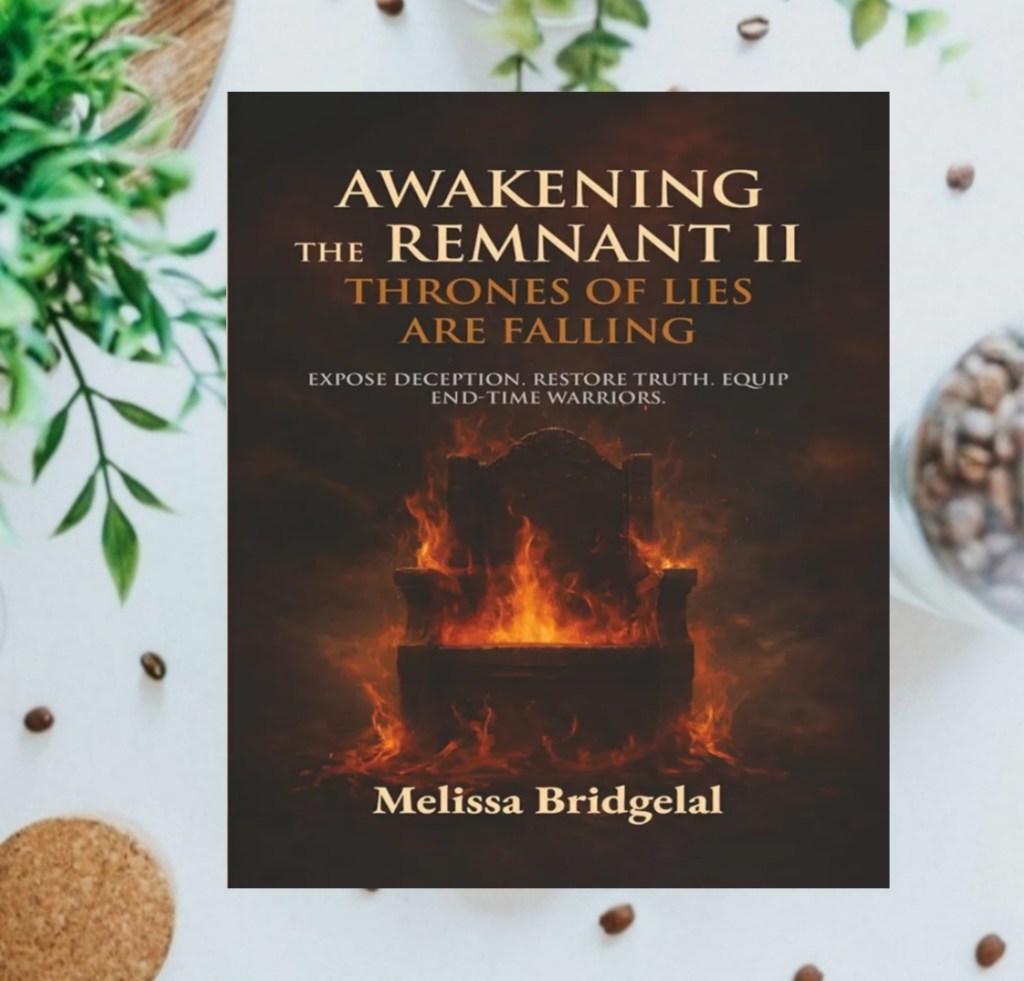
Q2. What were the key challenges you faced while writing your book “Awakening the Remnant II: Thrones of Lies Are Falling”?

A2. The greatest challenge was not research or structure it was weight. The subject matter confronts deception, cultural compromise, and spiritual confusion. I had to ensure that what I wrote was not driven by emotion, but by clarity and responsibility. There were seasons where I stepped away to pray, reflect, and refine the message. This book required maturity and careful discernment before release.

Q3. What books or authors have most influenced your own writing?

A3. Above all, Scripture has been my greatest influence. The structure, tone, and authority of biblical writing have shaped how I approach truth โ€” direct, uncompromising, yet rooted in love. I am also inspired by authors who write with conviction and purpose rather than performance those who value substance over popularity.

Q4. Whatโ€™s your favourite spot to visit in your own country? And what makes it so special to you?

A4. I find peace near the water especially places where the ocean meets the horizon. There is something grounding about standing in stillness and reflecting on the vastness of Godโ€™s creation. It reminds me that perspective matters and that clarity often comes in quiet moments.

Q5. What inspired you to write the book ‘Awakening the Remnant II: Thrones of Lies Are Falling’?

A5. This book was born out of urgency. I sensed a growing confusion within culture and even within the church a blending of truth and compromise. Thrones of Lies Are Falling was written to confront that mixture and call believers back to discernment, courage, and obedience. It is both a warning and an invitation to stand.

Q6. How long did it take you to write your book ‘Awakening The Remnant: Awake, O Dry Bones’?

A6. The writing process unfolded over several years. While the physical act of writing took time and discipline, the message itself was developed through seasons of personal growth, study, and spiritual refinement. It was not rushed. It was prepared.

Q7. On what platforms can readers buy your books?

A7. Awakening the Remnant: Awake, O Dry Bones is available on Amazon.

The sequel, Awakening the Remnant II: Thrones of Lies Are Falling, is available online and in stores through major retailers, including Barnes & Noble. Readers can purchase in paperback and hardcover formats.

Q8. Tell us about the process of coming up with the book cover and the title ‘Awakening The Remnant: Awake, O Dry Bones’?

A8. The title is rooted in Ezekiel 37 the prophetic vision of dry bones coming back to life. It reflects spiritual awakening and restoration. The cover design was intentionally bold and symbolic, capturing themes of confrontation, exposure, and rising from spiritual dormancy. Every visual element was chosen to reflect the gravity of the message.

Q9. When writing a book how do you keep things fresh, for both your readers and also yourself?

A9. I remain rooted in prayer and reflection. Freshness does not come from trends it comes from clarity. I do not write to impress; I write to communicate truth responsibly. When the message is sincere and aligned with purpose, it remains relevant.

Q10. What is the most valuable piece of advice youโ€™ve been given about writing?

A10. Write what you are willing to stand by. Not what is safe. Not what is popular. Truthful writing requires courage, and courage requires integrity.

Buy Melissa’s books on Amazon

The Organization Operative Nova

๐—•๐—ผ๐—ผ๐—ธ: The Organization Operative Nova ๐Ÿ“š
๐—”๐˜‚๐˜๐—ต๐—ผ๐—ฟ: Daniel C. Davis โœ๏ธ
.
.

The novel introduces Nova, a highly trained operative stepping into her first solo mission. From interrogation rooms to upscale restaurants and anonymous city streets, the setting is well crafted.

Nova is portrayed as a complex individual shaped by discipline, loss, and restrained emotion. Her internal conflict especially when personal history collides with professional duty adds depth to the fast-paced plot. Phillip Gregory Thomas, is equally compelling. He is arrogant, corrupt, and frighteningly believable.

The pacing is sharp, balancing action with psychological tension. Dialogue is one of the novelโ€™s strongest elements, often revealing more through subtext than exposition. Themes of corruption, accountability, trauma, and justice are woven well into the story without feeling heavy-handed.

This book will strongly appeal to readers who enjoy intelligent spy thrillers with emotional depth, morally complex choices, and strong female leads. Daniel C. Davis delivers a confident, immersive narrative that lingers well beyond the final page.

  • ๐— ๐˜† ๐—ฅ๐—ฎ๐˜๐—ถ๐—ป๐—ด: 5/5

Buy book on Amazon

Interview with author Dr. Steve Hudgins

Q1. Hello, can you please introduce yourself? Readers would love to know more about you.

A1. My name is Dr. Steve Hudgins. I am a counselor, professor, author, podcast host, military veteran, and cancer survivor who was once told I had a 34 percent chance of living. Those experiences changed how I see life, relationships, and what truly matters. I spend most of my work focused on families, trauma, attachment, and identity, especially within blended families, which I now like to call mosaic families because no two look the same and every piece matters.

Outside of my professional life, I enjoy traveling and have been fortunate to see many parts of the world. I am an avid photographer and love capturing moments that tell a story. I actually left the engineering field to do this work because helping people make sense of their lives felt far more meaningful than anything I was building on paper.

Q2. What were the key challenges you faced while writing your book “Piece by Piece – My Blended Experience of a Mosaic Family”?

A2. The biggest challenge was staying transparent and true to the story without letting outside voices shape it for me. There is a lot of research, opinion, and expectation around blended families, and it would have been easy to let other researchers, models, or popular narratives influence the direction of the book. I had to be intentional about not writing from a place of bias or pressure to fit an existing framework.

I wanted the book to reflect lived experience as it actually unfolds, messy, layered, and unresolved at times. That meant resisting the urge to overexplain, defend, or correct the story with theory. The goal was not to prove a point, but to tell the truth with clarity and respect, allowing readers to find themselves in the pages rather than be guided toward a predetermined conclusion.

Q3. What books or authors have most influenced your own writing?

A3. I am drawn to writers who communicate depth in a way that feels personal and accessible. Authors like Sarah Young and Max Lucado have influenced me because of how they blend reflection, hope, and honesty without making things feel heavy or complicated. Their writing creates space for the reader rather than telling them what to think.

I am also influenced by stories, conversations, and lived moments more than any single book. Listening to people, sitting with real experiences, and paying attention to what resonates emotionally has shaped my voice just as much as anything I have read.

Q4. Whatโ€™s your favourite spot to visit in your own country? And what makes it so special to you?

A4. My favorite places to visit are anywhere with mountains, streams, and lakes. There is something grounding about being near water and wide open spaces. The pace naturally slows, the noise fades, and perspective returns.

After seasons of military service, cancer, and navigating complex family dynamics, those environments give me room to breathe, reflect, and reset. I also enjoy photography in those settings because nature tells its own quiet story, one that does not need explanation.

Q5. What inspired you to write the book ‘Piece by Piece – My Blended Experience of a Mosaic Family’?

A5. I was inspired to write Piece by Piece because I kept seeing a gap in how blended families are talked about. There is a lot of pressure for families to fit into the โ€œblendedโ€ label, but that term often flattens people into roles instead of honoring them as individuals with histories, losses, and identities of their own. Many existing books approach blended families from a clinical or instructional angle, but they often miss the voices of people actually living inside those families.

What felt missing was conversation. Real stories. Lived experience alongside clinical insight, not as a set of directions, but as shared understanding. I wanted to bring together personal experience, public voices, and research in a way that felt human and relatable, not prescriptive.

The mosaic concept emerged because it allows every person to remain whole while still becoming part of something new. This book is not meant to tell families what to do. It is meant to sit with them, name what they are experiencing, and remind them that complexity does not mean they are doing it wrong. It often means they are doing something honest.

Q6. How long did it take you to write your book ‘Piece by Piece – My Blended Experience of a Mosaic Family’?

A6. The book took several years to come together. It was shaped over the course of my three-year doctoral program and research process. Much of the material was inspired by my doctoral work, and I was able to thoughtfully adapt portions of my dissertation into the book. Alongside that, I spent time collecting stories from individuals who were willing to share their experiences, always with protected identities and respect for their privacy.

While the final writing happened within a more focused window, the heart of the book was formed over years of listening, research, reflection, and lived experience. It truly came together piece by piece, both academically and personally.

Q7. On what platforms can readers buy your books?

A7. Readers can purchase my book on Amazon, as well as directly through my website. I also recently held an in-person author signing to promote the book, which has been a meaningful way to connect with readers face to face. I keep several copies in my office that are available for purchase and can be personally autographed for those who would like a signed copy.

Q8. Tell us about the process of coming up with the book cover and the title ‘Piece by Piece – My Blended Experience of a Mosaic Family’?

A8. The title and cover came from a desire to move away from labels that no longer tell the full story. Terms like โ€œblended familyโ€ or โ€œstepfamilyโ€ often fail to describe what is actually happening inside these homes. They do not capture boundaries, individuality, or the reality that people come together carrying past hurts, histories, and hope. In many ways, those terms flatten something that is deeply personal and complex.

I wanted language that honored the individuals, not just the structure. While some cultures use terms like โ€œbonus family,โ€ that still did not fully reflect the lived experience. The idea of a mosaic felt different. Each person is a distinct piece, shaped by their past, yet capable of letting light pass through. The boundaries matter, just like the grout in a mosaic, because they hold the pieces in place without erasing their uniqueness.

The phrase Piece by Piece reflects how families are formed over time, not all at once. The cover was designed to visually echo that idea, individual shards coming together within clear boundaries to form something meaningful, unique, and resilient.

Q9. When writing a book how do you keep things fresh, for both your readers and also yourself.

A9. For me, keeping things fresh starts with staying curious. I try not to write from a place of having all the answers. Instead, I write from a place of discovery. When I am learning or reflecting honestly on something, readers can feel that. It keeps the process alive rather than mechanical.

I also move between story and insight. Real-life experiences, whether my own or those shared with permission, keep the writing grounded. When you stay connected to real conversations and real people, the material does not become stale.

Q10. What is the most valuable piece of advice youโ€™ve been given about writing?

A10. The most valuable advice I have been given is to write honestly before worrying about how it sounds. You can always refine words and structure later, but you cannot edit authenticity into a page if it was never there to begin with. When writing comes from a real place, readers feel it. Even if they cannot explain why, they recognize the truth when they encounter it.

Buy book on Amazon

The Wise Woman Writes

๐—•๐—ผ๐—ผ๐—ธ: The Wise Woman Writes ๐Ÿ“š
๐—”๐˜‚๐˜๐—ต๐—ผ๐—ฟ: Vanessa Mckay โœ๏ธ
.
.

The Wise Woman Writes is a thoughtful exploration of what it means to write from a place of deep authenticity. Vanessa McKay invites readers to move beyond technique and productivity, and instead reconnect with the inner voice that holds lived experience, intuition, and emotional truth. This book feels less like a manual and more like a companion for writers who sense that their words are meant to come from somewhere deeper.

McKay weaves together psychology, creativity, and self-awareness to show how writing can become a process of excavation: uncovering beliefs, memories, and inner narratives that often remain hidden. She encourages curiosity, honesty, and patience with oneโ€™s own process.

The tone of the book is calm, wise, and reassuring. McKay writes with clarity and warmth, making complex ideas feel accessible. The exercises and insights feel intentional and meaningful rather than overwhelming.

Overall, The Wise Woman Writes is ideal for writers who feel stuck, disconnected, or unsure of their voice. It offers a refreshing reminder that writing is not just about output, but about alignment. This book will resonate deeply with those who view creativity as a form of self-discovery and emotional truth-telling.

  • ๐— ๐˜† ๐—ฅ๐—ฎ๐˜๐—ถ๐—ป๐—ด: 5/5

Buy book on Amazon

A Walk in Death’s Valley

๐—•๐—ผ๐—ผ๐—ธ: A Walk in Death’s Valley ๐Ÿ“š
๐—”๐˜‚๐˜๐—ต๐—ผ๐—ฟ: Jason P. Dryer โœ๏ธ
.
.

From the first chapter, readers are thrown into captivity, and biological terror alongside Charles Whitaker, a protagonist struggling with amnesia and physical trauma. Dryer wastes no time establishing that this is not a conventional dystopian tale, it is darker, harsher, and deeply unsettling.

The novelโ€™s strongest quality is its unapologetic brutality. The mutation scene in the containment cell is particularly harrowing, described in visceral detail that rivals the most graphic horror fiction. Dryer blends science fiction with demonic overtones, creating a hybrid threat that feels both technological and supernatural. 

Charles emerges as a compelling figure: morally conflicted, and operating on instinct in a world stripped of order. His violent resistance against Dr. Flemming and the guards provide a cathartic counterpoint to the clinical coldness of the facilityโ€™s leadership. 

Readers who appreciate graphic horror, apocalyptic tension, and morally complex survival scenarios will find much to admire. This storyline lingers long after the final page.

  • ๐— ๐˜† ๐—ฅ๐—ฎ๐˜๐—ถ๐—ป๐—ด: 5/5

Buy book on Amazon

The Odyssey of a Bad Mother

๐—•๐—ผ๐—ผ๐—ธ: The Odyssey of a Bad Mother ๐Ÿ“š
๐—”๐˜‚๐˜๐—ต๐—ผ๐—ฟ: Shannon Gill Burnett โœ๏ธ
.
.

In The Odyssey of a Bad Mother, Shannon Gill Burnett crafts a narrative that explores the devastation of child abduction and the ripple effects it leaves behind. Set in 1982 in Seattle, aptly introduced as the Emerald City, the novel opens with the disappearance of thirteen-year-old Ryan McKinnon on the night he was supposed to see E.T. the Extra-Terrestrial.ย 

What begins as a nostalgic portrait of suburban family life quickly fractures into a chilling tale of loss, uncertainty, and psychological unraveling. Burnettโ€™s decision to narrate portions of the story from Ryanโ€™s perspective even after his abduction intensifies the emotional weight of the novel.

Burnett also situates the novel within the broader cultural panic of early-1980s America, referencing real-life cases like Etan Patz and Adam Walsh to underscore the eraโ€™s growing fear surrounding child abductions. This historical grounding reminds readers that Ryanโ€™s fictional disappearance echoes very real tragedies. 

The procedural elements involving the police investigation contrast sharply with the emotional chaos inside the McKinnon household, reinforcing the helplessness families often feel when institutions fail to provide answers.

The Odyssey of a Bad Mother is a psychological examination of loss, identity, and moral fragility. The storyline kept me on the edge of my seat. I didn’t feel like putting this book aside once I started reading it. This story will stay on my mind for a long time. I strongly recommend it to my fellow readers.

  • ๐— ๐˜† ๐—ฅ๐—ฎ๐˜๐—ถ๐—ป๐—ด: 5/5

Between the Avalanche and the Ashes

๐—•๐—ผ๐—ผ๐—ธ: Between the Avalanche and the Ashes ๐Ÿ“š
๐—”๐˜‚๐˜๐—ต๐—ผ๐—ฟ: Dorota Chioma โœ๏ธ
.
.

Between the Avalanche and the Ashes is a raw memoir. Rather than offering a linear journey from illness to recovery, the book moves in circles through mania, collapse, grief, creativity, and fragile balance. One of the bookโ€™s greatest strengths lies in how it portrays mania and creativity without romanticising them.ย 

Chioma shows the intoxicating productivity and sensory intensity of manic states, while also revealing their hidden costs: fractured relationships, physical unraveling, and devastating crashes.

Grief, especially surrounding the death of the authorโ€™s father, forms another powerful strand of the book. Here, art becomes both refuge and record: paintings, poems, and exhibitions acting as containers for pain that cannot be spoken directly. The repeated imagery of woods, trees, and nature grounds the narrative, offering continuity amid loss and disorientation. 

This is a book about endurance, about staying present in the uncertain space between extremes. Chioma invites the reader not to seek answers, but recognition: a shared breath, a mirror, a pause. Memoir fans would have a great time reading this book.

  • ๐— ๐˜† ๐—ฅ๐—ฎ๐˜๐—ถ๐—ป๐—ด: 5/5

Buy book on Amazon

The Path of Paws

๐—•๐—ผ๐—ผ๐—ธ: The Path of Paws ๐Ÿ“š
๐—”๐˜‚๐˜๐—ต๐—ผ๐—ฟ: Zeyad Kareem โœ๏ธ
.
.

At the center of the story is Jack, a husky who escapes a life of abuse and starvation and slowly learns what safety feels like. His journey from fear to trust is portrayed with striking sensitivity, making his pain feel real. The supporting cast: humans and animals alike adds richness to the narrative. Each character, whether cat, horse, or human, has a distinct voice and purpose, reinforcing the bookโ€™s central theme that healing often happens in community, not isolation.

The novel also introduces tension through the chilling presence of Nicole, Jackโ€™s former owner, and the looming threat she represents. This contrast between cruelty and kindness heightens the emotional stakes and gives the story momentum beyond quiet reflection. Equally compelling is Bindi, the Night Watcher, whose silent guardianship adds a mythic, almost spiritual layer to the narrative. These elements elevate the book from a simple rescue story into something more symbolic.

Ultimately, The Path of Paws is a hopeful book that will resonate strongly with animal lovers and readers drawn to stories of redemption. It reminds us that love does not erase scars, but it does make survival meaningful. With its poetic language, memorable characters, and unwavering belief in compassion, this book leaves a lasting impression.

  • ๐— ๐˜† ๐—ฅ๐—ฎ๐˜๐—ถ๐—ป๐—ด: 5/5

Buy book on Amazon

Stronger Than the Storm

๐—•๐—ผ๐—ผ๐—ธ: Stronger Than the Storm ๐Ÿ“š
๐—”๐˜‚๐˜๐—ต๐—ผ๐—ฟ: Elizabeth Pierce โœ๏ธ
.
.

Stronger Than the Storm explores resilience in the face of betrayal, loss, and relentless adversity. Drawing inspiration from real-life experiences, Elizabeth Pierce crafts a story that feels raw, intimate, and honest. From the opening chapters, readers are pulled into the life of Kay, a young woman whose quiet strength and inner complexity contrast sharply with the storms she is forced to endure.

The novel excels in its portrayal of emotional depth, particularly in its depiction of family dynamics, grief, and identity. Pierce does not shy away from uncomfortable truths, whether it is the pain of feeling invisible within oneโ€™s own family, the weight of unmet expectations, or the devastating consequences of sudden tragedy.

Kayโ€™s journey is marked by moments of innocence, hope, and connection, which makes the later betrayals and losses feel all the more shattering. One of the bookโ€™s greatest strengths lies in its exploration of resilience as a process rather than a destination.

Stronger Than the Storm is a powerful testament to the human spiritโ€™s capacity to endure and rebuild. It is a story that will resonate strongly with readers who have faced betrayal, loss, or moments where life felt overwhelmingly unfair.

  • ๐— ๐˜† ๐—ฅ๐—ฎ๐˜๐—ถ๐—ป๐—ด: 5/5

Buy book on Amazon

After the Lake

๐—•๐—ผ๐—ผ๐—ธ: After the Lake ๐Ÿ“š
๐—”๐˜‚๐˜๐—ต๐—ผ๐—ฟ: Mara Mansour โœ๏ธ
.
.

The main character of the story is Emma. She is tired, guarded, and practical but she is unforgettable. Her emotional restraint is not coldness; it is survival. Mara writes with a clarity that never softens the harsh realities of Emmaโ€™s home life. Alcoholism, neglect, and emotional labor are presented without sensationalism, making the story feel honest. Emmaโ€™s devotion to her siblings is moving.

Teddyโ€™s internal conflict adds nuance to the story, revealing how pressure and expectation can become their own kind of cage. The connection between Emma and Teddy grows slowly, built on conversation, observation, and mutual curiosity.

What makes After the Lake powerful is its refusal to offer easy answers. Love does not erase circumstance, and hope does not arrive without fear. I had a great time reading this novel. I strongly recommend it to my fellow readers.

  • ๐— ๐˜† ๐—ฅ๐—ฎ๐˜๐—ถ๐—ป๐—ด: 5/5

Buy book on Amazon

Design a site like this with WordPress.com
Get started