
- Hello, can you please introduce yourself? Readers would love to know more about you.
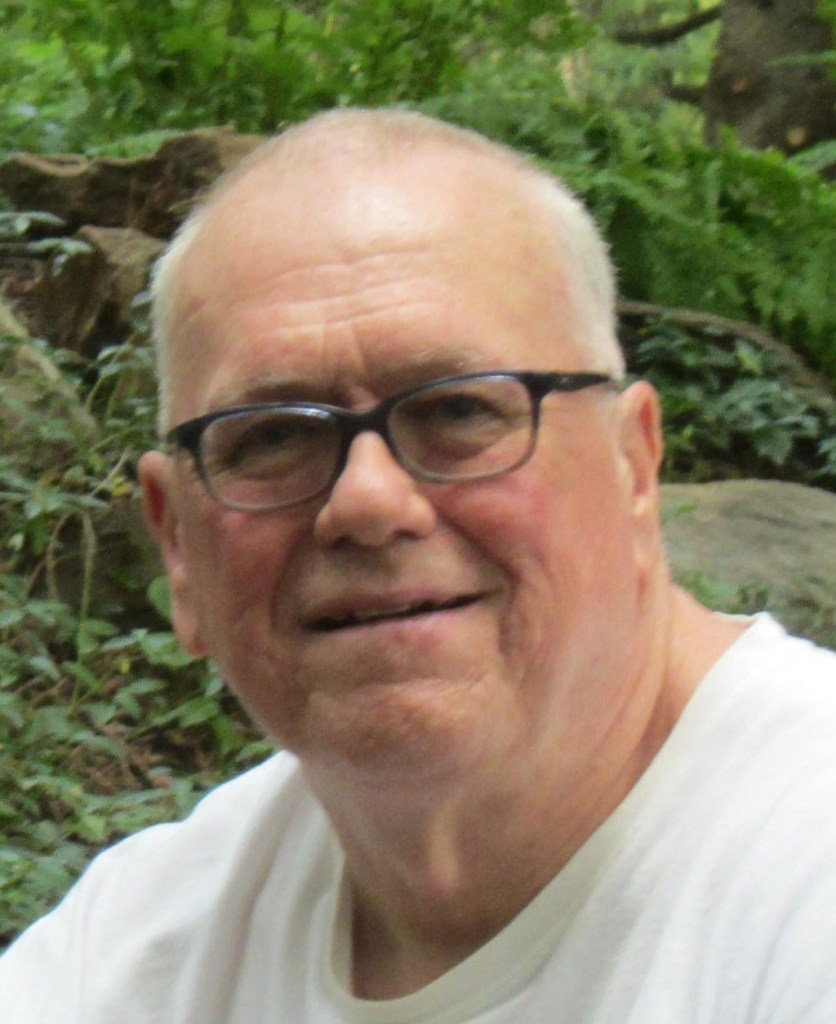
Hi. My name is Terry Kruser. I am 67 years old and live in Renton, Washington (just SE of Seattle). Wow, there is so much! I was born and raised in Iowa. At 18, I joined and served 9 years in the Air Force, stationed worldwide, and this is when I gained most of my “people experience”. In 1986, I started school at the University of Iowa and graduated with a BS in pharmacy. I retired in 2014 for medical reasons. I’ve been very happily together with my husband over 25 years. I started writing when I was 18 and concentrate now on “life learning experience” essays instead of poetry.
Q2. What were the key challenges you faced while writing your book “Uncommon Poems Common People”?
The book is essentially composed of two parts. The first part “The Edge” was mostly written when I was in my teens in early 20’s and concentrates mostly on the emotionally immature side of myself. The second part builds on the first with more mature life outlooks. The most difficult part was trying to find a way to coherently reconcile the two into a single body of work in a way that would achieve my overall goal, that of a guide to living that would show others that they, too, can achieve a sense of self-peace in their lives regardless of whatever challenges life may throw at us.
Q3. What books or authors have most influenced your own writing?
I’ve long been a sci-fi reader. Stephen Donaldson’s Thomas Covenant series (starting with Lord Foul’s Bane) is a series that’s been re-read several times. Probably my all-time favorite book has been The World According to Garp by John Irving because it pegs people so well and accurately reflects life and people in all of their idiosyncrasy and absurdity. My own life has been strange, challenging, and wonderful and I like writing that reflects those qualities. That would include Stephen King, because he writes about what makes people tick and why they act like fallible people so well, but for some reason I’ve gravitated away from that genre. My own writing now is not influenced much by other authors, but (as its mostly always been) much more related to my own real-life lessons-oriented relationships and experiences.
Q4. What’s your favourite spot to visit in your own country? And what makes it so special to you?
For the early part of my adult life, it was Glacier National Park in NW Montana. I really love places of natural beauty. Later, after moving to San Antonio, TX, it was our almost yearly fall trip to South Padre Island in far south Texas (not regular Padre Island, central TX coast), which has the best stretch of beach in the state. I tend to gravitate to places that feed my sense of spirituality, self-peace, and serenity. Nature and ordinary everyday things (as metaphorical symbols) appear a lot in my poetry simply because they are relatable and are things that people can key on and find personally relatable and as such, can more easily be tied to one’s mental and emotional state and well-being, in times of both the good and not very good.
Q5. What inspired you to write the book ‘Uncommon Poems Common People’?
Occasionally, I’ll pore over my old writing, and I found that I had a lot of really good stuff that was worth sharing and that people could relate to. More importantly, I think that because of my own personal experiences, others might be helped (because of what I’ve gone through, both good and bad) to find their own way. It took me literally decades to find answers and solutions to my own lifelong personal issues. There were things that I wished I could have known or thought of when I was younger, that it would have been nice if people who truly cared would have passed onto or told me as to the lessons in life we all could use, or even need. My hope is that others might gain and find their own ways through life more quickly and easily by knowing about my experience.
Q6. How long did it take you to write your book ‘Uncommon Poems Common People’?
I had to laugh when I saw this question. I’m 67 now and the vast majority of the material in the book was written before I was 25. The first half of the book was already written by the time I was in my mid 20s. I just had to fill in the blanks, organize, and get it all pieced together to say what I really wanted to say. Essentially, it only took a few months to put it all together once I decided to do a book. It took just as long for the editing process and the back and forth between my publisher and I to iron it all out. Even then, when it was published, somehow the printer managed to put in an all too obvious typo in it.
Q7. On what platforms can readers buy your books?
I self-published, so not in some of the obvious places like your corner bookstore. The book is available through the publisher Dorrance, and naturally Amazon in softcover and Kindle formats. It’s been a few years since originally published, so I’m not sure if Barnes and Noble even stocks it any more. Amazon is a reader’s best, quickest, and easiest bet. I don’t think the e-format does poetry writing justice; I’m not a big fan of it. I’m really lousy at marketing so popular it isn’t.
Q8. Tell us about the process of coming up with the book cover and the title ‘Uncommon Poems Common People’?
The book cover was easy, entirely driven by Dorrance the publisher. They came up with a couple of designs and I wasn’t really picky. One they came up with was appealing enough. For the title, I wanted something that reflected the book. The type of poetry style I use is fairly unique to myself and is out of step with a lot of modern poetry. C’mon, it’s about the writing itself and not how you spread the words all over the page. A lot of my poetry is deeply and intimately personal and relatable. I write about emotions and experiences relatable to most everyone, so that what makes it for “common people”. An interesting side note is that the original title I had pegged was “Uncommon Poems for Common People”. While putting the book together, I found out that a writer in Spain had coincidentally recently published a book “Uncommon Poems for the Common People”, so I ditched the “for” out of my own title to help ameliorate any possible confusion. (I saw enough of it to realize… completely different). I’m happy with the result.
Q9. When writing a book how do you keep things fresh, for both your readers and also yourself.
Like any writer, recurring themes in composition and content often come up, especially when it’s personally emotional and there’s some internal axes that need to be ground. I had my own set of issues when I was a lot younger and that was a rut that it was easy to fall into in my writing. This results in boring and repetitious writing. This final set I think is pretty darn good. I’ve had some reviewers not liking my repeating themes between the first and second parts who didn’t recognize the shifts in tone, (the sometimes slow) growth, change, and maturity; some did). That being said, I’ve done some truly bad carry-on forever writing, and composed some real stinkers in my time. To keep things fresh, you have to keep things real, honest, and straight to the point, or else it’s too much of a burden to the reader. Young and inexperienced writers (like me at one time), being so eager to get their message across, tend to make these kinds of mistakes.
Q10. What is the most valuable piece of advice you’ve been given about writing?
There’s several (see above). Keep it real, honest, and to the point. Write about things you know about and have experience with. Don’t make it too auto-biographic, unless that’s the point. If you’re not familiar enough with the subject matter you want to write about, do your first rough drafts to get your ideas down and fixed, then educate yourself on the potential holes in your writing and knowledge base. We may think we know all about some things, but those who actually do know and have the experience, they will have the last laugh every time. And above all, DO NOT write “above the heads” of the people in your target audience. In some feedback from my first book, I was told that I wrote at a post-graduate level and only then did I realize I needed to tone it down if I wanted to write something that people would actually want to read.
Buy Uncommon Poems Common People on Amazon
 Sassy Reviews