
Q1. Hello, can you please introduce yourself? Readers would love to know more about you.
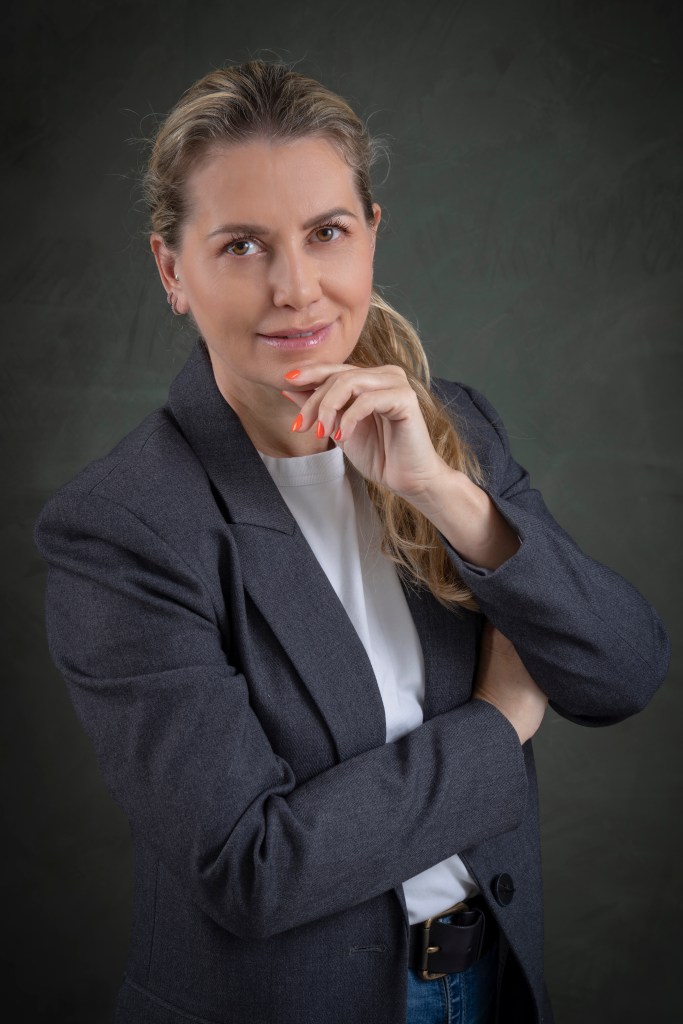
A1. I’m Danish, with over 15 years of international experience living in various parts of the world, including England, Germany, Argentina, USA, and France. This exposure has equipped me with proficiency in several languages, which I leverage in my writing. I enjoy working with the language extensively.
In terms of my academic background, I hold a Ph.D. in Supply Chain Management, and I have nearly a decade of experience in research leadership focused on city governance and finance. I’ve authored numerous academic journal articles and reports, collaborating with organizations such as the European Commission, OECD, ILCEI, Brookings, among others.
Additionally, I run a consultancy where I partner with international clients to address urban challenges like affordable housing, urban redevelopment, and infrastructure investments.
For more details, please visit my website: www.luisenoring.net
Q2. What were the key challenges you faced while writing your book ”Going Places, Somewhere and Nowhere”?
A2. “Going Places, Somewhere and Nowhere” marked my debut as an author. Since then, I have written four subsequent books, three of which are currently in the publishing pipeline.
The initial book posed unique challenges typical of a first-time author. Originally, I hadn’t set out to write a book; instead, I crafted a collection of vignettes or short stories drawn from personal experiences and imagination.
Transforming these vignettes into a cohesive narrative required threading them together with an overarching storyline and ensuring the timeline flowed seamlessly.
As someone who enjoys the immersive experience of short stories, I appreciate their ability to transport readers into diverse worlds and blur the lines between reality and fantasy. This dynamic interaction between the real and the imagined fuels my storytelling, prompting readers to question their own perceptions of reality.
Currently, I’m wrapping up a book exploring the legal system, a realm that once existed solely in the realm of imagination before manifesting as enduring legal and political structures in our societies.
This ongoing process underscores the fluid nature of concepts we generally consider fixed and immutable. In some ways, whatever we imagine has the potential to become real. And whatever is real was once in our imagination.
Q3. What books or authors have most influenced your own writing?
A3. This question is a bit challenging for me because I often struggle to recall the names of authors and books. However, I vividly remember certain stories. Most recently, I was captivated by a collection of short stories by a contemporary Swedish female author titled something like “The Road to [a Swedish place name that’s difficult to remember and pronounce].” I also like Siri Hustvedt.
Additionally, I’ve delved into classics like Dickens, and “The French Lieutenant’s Woman” by John Fowles left a lasting impression on me from a young age.
During my teenage years, I immersed myself in biographies of Danish queens and noblewomen, fascinated by their violent and turbulent lives. My writing often explores the complexities of female destinies and the intricacies of womanhood.
Q4. What’s your favorite spot to visit in your own country? And what makes it so special to you?
A4. In my writing, I often explore the tranquility and serenity of the Nordic forest, which holds a deeply sacred place in my heart. These ancient trees stand majestically while we, as humans, navigate our often hectic lives. Each of us is born and dies, while these trees endure. Our lives are fleeting compared to theirs.
Each tree forms its own ecosystem, inviting you to become part of it as you walk alone in total silence. The forest feels like a sacred sanctuary where the rustling of leaves whispers life’s secrets to you.
Despite having lived in many countries and traveled extensively, I have yet to find a place that surpasses the Nordic forest with its seasonal rhythms reflecting the cycle of life.
My favorite forest is The Fence, renowned for its ancient stature and diverse flora thriving on different soils.
Q5. What inspired you to write the book “Going Places, Somewhere and Nowhere”?
A5. In many ways, my writing is deeply rooted in my research background, and I conduct extensive research for my books. Keeping my knowledge current serves as a continual source of inspiration.
While writing, I often find inspiration in music; for this book, gaming music played a significant role.
Lastly, for profound inspiration, I delve deep within myself. To awaken this inner wellspring, I take long solitary walks in nature.
Q6. How long did it take you to write your book ”Going Places, Somewhere and Nowhere”?
A6. It took me about four months to write the book and another two months to revise it.
Q7. On what platforms can readers buy your books?
A7. All platforms. Amazon, Goodreads, Barnes & Noble, Waterstones, and so on. All book platforms.
Q8. Tell us about the process of coming up with the book cover and the title “Going Places, Somewhere and Nowhere”?
A8. When I write, I always start with the title. Once I have the title, it remains unchanged because it encapsulates the core of the story.
For the cover design, I envisioned something that evoked the theme of travel while also reflecting a sense of going back in time. Given the backdrop of third world war in the book and trilogy, which pushes humanity backward in time, I aimed for a design that harkened back to the Middle Ages.
Q9. When writing a book, how do you keep things fresh for both your readers and yourself?
A9. I find that maintaining a fast-paced plotline is crucial for keeping both readers and myself fully engaged. Each of my books features an accelerating narrative that includes unexpected events and a diverse cast of characters, each with their own compelling stories to tell.
Q10. What is the most valuable piece of advice you’ve been given about writing?
A10. To be honest, I haven’t been given any advice on writing, because I don’t know any authors.
For me, writing is about balancing imagination and craftsmanship. Personally, I prefer to let the story evolve as I write, rather than having it fully formed beforehand.
Even though, in my perspective, imagination, thinking, and reasoning are the main building blocks of writing, the craft of writing is also essential. I continuously refine my words, sentences, and language to ensure they flow effortlessly.
Writing is a solitary endeavor. I seldom discuss the book I’m working on because I prefer to keep it fluid and open to change. Once something is spoken, it becomes fixed. Writing, for me, is a long, introspective process, like an extensive monologue, where you need to enjoy your own thoughts and solitude.
For more details, please visit the book’s website: www.going-places-book.com
 Sassy Reviews