
Book: Fear Traps
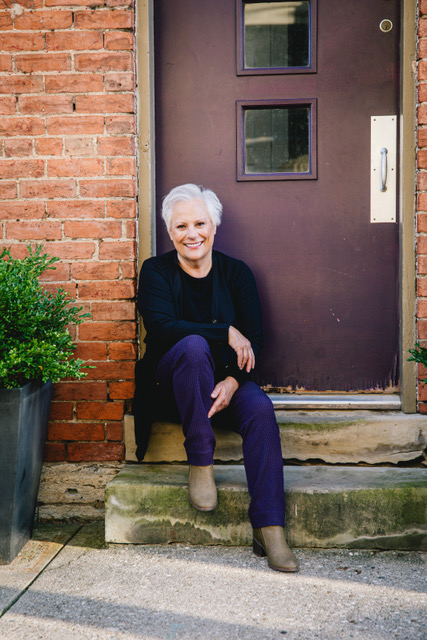
Q1. Hello Ma’am, can you please introduce yourself? Readers would love to know more about you.
Hi Sassy, thank you for interviewing me! I am trained as both a clinical and social psychologist. I have been in private practice for over 25 years. I have two adult daughters. Both are adopted from Central America. My challenge now is learning Italian! I love making pottery – being able to fully immerse my hands in clay and create something from mud. I live in Cincinnati, OH with my three dogs, Moca, Enzo and Frankie.
Q2. What were the key challenges you faced while writing ‘Fear Traps’ book?
Putting my thoughts into words. Describing how I have helped myself and my clients overcome past hurts, betrayals and past traumas that are both big and small. Fear Traps describes a dynamic process of how to heal yourself. By following the six steps in my book, healing occurs. Readers will learn to identify the source of their triggers, the impact they have on them today and how to respond in a healthy way. “Fear Traps” equips readers to heal trauma and take on new challenges with confidence and resilience. Fear is normal, but fear does not need to control you. If you’re feeling trapped in a cycle of coping mechanisms that just keep making things worse, there is a way out.
Q3. What’s your favourite spot to visit in your own country? And what makes it so special to you?
That is tough to pick just one place. I do love both the east and west coasts. For me nothing compares to Maine in the fall – I love the brilliance of the changing foliage and the beauty of the rocky sand beaches. I also love the sunshine of California, exploring the varied landscapes and terrains in the state.
Q4. Is there lots to do before you drive in and start writing a book?
For me, yes. After a shattering divorce, I found traditional therapeutic approaches wanting, so I developed the Courageous Brain Process (CBP) — an innovative, science-based method of therapy. Rooted in the most up-to-date neuroscience, it bypassed the shortcomings of traditional talk therapy to repattern the way our brains process fear.
When the results proved to be undeniably effective. My clients have been able to break free of self-destructive patterns triggered by unresolved fear I was able to dive into writing the book.
Q5. How long did it take you to write ‘Fear Traps’ book?
A long time. Shortly after I started writing Fear Traps, I was diagnosed with breast cancer. Treatment included surgery, chemotherapy and radiation. After a two year recovery I dived into the book again. Then my Editor was diagnosed with breast cancer that interrupted the process again for a year. Finally, as we neared completion, I was diagnosed with breast cancer again, a completely different kind from what I had before. Interrupted again from finishing the book. Finally, the book was finished during the COVID pandemic. Yay!
Q6. On what all platforms readers can find ‘Fear Traps’ book to buy?
At this point Amazon. We are working with Ingram for distribution to work with other sellers.
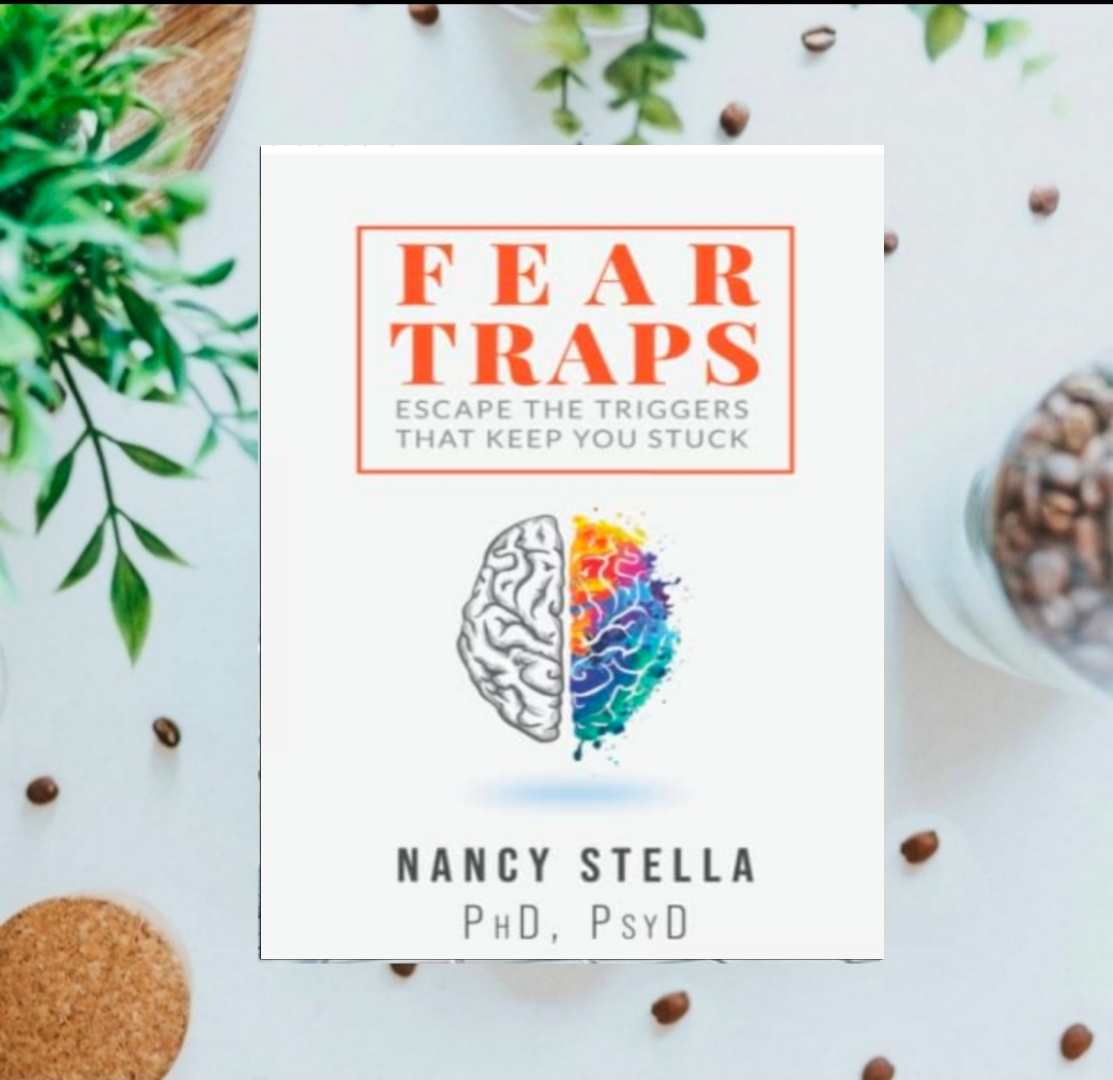
Q7. Tell us about the process of coming up with the book cover and the title ‘Fear Traps’?
I would love to take credit for that, but I can’t. Carmen Berry @BerryPowell Publishing came up with the title and Becky Rickett @BigStarProductionGroup designed the cover. We were looking for something that captured the emotions of being stuck in fear and represented the brain as dynamic. I love what they have done!
Q8. When writing a book how do you keep things fresh, for both your readers and also yourself?
Continuing my work as a clinical psychologist has allowed me to stay current with new developments and cultural trends. Fear is the root of stress and anxiety. Being human, this is our continual struggle to manage our rich emotional world.
Q9. Are there any secrets from the book (that aren’t in the blurb), you can share with your readers?
Yes, chronologically we are one age, but developmentally we are a variety of ages. What this means is anytime we are triggered; our reactions take us back to a place where we have been wounded by others. If we have not worked through these old hurts, we will react at the age at with the original hurt occurred. For example, when I was 13, I was miserably pranked by peers. I was humiliated. Going to a gathering of peers then became an experience I avoided. I carried this strong dislike of going parties into adulthood. It made me feel like I was 13 again. The problem was I tried to problem solve like a 13 year old. What work at 13 did not work at 40. Using the techniques in my book, Fear Traps, I was able to work though this unresolved hurt. I am not the life of the party, but I can now enjoy them!
Book Is Available On Amazon
 Sassy Reviews