
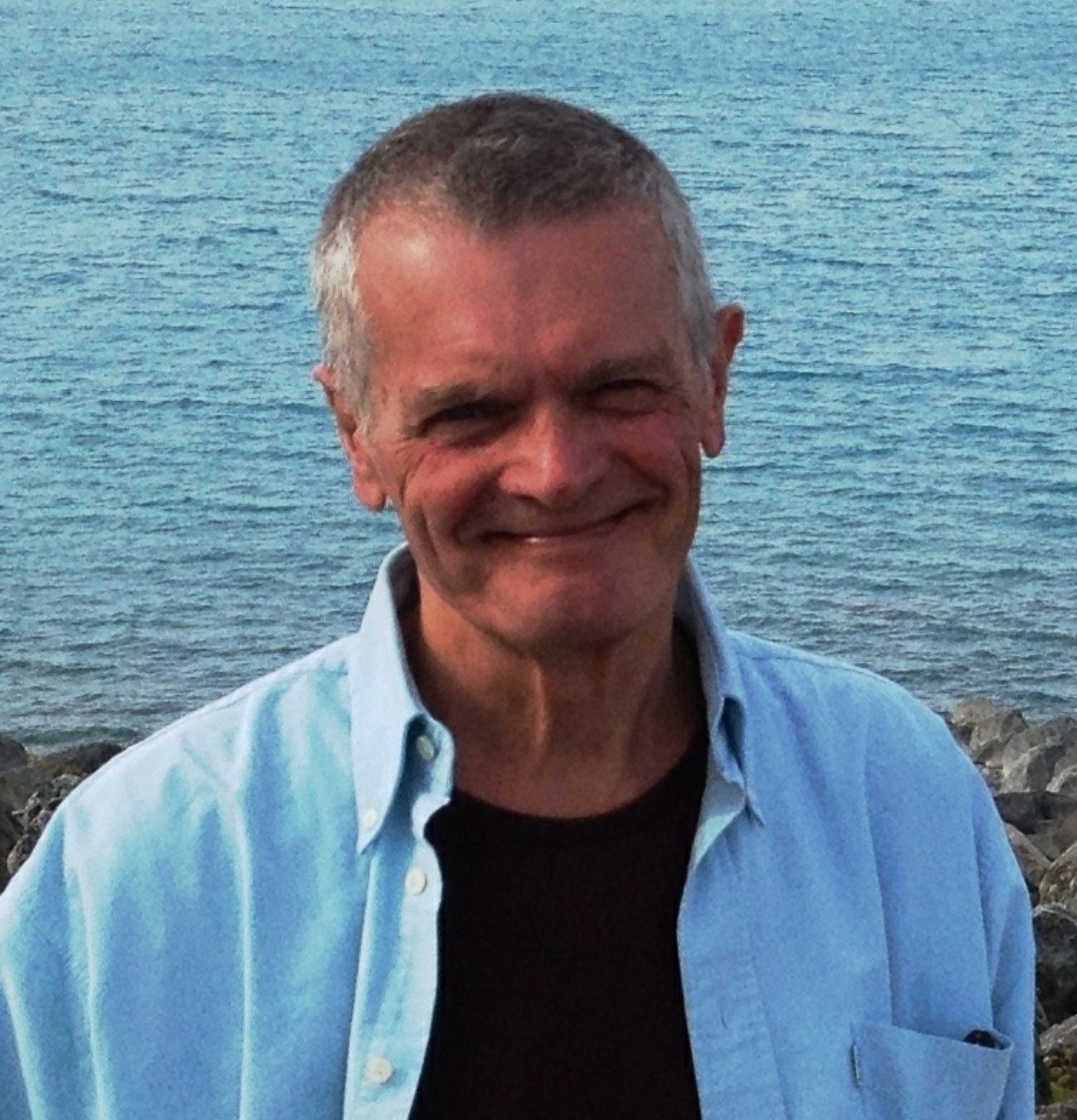
Q1. Hello Sir, can you please introduce yourself? Readers would love to know more about you.
Hi, my name’s Steve Ellis.. I’m a writer, musician, singer, narrator and English Language Teacher/Teacher trainer – oh, and more importantly, a parent and granddad! I’m British and live in Banbury, England – for your international readers, that’s not far from Oxford and Stratford-upon-Avon, Shakespeare’s birthplace.
I write stories for children, although I am also currently working on a young adult novel. My passion for writing has its roots in my childhood. Reading and writing were a pleasure, not a chore – first at home and then at school. I was fortunate! I had lots of encouragement from family and teachers who nurtured my love of books and ensured a plentiful supply of reading material. I fondly remember, – one teacher brought his personal library of children’s books into class!
A love of reading soon led to a love of making up stories and writing, both at school and at home, and many years later, my enthusiasm continues.
My experiences as an English language teacher kept him in contact with children and took him to Italy, Turkey, Thailand and Malaysia, as well as back to the UK to manage Summer Schools. Working for the British Council as Teacher Trainer, I promoted the use of illustrated storybooks as a learning aid for children to read, including using songs and role-play to make English language learning effective and fun.
I seek to pass on my love of books and reading to children.
My other main interest is music, and I have produced written and shows involving children in schools and the local community. I currently live surrounded by a load of books, two pianos, three guitars, four computers and a host of musical and video hardware and software, which often keep me up late at night. Thankfully, an app on my phone gives me a daily nudge to get out and do some exercise, which is not always welcome in a typical British winter.
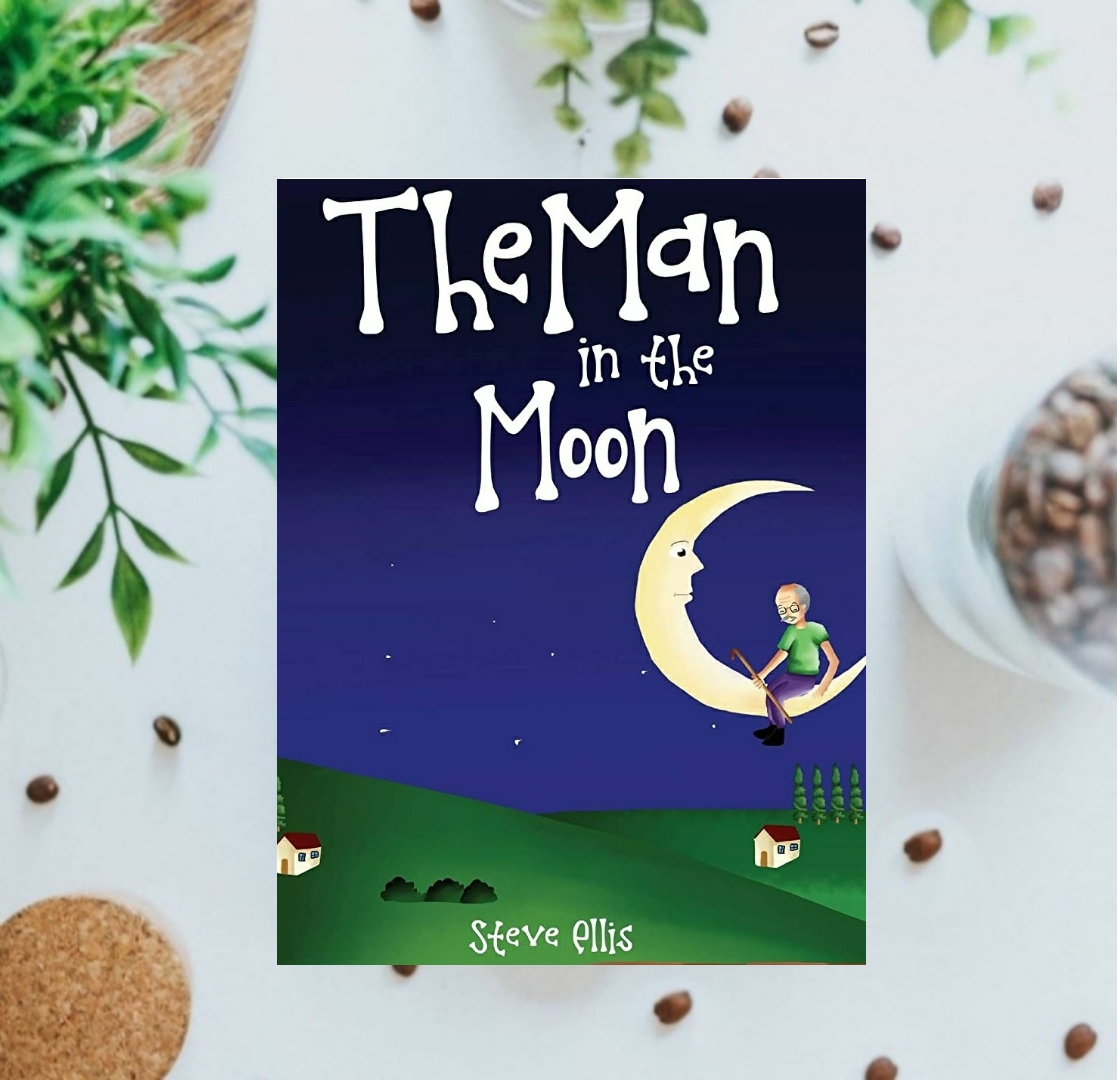
Q2. What were the key challenges you faced while writing ‘The Man In The Moon ’ book?
Only one! I’ll come back to that in a moment. ‘The Man in the Moon is a poem, a story in verse. It didn’t start as a book – it was just a written doodle I wrote many years ago, toying around with words and verse. Why did I write it? I have no idea really! I do remember I first considered the title when I was in my teens and playing around with song writing – I think the idea of the man in the moon looking down on lovers – something like that! I dismissed the idea. Anyway, later when I did write it, I thought the rhythm of the verse had a lyrical quality to it so I then set it to music, a melody I had used in one of my children’s pantomime shows. That song version is available now on video.
The challenge, if I can call it that, was that I never believed as a child that there was a man in the moon. I remember my granddad used to get me to look up at a full moon and ask me if could see the man. I could sort of make out the outlines of a man’s face, but thought it was a bit silly as where was the rest of him? Anyway, it didn’t stop me from writing the verse later, and when I briefed the illustrator, I was intrigued to see what she would come up with. But, I liked her idea and so too, it appears, do children.
Q3. What books or authors have most influenced your own writing?
Roald Dahl. Easily my favourite children’s book author. He was never afraid to introduce some reality, bad behaviour, even if exaggerated, in adults and children alongside the fantasy! I should say that I have also always loved J M Barrie’s ‘Peter Pan’, which I made into a musical version some years ago. I love the last few words at the end of the book, ‘ … and thus it will go on, so long as children are gay and innocent and heartless.’ I always found the contrast between ’innocent’ and ‘heartless’ striking. I wonder if your readers would ever consider that they can have both qualities?
Q4. What’s your favourite spot to visit in your own country? And what makes it so special to you?
There are many beautiful spots in the UK. My countryside is probably The Yorkshire Dales, where I lived for a time. Older readers may remember it as the location for the TV series ‘All Creatures Great and Small’. My favourite city is York which has both Roman and Viking history.
Q5. Is there lots to do before you drive in and start writing a book?
No, not really with stories for children. I have tended to come up with a concept and a working title first, so the only problem is constructing a plot that is somehow plausible, as well as being fantasy. Elements have to link and there has to be a sort of credibility to how the story unfurls and reaches a resolution.
Q6. How long did it take you to write ‘Bossy Boots’ book?
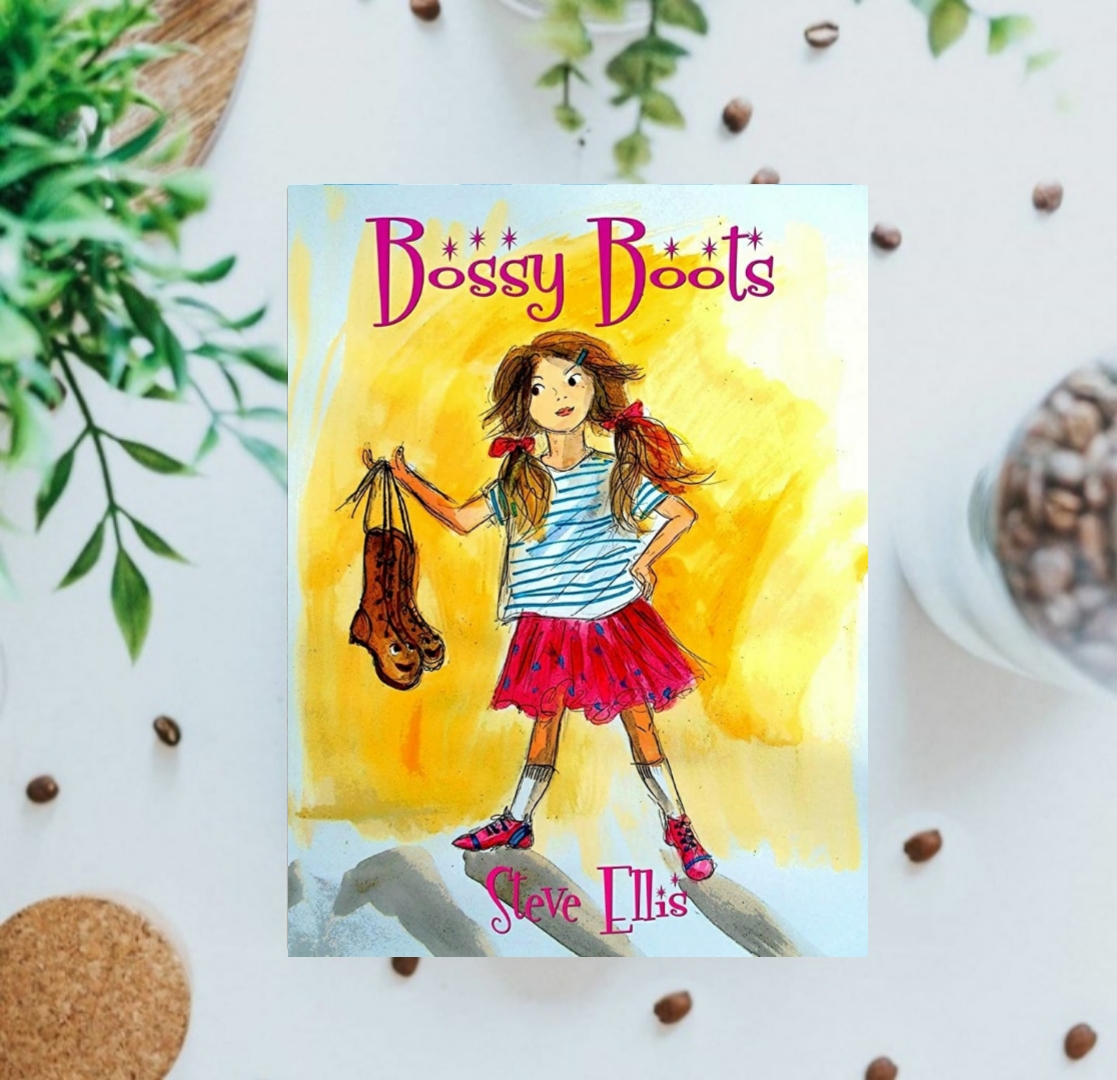
I honestly cannot remember. As with some of the other books, it started not as a written book, but as audio with music and songs. The hardest part was creating the songs and music, but, of course, they are not in the book version. When, I decided to publish it as a book, the editing took some time because the original audio version depended upon the songs to tell part of the story. I still included some of the lyrics in the book, bits where the boots, not the girl, are speaking in verse.
Q7. On what all platforms readers can find your books to buy?
Amazon and now I am just about to make them available on my new website, The Read Sing Play Well. https://www.thereadsingplaywell.com/ There are also videos and songs available.
Q8. Tell us about the process of coming up with the cover and the title of your books?
I use a platform called Fiverr, which has many illustrators who show examples of their work amongst other services offered. I look for ones whose previous work matches the kind of thing I want and have an initial discussion to find out if I think they can understand what I am seeking and if we would work successfully together. The illustrator I have most enjoyed working with is Roz, from Ireland, who produced the illustrations for ‘Bossy Boots’ and ‘Who Knocked Out Santa Claus?’. We had an excellent rapport and I love her work. Her images are so amusing, sad, touching, dramatic – depending upon the part of the story – and they have a vibrancy—a sort of movement in them which almost makes them seem animated. I just wish I could make them even more prominent in the books!
Q9. When writing a book how do you keep things fresh, for both your readers and also yourself?
For children’s stories, I try to imagine what I would like to read if I was a child, the kind of things, situations that would make me laugh, sad, scared and so on. Working with children as an educator helps because it keeps me in contact with kids. In the case of the young adult novel I am writing, I am trying to make it very contemporary to fit events that are happening, or could happen, in the world today. To say much more would give the theme away! I j pretty well know the plot outline and have made a good start on the writing. I just need to find the time to get on with it – and stop myself doing too much self-editing as I write – something I’m guilty of doing as I get over-critical and analytical, at times.
Book Is Available On Amazon
 Sassy Reviews