
Q1. Hello, can you please introduce yourself? Readers would love to know more about you.
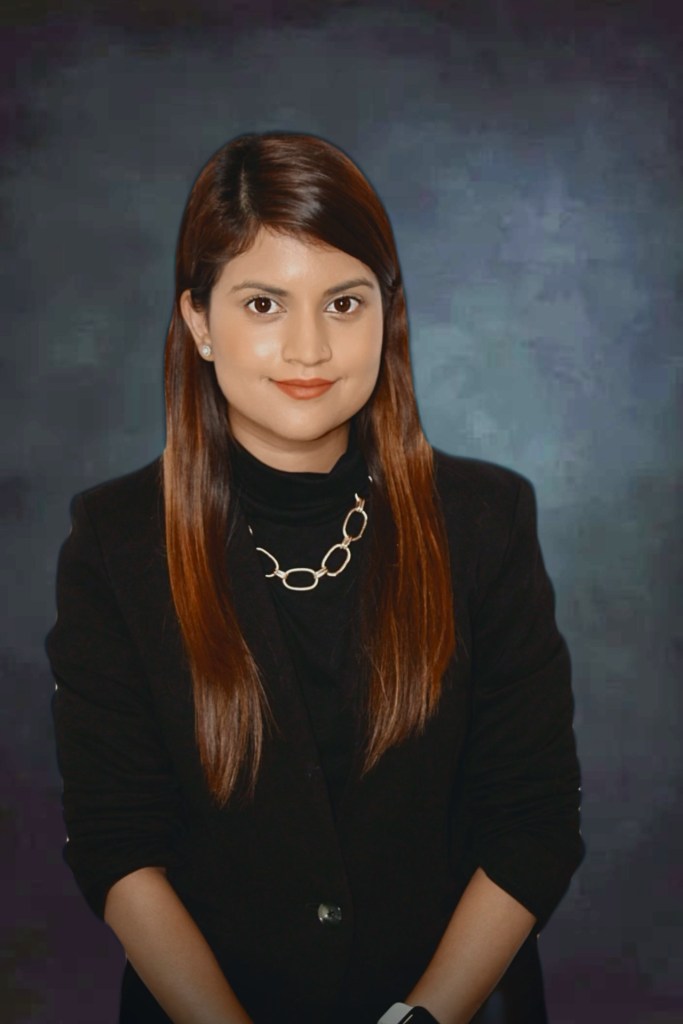
My name is Nimia Hossain, and I’m a finance professional, a mentor, and now—an author. I’ve spent over seven years in the financial industry, currently serving as a seasoned professional at one of America’s top financial institutions. Beyond numbers and spreadsheets, I’ve always been curious about what drives us, what keeps us centered, and how we balance ambition with well-being. That curiosity inspired me to write The Power of Balance.
Q2. What were the key challenges you faced while writing your book The Power of Balance?
One of the biggest challenges was weaving together the many pieces of polarity I explore—like introversion vs. extroversion, confidence vs. humility. Life is full of contradictions: we’re told to be confident but not arrogant, strong yet vulnerable. How do we find balance in a world of opposites? That question drove me to create a guide filled with reflection and action-based exercises at the end of each chapter.
The book is divided into four parts:
- Part 1: Personality dynamics (e.g., introversion vs. extroversion)
- Part 2: Mental and emotional balance (e.g., logic vs. creativity)
- Part 3: Personal growth (e.g., structure vs. flexibility)
- Part 4: Practical harmony (e.g., control vs. letting go, discipline vs. play)
Q3. What books or authors have most influenced your own writing?
I deeply admire Brené Brown for blending research with authenticity, and Susan Cain, Jay Shetty, and Vex King for their relatable, heartfelt insights. They taught me that writing doesn’t have to be complicated to be powerful—it just needs to be true. Lately, How to Be Yourself by Ellen Hendriksen has also touched me in unexpected ways.
Q4. What’s your favourite spot to visit in your own country? And what makes it so special to you?
My favorite place is my childhood neighborhood—Sunnyside, Queens in New York. I still remember when the Spider-Man movie was filmed right in front of my building. It made my little world feel magical and connected to something bigger. Today, it reminds me that while we may not have superheroes swinging through the skies, we do have everyday heroes—people who uplift others with kindness and compassion.
Q5. What inspired you to write The Power of Balance?
I realized that many people chase perfection when what we really need is balance. Balance isn’t about getting everything right—it’s about finding harmony in life’s unpredictability. In a fast-paced world, this skill is more important than ever. We juggle careers, relationships, personal growth, and societal expectations. Without balance, we risk burnout and losing sight of who we are. This book helps readers identify the extremes they face and learn how to harmonize them.
Also, I noticed that not many books are mission-driven. One of my biggest goals—beyond education—is to donate all proceeds to fighting hunger, a cause I care deeply about.
Q6. How long did it take you to write your book The Power of Balance?
About three months from the first outline to the final edit. But in many ways, I’ve been writing it my whole life—through every experience, struggle, and breakthrough.
Q7. On what platforms can readers buy your books?
The Power of Balance is available worldwide on Amazon in both paperback and Kindle formats:
👉 https://www.amazon.com/dp/B0DYZ5ZMZD
You can also join the growing community on Instagram:
📸 https://www.instagram.com/thepowerofbalanceofficial/
Q8. Tell us about the process of coming up with the book cover and the title The Power of Balance.
I wanted the cover to reflect calm, clarity, and quiet strength—values that run through the book. The chessboard symbolizes polarity, strategy, and emotional intelligence. The title came naturally. Balance isn’t just a concept—it’s a hidden power we all carry, and it’s time we start using it.
Q9. When writing a book, how do you keep things fresh—for both your readers and yourself?
I kept reminding myself of why I was writing. That sense of purpose kept things from feeling routine. I also varied the structure—some chapters are introspective, others more practical—with exercises to help readers apply what they’ve learned.
Q10. What is the most valuable piece of advice you’ve been given about writing?
“Don’t wait to be perfect. Just be honest.” That gave me the courage to write with vulnerability. Readers don’t connect with perfection—they connect with truth.
Buy book on Amazon
 Sassy Reviews