
Q1. Hello, can you please introduce yourself? Readers would love to know more about you.
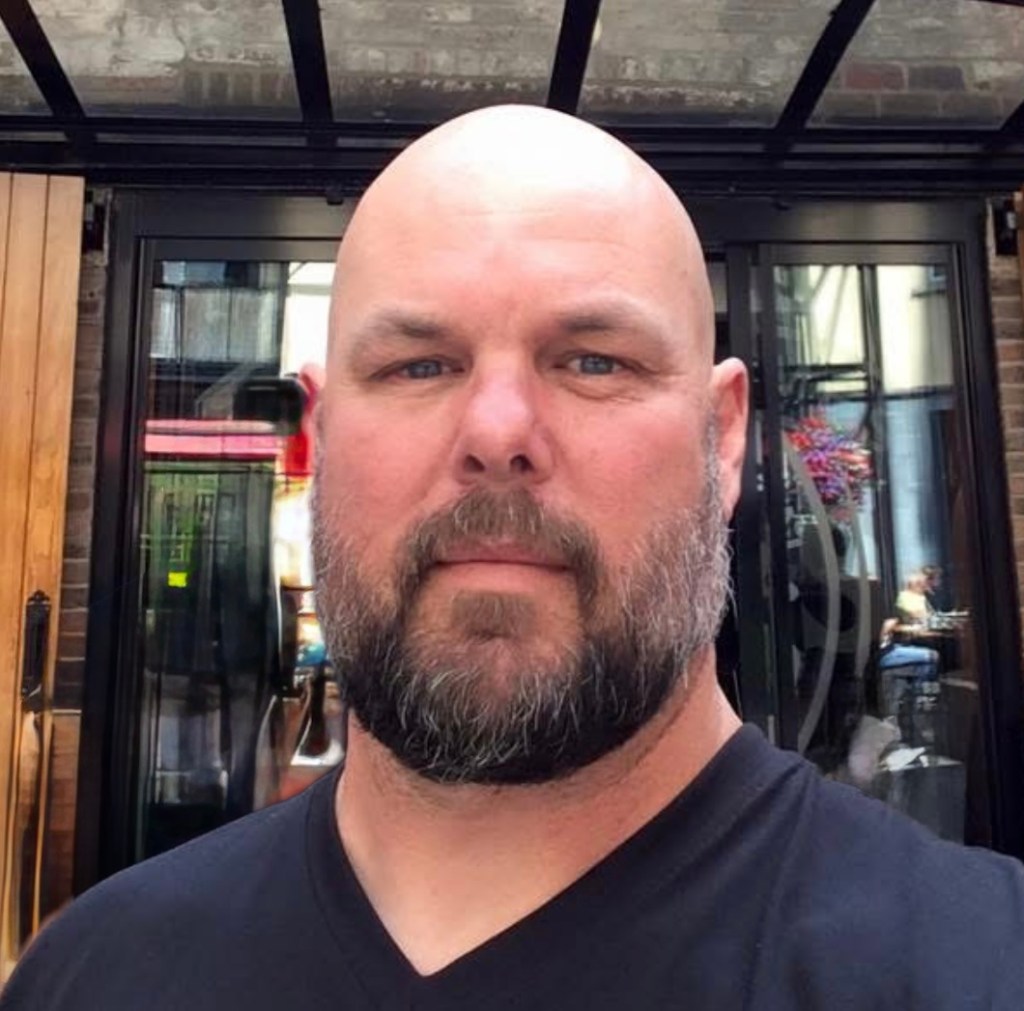
A1. I’m James Snow— I am a retired Sergeant from the San Bernardino County Sheriff’s Department with over 28.5 years in law enforcement. I am a former SWAT sniper and Major Accident Investigation Team leader, and a guy who’s had to “pivot” more than once after injury, loss, and transition. I also spent over a decade as a college professor teaching criminal justice and running the extended police academy for the college. Today I build furniture and historic wood lighting in my small shop, Snow Woodworks, and I write and speak about how to move forward when the mission changes. My book, The Pivot, is a field guide for anyone who’s staring down a hard change and wondering what’s next.
Q2. What were the key challenges you faced while writing your book “The Pivot”?
A2. Three big ones:
Telling hard truths with respect. I had to protect people’s privacy while still being honest about the lessons learned.
Switching mindsets. After-action reports are one thing; writing a book people want to read is another. I learned to trade law enforcement jargon for plain English and story.
Indie publishing logistics. ISBNs, print specs, metadata, and distribution were a new world. Worth it—but a grind.
Q3. What books or authors have most influenced your own writing?
A3. Well I have been a voracious reader since I was a kid….I started on Louis L’Amour westerns and moved on to fiction (thrillers) Brad Thor, Vince Flynn, Jack Carr, etc. and non fiction – generally leadership stuff – Leaders Eat Last (Simon Sinek) for leadership strategies and the why, Extreme Ownership (Jocko Willink & Leif Babin) for accountability. Man’s Search for Meaning (Viktor Frankl) for purpose in suffering. The War of Art (Steven Pressfield) for beating resistance. And Jim Collins’ Good to Great—a reminder that excellence is a choice.
Q4. What’s your favourite spot to visit in your own country? And what makes it so special to you?
A4. Well with where I live in southern California, I can be in the mountains (Big Bear or Lake Arrowhead) in under an hour or I can drive to the beach within an hour. I grew up a couple miles from Huntington Beach and was able to ride my bike to surf before school every morning and that will always hold a special place for me.
Q5. What inspired you to write the book “The Pivot”?
A5. After decades in uniform and then a forced change, I watched too many good people stall out—isolated, angry, or stuck in the past and the final catalyst was when one of my friends stuck in this cycle with loss of purpose took his own life. It is a real thing in the world I come from – as well as other service related jobs and I wanted to do what I could to give people hope that there is more out there and their journey isn’t over just because a job ended. I wrote the book I needed: practical steps, straight talk, and stories that say, “You’re not done. Here’s how to re-aim your life.”
Q6. How long did it take you to write your book “The Pivot”?
A6. About a year of focused writing and revision—built on three decades of lived experience. The pages went faster once I treated it like training: daily reps, no excuses.
Q7. On what platforms can readers buy your books?
A7. Hardback, Paperback and eBook are available on Amazon. You can also request it through your local bookstore via IngramSpark distribution. Easiest hub for links: my site, snow-woodworks.com.
Q8. Tell us about the process of coming up with the book cover and the title “The Pivot”.
A8. The title had to be simple and actionable—what you do when the path changes? When a lot of people think of a pivot, they think of basketball and pivoting back and forth to find the right direction to go….I liked that tie in and visual. The cover features a brass compass and woodworking tools—navigation and craftsmanship—because rebuilding a life is both: know where you’re headed and have the skill to make it. The subtitle, “A Guide to Moving Forward When the Mission Changes,” makes the promise clear.
Q9. When writing a book how do you keep things fresh, for both your readers and also yourself?
A9. I pressure-tested every idea against the street: “Would this help someone at 2 a.m. on their worst day?” After I was basically done, I gave the manuscript to a few close friends who I trust – one of them a writer and filmmaker and then I rotated between story, step-by-step tools, and reflection prompts so the reader gets insight and action. For me, I reset in the woodshop—hands on tools keep the writing honest.
Q10. What is the most valuable piece of advice you’ve been given about writing?
A10. “Serve the reader, not your ego.” Say it straight and cut what’s clever but not useful. Be honest, because you readers will see through B.S. My friend Chris Lee’s book is titled “The Story Comes First” and I think that is a great insight to have….serve the story – don’t try to steer it where you want it to go. Let it play out and just record it for others to read, see, and learn from and the rest will work itself out.
Buy book on Amazon
 Sassy Reviews