
Q1. Hello, can you please introduce yourself? Readers would love to know more about you.
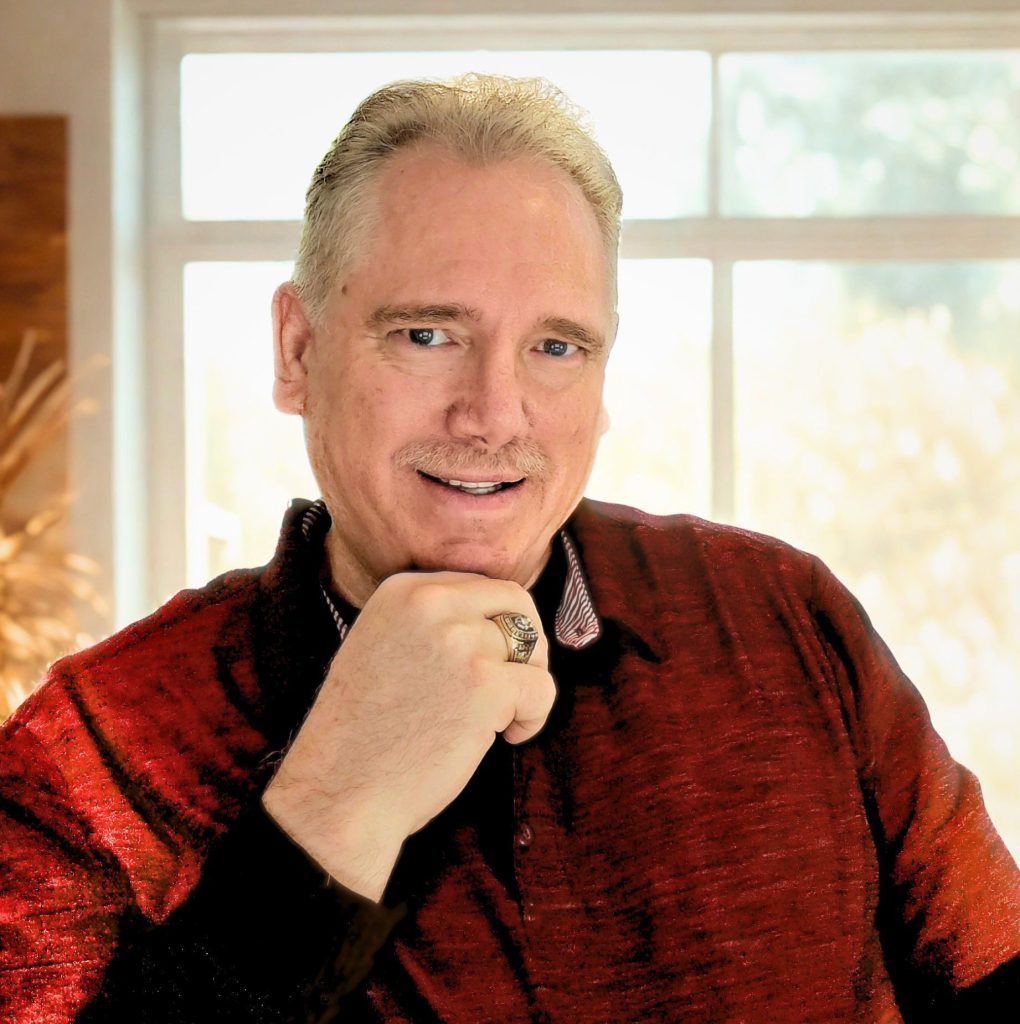
A1. My name is Dr. Steve Hudgins. I am a counselor, professor, author, podcast host, military veteran, and cancer survivor who was once told I had a 34 percent chance of living. Those experiences changed how I see life, relationships, and what truly matters. I spend most of my work focused on families, trauma, attachment, and identity, especially within blended families, which I now like to call mosaic families because no two look the same and every piece matters.
Outside of my professional life, I enjoy traveling and have been fortunate to see many parts of the world. I am an avid photographer and love capturing moments that tell a story. I actually left the engineering field to do this work because helping people make sense of their lives felt far more meaningful than anything I was building on paper.
Q2. What were the key challenges you faced while writing your book “Piece by Piece – My Blended Experience of a Mosaic Family”?
A2. The biggest challenge was staying transparent and true to the story without letting outside voices shape it for me. There is a lot of research, opinion, and expectation around blended families, and it would have been easy to let other researchers, models, or popular narratives influence the direction of the book. I had to be intentional about not writing from a place of bias or pressure to fit an existing framework.
I wanted the book to reflect lived experience as it actually unfolds, messy, layered, and unresolved at times. That meant resisting the urge to overexplain, defend, or correct the story with theory. The goal was not to prove a point, but to tell the truth with clarity and respect, allowing readers to find themselves in the pages rather than be guided toward a predetermined conclusion.
Q3. What books or authors have most influenced your own writing?
A3. I am drawn to writers who communicate depth in a way that feels personal and accessible. Authors like Sarah Young and Max Lucado have influenced me because of how they blend reflection, hope, and honesty without making things feel heavy or complicated. Their writing creates space for the reader rather than telling them what to think.
I am also influenced by stories, conversations, and lived moments more than any single book. Listening to people, sitting with real experiences, and paying attention to what resonates emotionally has shaped my voice just as much as anything I have read.
Q4. What’s your favourite spot to visit in your own country? And what makes it so special to you?
A4. My favorite places to visit are anywhere with mountains, streams, and lakes. There is something grounding about being near water and wide open spaces. The pace naturally slows, the noise fades, and perspective returns.
After seasons of military service, cancer, and navigating complex family dynamics, those environments give me room to breathe, reflect, and reset. I also enjoy photography in those settings because nature tells its own quiet story, one that does not need explanation.
Q5. What inspired you to write the book ‘Piece by Piece – My Blended Experience of a Mosaic Family’?
A5. I was inspired to write Piece by Piece because I kept seeing a gap in how blended families are talked about. There is a lot of pressure for families to fit into the “blended” label, but that term often flattens people into roles instead of honoring them as individuals with histories, losses, and identities of their own. Many existing books approach blended families from a clinical or instructional angle, but they often miss the voices of people actually living inside those families.
What felt missing was conversation. Real stories. Lived experience alongside clinical insight, not as a set of directions, but as shared understanding. I wanted to bring together personal experience, public voices, and research in a way that felt human and relatable, not prescriptive.
The mosaic concept emerged because it allows every person to remain whole while still becoming part of something new. This book is not meant to tell families what to do. It is meant to sit with them, name what they are experiencing, and remind them that complexity does not mean they are doing it wrong. It often means they are doing something honest.
Q6. How long did it take you to write your book ‘Piece by Piece – My Blended Experience of a Mosaic Family’?
A6. The book took several years to come together. It was shaped over the course of my three-year doctoral program and research process. Much of the material was inspired by my doctoral work, and I was able to thoughtfully adapt portions of my dissertation into the book. Alongside that, I spent time collecting stories from individuals who were willing to share their experiences, always with protected identities and respect for their privacy.
While the final writing happened within a more focused window, the heart of the book was formed over years of listening, research, reflection, and lived experience. It truly came together piece by piece, both academically and personally.
Q7. On what platforms can readers buy your books?
A7. Readers can purchase my book on Amazon, as well as directly through my website. I also recently held an in-person author signing to promote the book, which has been a meaningful way to connect with readers face to face. I keep several copies in my office that are available for purchase and can be personally autographed for those who would like a signed copy.
Q8. Tell us about the process of coming up with the book cover and the title ‘Piece by Piece – My Blended Experience of a Mosaic Family’?
A8. The title and cover came from a desire to move away from labels that no longer tell the full story. Terms like “blended family” or “stepfamily” often fail to describe what is actually happening inside these homes. They do not capture boundaries, individuality, or the reality that people come together carrying past hurts, histories, and hope. In many ways, those terms flatten something that is deeply personal and complex.
I wanted language that honored the individuals, not just the structure. While some cultures use terms like “bonus family,” that still did not fully reflect the lived experience. The idea of a mosaic felt different. Each person is a distinct piece, shaped by their past, yet capable of letting light pass through. The boundaries matter, just like the grout in a mosaic, because they hold the pieces in place without erasing their uniqueness.
The phrase Piece by Piece reflects how families are formed over time, not all at once. The cover was designed to visually echo that idea, individual shards coming together within clear boundaries to form something meaningful, unique, and resilient.
Q9. When writing a book how do you keep things fresh, for both your readers and also yourself.
A9. For me, keeping things fresh starts with staying curious. I try not to write from a place of having all the answers. Instead, I write from a place of discovery. When I am learning or reflecting honestly on something, readers can feel that. It keeps the process alive rather than mechanical.
I also move between story and insight. Real-life experiences, whether my own or those shared with permission, keep the writing grounded. When you stay connected to real conversations and real people, the material does not become stale.
Q10. What is the most valuable piece of advice you’ve been given about writing?
A10. The most valuable advice I have been given is to write honestly before worrying about how it sounds. You can always refine words and structure later, but you cannot edit authenticity into a page if it was never there to begin with. When writing comes from a real place, readers feel it. Even if they cannot explain why, they recognize the truth when they encounter it.
Buy book on Amazon
 Sassy Reviews