Interview with author Inga R. Harrison

Book: This Can’t Be Life
Q1. Hello Ma’am, can you please introduce yourself? Readers would love to know more about you.

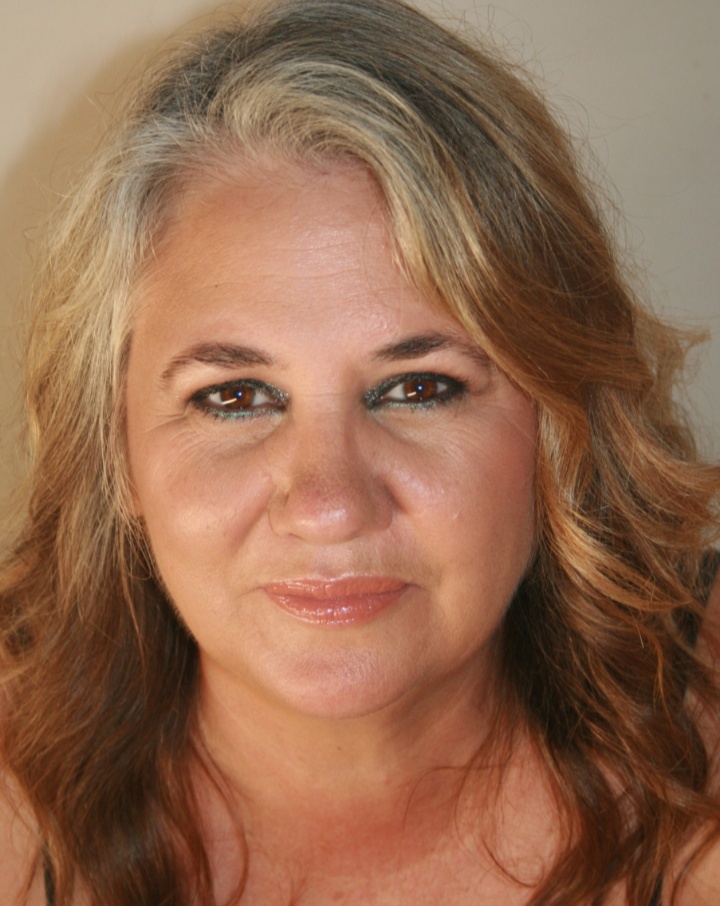
Inga R. Harrison is originally from Dallas, Tx and currently lives in the DMV area. She is a graduate
of the University of Oklahoma’s Gaylord School of Journalism and telling stories that uplift others
has always been her passion. Through comical and transparent storytelling she leads readers through dating and relationship disasters in “This Can’t Be Life”. She encourages women through
her own journey to share and learn from theirs, with the opportunity to journal after every heartbreak she details from her own life and others’. She is the owner and creator of Girl Say What, a conversational card game that is sure to keep your communications as fun and as real as
“This Can’t Be Life”.
Follow me @girl.say.what on IG
http://www.instagram.com/girl.say.what

Q2. What were the key challenges you faced while writing ‘This Can’t be Life’ book?

At first it was finding the time to write. Once I got furloughed from my job due to the pandemic, I had a lot of time to finish the book. I am a believer that everything happens for a reason and I finished one of my goals because of the pandemic.

Q3. What books or authors have most influenced your own writing?

One of my favorite writers is Toni Morrison. Her voice was so important and is truly missed.

Q4. What’s your favourite spot to visit in your own country? And what makes it so special to you?

Dallas, Texas. All of my family is there and that will always make it the most special place to me.

Q5. Is there lots to do before you drive in and start writing a book?

I would say the most important
thing is to just start writing!

Q6. How long did it take you to write ‘This Can’t be Life’ book?

Once I really got focused it only took
me 4 months to finish writing the book.

Q7. On what all platforms readers can find your books to buy?

Amazon https://www.amazon.com/dp/1647750822
My Website : https://girlsaywhat.org/prod…/girl-say-what-thiscantbelife

Q8. Tell us about the process of coming up with the cover and the title of your books?

I had come from another trainwreck of a date. I got on the app Marco Polo to download the events of the disaster with my girlfriends. As I was talking I said I need to write a book because I
cannot make this stuff up! One of my girlfriends was like you should rename this group chat to This Can’t be Life and the rest is history. The cover of the book is a shattered glass slipper. As little girls we grow up reading fairy tales and thinking there is a Prince Charming coming to save us and make us into Queens or Princesses. The shattered slipper represents that myth and fairy tale as not always being true. Queens are not made, they are born and not because some man aka Prince Charming comes to save us and gives us that title…so I shattered Cinderella’s slipper on my cover. Being a Queen is a woman’s birthright.

Q9. When writing a book how do you keep things fresh, for both your readers and also yourself?

We own every experience that happens to us. I tell my stories. I tell stories of the women around
me. Life in itself is an experience that should be shared, I keep it fresh by continuing to live the life I was given and sharing it with others.

Q10. Are there any secrets from the books (that aren’t in the blurb), you can share with your readers?

The book is also a journal for women to reflect on their own journey through the dating gauntlet. I also shared one in why the cover is what it is. That is actually the last chapter of the book.

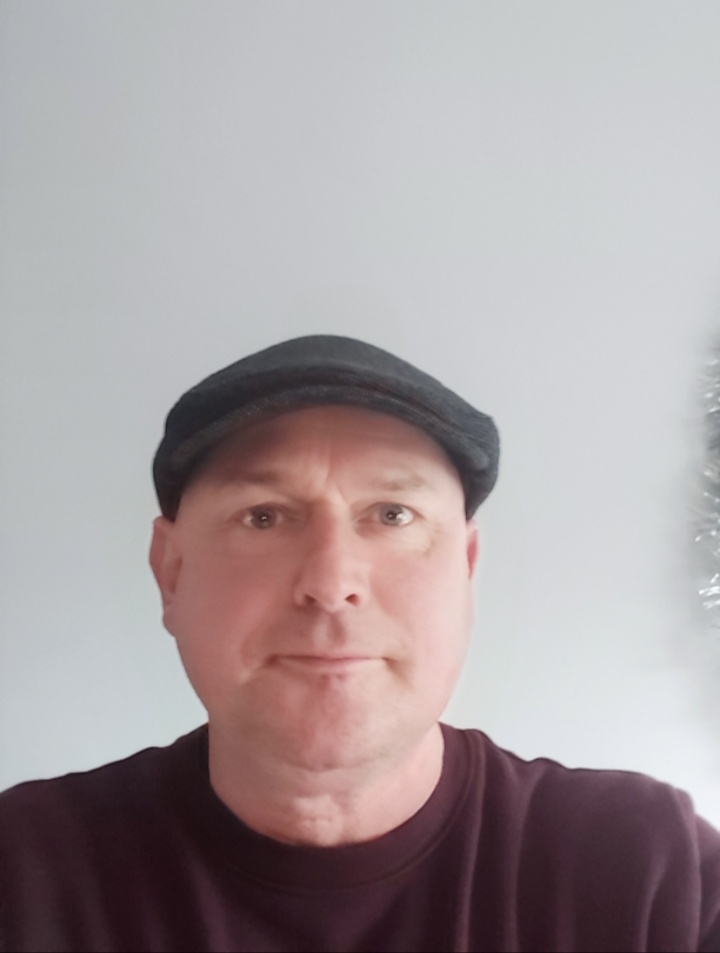
Author’s Profile

Book Is Available On Amazon

This Can’t Be Life

Interview with author Michael Wj Wilgar

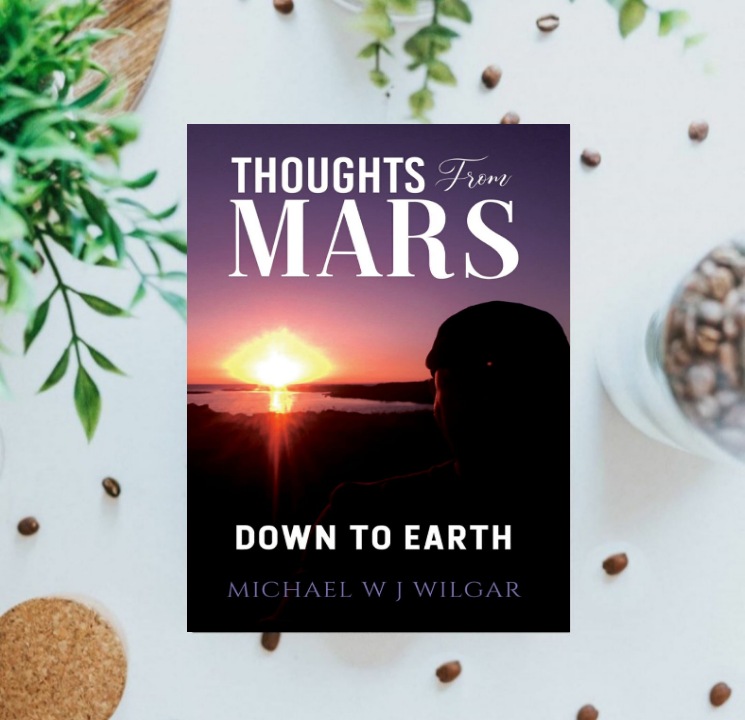
Book: Thoughts From Mars: Down To Earth

Q1. Hello Sir, can you please introduce yourself? Readers would love to know more about you.

Hi, my name is Michael Wilgar. I’m fifty years old, I live in Northern Ireland, I’m a father and a husband. I mainly work in the building trade; I’m a fifth-generation builder operating in and around our capital city, Belfast. I’m also into motorcycles and love to tour around the UK and Ireland taking in as many sights as I possibly can during free time. I started writing three years ago. I was researching my family tree when I started to wonder why my ancestors didn’t write anything down to tell of what their life was like. That’s when I decided to write stuff down about my life, and what we got up to as kids growing up in Northern Ireland during the troubles, we had fun, it wasn’t all guns and bombs.
My first two books ‘ Bikes Cars and Thoughts from Mars’, are novella size short chapter easy reads. I like to think that many years from now, my descendants will pick up one of my books and smile.

Q2. What were the key challenges you faced while writing ‘Thoughts From Mars: Down To Earth’ book?

Thoughts from Mars – Down to Earth was extremely challenging for me; anyone who reads it should understand why. On the 26th May 2019, my eldest boy died from drugs poisoning; he was just twenty-seven years old. I felt I had a responsibility to write this book to tell the story of how easy it is for a young life to be lost when a person gets involved in dangerous substances. I also like to reflect the fact that there are many uplifting things in life which will make you feel good, no drugs required. I know my writing style is quite random, but that’s the way I like to write, being myself. I guess everyone has their individual style, I think it’s important to hang onto that and don’t try and be somebody you’re not.

Q3. What books or authors have most influenced your writing?

Everything from Robinson Crusoe to John Nichol’s ‘Return of the Dambusters. I love many different books, but I very much love to read motorcycle adventure books which give an accurate account of other countries and the people who live there.

Q4. What’s your favourite spot to visit in your own country? And what makes it so special to you?

There are so many stunning places that have left their mark on me, but, the old pier at Brompton that overlooks Belfast lough near Bangor town is the most special. It is the spot where I asked my wife to marry me, and the place where my ashes will be scattered when my time on this earth is up.

Q5. Is there lots to do before you drive in and start writing a book?

For me, It’s more about getting my thoughts in order, trying not to overthink the hell out of it and getting a flow going. I write because I enjoy it, if I didn’t, I wouldn’t bother.

Q6. How long did it take you to write ‘Thoughts From Mars: Down To Earth’ book?

In and around a year. I wrote down a lot more than I published.

Q7. On what all platforms readers can find ‘Thoughts From Mars: Down To Earth’ book to buy?

My book is available on Amazon in both paperback and Kindle format.

Q8. Tell us about the process of coming up with the book cover and the title ‘Thoughts From Mars: Down To Earth’?

I do the main design myself choosing images from the many hundreds of photographs I take when I’m travelling around.
I thought of the Thoughts from Mars when I was writing my first book, it’s a, men are from Mars, and I’m a bloke reference. The Down to Earth refers to staying grounded in life, and try not to lose focus on what’s most important.

Q9. When writing a book, how do you keep things fresh, for both your readers and also yourself?

I’m not sure I do. I just write what I feel like writing and hope someone might enjoy and get something from what I have to say, that’s it really.

Q10. Are there any secrets from the book (that aren’t in the blurb), you can share with your readers?

Not that I know of, If someone finds any, please tell me. I wear my heart on my sleeve, what can I say!

Author’s Profile

Book Is Available On Amazon

Thoughts From Mars: Down To Earth

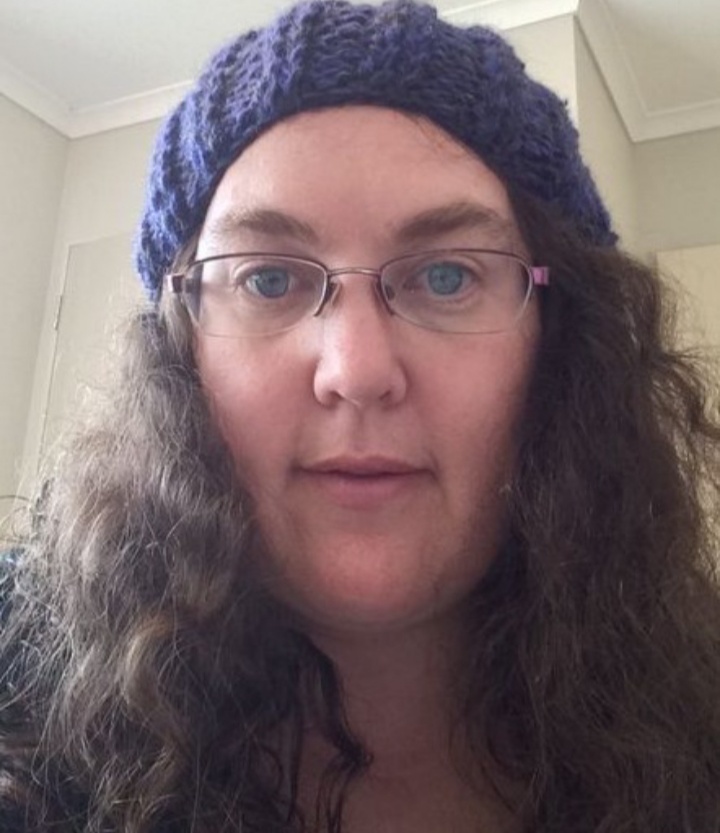
Interview with author Jo Dawson

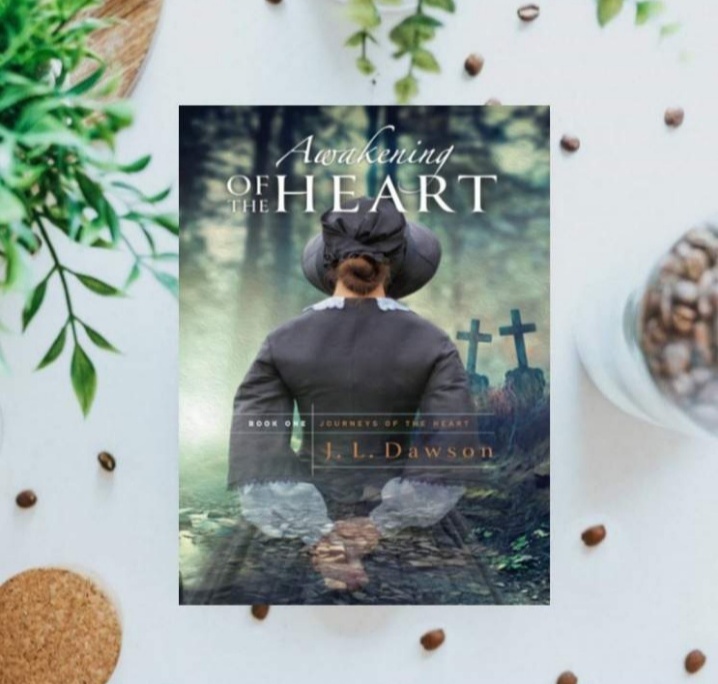
Book: Awakening Of The Heart

Q1. Hello Ma’am, can you please introduce yourself? Readers would love to know more about you.

My name is Jo Dawson I was born and raised in Wellsford, North of Auckland, on a dairy farm. I was a primary school teacher for more than 15 years in New Zealand and I also spent some time in the USA and Australia. I’m a committed Christian and my faith plays a pivotal role in my life and in my writing. I hope that my books encourage other Christians to turn to God in the good and bad times. To find our support networks and through it all chose joy.

Q2. What were the key challenges you faced while writing ‘Awakening Of The Heart’ book?

Self-belief was one of the biggest challenges. It took me some time to believe my story was actually one that people would actually want to read. I found a few passages tough to write because they were telling some of my own story of the battles I’ve faced in my life.

Q3. What books or authors have most influenced your own writing?

Laura Ingalls Wilder – Little House on the Prairie series.
Lucy M Montgomery’s – Anne of Green Gables series
Louisa May Alcott’s – Little Women series
Janette Oke, Christian Author
Francine Rivers
Pretty well any classical literature from Tolkien to Dickens, I have an extensive collection, poetry as well.

Q4. What’s your favourite spot to visit in your own country? And what makes it so special to you?

This might seem like a strange choice, but the little Waikato town of Matamata. I lived there for 13 years and it’s a fabulous little town with all the shops you need, plus plenty of cafes and easy travelling to three cities.

Q5. Is there lots to do before you drive in and start writing a book?

There wasn’t for me, it just sort of happened. I carried around the story in my head for some time so once I started to write it down it happened rather quickly. The rest of the series just flowed after that as I looked forward to developing more characters and finding out how they would respond to real situations.

Q6. How long did it take you to write ‘Awakening Of The Heart’ book?

I started it around 11 years ago, got to chapter nine and just stopped. I shelved it until a couple of years ago when I showed it to a friend and she insisted I finish it. Then it happened very quickly over the space of a few months. Once I get the ideas I have to get them down on paper or they rattle around in my brain. Once I start writing it’s as if all the ideas just come tumbling out. It all comes together in a short time after that.

Q7. On what all platforms readers can find ‘Awakening Of The Heart’ book to buy?

Amazon.com, Kobo.com, Koorong.com, Bookdepository.com, Sparklemoonpublishing.net. It’s available in Paperback and E-book.

Q8. Tell us about the process of coming up with the book cover and the title ‘Awakening Of The Heart’?

I actually had the name of the book before I even had the main idea. I just woke up with the idea one morning; I believe it was God-given.
My publisher’s brother Tony, was the designer for the cover. We met together for a brief time and talked about the vision. He really captured that and ran with it. He came up with a number of ideas and then we tweaked them until we had the final result, I was really happy with it, I wanted the right combination of love story and tragedy, some idea of the time period of the book without giving away too much. I really think what Tony did was excellent.

Q9. When writing a book how do you keep things fresh, for both your readers and also yourself?

It wasn’t easy. I’ve read so widely in this genre and watched plenty of tv and movies from the same period so it was hard to come up with some new ideas but once I started writing about Abigail the ideas all came tumbling out. I often wonder how a character would respond to this situation or that event so I write it down and it’s as though I’m living the situation with them. It’s often very emotional for me.

Q10. Are there any secrets from the book (that aren’t in the blurb), you can share with your readers?

I’m reluctant to give away too much but I can tell you there are some very lovable characters, like the Murphy’s and Declan O’Leary the rather eccentric Lighthouse Keeper. I can tell you that Motherhood doesn’t look quite the way Abigail expected it to, there are plenty of ups and downs as she navigates tragedy and joy with the help of her God, her friends and her precious baby.

Book Is Available On Amazon
Awakening Of The Heart

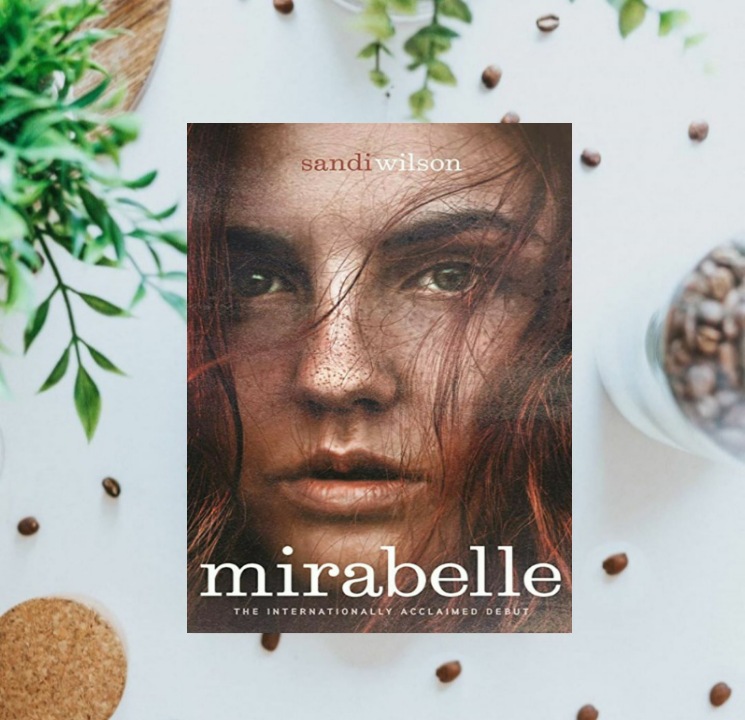
Interview with author Sandi Wilson

Book: Mirabelle

Q1. Hello Ma’am, can you please introduce yourself? Readers would love to know more about you.

My name is Sandi Wilson, and I hail from a small-town north of Auckland, New Zealand. As a teenager, I was encouraged to write by my English teacher, but I didn’t take this up until in my forties. I am a Mother of three, Bonus Mother of two, a devoted Wife and also the Publisher at SparkleMoon Publishing, who produces this and other books.

Q2. What were the key challenges you faced while writing ‘Mirabelle’ book?

Time. In the midst of writing, I had to put the book on hold for around six months, due to my elderly father’s illness. But once I came back to it, it flowed amazingly quickly. The other challenge was believing I had something worth publishing.

Q3. What books or authors have most influenced your own writing?

Of course, being a Christian, the Bible is first and foremost. However, most writings by Brock & Bodie Thoene have impacted me and given me a great love of history and fiction woven together.
William. P. Young, ‘The Shack’ – there was something within these pages that spoke to my soul so deeply, that I often refer back to it in challenging times.

Q4. What’s your favourite spot to visit in your own country? And what makes it so special to you?

Tutukaka, north of where we live. As a youngster, we spent many Christmas holidays up there, living in essentially a shack, with an outhouse and a small boat to use. Many days of happily playing in the sand and swimming in the ocean.

Q5. Is there lots to do before you drive in and start writing a book?

I believe that traditionally there are key things to do, but that isn’t how I write. I usually have words swirling in my head, or I will dream of a character or storyline. I know there are some who will want to outlay their plotline/storylines, but for some of us, it really is very organic and flowing.

Q6. How long did it take you to write ‘Mirabelle’ book?

Without the break in between, it took almost a year.

Q7. On what all platforms readers can find ‘Mirabelle’ book to buy?

Our website: sparklemoonpublishing.net, amazon.com, fishpond.co.nz, koorong.com, waterstones.com, bookdepository.com and others.

Q8. Tell us about the process of coming up with the book cover and the title ‘Mirabelle’?

The name Mirabelle came to me one morning when I was in my kitchen. It was that simple. The cover was something I got my brother Tony to come up with. He being a Creative Director, knows the market better than me, and with just three things I asked of him, I believe he delivered something outstanding.

Q9. When writing a book how do you keep things fresh, for both your readers and also yourself?

I don’t write for the readers sorry! I write what I believe God gives me, and leave it at that. Having said that, I am influenced by people I meet, places I go and research that I am guided to do.

Q10. Are there any secrets from the book (that aren’t in the blurb), you can share with your readers?

There are many parts of my own story and journey, woven into the fabric of this journey. There are also very real incidents that did happen. This isn’t a journey of self-discovery as much as it is a journey into the heart of Father God.

Author’s Profile

Book Is Available On Amazon
Mirabelle

Interview with author Jennifer Blackburn

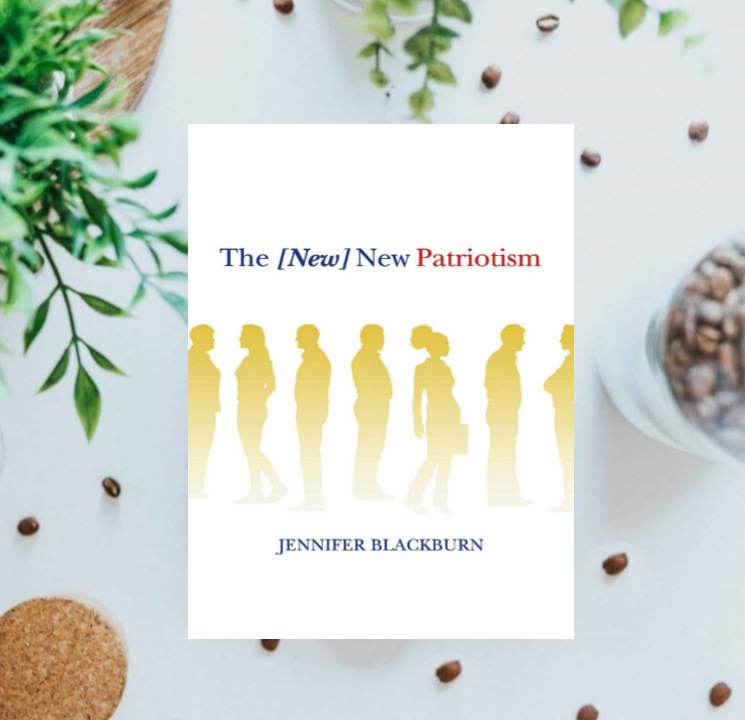
Book: The [New] New Patriotism

Q1. Hello Ma’am, can you please introduce yourself? Readers would love to know more about you.

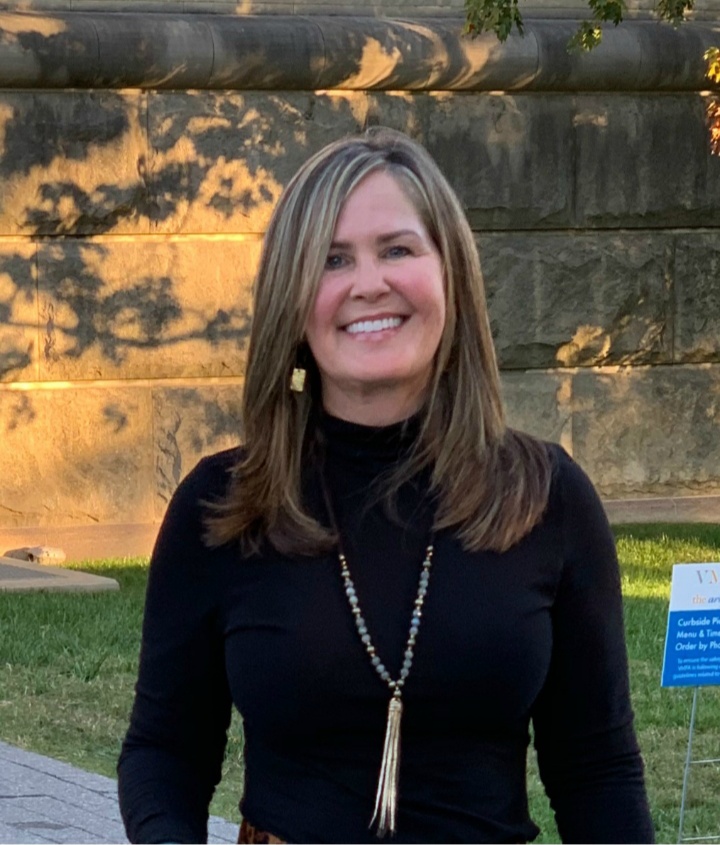
Absolutely-Hello! My name is Jennifer Blackburn. My husband and I have raised a blended family of six children. I am an information junkie and enjoy a very active lifestyle. I have had some incredible and diverse experiences that have informed my path in life. I am drawn to stories that explore humanity, whether fiction or non-fiction and am fascinated by what makes humans ‘tick.’

Q2. What were the key challenges you faced while writing ‘The [New] New Patriotism’ book?

Great question. Once I had a clear outline for the book, I decided the 1st half would build (briefly) on America’s history and how patriotism evolved. The 2nd half would focus on recent history and present day. American’s have a unique history in many ways. Patriotism has an ebb and flow of strength as well as apathy. It became clearer as I wrote the book that the rote patriotic duty of our ancestors has had a very challenging history. Celebrating democracy and equality has lost its lustre for decades in a society that continues to struggle with inequities and injustices. I am not a politician, a historian or a sociologist—and that is exactly why I felt compelled to write this book from the perspective of an ‘every person.’ It was a tremendous amount of research (challenging) and then 2020 began to unfold (even more challenging) but the events of the new decade crystalized the tipping point we find ourselves in as Americans. American Democracy has been a benchmark for other countries. It is a pivotal time globally for Americans to get Democracy right—meaning all people treated equally and fairly. I’m not talking about socialism, there’s no reward for hard work in that model and socialism is a rerouted path to subjugation and government sovereignty. I’m talking about human rights, civil rights, and civil liberties.

Q3. What books or authors have most influenced your own writing?

I am influenced by authors who write with passion, honesty and create characters that truly explore the human condition-the human psyche. I just finished reading Glennon Doyle’s Untamed which blew me away with her commitment to authentic self and shattering the images that have defined women. Amor Towles’ A Gentleman in Moscow was another beautifully written story of entitlement and life challenges that can bring a positive person to the brink of blinding despair, and the redirect that finds acceptance and happiness.

Q4. What’s your favourite spot to visit in your own country? And what makes it so special to you?

This is a hard one! Virginia has been my home for many years. Virginia has a very natural beauty steeped in history. The mountains, streams and hiking trails are abundant. Virginia wine country has become a force in American winemaking amidst the green, rolling hills of the Virginia Piedmont. Sarasota, Florida and the gulf coast! The Gulf of Mexico is a spectacular turquoise color, the sand is baby powder soft, and the marine life is amazing. We literally swim with dolphins and manatees. It is a very active lifestyle. I love our cities too. New York has amazing culture and looking down from the observation deck of the Empire State Building at NYC’s man-made ‘canyons’ is awe-inspiring. It never gets old. Utah’s natural canyons and National Parks are another favorite. Nature is very humbling.

Q5. Is there lots to do before you dive in and start writing a book?

I’ve learned you have to develop a mindset and be all about that mindset. ‘The [New] New Patriotism’ is nonfiction and my next project will be fiction. Regardless of genre there must be some level of research to ensure credibility and veracity. An outline and a story arc are vital. These are the constants and the foundation work.

Q6. How long did it take you to write ‘The [New] New Patriotism’ book?

It took me about 18 months to write the book.

Q7. On what platforms can readers find ‘The [New] New Patriotism’ book to buy?

The book is available now on eBook and releases in paperback on Jan. 6th. Pre-order for paperback is available now. All major online book retailers are carrying the book: Amazon, Barnes & Noble, Apple Books, Google Books, Kobo etc.

Q8. Tell us about the process of coming up with the book cover and the title ‘The [New] New Patriotism’?

The cover and the title, interestingly enough, was something I plugged into almost immediately. The book opens with the evolution of American patriotism and the events that got us to the present day. It’s cause and effect—but more importantly, it’s the evolution of humanity. I feel like the new decade will not be the ‘Roaring Twenties’ that was oft the phrase on January 1st, 2020. In studying historical perspective along with current events, I see a more of a new ‘Enlightenment Era.’ So, with that—a new definition of patriotism within a democracy that struggles with systemic racism. The hope that a younger generation, famous for change-making and transparency will redirect bottom-up change to create real equality within a capitalistic democracy that speaks the truth of the intention of Democracy. Thus, the title—The [New] New Patriotism.
The cover art again, was something I has a vision for fairly quickly. I did not want an unfurling American flag. I felt flag covers were overdone, represent an obedient patriotism and did not speak to the spirit of my book. I did want to incorporate red, white and blue along with silhouettes of diverse people.

Q9. When writing a book how do you keep things fresh, for both your readers and also yourself?

Perspective. I can find myself so entangled in what I am writing that if I go days on end rabidly writing (at some point) what seems brilliant the first several days … dissolves into babble. It loses focus and impact. I take breaks that could be the duration of a walk, a workout or a small tactile project—or breaks that last several days. I also try to read as much as I can. There is no question that reading the works of others makes you a better writer. Also—very important—we are not human in isolation. Writing is mostly solitary, so it is just as important to engage with others. Pay attention to relationships and personalities and all the subtleties that those interactions give to the richness of life. These diversions can alleviate writers block and infuse the kind of page turning reading every writer wants for their reader audience. That said, it is so important to have balance and a discipline that keeps a writer on course.

Q10. Are there any secrets from the book (that aren’t in the blurb), you can share with your readers?

I think the biggest secret or surprise from the book is that it initially sets the stage for a rally around American patriotism—then it takes a sharp turn—with extensive research and ‘in your face’ realities related to the precipice American democracy is currently perched upon. Change in elected officials does not change dysfunctional culture. This applies to any country and any government system. In a democracy we continue to rely on elected officials who continue to forget the People’s business once elected. Democracy is ownership from the bottom up, not the other way around. I hope readers will be surprised (some have expressed astonishment) by the data and statistics found in the book in regard to racism, the environment, a communist superpower and the Millennial generation. The [New] New Patriotism is not just a wake up call for American democracy—it is relevant to global democracy and real unity.

Author’s Profile

Book Is Available On Amazon
The [New] New Patriotism

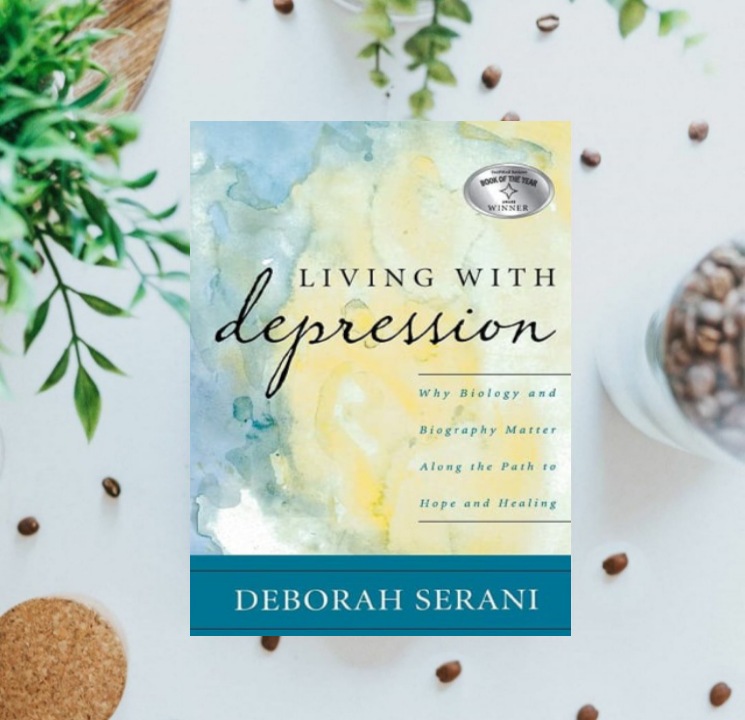
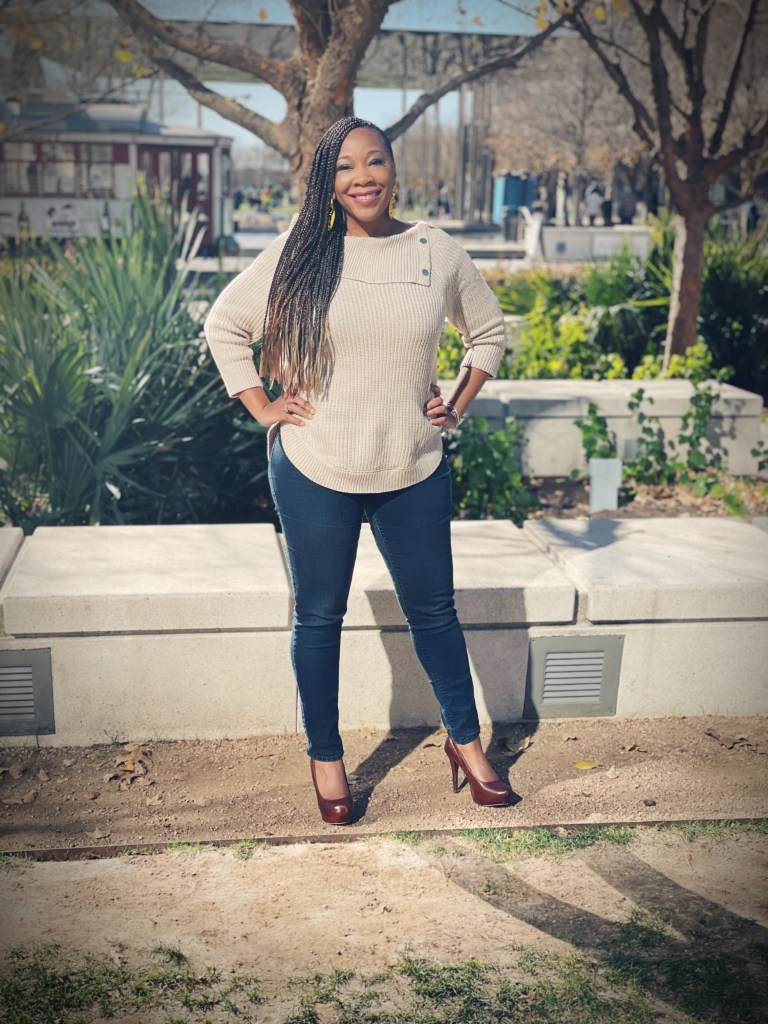
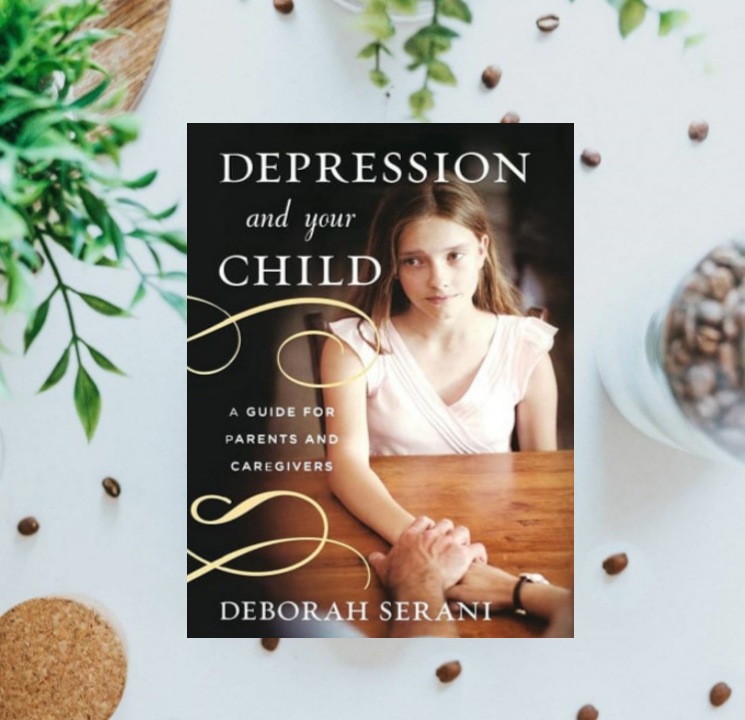
Interview with author Deborah Serani

Q1. Hello Ma’am, can you please introduce yourself? Readers would love to know more about you.

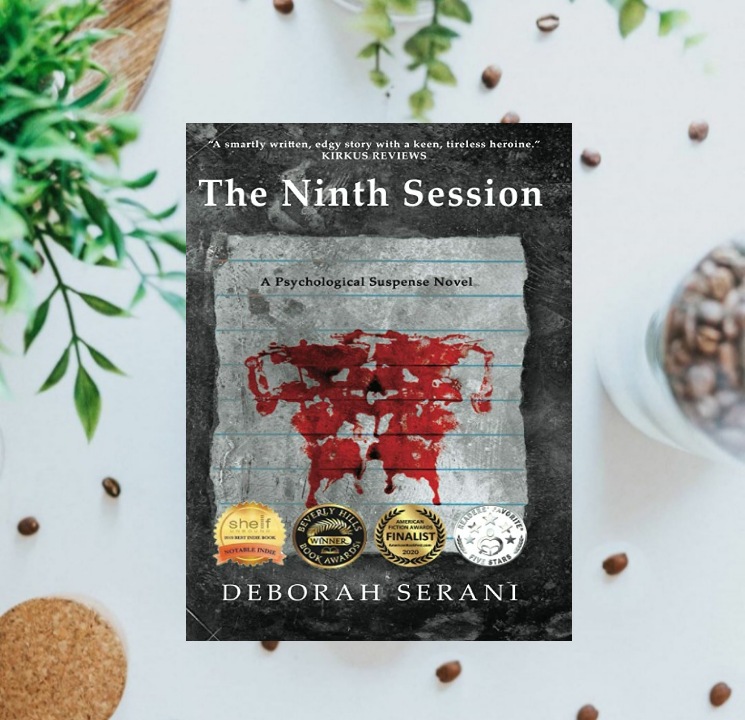
My name is Deb Serani, and I’m a psychologist in the United States who’s written a number of award-winning books in different genres. My latest one is a suspense thriller titled “THE NINTH SESSION.”

Q2. What were the key challenges you faced while writing ‘The Ninth Session’ book?

“The Ninth Session” is a book about the power of psychotherapy – and what goes on in sessions with a secretive patient. I wanted to show the reader those textured experiences while also writing a compelling crime story. My biggest challenge was to craft a suspenseful narrative, but not make the aspects of mental illness stigmatizing.

Q3. What books or authors have most influenced your own writing?

I love reading all kinds of genres in Fiction and Non Fiction. And I especially love reading Poetry. As for authors, I count Nelson DeMille, Stephen King, Toni Morrison, Edgar Allen Poe, Thomas Ligotti, Conrad Aiken, Shirley Jackson, Dr. Kay Redfield Jamison and William Golding as author favourites.

Q4. What’s your favourite spot to visit in your own country? And what makes it so special to you?

I live on an island in New York, so my special place is being at the beach. The sun, sand and surf are instantly soothing and healing for me… making it a most cherished spot any time of year. One of my favourite beaches is featured in “The Ninth Session.” It’s part of the Gold Coast of Long Island.

Q5. Is there lots to do before you dive in and start writing a book?

Generally, my ideas percolate without any real organization. But once I land on an idea for a book, I do research. As I find all I need for the subject, character or story, my writing just flows freely thereafter. Two things are always certain, though. I always know my beginning and ending of my books even before I write a single word on the page.

Q6. How long did it take you to write ‘The Ninth Session’ book?

It took me about a year to write “The Ninth Session.” Took 5 years to find a publisher.

Q7. On what all platforms readers can find ‘The Ninth Session’ book to buy?

It’s available in paperback, ebook and audiobook. Readers can purchase it online book retailers, stores and via audible. And don’t forget your local library if money is tight.

Q8. Tell us about the process of coming up with the book cover and the title ‘The Ninth Session’?

I wanted a Rorschach-like image for the cover so readers would immediately know this was a psychological crime story. And since most people are familiar with the famous inkblots, I arranged for a bloody inkblot to be created. And as for the title, everything changes for Dr. Alicia Reese and Luke in the ninth session, so that become the grab-tag.

Q9. When writing a book how do you keep things fresh, for both your readers and also yourself?

I write for the genres of suspense, self-help, memoir and children’s picture books. So, keeping things fresh seems to happen naturally. Because my writing and focus changes from book to book, it feels fresh and exciting for me. And as a result, interesting for readers. At least I hope so.

Q10. Are there any secrets from the book (that aren’t in the blurb), you can share with your readers?

There are many secrets, twists and turns in “The Ninth Session.” Regrettably, I can’t share any with readers as it would spoil the suspense. And ruin the ending. Sorry!

Author’s Profile

Books Are Available On Amazon

Interview with author Daniel Cano

Book: Mercenaries Of Destiny

Q1. Hello Sir, can you please introduce yourself? Readers would love to know more about you.

I’m currently a student of Providence College going for a major in Literature. I’ve lived in Rhode Island and focused a good portion of my education into literature and history. My favorite thing to do is write Dungeons and Dragons campaigns that I could hopefully one day use with a group of friends.

Q2. What were the key challenges you faced while writing ‘Mercenaries Of Destiny ’ book?

A major challenge I faced when writing Mercenaries of Destiny was the continuity of everything and how every event and aspect work together to make an engaging and complex world. I find that elements like the rules of magic, different world wide organizations and the motivations of gods and mortals not only make the world more interesting but also make it believable. The story that I plan to write should feel like one of many that could happen in the world that I’ve created.

I’d also argue that another major challenge is description. The few who read my book in its early stages enjoyed the imagery I used. However, I felt that I needed to find the right words for everything, not just important plot points. If I did that, the story would have held the reader’s hand like a tourist only pointing out the important landmarks. I wanted my imagery to feel like a world trotting hike, letting the reader take in everything and marvel at what they saw was important.

Q3. What books or authors have most influenced your own writing?

I can’t say there are certain books and authors that have influenced me since there are so many that have shaped my mind and beliefs. I’d argue that one genre has done a lot for my writing style, philosophy. Although I’ve only read to enjoy it, philosophy has helped me create characters that evolve naturally and express ideas that make sense with each other. Since I can only be one kind of person, reading philosophy helps me understand how a pragmatist would think, or how an existentialist would argue. It makes my writing a good deal easier.

Q4. What’s your favourite spot to visit in your own country? And what makes it so special to you?

The best spot I’ve visited in the Lincoln Forest. Beside breathing fresh air and the open space, the best part about the area is the tranquility it offers. It’s nice and quiet when I visit and it helps bring in ideas so I can ponder on them and see what works and what doesn’t.

Q5. Is there lots to do before you drive in and start writing a book?

When I go to write my book, I like to have a clear idea of what the scene I want to work on is and how I want it to play out. I don’t like to see the book have every chapter be independent in what the focus is. Instead I write the arc that I’m working on and then see where it can be divided into chapters.

Q6. How long did it take you to write ‘Mercenaries Of Destiny’ book?

It took me a good 3 months during my Senior year of high school to write my book. I didn’t want Seniroitis to hit me after all the stories I’ve heard from my older friends. So I decided to write for fun and see what I could come up with along the way. From there, the exercise started to turn into a full fledged book that I began to invest a lot of time in.

Q7. On what all platforms readers can find ‘Mercenaries Of Destiny’ book to buy?

Mercenaries of Destiny can be found on Amazon but if you’d like to support the people who helped me get my work on paper, you could buy it from Stillwater Books.

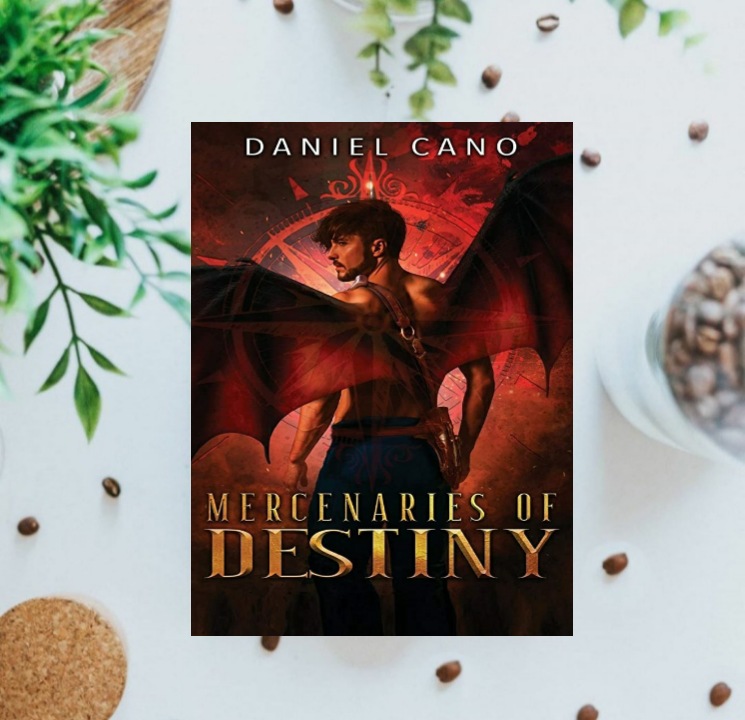
Q8. Tell us about the process of coming up with the book cover and the title ‘Mercenaries Of Destiny’?

The cover was easy, the people at Stillwater helped design the book cover and gave me ideas based on what the book was about. The title on the other hand was a real chore to come up with. I had to rewrite the title so many times I think Mercenaries of Destiny is the 10th revision that I settled on.

Q9. When writing a book how do you keep things fresh, for both your readers and also yourself?

When I want to keep things fresh, I take a break and read about anything to help me reinvigorate my ideas. Sometimes I look back on some books I’ve read like Odyssey for refreshing my memory on how stories like those were written. However, diving into Wikipedia has introduced me to so many cool things about the cultures of the world that I would be lying if I haven’t incorporated some of the stuff I’ve learned into my own stories.

Q10. Are there any secrets from the book (that aren’t in the blurb), you can share with your readers?

If there is one secret that I think will take readers time to warp and understand is The Oracle isn’t able to foretell the future or read the destiny of heroes.

Author’s Profile

Book Is Available On Amazon
Mercenaries Of Destiny

Interview with author Megan Sotelo

Book: Late Night Might As Well Be Drunk Writing

Q1. Hello Ma’am, can you please introduce yourself? Readers would love to know more about you.

Yes, I am from Dallas, Texas. I got my Bachelor’s degree in Literary Studies from the University of Texas at Dallas, but now work in the education field and hold my Master’s in Educational Administration from Tarleton State University. However, I still love writing and do it in my free time. I also advise for my sorority, Sigma Lambda Gamma National Sorority, Inc.

Q2. What were the key challenges you faced while writing ‘Late Night Might As Well Be Drunk Writing’ book?

I struggled a lot with the content and whether it was too mature to publish. There are a lot of explicit words and mature topics included and because I put a lot of my own emotions in my main character, at times I became very hesitant to publish the book.

Q3. What books or authors have most influenced your own writing?

Before I started writing the book, I read a book called “Constantly Constance” which is written in blog format. This inspired me to also write a book this way, so in this book, my main character is writing to her fanbase through a blog. I like the way it flows and how much of the her voice you can hear in her writing. Another book that influenced my writing is Stephen King’s “On Writing”. One big takeaway for me was to not be afraid to be explicit and just express yourself the way you need to. It gave me the push I needed to publish this book without cutting a lot of the mature content.

Q4. What’s your favourite spot to visit in your own country? And what makes it so special to you?

I’ve only been a couple of times, but I fell in love with New Orleans when I first went to visit. It has a very rich and unique history and culture. As a foodie, it’s also a lot of fun for me to try all the restaurants when I go.

Q5. Is there lots to do before you drive in and start writing a book?

No, normally when I get an idea, I just start writing immediately with very little planning. I have a horrible habit of not outlining my books before diving into them. It makes the process a lot of fun for me, but I do have to go back through and clean up a lot of plot holes and make sure the timeline of the story runs smoothly. I’m sure there are a few plot holes I missed (lol).

Q6. How long did it take you to write ‘Late Night Might As Well Be Drunk Writing’ book?

It took me about seven years to complete. I started writing the book while I was in college and took a break while I was starting my career and going to graduate school. Right before everything shut down due to COVID, I joked that if I had one more week at home I could finally finish. I ended up finishing the book during the first week of quarantine and spent the following months editing and putting the finishing touches on it.

Q7. On what all platforms readers can find ‘Late Night Might As Well Be Drunk Writing’ book to buy?

Late Night Might As Well Be Drunk Writing is currently available through Barnes and Noble and Amazon. The audio version will be out by early 2021 and will be available through Amazon, Audible, and iTunes.

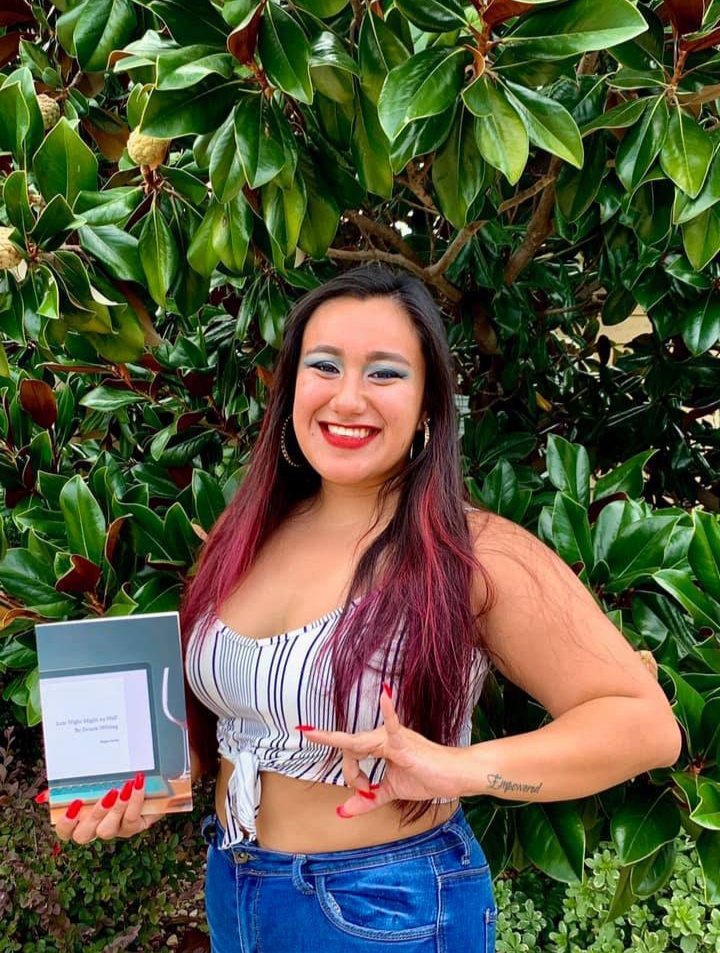
Q8. Tell us about the process of coming up with the book cover and the title ‘Late Night Might As Well Be Drunk Writing’?

I think the title is funny. I originally wrote a lot of the entries as a way to vent and explore my feelings, which often occurs late at night when I was so tired I almost felt drunk. It was a working title that I put as a joke. One of my friends actually liked the title, so I stuck with it. I worked with a friend and colleague of mine, DeMarcus Tucker, who took my very vague cover idea and turned it into a beautiful cover. I love it because it grasps the tone of the book and the juxtaposition of trying to work diligently under pressure while trying to hold onto your sanity.

Q9. When writing a book how do you keep things fresh, for both your readers and also yourself?

When I’m writing, I like to harness how I’m feeling and pour that into my protagonists. As I learn and experience new things, my perspectives and feelings often change, so in many ways my characters mature as I do.

Q10. Are there any secrets from the book (that aren’t in the blurb), you can share with your readers?

Since this book was so personal and special to me, I took some of my interest and made them interests of Leyna as well. They’re small details, so I think of them as little “Easter eggs”. People can stumble upon them and see the parts of me that I hid in the story.

Author’s Profile

Book Is Available On Amazon
Late Night Might As Well Be Drunk Writing

Interview with author Jym Brown

Book: #Life

Q1. Hello Sir, can you please introduce yourself? Readers would love to know more about you.

I am a 36 year old guy that lives in Peterborough in the UK. I am a University lecturer by trade and focus largely on coaching, development, psychology and education. I hold a BSc and an MSc and am currently a PhD researcher in ‘Epistemological Philosophy, Target Reflective Practice and the Development of Leadership’.
I have far too many hobbies, including art (I draw and have taken commissions), music ( I play the guitar), sport and exercise, and of course I read voraciously.

Q2. What were the key challenges you faced while writing ‘#Life’ book?

This book is me bringing together the two disciplines of psychology and philosophy, which ordinarily sit side by side. So I had to try and bring both together in a way that people would both understand and relate to. The fact that this is my first book provided more than enough challenge, but I also had to decide on what life-based topics to include and what to leave out.

Q3. What books or authors have most influenced your own writing?

There are almost too many to mention. Perhaps if I split them up that might help. Within the world of psychology the likes of Jordan Peterson, Jonathan Haidt and Carol Dweck. In philosophy I would probably say the eastern philosophers such as Lao Tzu and Confucius and the western philosophers such as Marcus Aurelius, Friedrich Nietzsche and Immanuel Kant.
In terms of general writing and rational inquiry, the likes of Thomas Sowell have been a huge influence.

Q4. What’s your favourite spot to visit in your own country? And what makes it so special to you?

This would probably be either the nature reserve that I am fortunate to live very near in Peterborough, or the small country villages of East Sussex which is where my family and I are originally from. Both are very natural places, with Sussex seeming like it is stuk in some sort of time warp. It reminds me of simple times and a simple life.

Q5. Is there lots to do before you drive in and start writing a book?

I think this depends on what kind of book you want to write. If you are looking to write a non-fiction booked that is well researched, then obviously a great deal of time is spent on conducting that research beforehand. If it is narrative non-fiction, then less so.
However, I think that everyone considering writing a book should contemplate what it means to try and produce something you are proud of and what level of work is associated with that goal. Having an understanding of the publishing process is definitely an advantage!

Q6. How long did it take you to write ‘#Life’ book?

From start to finish it took 18 months, but that includes editing and re-writing. In terms of a first draft it was roughly 12 months, with the first 6 months mainly research-based. The editing process is actually very lengthy and combined with understanding how to publish takes longer than people generally think.

Q7. On what all platforms readers can find ‘#Life’ book to buy?

#Life is only available on Amazon, but can be purchased in paperback and kindle versions.

Q8. Tell us about the process of coming up with the book cover and the title ‘#Life’?

The title is a bit of a satirical take on modern life being so social media focused and hashtag driven. It is a reminder to actually live life rather than just view it on your phone. I am not trying to offend anyone of course, but I want people to realise the wisdom that exists in the words of these great philosophers and how valuable they can be for living life.

The book cover was a difficult thing to come up with. How do you encapsulate a book that uses move quotes, song lyrics and literary references along with ancient wisdom and modern psychological research? Or more importantly, how do you make a cover for a book that is about life? I just went with designs from other books that I liked and went from there. The circular design on the front then represents the cyclical nature of life, entropy etc, along with a metaphoric target of living a better life.

Q9. When writing a book how do you keep things fresh, for both your readers and also yourself?

I have used an array of quotations from really unexpected sources (movie, TV and so on) in order to help people understand the content, but also break up the monotony of the same voices. I actually use Homer Simpson as my ‘anti-hero’, who regularly voice the opposite of what I am trying to say (in his usual comedic fashion). Hopefully this has helped add some humour and life to the text, lightening the mood on what are very deep topics.

Q10. Are there any secrets from the book (that aren’t in the blurb), you can share with your readers?

That the wisdom we need in life is all around us. It is in our movies, in our TV shows and in our children’s books. It is even in the often simple but poignant words of our parents, children and friends. All we need do is pay attention and try to understand the deeper meanings of these words and how they bring value to our lives. #Life is an attempt to do that, by making the complex words of the greatest minds in history a little easier for everyone to absorb.

Author’s Profile

Book Is Available On Amazon

#Life

Interview with author Jym Brown

Book: #Life

Q1. Hello Sir, can you please introduce yourself? Readers would love to know more about you.

I am a 36 year old guy that lives in Peterborough in the UK. I am a University lecturer by trade and focus largely on coaching, development, psychology and education. I hold a BSc and an MSc and am currently a PhD researcher in ‘Epistemological Philosophy, Target Reflective Practice and the Development of Leadership’.
I have far too many hobbies, including art (I draw and have taken commissions), music ( I play the guitar), sport and exercise, and of course I read voraciously.

Q2. What were the key challenges you faced while writing ‘#Life’ book?

This book is me bringing together the two disciplines of psychology and philosophy, which ordinarily sit side by side. So I had to try and bring both together in a way that people would both understand and relate to. The fact that this is my first book provided more than enough challenge, but I also had to decide on what life-based topics to include and what to leave out.

Q3. What books or authors have most influenced your own writing?

There are almost too many to mention. Perhaps if I split them up that might help. Within the world of psychology the likes of Jordan Peterson, Jonathan Haidt and Carol Dweck. In philosophy I would probably say the eastern philosophers such as Lao Tzu and Confucius and the western philosophers such as Marcus Aurelius, Friedrich Nietzsche and Immanuel Kant.
In terms of general writing and rational inquiry, the likes of Thomas Sowell have been a huge influence.

Q4. What’s your favourite spot to visit in your own country? And what makes it so special to you?

This would probably be either the nature reserve that I am fortunate to live very near in Peterborough, or the small country villages of East Sussex which is where my family and I are originally from. Both are very natural places, with Sussex seeming like it is stuk in some sort of time warp. It reminds me of simple times and a simple life.

Q5. Is there lots to do before you drive in and start writing a book?

I think this depends on what kind of book you want to write. If you are looking to write a non-fiction booked that is well researched, then obviously a great deal of time is spent on conducting that research beforehand. If it is narrative non-fiction, then less so.
However, I think that everyone considering writing a book should contemplate what it means to try and produce something you are proud of and what level of work is associated with that goal. Having an understanding of the publishing process is definitely an advantage!

Q6. How long did it take you to write ‘#Life’ book?

From start to finish it took 18 months, but that includes editing and re-writing. In terms of a first draft it was roughly 12 months, with the first 6 months mainly research-based. The editing process is actually very lengthy and combined with understanding how to publish takes longer than people generally think.

Q7. On what all platforms readers can find ‘#Life’ book to buy?

#Life is only available on Amazon, but can be purchased in paperback and kindle versions.

Q8. Tell us about the process of coming up with the book cover and the title ‘#Life’?

The title is a bit of a satirical take on modern life being so social media focused and hashtag driven. It is a reminder to actually live life rather than just view it on your phone. I am not trying to offend anyone of course, but I want people to realise the wisdom that exists in the words of these great philosophers and how valuable they can be for living life.

The book cover was a difficult thing to come up with. How do you encapsulate a book that uses move quotes, song lyrics and literary references along with ancient wisdom and modern psychological research? Or more importantly, how do you make a cover for a book that is about life? I just went with designs from other books that I liked and went from there. The circular design on the front then represents the cyclical nature of life, entropy etc, along with a metaphoric target of living a better life.

Q9. When writing a book how do you keep things fresh, for both your readers and also yourself?

I have used an array of quotations from really unexpected sources (movie, TV and so on) in order to help people understand the content, but also break up the monotony of the same voices. I actually use Homer Simpson as my ‘anti-hero’, who regularly voice the opposite of what I am trying to say (in his usual comedic fashion). Hopefully this has helped add some humour and life to the text, lightening the mood on what are very deep topics.

Q10. Are there any secrets from the book (that aren’t in the blurb), you can share with your readers?

That the wisdom we need in life is all around us. It is in our movies, in our TV shows and in our children’s books. It is even in the often simple but poignant words of our parents, children and friends. All we need do is pay attention and try to understand the deeper meanings of these words and how they bring value to our lives. #Life is an attempt to do that, by making the complex words of the greatest minds in history a little easier for everyone to absorb.

Author’s Profile

Book Is Available On Amazon
#Life

Design a site like this with WordPress.com
Get started