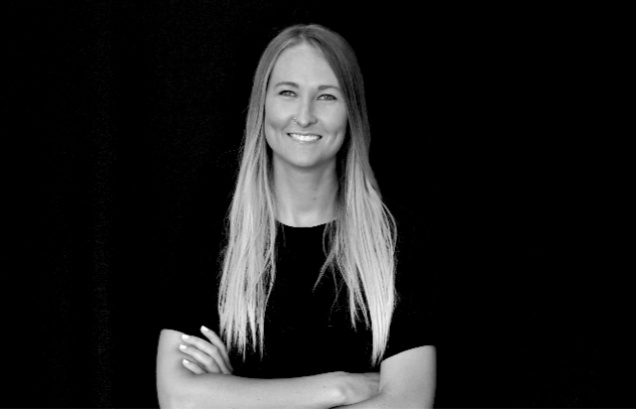
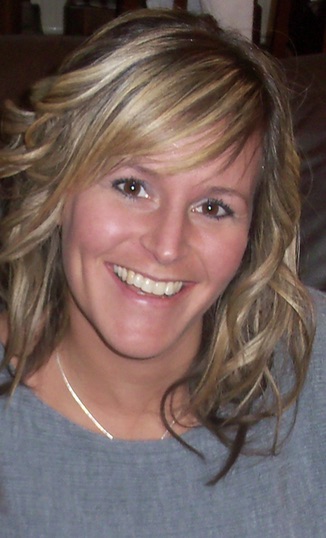
Interview with author Amélie Pimont

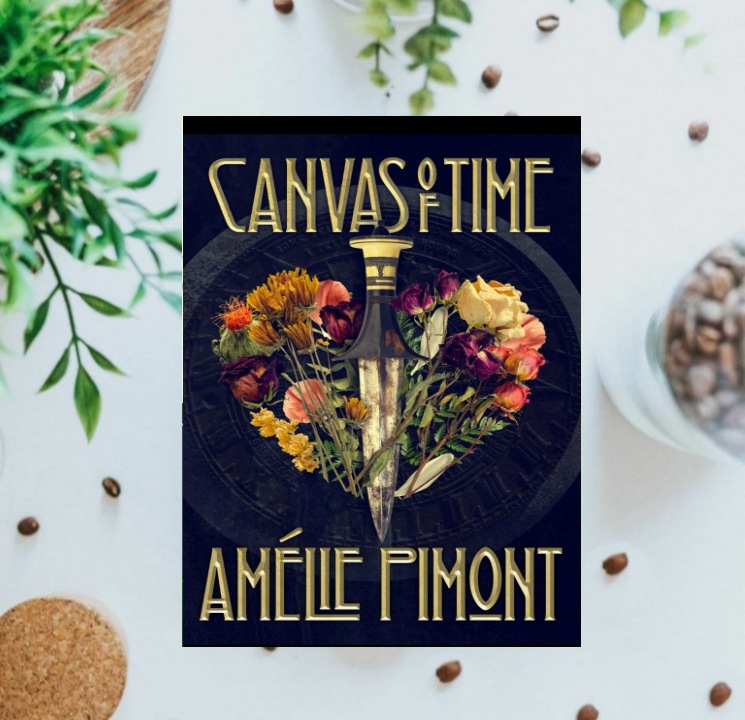
Book: Canvas Of Time

Q1) Please introduce yourself so that the readers will get to know you better.

My name is Amélie, I grew up in Paris, started in the film industry as a film producer for independent films, wrote several scripts and then wrote my first novel. I am now working on my second novel which resolves around the subject of Human Trafficking which is a subject I am preoccupied with.

Q2) How do you come up with the idea to write the story about two people looking for each other lifetime after lifetime?

After my mother passed away I started thinking more and more about love and life after death.

Q3) What is your favourite part and least favourite part of the publishing journey?

Writing is my favourite part and I don’t have a least favourite part, I believe it is all a part of the journey.

Q4) What are your hobbies apart from reading or writing?

Exercising, painting, drinking tea and chatting with my best friends.

Q5) Which is your favourite season to write in and why?

I prefer the sun, it makes me smile.

Q6) Among the 4 parts of the story, which is your favourite part and why?

The life in France during WW I and WW II, the family life and the children who were inspired by my niece and nephew.

Q7) Are you from a literary background?

No.

Q8) How do you do research for your books?

By reading a lot and researching anywhere I can.

Q9) Can you share something your readers don’t know about you?

I love salty liquorice.

Q10) Lastly, who inspires you the most and why?

I am inspired by life and people in general. I don’t believe there is only one person that inspires me, I am inspired by everything and everyone I see, feel and communicate with.

Author’s Profile

Book Is Available On Amazon

Canvas Of Time

Interview with author B.L. Bruce

Q1. Hello Ma’am, can you please introduce yourself? Readers would love to know more about you.

My name is Bri Bruce (writing under the name B. L. Bruce), and I am a writer, award-winning poet, graphic designer, and marketing executive from Santa Cruz, California. To date, I’ve written four books, with two more in the works. I also dabble in photography and painting. I work in the solar industry as a marketing director by day, and moonlight as a graphic designer and publisher, as well as the editor-in-chief of literary magazine Humana Obscura. In my free time (very rare these days) I enjoy surfing, being outdoors, practicing yoga, and spending time with family and friends (also very rare these days).

Q2. What were the key challenges you faced while writing ‘Measures’ book?

I wrote the majority of Measures during the beginning of the coronavirus pandemic’s shelter-in-place. I was struggling with my own mental health as well as with insomnia. The constant barrage of terrible news, both in my personal circle and of the state of the world, was weighing heavily on me. To be honest, many of the poems are a blur. I tend to go into a sort-of trance-like state when writing, and coupled with the insomnia I was experiencing, there are a number of poems in this collection that I just don’t recall having written or had forgotten about until it came time to compile the collection. Despite its challenges—of still finding creativity in such a tumultuous time in history, of being vulnerable in writing, and of shouldering through the worst period I’ve experienced—Measures was my silver lining of 2020. It gave me purpose. I’m proud of this collection.

Q3. What books or authors have most influenced your own writing?

Having studied post-modern American literature with a poetry concentration in college, I was introduced to a number of poets that were part of the Beat movement. Writers like Jack Kerouac, Allen Ginsberg, and Richard Brautigan influenced a lot of my early writing but it wasn’t until the end of my schooling and in my early adulthood years that I found my reader’s niche in nature poetry. Mary Oliver is—and will always be—at the top of my list as far as authors whose writing influence and inspire my work. I discovered and continue to enjoy the work of May Sarton, Maude Meehan, Ellen Bass, and Robert Hass. I’ve also come to enjoy the work of haikuists and short-form poets like Issa, Basho, Tu Fu, and Li Po, among others, which has me experimenting with the American haiku form, and am working on a collection at the moment that I will be releasing in the near future.

Q4. What’s your favourite spot to visit in your own country? And what makes it so special to you?

Northern California. I grew up visiting places like Mendocino and Fort Bragg once or twice a year with my family. My parents instilled in me at a young age a love for nature, and for me this region is always a reminder of that. We’d camp on the beach and go diving in the frigid waters. I hated it as a kid and was always cold, but it’s become endearing to me, invigorating even, and is a place dear enough to me to almost call home. There’s something very arresting about the remoteness and the rugged coastlines. It’s rarely sunny, so the weather lends a moodiness to the atmosphere that I revel in, especially for writing. It’s gets the emotions and the thoughts flowing. I once spent a month isolated in a very remote cabin along the coast south of Mendocino to do nothing but write. It was a difficult time for me in that I was attempting to be very disciplined and grappled with my own expectations of myself, but also enriching. I wrote two books while I was there, The Starling’s Song and 28 Days of Solitude, a memoir of my time during that month.

Q5. Is there lots to do before you dive in and start writing a book?

Diving in to write comes easy. I try not to force my writing, and instead allow myself the time and space when inspiration strikes just to get out everything I need to say. I find the hardest work is done during the editing process. Trying to make order of and polish my own work is something that I struggle with. I’m a perfectionist, and as such am very self-criticizing. Though in the end this helps me become a stronger writer (and a better editor) it can be self-destructive at times when I’m too much in my own head.

Q6. How long did it take you to write ‘The Weight Of Snow’ book?

I wrote The Weight of Snow over the course of a few years. Some of the earlier drafts of the poems in the collection were parts of my senior project in college where the assignment was to write a chapbook of poetry. Of course, the final poems that ended up in the collection were redlined or re-written. Lit majors in a workshop setting can be a pretentious and critical bunch. I poured my heart into this first collection, and when it was so well received and earned a number of awards, it was very re-affirming for me that this wouldn’t be my last.

Q7. On what all platforms readers can find your books to buy?

My books are all currently available on Amazon. If readers are interested in getting a glimpse of my poetry, give me a follow on Twitter @the_poesis or on Instagram @thepoesis where I am regularly sharing bits of my work.

Q8. Tell us about the process of coming up with the cover and the title of your books?

The titles of my poetry books all come from either a line in the work itself or the title of a poem. In the case of my memoir, it was a little play on Gabriel García Márquez’s One Hundred Years of Solitude (I jokingly say my 28 days felt a little like 100 years) and May Sarton’s A Journal of a Solitude, in which Sarton explores similar tropes about writing in self-isolation and how this can be a mechanism of sorts for writers.
As for my covers, I used to work in publishing and am a graphic designer by trade, so I actually design and layout my own books, including getting them ready for print production. It’s something I enjoy, and even a service I extend to other authors looking to independently publish. I absolutely love book covers, and think a lot can be said about a cover. One of my favorite things to do is visit a bookstore and just admire the book covers.

Q9. When writing a book how do you keep things fresh, for both your readers and also yourself?

Each book begins to take on a life of its own. I strive not to write about the same subjects over and over, or even use similar imagery or words in an effort to continue to stay fresh while also challenging myself to think and perceive in new and different ways. I draw on a lot of personal experiences when writing, so one way that really enriches my writing process is changing my scenery, whether its writing in a different spot in my house or visiting somewhere new in nature. Traveling is very creatively triggering for me, and you’ll never find me going on any trip without a notebook and pen.

Q10. Are there any secrets from the book (that aren’t in the blurb), you can share with your readers?

It wouldn’t be a secret if I divulged it! Get your hands on a copy if you’d like to find out. I don’t think you’ll be disappointed. If you don’t take my word for it, check out the rave reviews it’s receiving on Amazon, Goodreads, or on my blog at http://www.bribruceproductions.com.

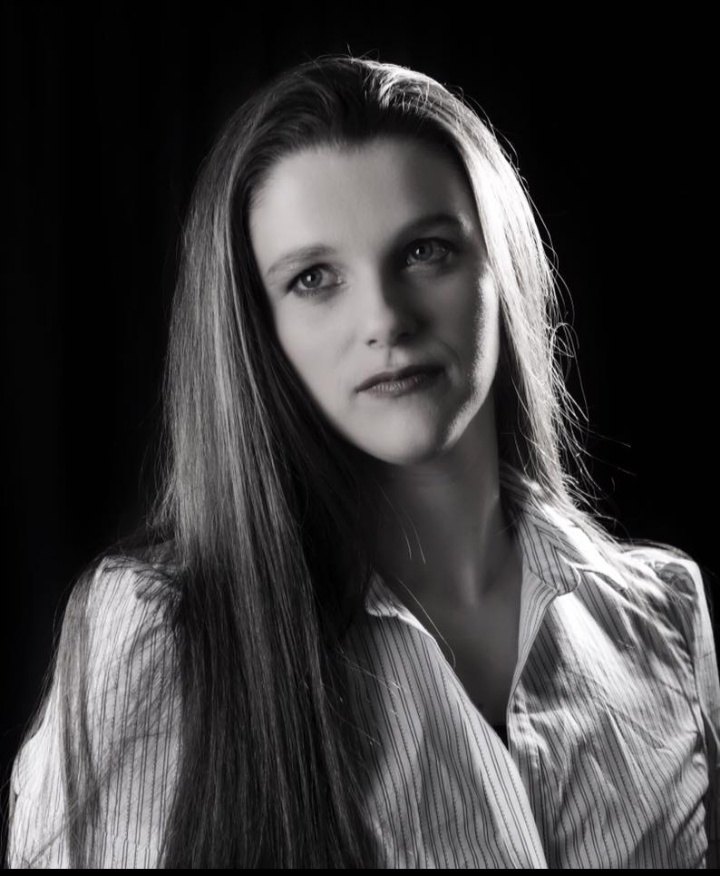
Author’s Profile

Book Are Available On Amazon

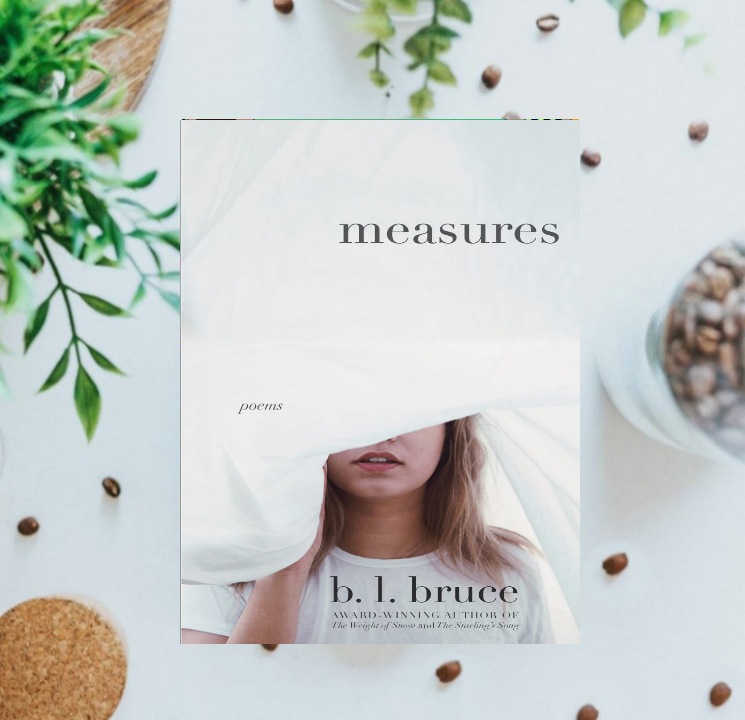
Measures

The Weight Of Snow

Interview with author Katy Jordan

Book: Colour Coded: The Black Bullet

Q1. Hello Ma’am, can you please introduce yourself? Readers would love to know more about you.

Hello there, it’s such a pleasure to talk with you. My name is Katy Jordan, I was born and raised in Stirling in central Scotland, but find myself mostly in Glasgow. I’ve always been a creative, but it took me a while to find that thing that really sets my soul on fire. Writing has always been something I’ve loved along with something that’s helped me through life. I found my way to writing my first book through becoming a filmmaker. Acting is something I’d wanted to do since I was about 10yrs old, but I didn’t find the courage to pursue it until a decade later, and so I joined an acting school. After one year there, I left and, struggling to find work, I followed my father’s advice which was: “if you can’t find work, make work”… and thus, I wrote my first screenplay. Having enjoyed it so much, I wrote many more after that. I found making them into films incredibly exhilarating. In 2018, I had a fully flushed out idea that, when looking it over, I surprised myself when I admitted it would work better as a book series than it would as a film or tv/web series, and I considered that it wouldn’t hurt to have a go… eighteen months later, it was published and for sale in all good bookstores, and I had a new title I was extremely happy about but wasn’t used to: author.

Q2. What were the key challenges you faced while writing ‘Colour Coded: The Black Bullet’?

Some of the things I felt to be challenges probably sound rather silly to other writers, but for the first couple of months, being maybe anywhere between ten and twenty chapters in, I found myself feeling rather distanced from the characters I was creating. I considered that if I didn’t feel any connection to them, how could my potential readers? Surprisingly, renaming them made a huge difference. I named them after people I know. When I did this, I immediately loved them. They aren’t based on these people in personality by any means, but just seeing the name of someone there that I know (or knew) made all the difference, and I wanted people to get to know them properly, to see their flaws as well as their attributes. Other challenges were somewhat logistical in a sense; I work a day job that can be very demanding of time, and so writing into the night causes one some amount of fatigue. On the other hand, I’m working a very manual job in a supermarket with creative ideas flying around in my head, and I’m doing everything humanly possible to not forget them (I got told off for jotting things down in a notebook on the shop floor once or twice!)
Other than that, I found the entire process to be a pleasure!

Q3. What books or authors have most influenced your own writing?

With music, I am all about the song, not so much the artist. There isn’t one artist that I’m crazy about and love every single thing they have released. With books, I find that this outlook is no different.
I was an avid reader in my teens, which I think is why my book series is more so aimed at young adults; ‘Alex Rider’ series by Anthony Horowitz, ‘Harry Potter’ series by J.K. Rowling, ‘The Shapeshifter’ series by Ali Sparkes, ‘The Dark Is Rising Sequence’ by Susan Cooper, ‘Truth or Dare’ by Celia Rees, to name but a few. All of these stories had characters I could get behind. Not because they were the hero who saved the world from an evil villain, but because they had flaws and personality traits that I could relate to. That was very important to me.

Q4. What’s your favourite spot to visit in your own country? And what makes it so special to you?

Having been voted Rough Guide’s most beautiful country in the world more than a couple of times, this is a difficult question to ask a Scot! Stirling alone is a beautiful place, and I do find myself on the Old Stirling Bridge every once in a while. Why? Well, the view alone is wonderful – especially at night! It’s peaceful, and the historical significance inevitably gets the creative juices flowing.
If I’m honest, driving is more my thing. I want to say something profound like “it’s all about the journey, not the destination” but, truth be told, it’s just something I enjoy. I get to see everything, and be immersed in this country I love so much. Give me a car and a playlist and send me up a countryroad aiming for the highlands, and that is truly my happy place!

Q5. Is there lots to do before you dive in and start writing a book?

Is having a multitude of lists and mind maps overboard? I’m a planner. I plan everything out, I want to know my book, the characters, the storyline, the interactions and everything in between inside and out before I start putting fingers to keyboard. I don’t plan my chapters, they show themselves when the time is right during my writing, but I do know where and how my story starts and ends. If and when I hit that all too familiar writer’s block, I go back to the drawing board, but I’m never away from writing for more than one week. I need to be excited about it before I start writing. I think it helps; if I’m keen to see it all unfold, hopefully the reader will be too!

Q6. How long did it take you to write ‘Colour Coded: The Black Bullet’?

The first draft was probably every day for about three months. Every tweak and minor changes made after that I’d pin at about a month. I had to call it a day and deem it the final draft or I’d never stop editing it! I was thrilled when the first of four publishers I submitted to offered me a contract!

Q7. On what platforms can readers find your books to buy?

The first of the ‘Colour Coded’ series ‘The Black Bullet’ can be bought via the publisher themselves; Austin Macauley Publishers. However, it is also available to buy online at Waterstones, WHSmith, Wordery, World of Books, Foyles, Apple Books, Barnes & Noble, Sears, Biblio and many more… but Amazon seems to be the most popular at the moment! The second book of the series, ‘The Silver Sparrow’ won’t be far behind as it’s in production right now while I’m working on the third!

Q8. Tell us about the process of coming up with the cover and the title of your books?

The title is probably one of, if not the very first thing, I was absolutely sure of before I started the first book! To explain it properly, however, I need to elaborate slightly on the format of my books; with each novel, you go with the characters as the storyline unfolds, but you see it more predominantly from the perspective of one character. It isn’t written in the first person, I knew straight away that I didn’t want to do that, but you do get into their heads a bit more, witness their reasoning, become englightened to their opinions etc, and so each book is named after the character you will be more likely to follow throught the story. So, before you even pick up the book, you know which angle you’re coming from… but are they the person you thought they were from the previous book? Who knows!!
Furthermore, I said earlier that I have always been a creative. Before I decided to become a filmmaker, I studied graphic design when I left high school, which enabled me to design the covers myself. I plan to do this for each book released.

Q9. When writing a book how do you keep things fresh, for both your readers and also yourself?

Considering this series is the only thing I’ve written, it’s all I have for frame of reference, but each book has a prologue, which is a snippet about that character’s past. The one absolute rule of ‘Colour Coded’ is no pasts allowed… and that means everything; real name, date of birth, where they’re from, previous jobs/careers, and most importantly, why they decided to drop all of it to join the organisation. This rule is to ensure that there is no prejudice, judgement or potential distrust in one another, and so each character has no choice but to take one another at face value.
In the prologue, the reader doesn’t know how the character they’re focusing on fits in to that little tid bit of their history… until they read the book. The nemesis in the books is their previous boss who does know about their history, and from the mindset of revenge, he taunts them with revealing the information which each of them vowed to never disclose as, in some cases, doing so could put their lives in jeopardy, but also, it could reveal this secret organisation and prevent them from doing the good that they have done and could continue to do from the shadows.
Reviews have revealed that readers find themselves not wanting to know about the character’s histories, and felt disheartened on the character’s behalf when it happened, so I took this as a good sign!

Q10. Are there any secrets from the book (that aren’t in the blurb), you can share with your readers?

I would say that there are a lot of unanswered questions in the book… for instance: it’s a secret organisation, civilians don’t know they exist and law enforcement only hear rumours and whispers that don’t seem to amount to anything. But they live in a mansion in the middle of nowhere, so how do they pay their bills? How do they get food in? They can’t just go their weekly shop like we do. Where do they get fuel for their many cars? They can’t just rock up to a petrol station one by one.
I won’t give you the answer outright, but what I will say is… in the final book of the series, all will be revealed.
And it is quite the twist!

Book Is Available On Amazon

Colour Coded: The Black Bullet

Interview with author Katy Jordan

Book: Colour Coded: The Black Bullet

Q1. Hello Ma’am, can you please introduce yourself? Readers would love to know more about you.

Hello there, it’s such a pleasure to talk with you. My name is Katy Jordan, I was born and raised in Stirling in central Scotland, but find myself mostly in Glasgow. I’ve always been a creative, but it took me a while to find that thing that really sets my soul on fire. Writing has always been something I’ve loved along with something that’s helped me through life. I found my way to writing my first book through becoming a filmmaker. Acting is something I’d wanted to do since I was about 10yrs old, but I didn’t find the courage to pursue it until a decade later, and so I joined an acting school. After one year there, I left and, struggling to find work, I followed my father’s advice which was: “if you can’t find work, make work”… and thus, I wrote my first screenplay. Having enjoyed it so much, I wrote many more after that. I found making them into films incredibly exhilarating. In 2018, I had a fully flushed out idea that, when looking it over, I surprised myself when I admitted it would work better as a book series than it would as a film or tv/web series, and I considered that it wouldn’t hurt to have a go… eighteen months later, it was published and for sale in all good bookstores, and I had a new title I was extremely happy about but wasn’t used to: author.

Q2. What were the key challenges you faced while writing ‘Colour Coded: The Black Bullet’?

Some of the things I felt to be challenges probably sound rather silly to other writers, but for the first couple of months, being maybe anywhere between ten and twenty chapters in, I found myself feeling rather distanced from the characters I was creating. I considered that if I didn’t feel any connection to them, how could my potential readers? Surprisingly, renaming them made a huge difference. I named them after people I know. When I did this, I immediately loved them. They aren’t based on these people in personality by any means, but just seeing the name of someone there that I know (or knew) made all the difference, and I wanted people to get to know them properly, to see their flaws as well as their attributes. Other challenges were somewhat logistical in a sense; I work a day job that can be very demanding of time, and so writing into the night causes one some amount of fatigue. On the other hand, I’m working a very manual job in a supermarket with creative ideas flying around in my head, and I’m doing everything humanly possible to not forget them (I got told off for jotting things down in a notebook on the shop floor once or twice!)
Other than that, I found the entire process to be a pleasure!

Q3. What books or authors have most influenced your own writing?

With music, I am all about the song, not so much the artist. There isn’t one artist that I’m crazy about and love every single thing they have released. With books, I find that this outlook is no different.
I was an avid reader in my teens, which I think is why my book series is more so aimed at young adults; ‘Alex Rider’ series by Anthony Horowitz, ‘Harry Potter’ series by J.K. Rowling, ‘The Shapeshifter’ series by Ali Sparkes, ‘The Dark Is Rising Sequence’ by Susan Cooper, ‘Truth or Dare’ by Celia Rees, to name but a few. All of these stories had characters I could get behind. Not because they were the hero who saved the world from an evil villain, but because they had flaws and personality traits that I could relate to. That was very important to me.

Q4. What’s your favourite spot to visit in your own country? And what makes it so special to you?

Having been voted Rough Guide’s most beautiful country in the world more than a couple of times, this is a difficult question to ask a Scot! Stirling alone is a beautiful place, and I do find myself on the Old Stirling Bridge every once in a while. Why? Well, the view alone is wonderful – especially at night! It’s peaceful, and the historical significance inevitably gets the creative juices flowing.
If I’m honest, driving is more my thing. I want to say something profound like “it’s all about the journey, not the destination” but, truth be told, it’s just something I enjoy. I get to see everything, and be immersed in this country I love so much. Give me a car and a playlist and send me up a countryroad aiming for the highlands, and that is truly my happy place!

Q5. Is there lots to do before you dive in and start writing a book?

Is having a multitude of lists and mind maps overboard? I’m a planner. I plan everything out, I want to know my book, the characters, the storyline, the interactions and everything in between inside and out before I start putting fingers to keyboard. I don’t plan my chapters, they show themselves when the time is right during my writing, but I do know where and how my story starts and ends. If and when I hit that all too familiar writer’s block, I go back to the drawing board, but I’m never away from writing for more than one week. I need to be excited about it before I start writing. I think it helps; if I’m keen to see it all unfold, hopefully the reader will be too!

Q6. How long did it take you to write ‘Colour Coded: The Black Bullet’?

The first draft was probably every day for about three months. Every tweak and minor changes made after that I’d pin at about a month. I had to call it a day and deem it the final draft or I’d never stop editing it! I was thrilled when the first of four publishers I submitted to offered me a contract!

Q7. On what platforms can readers find your books to buy?

The first of the ‘Colour Coded’ series ‘The Black Bullet’ can be bought via the publisher themselves; Austin Macauley Publishers. However, it is also available to buy online at Waterstones, WHSmith, Wordery, World of Books, Foyles, Apple Books, Barnes & Noble, Sears, Biblio and many more… but Amazon seems to be the most popular at the moment! The second book of the series, ‘The Silver Sparrow’ won’t be far behind as it’s in production right now while I’m working on the third!

Q8. Tell us about the process of coming up with the cover and the title of your books?

The title is probably one of, if not the very first thing, I was absolutely sure of before I started the first book! To explain it properly, however, I need to elaborate slightly on the format of my books; with each novel, you go with the characters as the storyline unfolds, but you see it more predominantly from the perspective of one character. It isn’t written in the first person, I knew straight away that I didn’t want to do that, but you do get into their heads a bit more, witness their reasoning, become englightened to their opinions etc, and so each book is named after the character you will be more likely to follow throught the story. So, before you even pick up the book, you know which angle you’re coming from… but are they the person you thought they were from the previous book? Who knows!!
Furthermore, I said earlier that I have always been a creative. Before I decided to become a filmmaker, I studied graphic design when I left high school, which enabled me to design the covers myself. I plan to do this for each book released.

Q9. When writing a book how do you keep things fresh, for both your readers and also yourself?

Considering this series is the only thing I’ve written, it’s all I have for frame of reference, but each book has a prologue, which is a snippet about that character’s past. The one absolute rule of ‘Colour Coded’ is no pasts allowed… and that means everything; real name, date of birth, where they’re from, previous jobs/careers, and most importantly, why they decided to drop all of it to join the organisation. This rule is to ensure that there is no prejudice, judgement or potential distrust in one another, and so each character has no choice but to take one another at face value.
In the prologue, the reader doesn’t know how the character they’re focusing on fits in to that little tid bit of their history… until they read the book. The nemesis in the books is their previous boss who does know about their history, and from the mindset of revenge, he taunts them with revealing the information which each of them vowed to never disclose as, in some cases, doing so could put their lives in jeopardy, but also, it could reveal this secret organisation and prevent them from doing the good that they have done and could continue to do from the shadows.
Reviews have revealed that readers find themselves not wanting to know about the character’s histories, and felt disheartened on the character’s behalf when it happened, so I took this as a good sign!

Q10. Are there any secrets from the book (that aren’t in the blurb), you can share with your readers?

I would say that there are a lot of unanswered questions in the book… for instance: it’s a secret organisation, civilians don’t know they exist and law enforcement only hear rumours and whispers that don’t seem to amount to anything. But they live in a mansion in the middle of nowhere, so how do they pay their bills? How do they get food in? They can’t just go their weekly shop like we do. Where do they get fuel for their many cars? They can’t just rock up to a petrol station one by one.
I won’t give you the answer outright, but what I will say is… in the final book of the series, all will be revealed.
And it is quite the twist!

Author’s Profile

Book Is Available On Amazon

Colour Coded: The Black Bullet

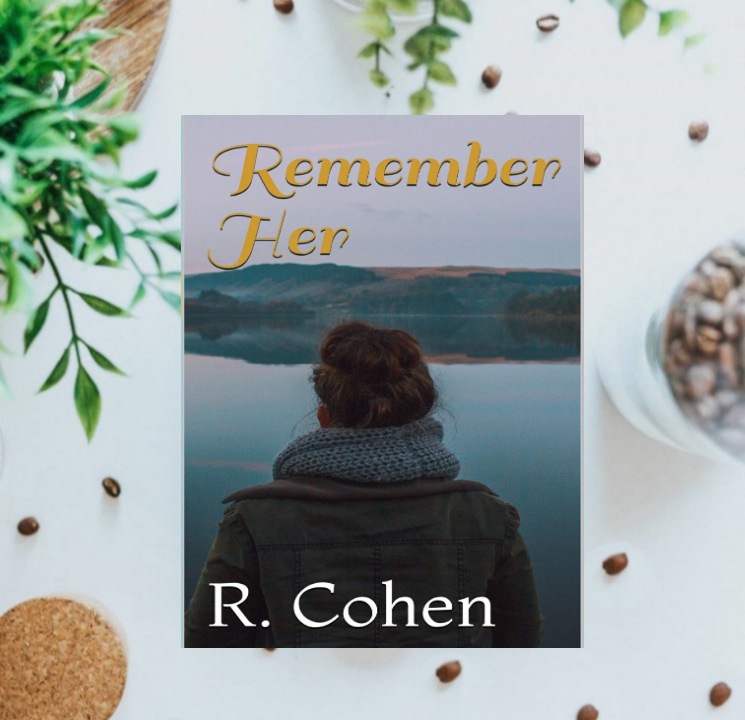
Interview with author R. Cohen

Book: Remember Her

Q1. Hello Ma’am, can you please introduce yourself? Readers would love to know more about you.

Hi Everyone. Thank you for taking the time to read about my book and me. I am R. Cohen (my pen name), and I am a native of Las Vegas, Nevada and currently reside here. By day, I am a college a professor. I teach rhetoric and academic writing. I have been teaching college since 2007 and enjoy every minute of it. I typically write in the academic world, so writing romance fiction has been such a difference but a huge pleasure and filled with excitement. I have an amazing rescue husky dog named, Mila.

Q2. What were the key challenges you faced while writing ‘Remember Her’ book?

For one, it took me almost four years to write. There were moments where I did not think I would finish the book because nothing really forces you to finish as an independent writer. A lot has happened in my own life over the last four years. I survived the Oct 1 shooting in Vegas, and I can tell you I did not write for almost a whole year after that incident. This book was the last thing on my mind. However, I found my passion for writing again through the encouragement and support of my family and friends. I am incredibly happy I did not give up!

Q3. What books or authors have most influenced your own writing?

My two favorite books are Sula by Toni Morrison and One Flew Over the Cuckoo’s Nest by Ken Kesey. Although I read all kinds. For a while, I was only reading academic books because I was in school much of my life. Oddly enough, I am not much of a romance novel reader, but I enjoy romance movies, and I would say the dialogue in films influence my writing.

Q4. What’s your favourite spot to visit in your own country? And what makes it so special to you?

I enjoy the Oregon Coast. Being from Las Vegas and the desert, it is such a remarkable experience being by the water and the greenery that comes with it in Oregon. It’s a peaceful place, and it’s where I go to reset each year.

Q5. Is there lots to do before you drive in and start writing a book?

The book ideas, including my next book, were ideas that just popped up into my head and unfolded on their own. When that happens, I have to immediately tell someone about it and talk it out before writing the outline. Once I have a handle on the direction, I outline all the chapters with the end in mind. Then, I go back in and fill in the characters by writing out their personalities, relationships with each other, their nuances, etc.

Q6. How long did it take you to write ‘Remember Her’ book?

Just under 4 years.

Q7. On what all platforms readers can find ‘Remember Her’ book to buy?

They can find my book on Amazon but all links to the book are available through my social media platforms and website rcohenbooks.com

Q8. Tell us about the process of coming up with the book cover and the title ‘Remember Her’?

The title was something I decided at the very end even after editing a while. Someone told me to wait until editing to see what phrase or key words popped out to me and since the theme is about not forgetting who we are, the title seemed fitting. As far as the cover, I knew I wanted it to have water in the image somehow because it is parts of scenes in the book but also because of how important water is to me when I have to take time out to reset in my own life. I also did not want to have a face showing either because I would like readers to depict the characters in their own way in how they choose to visualize them.

Q9. When writing a book how do you keep things fresh, for both your readers and also yourself?

I am all about authenticity and being realistic. Romance novels tend to have a perception that they have to be one way but romance is different to all people. I tried to reflect the kind of dialogue that I have encountered in my life from people I have met from different walks of life. Ultimately, I think it’s about recognizing that there is no one “right” way to do something and being confident in what you are writing because you as the writer enjoys it.

Q10. Are there any secrets from the book (that aren’t in the blurb), you can share with your readers?

Some of the characters in the book represent a few people I know in my real life, but I don’t say which ones because it is fun for me to see my friend and people who read my book try to guess. I get asked all the time about it, and I only have revealed that info to a select few.

Author’s Profile

Book Is Available On Amazon

Remember Her

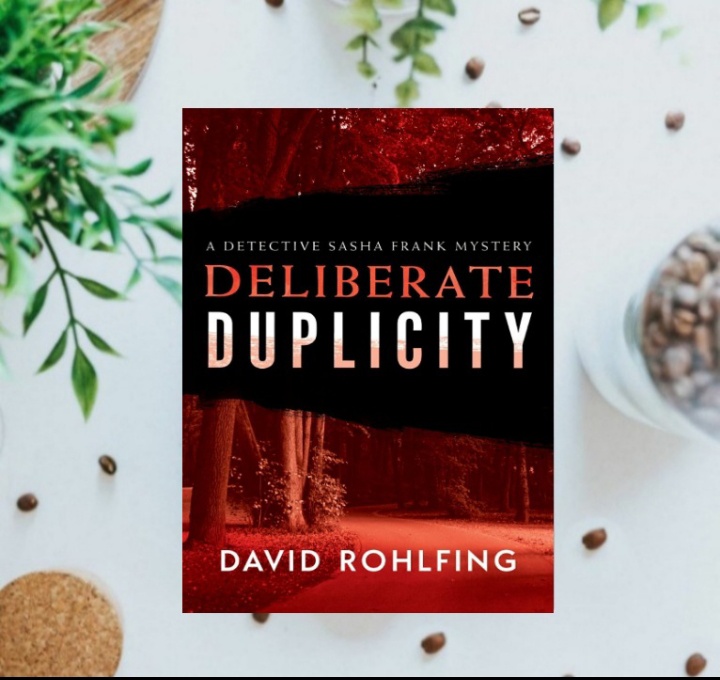
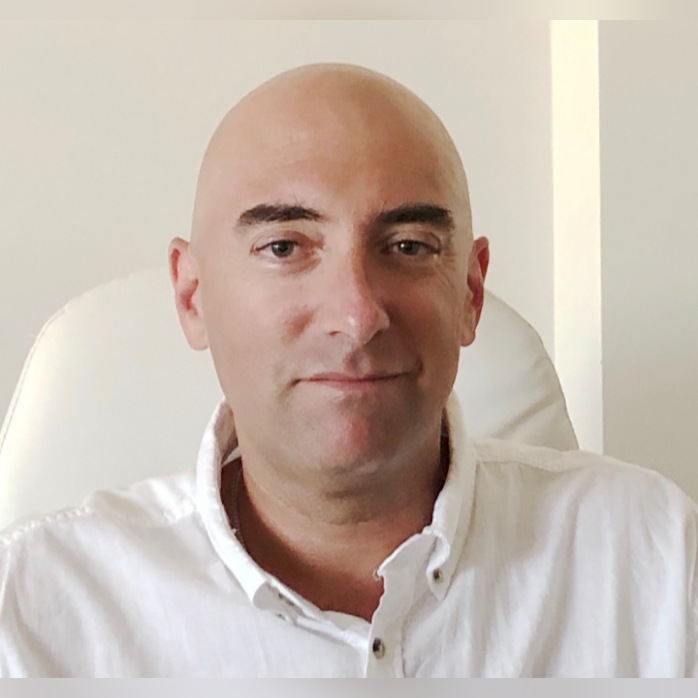
Interview with author David Rohlfing

Book: Deliberate Duplicity

Q1) Please introduce yourself so that the readers will get to know you better.

After a long career in business that allowed me to travel to all but one continent and countless countries worldwide, I decided to write a murder mystery series based on a fictitious character named Detective Sasha Frank. The first book in the series is titled Deliberate Duplicity. I live in Illinois with my wife, and when I’m not writing I spend as much time as possible with my family. I particularly enjoy golfing.

Q2) What is the most surprising thing you discovered while writing your books?

I guess the first thing is that I was able to write a murder mystery. I’ve written a business blog for many years, but writing about murders is a significant change. Deliberate Duplicity has received great reviews, and I’m very grateful for that.

Q3) Could you please tell the readers something about your book Deliberate Duplicity?

The book follows the main character, Senior Detective Sasha Frank, with the Bloomington Police Department. One by one, bodies are discovered at different points along the Constitution Trail, consisting of forty-three miles of abandoned railroad tracks that once ran through the “Twin Cities” of Bloomington-Normal, Illinois. The murders are the work of a calculating, methodical killer. Each murder victim is found posed, with their eyes wide open – witnesses who cannot testify to what they’ve seen. Deliberate Duplicity explores the twisted, vengeful mind of a serial killer. Sasha Frank is working to solve the mystery of who’s responsible for the string of gruesome crimes. There is a complicated web of clues leaving Sasha and his team with more questions than answers. It’s up to Sasha to find the killer and justice for all who were affected.

Q4) What are your hobbies apart from reading or writing?

I greatly enjoy golfing and spend as much time working on my game as possible. I also am a fan of college basketball.

Q5) How is life in Illinois?

I grew up in Central Illinois, and I’ve lived in a handful of states and several countries. I lived in downtown Chicago for many years before moving back to Central Illinois a few years ago as we have a family nearby.

Q6) What is your favorite quote?

Ralph Waldo Emerson wrote, “Life is a succession of lessons which must be lived to be understood.” I’ve certainly made countless mistakes in my life, and I can only hope that I learned from them. While in business, I liked the anonymous quote, “Delegate authority ruthlessly with confidence.” In most endeavors, it takes a team to accomplish big goals, and the only way for a team to achieve is for all to learn to do.

Q7) What has been the most difficult situation in your life which you finally overcame?

In March 2019, I suffered sudden cardiac arrest. I was down without a pulse for 15 minutes before many heroes, including my wife, a 911 dispatcher, a police officer, paramedics, and a dedicated group of health professionals at a local hospital, worked tirelessly to give me my life back. Over 99 percent of people who suffer sudden cardiac arrest in their home die and my living is a miracle. I suffered no memory loss, brain damage, or severe heart damage. With the help of countless people, I survived and was able to finish Deliberate Duplicity.

Q8) When is the second book of Detective Sasha Frank Mysteries to be released?

The second book in the series is titled Cold Consequences, and I’m currently working with editors and my publisher on final edits. We have a planned release date of late Summer 2021. I’m also currently working on the untitled third book in the series.

Q9) When did you first realize you wanted to be an author?

I’ve enjoyed reading my entire life. I like reading mysteries and especially murder mysteries. A few years ago, a friend suggested that I write business books and become a conference speaker on business. I tried writing a business book and found it impossible to write. I then started thinking about all the books that feature detectives in big cities while there aren’t books featuring detectives from a smaller city like Bloomington, Illinois. I had the name Sasha Frank in my mind and began thinking about what kind of murders would be interesting to readers like myself, so in 2018 I started to write Deliberate Duplicity. I greatly enjoy writing about Sasha Frank.

Q10) Lastly, who inspires you the most and why?

Those who have created something from nothing are incredibly inspirational. Since the beginning of time, the list of those who have made a difference in the world is endless. That list would include those who began transformational societal movements like Martin Luther King or Nelson Madella to this century’s business game-changers like Jeff Bezos, Steve Jobs, or Elon Musk.

Author’s Profile

Book Is Available On Amazon

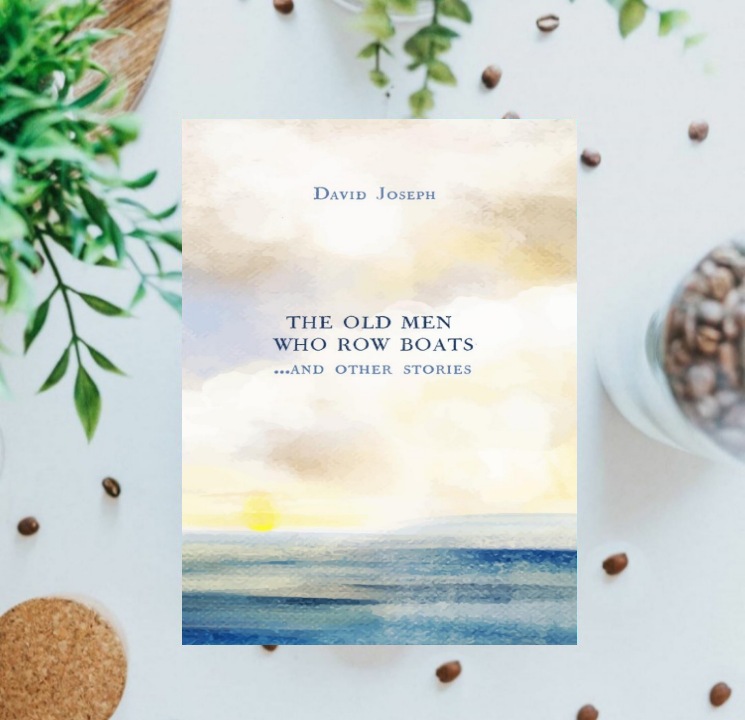
Interview with author David Joseph

Book: The Old Men Who Row Boats And Other Stories

Q1. Hello Sir, can you please introduce yourself? Readers would love to know more about you.

Thank you so much for having me here. I feel privileged, and look forward to sharing a bit about myself, my book, and the writing process for your readers. My name is David Joseph, and I am the author of The Old Men Who Row Boats and Other Stories. I am married, have two children and have lived in California and Spain over the past twenty-five years. What seems like a lifetime ago (it nearly is now!), I was a student of English Literature. I went on to complete a graduate program in writing at USC and then teach at the college level. However, I left teaching to move into the nonprofit sector, where I co-founded LA SCORES, an organization that uses writing to help inspire children in Los Angeles. That was my passion for many years, and I only returned to my own writing in earnest four years ago. Since then, I have been writing and publishing full-time and have completed four collections of fiction, the first of which is The Old Men Who Row Boats and Other Stories. I’ve also been able to invest more time into the true loves my life, my wife Karen and our two sons Jackson and Cassius.

Q2. What were the key challenges you faced while writing ‘The Old Men Who Row Boats And Other Stories’ book?

That’s a great question. I think the biggest challenge I faced while writing this collection was that I hadn’t written a short story in nearly two decades! That’s quite a long time, and it likely dates me as well. I’d continued to write poetry, essays, and Op-Ed pieces, but fiction was a medium I hadn’t worked with in a long time. I think writing is similar to many other crafts, in that it’s important to work on it constantly in order to remain sharp. I’d like to think I have done that over the years by continuing to write, but I still had to shake off some of the Rust when it came to writing fiction. At the same time, I was also much younger back then. This passage of time can serve as a challenge, but it also has the capacity to be beneficial. I have had so many experiences in my own life since I last wrote fiction, and those experiences have helped me evolve as a person, but also as a writer. They’ve given me a new perspective, and it’s from this vantage point that I have worked to craft fresh narratives, and I hope that is evident in these stories.

Q3. What books or authors have most influenced your own writing?

There are so many different fiction writers that have influenced me over the years, with Raymond Carver and Ernest Hemingway’s short stories at the top of the list. I also love “Sonny’s Blues” by James Baldwin’s, and more recently, I’ve been reading the fiction of Mario Vargas Llosa and Arturo Perez Reverte. I’ve also been inspired by Flannery O’Connor, Chekhov, and I love Carson McCullers story The Jockey.

Q4. What’s your favourite spot to visit in your own country? And what makes it so special to you?

I love Joshua Tree National Park. I’ve heard some people say there’s “nothing there” but that’s exactly what makes it so special. It’s what I imagine it might be like on the moon. It’s just the feeling of being in another universe. The desert landscapes stretch out for miles. The wind tunnels through the stone corridors and the sky goes on forever. It’s almost impossible to conceive that it’s only two hours from the urban jungle of Los Angele, but it is. And it’s a wonderfully desolate, vast paradise. There is an almost spiritual quality to it, and I can always think a bit more clearly when I am there, when I am removed from everything that moves quickly and immersed in the desert stillness.

Q5. Is there lots to do before you drive in and start writing a book?

I imagine there is, but that’s not how this project began. It started with some casual verse that turned into prose and stretched out into a single story. The second story came quicker than I expected, and only then did I begin to think of the possibility of a book and begin to conceptualize where I might be able to head with the collection. I’d like to be able to tell you that there was a lot of preparation, but I really just began writing and then new ideas for new stories started to take shape organically.

Q6. How long did it take you to write ‘The Old Men Who Row Boats and Other Stories’ book?

I wrote the first story in the spring of 2017 and the final story was completed in 2019, just over two years after I had begun. Since that time, I’ve spent my time working on the editing, cover, design, and trying to develop a plan to market and sell the book effectively. These aren’t my strong suits, so it’s been a learning experience. Fortunately, I have an incredible team of people that have helped bring the book to fruition, beginning with my editor Emma Moylan, Cover Designer Katarina, and Layout Specialist Walt. Without their guidance and expertise, putting the finishing touches on the collection would have been hard to imagine.

Q7. On what all platforms readers can find ‘The Old Men Who Row Boats and Other Stories’ book to buy?

The book is available for pre-order on Amazon.

Q8. Tell us about the process of coming up with the book cover and the title ‘The Old Men Who Row Boats and Other Stories’?

As far as the title was concerned, that is the title of one of the stories in the collection. The story, in particular, wrestled with time and place and the manner in which time moves along, which are themes that are found throughout many of the stories in the collection. The cover was a completely different process altogether. As I said, this is not where my personal expertise falls, and I am so lucky to have found such a talented designer, Katarina, from Die Welle Design. She took the time to become familiar with the stories and then create a cover that she believed embodied them. I am so pleased with it, from the colors palette to the image to the design, and I couldn’t be more proud to have this beautiful cover house the stories in this collection.

Q9. When writing a book how do you keep things fresh, for both your readers and also yourself?

This is another great question. This is, of course, so important for writers if their work is going to resonate with readers. For me, I just try to make sure that everything I write feels like it’s coming from an authentic place, that it’s being written with my heart as well as my head, and that I am not forcing something onto the page that I don’t feel completely, wholly convinced about. This doesn’t have to be something significant. It could be describing two people sitting at a table at a restaurant. Or it could be someone gazing at a sunset or two people contemplating their future together. But if I am not passionate about what I am putting down on paper, it’s hard to expect the reader to be. I suppose whether I’ve accomplished this or not remains to be seen, but I hope that this approach has created some moments and that will resonate with readers.

Q10. Are there any secrets from the book (that aren’t in the blurb), you can share with your readers?

Are there any secrets? I’m not sure. Perhaps I am not clever enough to have any secrets! But these stories don’t really fall into categories of mystery or fantasy where there are continual twists and turns and elaborate plots. So, it’s not a case of having something that I can leak or share or unveil. If I was going to reveal a secret, and I am not even sure I’d call it a secret, I’d reveal that the characters in this book are ultimately defined, like us, both by what they do and by what they don’t do, what they say and don’t say. And I guess it’s up to the reader to determine how they feel about them and the stories they inhabit. But I am excited to put this first collection forward and hope readers will enjoy it.

Author’s Profile

Book Is Available On Amazon

The Old Men Who Row Boats And Other Stories

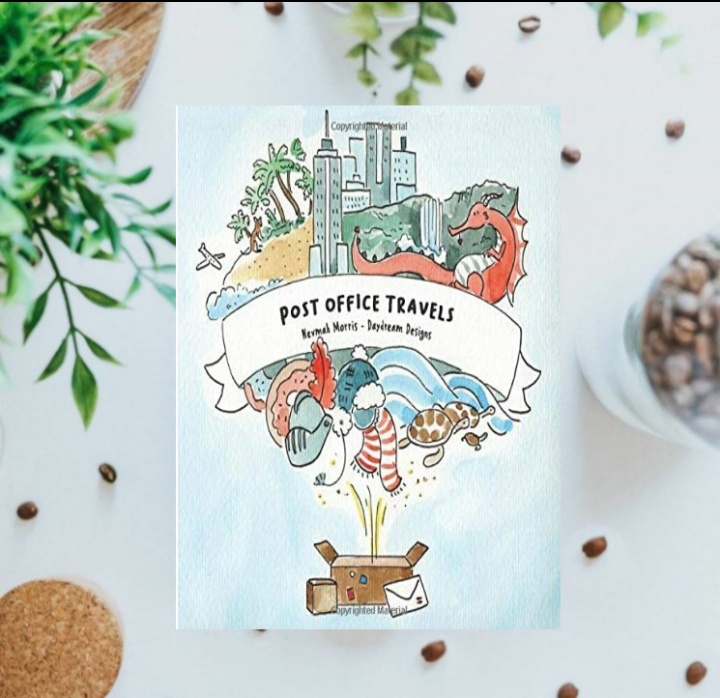
Interview with author Nevmah Morris

Q1. Hello Ma’am, can you please introduce yourself? Readers would love to know more about you.

I’m Nevmah Morris, I was born in Walsall, UK in 1981. I have 5 boisterous brothers and we lived in Staffordshire during our childhood years. During our teenage years we lived in the West Midlands. I moved to North Wales in 2000.
North Wales, UK, is indeed a beautiful part of the world to live in and a wonderful place to raise children so needless to say I still reside in Wales.
I was a Primary School teacher for 13 years until joining my husband in our family business as Funeral Directors. I am also a children’s book author and writing stories about precious moments is my favourite pastime.
My husband and I are raising 5 beautiful daughters. They are my purpose, my reason for all that I do. To be a role model to them to show them that not only can you be a wife, mother, go to work, but that it’s important to maintain your own identity and not be too busy to lose my own interests and hobbies whilst taking care of many other people. Writing stories is time for ‘me’.
I’ve thought about publishing my stories for many years. After being diagnosed with breast cancer and surviving I realised that tomorrow is not promised to anyone, we are only given today. So why wait? Take one step towards your goal each day to make it happen. I began writing my first book ‘My Daughter Believes’ and have a mind full of stories ready to tell the world.

Q2. What were the key challenges you faced while writing ‘Post Office Travels’ book?

Talkers can talk and writers can write. I guess I was conscious of the word count and to keep it suitable for the age range I had intended it for without it becoming too lengthy. It was a challenge to condense the content and proved to me that it is much easier to write more than less!

Q3. What books or authors have most influenced your own writing?

As a child I could transport to another world through the writings of Enid Blyton, it was the closest to magic a child could get. Creating a book that can stretch a child’s imagination beyond anything they could ever experience is key. I also love the childlike simplicity and innocence that Beatrix Potter can bring to stories. With both of these authors it is quite something to be able to master completely fictional places and characters and make them so incredibly real and normal to a child.

Q4. What’s your favourite spot to visit in your own country? And what makes it so special to you?

Wales is an idyllic place to live. It is difficult to pick one spot. My children and I have created many stories and games in a tranquil woodland, reaching the heights of a hill or mountainside to have a picnic with a view or building a boat out of sand whilst listening to the sound of the ocean.

Q5. Is there lots to do before you dive in and start writing a book?

I ‘think’. I can spend days, months and years bringing a story to life in my mind. I write the plot, create characters and a purpose for the writing all in my head before I even put pen to paper. I plan a whole story then once it’s finished in my head the writing it down is the easy bit.

Q6. How long did it take you to write ‘My Daughter Believes’ book?

My Daughter Believes is a collection of childhood memories based on my own daughter Kya. As she grew up there were so many beautiful moments that I wanted to bottle up and keep treasured forever so over the years I would write them down on little pieces of paper and keep them in a drawer. In 2018 I was diagnosed with breast cancer which encouraged me to then do something about ‘those little pieces of paper’ and in 2019 I wrote my book My Daughter Believes. This book is dedicated to Kya and I intend to write and dedicate a book to each of my children.

Q7. On what platforms can readers find your books to buy?

My children’s books – My Daughter Believes and Post Office Travels – are available to purchase on Amazon and via my website http://www.nevmahmorris.co.uk.

Q8. Tell us about the process of coming up with the cover and the title of your books?

My Daughter Believes is about all the childhood memories with my own daughter. Kya believed in everything – from fairies, midnight dances, the magic of Christmas to friendship, kindness, helping others. I hope her wonder of believing stays with her long into adulthood.
Post Office Travels was about my own travel and experiences to many places and countries. I wanted to record these experiences and share them with children in a story book. Using the Post Office, as a place of work in my book, enabled each reader to ‘travel’. One can travel anywhere in the world they need only take their imagination.

Q9. When writing a book how do you keep things fresh, for both your readers and also yourself?

I focus my writing on the ‘present day’ and noting new things that come to light during conversations with others or observations of behaviours resulting from present day experiences. Hence I then work with new thoughts and ideas without the need to revisit old matters/ topics.

Q10. Are there any secrets from the book (that aren’t in the blurb), you can share with your readers?

Plenty  My second book Post Office Travels is dedicated to one of my twin daughters Tien Rose. Tien helped me to create lots of fun seek and find items within the book. Tien loves interactive books so the last page calls for all ‘little explorers’ to go off and find things throughout the story. The name written on the boat, when the character is in Greece, is called the Tien Rose.

My Daughter Believes has many subtle references to our family too. For example, the characters that appear in the story are our 5 daughters, our family dog is illustrated on certain pages, the teddies on the little girls’ bed are drawings of Kya’s own stuffed toys, the name of the fairy is what Kya called her childhood imaginative fairy, one page is an illustration of a field by our house, the car number plate are our own private plates, we have a family tradition of the girls taking it in turns to put the star on the Christmas Tree each year which is exampled on one of the pages and Kya’s name means ‘diamond in the sky’ which is again illustrated on a page.
It’s been lovely that my girls have joined me in the writing, illustrating and publishing process to help create wonderful stories for children.

Author’s Profile

Books Are Available On Amazon

My Daughter Believes

Post Office Travels

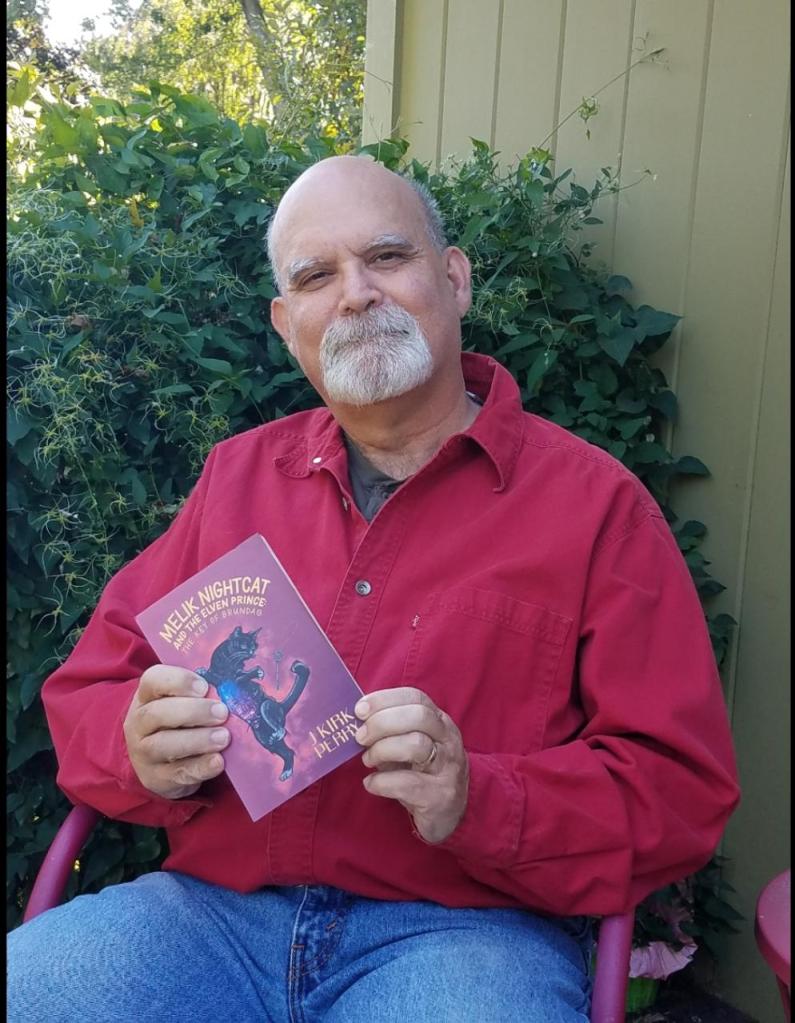
Interview with author J Kirk Perry

Book: Melik Nightcat And The Elven Prince: The Key Of Brundag

Q1. Hello Sir, can you please introduce yourself? Readers would love to know more about you.

I served in the military, have a Juris Doctorate, and am wrapping up a thirty-year career as a Criminal Intelligence Analyst with the State Police. I’m married to a wonderful woman, have a grown daughter and a dog named Biscuit.
I grew up on the banks of the Mississippi with its wetlands and tributaries as my playground. For as long as I can remember, I’ve loved books. My earliest memories are of my dad reading the newspaper to me. Later my grandmother regularly gave me a quarter to purchase a comic book and candy bar at the Five and Dime. My comic book collection has grown to over 10,000!

Q2. What were the key challenges you faced while writing ‘Melik Nightcat And The Elven Prince: The Key Of Brundag’ book?

The first big challenge was believing I could write a book worth reading. I’m very critical of my work. My first attempts were when I was twenty. All were rejected, and rightly so. Forty years later, with a lifetime of experience, I was finally ready.

Q3. What books or authors have most influenced your writing?

Robert E. Howard, Edgar Rice Burroughs influenced my physical description of action. J.R. Tolkien, Ann McCaffery, Andre Norton influenced my world vision. Stephen King spoke to me on character development. A fantasy author who combines all of this that I enjoy today is Jim Butcher and his “Dresden Files.”

Q4. What’s your favorite spot to visit in your own country? And what makes it so special to you?

I love to visit the beach and watch the ocean play at its edge. It is so relaxing, and it seems to wash away all concerns. I feel like I’m in a dream, and my imagination is free. Some of my earliest books were about ships of war during the revolutionary war and, of course, pirate ships in the Caribbean.

Q5. Are there lots to do before you dive in and start writing a book?

Not really. When I’m not on task with something, my mind tends to wander, and I’m musing over bits and pieces of stories of various kinds. It all just bounces about in my head, so when I sit down to write, all I need to do is put it in words.

Q6. How long did it take you to write the ‘Melik Nightcat And The Elven Prince’ book?

It took about a year to write the book. I was working full time and spending time with family. I set myself a goal of writing five pages a week, and eventually, the book was finished. It is how I approach any big task, one step at a time until you reach the end.

Q7. On what all platforms can readers find ‘Melik Nightcat And The Elven Prince’ book to buy?

You can purchase a paperback or Kindle version through Amazon. It is also available on Kindle Unlimited. If you live in the Peoria, IL area, you can buy a signed copy from Bob at Acme Comics on Glen street. It has been my favorite store for the past thirty years.

Q8. Tell us about the process of coming up with the book cover and the title ‘Melik Nightcat And The Elven Prince’?

The title describes the entire story perfectly. Melik and the Elven Prince must work out their differences to stop a civil war. It is their quest to succeed or fail.
The book cover is the product of being married to a talented and popular artist. I have made friends with some of the most wonderful artists because of it. Jeremy Berkley, an amazing screen-printer, agreed to create the covers for all three of the books in my series. I showed him some examples of book covers I liked, and the creative genius that is Jeremy came up with several possibilities from which I chose two. The one you see on the first book and another for the second book.
Of course, having the art and turning it into a book cover is something else. Here I turned to Chelsie Tamms of “Letteringworks.” She put it into a proper format and lettered the title.

Q9. When writing a book, how do you keep things fresh for both your readers and also yourself?

I want my world to seem like a real place. Even though it is all made up and full of magic, I want the reader to believe the place might have existed. I love the challenge of working out how certain magics would affect day-to-day life or why only a few use magic. It sets boundaries within which I create, and my writing thrives as restrictions become apparent.
For the reader, I like to take the expected and push it into the grey. I don’t want to take familiar tropes and make them unrecognizable but change them subtly to give them a new look.
I also like to foreshadow. For the discerning reader who wants to figure out where the story is heading, I like to leave breadcrumbs. There is always a reason why I put something in the story. When the unexpected happens, the reader can think back to an earlier part and understand where it came from.

Q10. Are there any secrets from the book (that aren’t in the blurb) you can share with your readers?

In college, I was both a player and game master of dungeons and dragons. There are quite a few nods to the game if you’re paying attention.

Author’s Profile

Book Is Available On Amazon

Melik Nightcat And The Elven Prince: The Key Of Brundag

Interview with author Vernae Taylor

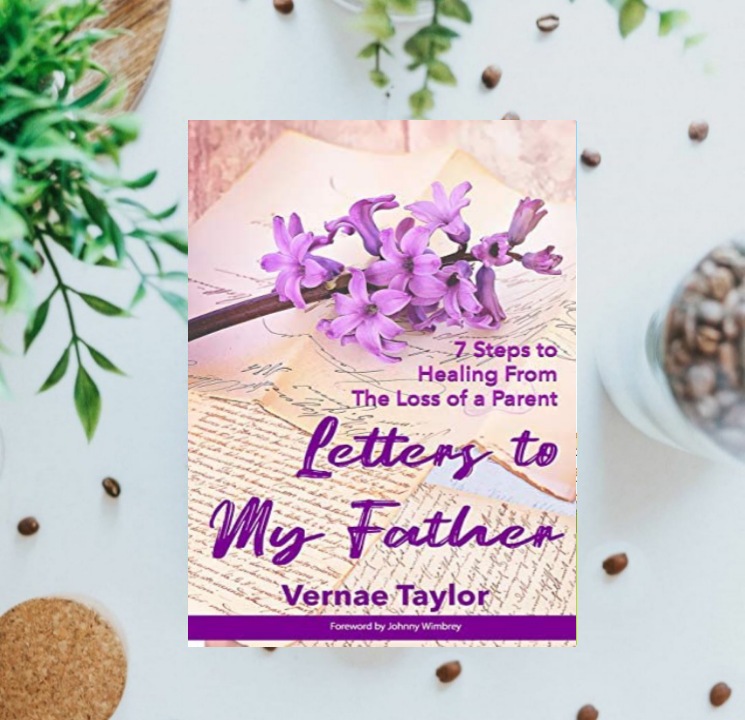
Book: Letters To My Father: 7 Steps To Healing From The Loss Of A Parent

Q1. Hello Ma’am, can you please introduce yourself? Readers would love to know more about you.

I am Vernae Taylor, NJ based Authorpreneur, Speaker and Mentor and I help people move from a place of loss and grief, step into their confidence and break through to live life on purpose.

Q2. What were the key challenges you faced while writing ‘Letters To My Father: 7 Steps To Healing From The Loss Of A Parent’ book?

The first challenge I had while writing this book was that after losing my father back in 2011, I began writing in a spiral notebook every Father’s Day, every birthday and every anniversary to simply honor him and reflect. I never imagined that I would someday be sharing this journey with the world, so I had to reformat the entire book from scratch into a guide to help others along the process of loss and grief. I faced the challenge of staying focused and motivated in the midst of a pandemic and unimaginable uncertainty. Although my father has been gone for quite some time, I also felt myself being triggered by constant loss around me and my family, due to Covid-19.

Q3. What books or authors have most influenced your own writing?

Sista Souljah, The Coldest Winter Ever; all of Langston Hughes’ poetry and writing, which always reflects the black voice; Alice Walker, The Color Purple, Terry McMillan, Disappearing Acts; Joyce Meyer, Beauty for Ashes; Stormie Omartian’s praying books; Eckhart Tolle, The Power of Now

Q4. What’s your favourite spot to visit in your own country? And what makes it so special to you?

My favorite place to visit is Miami, Florida in the U.S. It’s special to me, because it represents the perfect balance of relaxation, good food and electrifying music that makes you dance all night long.

Q5. Is there lots to do before you drive in and start writing a book?

Fortunately for me, my books have not required much preparation, as I believe my story and my experiences have already been written in some regard. I say that with great confidence, because writing poetry, journaling and cataloging written reflections have always been a daily practice for me ever since I was a child. The most involved process would be the publishing and marketing of the book, upon completion.

Q6. How long did it take you to write ‘Letters To My Father: 7 Steps To Healing From The Loss Of A Parent ‘ book?

You’ll never believe it…but I DO have an award to prove it. I completed my manuscript in just 2 days!

Q7. On what all platforms readers can find ‘Letters To My Father: 7 Steps To Healing From The Loss Of A Parent’ book to buy?

By direct order (autographed with added gifts) at http://www.letters2myfather.com or personal website http://www.vernaetaylor.com

By email request at vernaetheauthor@gmail.com

Amazon central (author page) https://www.amazon.com/author/vernaetaylor

Amazon kindle edition

http://www.goodreads.com

http://www.amazon.co.jp

http://www.amazon.de

http://www.amazon.ca

http://www.amazon.co.uk

http://www.amazon.fr

Q8. Tell us about the process of coming up with the book cover and the title ‘Letters To My Father: 7 Steps To Healing From The Loss Of A Parent’?

While writing in that old spiral notebook, it was always titled “Letters to my Father.” The subtitle came later, as to clearly identify to the readers what to expect and what they would learn by picking up and reading this book.

When I thought of the word letters I immediately envisioned frayed written letters (in cursive) scattered about, along with a pen. Initially I was going to use the colors black and white or gray to represent the timelessness of these letters. However, after receiving the first draft, it gave me a feeling of weariness and sadness. So we had to go back to the drawing board.

I absolutely love purple and any color within that same family, so that’s where the lavender orchids came in. After seeing that second draft, my mood immediately perked up and a feeling of hopefulness and enlightenment came over me. That’s the feeling I wanted and needed my readers to have after experiencing the devastating loss of a parent.

Q9. When writing a book how do you keep things fresh, for both your readers and also yourself?

I’m not sure if I truly focused on the idea of freshness as much as I did on authenticity and transparency. Whenever I’m writing, I want it to be as honest and raw as possible. Remaining true to my authentic voice and point of view within that present space and during that period of the actual loss is what was most important to me.

Q10. Are there any secrets from the book (that aren’t in the blurb), you can share with your readers?

There are two amazing human beings and writers (Alessandro Cerdas and Edna Frate) who I am honored to call lifelong friends that popped in and made a contribution in two separate sub-chapters. After reading, can you guess where these two people showed up?

Author’s Profile

Book Is Available On Amazon

Letters To My Father: 7 Steps To Healing From The Loss Of A Parent

Design a site like this with WordPress.com
Get started