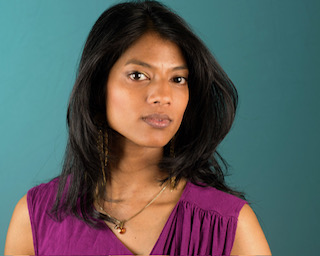
Interview with author C. Nekole Porter

Q1. Hello, can you please introduce yourself? Readers would love to know more about you.
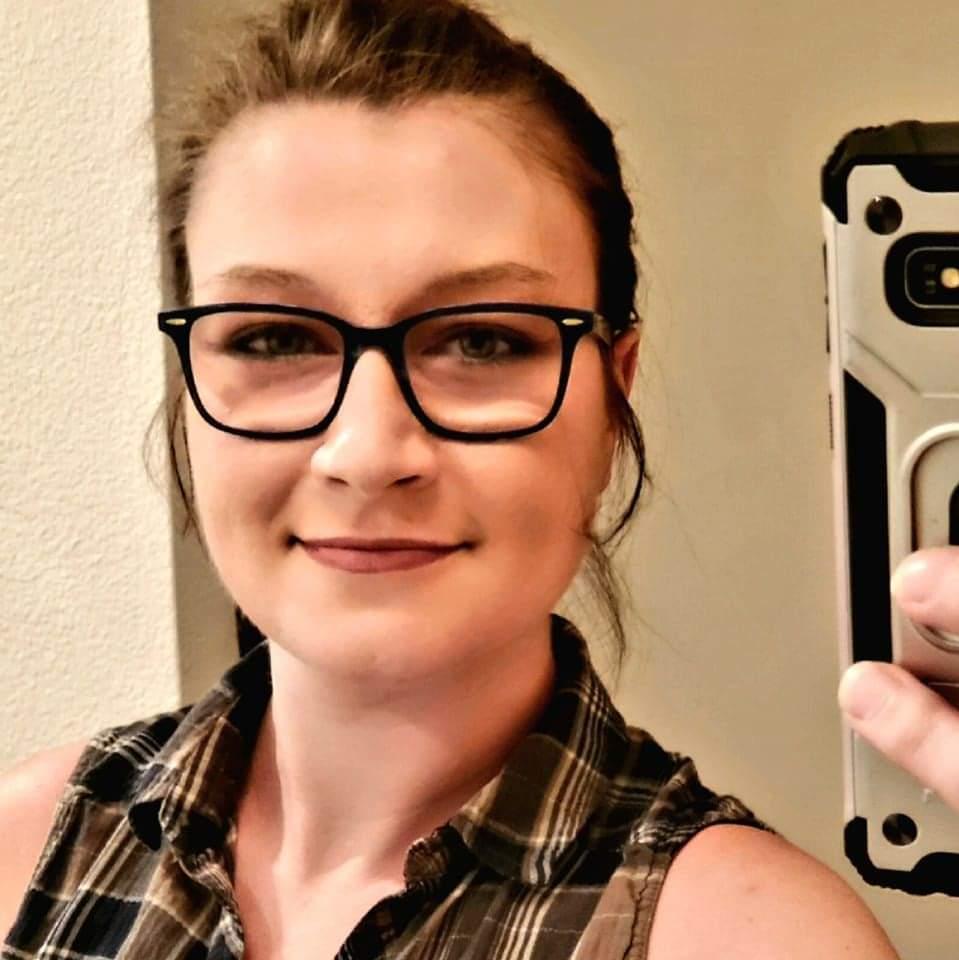
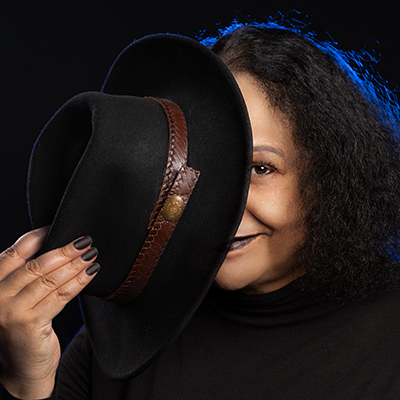
Hi there! The ‘C’ stands for Charis. To this day, I can count the people who’ve pronounced my name correctly on the first try with just one hand. So when it came time to choose a pen name, I decided to drop the ‘Charis’ and go with my middle name instead. Ever since I could talk, I’ve been telling stories. I used to sit my mum or dad down at our old typewriter and tell them what to type so I could bring my story to kindergarten for show-and-tell. When I got older, I started writing all my stories by hand in spiral notebooks (usually during school). I’m not sure exactly when I started drawing my characters, but I was heavily inspired by Japanese manga and anime. I think I’d always my characters in my head and eventually it felt right to see them on the page, too. I majored in Cinema Studies at University of Oregon for my Bachelor’s and made it about 2/3rds into a Masters in Film Production at the University of Central Florida.

Q2. What were the key challenges you faced while writing your book “PEROIA: The Cressidian Dhukarra”?

I think the biggest challenges I faced in writing “PEROIA: The Cressidian Dhukarra” were burnout and that sneaky bugger we call ‘imposter syndrome’. There were so many ideas I wanted to explore for this book and the rest of the series, and the research was as exhilarating as it was exhausting. And because I wanted to publish independently, all marketing and advertising fell entirely to me. I was fortunate enough to have an editor (thanks, Mum!) and a small crew of Beta readers (a thousand thanks, all!) on my team. When the time finally came to publish, my anxiety was out of control; was I good enough to be doing this? Would I accidentally offend someone I had no intention of hurting — or even worse, the very people I wanted to honour the most? Would anybody like it? Would anyone ever read it? At the end of the day, and after a lot of thought, meditation and prayer, I concluded that as long as I loved what I’d made, I should be proud of what I’d accomplished. What mattered most is that I faced my challenges and overcame them.

Q3. What books or authors have most influenced your own writing?

I’ve long admired the epic scale and world-building of authors like J.R.R. Tolkien, although the density and pace of most of his works made them a bit challenging (I recently learned that I have a lot of ADHD indicators). More recently, I’ve been fascinated by the “Dune” series by Frank Herbert, which are also a bit dense but much more easily consumed as audiobooks (so I can simultaneously draw or knit, to keep myself focused). As for my writing style, I like to think I’ve settled somewhere between the imaginative rhetoric of Terry Pratchett and the darker whimsy of Neil Gaiman (especially “Stardust” or “Good Omens”). Maybe a dash of Edith Pattou’s “East” and a whiff of Erin Morgenstern’s “The Night Circus”, for good measure.

Q4. What’s your favourite spot to visit in your own country? And what makes it so special to you?

It’s hard to pick a favourite spot because my idea of the perfect place is a little bit of a moving target. But I think my favourite place to be, in any country, is someplace surrounded by nature. I grew up in the Pacific Northwest of the U.S. and my memories are filled with mountains, high deserts and ancient river gorges, vibrant green forests and blustery coasts. Wherever I go, I am always happiest when I can hear the sound of water — especially rain. To me, rain means life. Standing in the rain, amongst nature, it feels like standing in the presence of God himself.

Q5. What inspired you to write the book ‘PEROIA: The Cressidian Dhukarra’?

Growing up, it felt like there were always a few stories missing from the world. I wanted to read about a girl like me — not just another pretty princess, but a girl with ambitions. I wanted a hero who was strong and smart, who could fight her own battles. And while I love the tension between attractive rivals, I wanted to write an adventure that didn’t necessarily have anything to do with romance. I wanted a story that rewrote the world, that shook up the dreary status quo that has become the human condition. So I dreamt up a story where the tomboy gets the limelight, people are free to be who they are and even the mundane is magical.

Q6. How long did it take you to write your book ‘PEROIA: The Cressidian Dhukarra’?

Technically, it has taken just over thirteen years to even get to ‘The Cressidian Dhukarra’ — originally, I think I called it ‘The Berserker”. It started as a sketch of the characters in a notebook at school, and then I’d write a few pages here and there. I didn’t have many serious intentions for it until about ten years ago, and elements of that draft still survive in the current version. During the pandemic, my therapist asked me what used to make me happy and I realised I hadn’t written a word of my book in over a year. Since then, I’ve devoted my energy to little else.

Q7. On what platforms can readers buy your books?

Currently, the ebook is available in English on Amazon Kindle, in all markets. The paperback will be available soon as well, either through Draft2Digital or Amazon (or both), release TBA.

Q8. Tell us about the process of coming up with the book cover and the title ‘PEROIA: The Cressidian Dhukarra’?

I’ve gone through several titles, most of them arguably more approachable; “Peroia: A Book of Days”,

“Berserker — A Peroian Book of Days”, “Peroia: A Chronicle of Lost Days”. But in the last couple of years, my ambitions for the series have grown and I wanted to come up with something more integral to the world of the story. In Peroia (and beyond), there is an order of esteemed bardic healers known as the Hearts; their ancient calling is to preserve their people’s culture through sustainable health and the recording of histories. These histories are given relevant names in the language of their culture. In this instance, “The Cressidian Dhukarra” refers to ‘tales of the journey’ as written by the Heart, Cressida (the protagonist). The sequel is named with the same convention: “The Cressidian Bunaburra”, or ‘tales of arrival’. For the cover, I originally wanted to feature my protagonist and major supporting characters; since I included several illustrations, I thought it would be a fun little sneak peek of what to expect inside. But every design I created turned out a bit too busy, especially once I added the titles. For someone susceptible to visual overstimulation like myself, it was a little disheartening. So I decided to try a more conceptual design with important colours and elements from the story. Honestly, I didn’t expect to love it as much as I do when I first opened that blank canvas on Photoshop, but here we are.

Q9. When writing a book how do you keep things fresh, for both your readers and also yourself?

I think the best way to keep a book fresh is with dialogue. Just because a writer uses stiff, proper language when they write doesn’t mean their character would, and hardly anyone uses real grammar in ordinary speech. And even if they did, a book is your world and its history has unfolded according to your rules; who’s to say they didn’t have contractions in the common tongue of the 10th century? In my opinion, dialogue that sounds natural when read aloud will always surpass dialogue that follows all the rules.

Q10. What is the most valuable piece of advice you’ve been given about writing?

The best advice I’ve ever received about writing was from a visiting filmmaker during my cinema undergrad at University of Oregon. Her name is Athina Rachel Tsangari, and during her interview she said she never just makes a film because it’s what she does for a living. She makes a film when she has a story that she feels deep down like she’ll die if she doesn’t share. So if you have an idea, but you’re not sure what to do with it yet, just give it time. Jot down your thoughts and sketch out your dreams so you don’t forget, but don’t rush yourself into telling a story that you don’t yet believe in whole-heartedly. Because someday, when it all comes together, you’ll feel that need and know that it’s time.

Buy Peroia – The Cressidian Dhukarra on Amazon
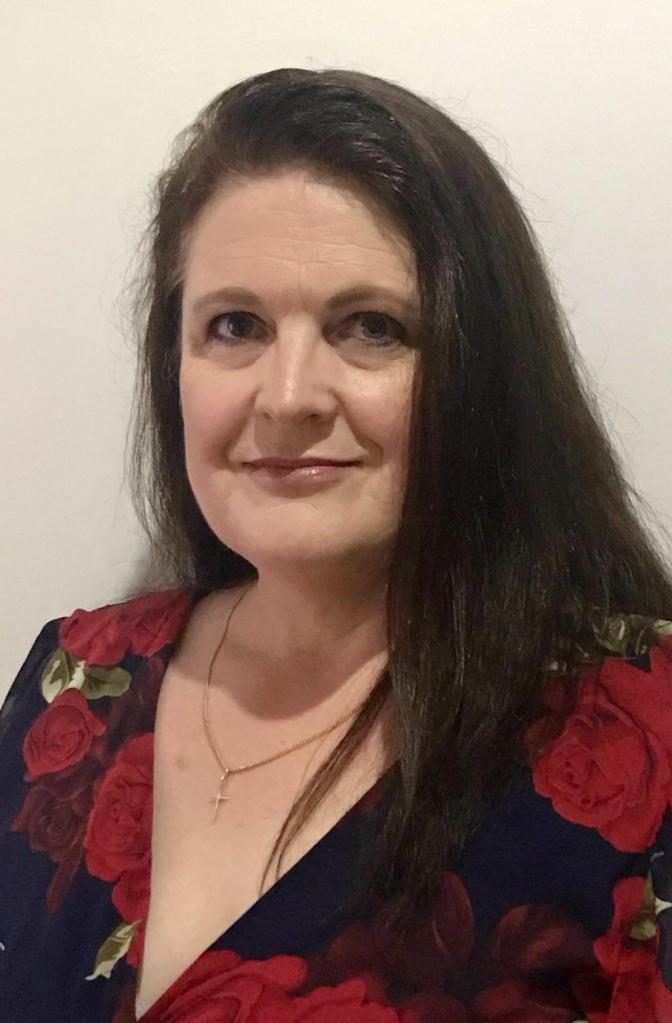
Interview with author Janine Ann Bower

  1. Please introduce yourself so that the readers will get to know you better.

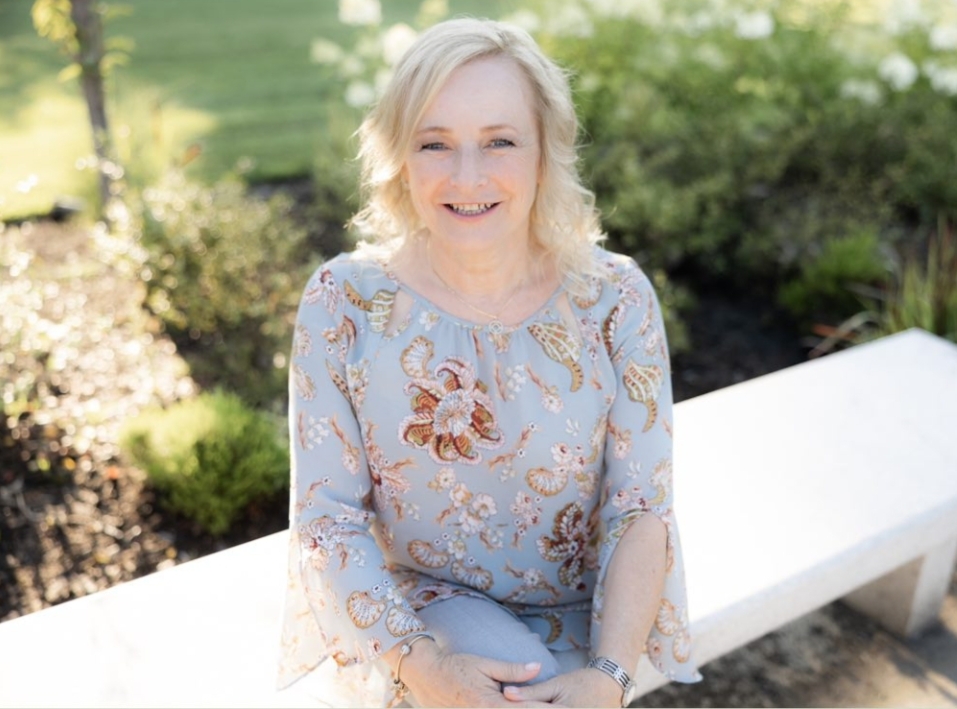
Hi I’m Janine and I grew up in England and moved to Australia at the age of 15.

I have always loved reading and writing since I was a child, writing little poems and stories for fun.

I was also a single mother for 13 years to two children, one of whom has Autism and had a lot of trouble learning to read; he is now a bookworm and is writing a young adults fiction book.

I was a social worker for over 20 years working with parents and children from disadvantaged backgrounds. During this time, I developed many programmes aimed at developing the skills of children, parents and educators. For seven years, I managed State Government-funded Child and Parent Centres, where I led allied health teams and worked closely with the Department of Education, and the State Library’s Better Beginnings Programme. During this time, I developed pre-kindy programmes, which have been used within both the state and private school systems. It is through insight gained during this time that I have developed the Read and Grow series, of which Jungle Party is the first to be released.

  1. What is your inspiration behind your book “Jungle Party”?

I think I would have to say that my inspiration is all the children I have worked with and told stories to. I love a child’s imagination and I try and hold onto that when I am writing.

  1. When did you realize you want to be an author?

I’ve always wanted to write a book but have been too busy with my children and work. I’m fortunate that I can now spend time writing and illustrating

  1. Please tell us something about your book “Jungle Party”?

It starts off with different animals in their habitat doing their thing until they all get a sudden invite to a party. That’s when the animals take on human like characteristics as they head off for some jungle fun, doing the conga and eating “squirming worm sundaes”.

I’ve used rhythm and rhyme and kept the story short so that children do not get restless making it easier for story time.

What makes this book different to others is that I have included tips for parents to assist with reluctant readers and to expand their child’s developmental skills. At the end of the book is an activity. This is to make reading the book again more fun, but also to develop speech, language and fine motor skills.

  1. For which age group is your book “Jungle Party” suitable for?

It is for 2-5 year olds, but to be honest I’ve had children up to 8 years old asking me for a copy.

  1. What is your favorite Quote?

“When we are working with children today we are sowing seeds into their lives for the future. We may not always see these seeds grow and bloom ourselves as sometimes it takes others to water these seeds and time for them to grow. The important thing is to keep on sowing.”

This is my original quote I used with my staff and social work students. They found it very inspirational

  1. What do you like the most about your country?

I live in the Great Southern of Western Australia on a small farm. I love the mountains and large open spaces all around us

  1. What suggestion do you want to give to parents of little readers regarding a reading habit?

Share a book with your child every day. You don’t need to read all the words. If your child doesn’t like to sit still for long, start with one page or just flip through the book until something catches your child’s eye; then ask your child a question about what he/she has seen. Remember to make reading time fun not a chore.

  1. What does literary success look like to you?

Literary success for me would be to create a love of sharing books between parents and children. If I can influence more parents to share a book with their child in a wait room instead of handing them an electronic device, I feel I would have achieved my goal.

  1. Lastly, who is your inspiration in life and why?

In regards to children’s literature Mem Fox is someone I have admired for a long time. For her great story telling, however

without wanting to sound “religious “, Jesus is my inspiration in life. He showed love and compassion to the outcasts of society and that is how I try to live my life- showing compassion and love in practical ways for those who otherwise wouldn’t receive it.

Buy Jungle Party on Amazon

Interview with author Bernadine Ziegler

Q1) What is your favorite line from the many many wonders of Deanie?

A 1) I actually have three lines: I will always love you and I will never let you go.

You still have to flush your cares away.

It just doesn’t make any sense to keep secrets.

Q 2) What would say is your strength as a writer?

A 2) Knowing that God, will always be at my side when I get stuck or can’t figure out something He fills in the blanks, and of course my Husband helps me a lot by encouragement and his love for me.

Q 3) How do you manage your work schedule?

A 3) I don’t really have a work schedule now, but when I did and something came to me I would always ask God to keep it in my head for when I get home. As for now I still have chores but there always seems to be time in between each chore or the day.

Q 4) How do you handle Literacy Criticism?

A 4) I really never had any criticism, I think because when I do write me and my Husband edit every piece I write. I did however go through some writing schools and entered some writing contest they did give give me a lot of red marks and I read the noted and re-wrote the pieces and published them in my books.

Q 5) What do I like about Audio books?

A 5) I heard of them but never listened to any I always thought that would be great for people who travel in their car or for anyone with any eye problems, Then I became a writer I was asked to do an audio book I thought to myself that would be great.

Q6) What inspired you to start writing?

A 6) I started writing things down when I was a kid I was mentally ill with Epilepsy, I didn’t know about this until I got better I read a story about Epilepsy, it said Epileptics write things down, so when they would have a seizure, it would wipe information out just like a bad chip or incomplete chip. I looked around all my things and found the writings that are in my book.

Q7) What in your opinion, are the most important elements of good writing?

A 7) Know your subject, have you ever heard the line? Write what you know this very true. Figure out the ending to your story first, then think of the title and then the beginning of your story, the rest will fill itself in. When you do all of this work, look up to see if this would be a good subject to publish see if anyone would like to read your work. I wasn’t sure so what I did I let chosen people to read my pieces and to tell me not what you think how did you feel afterwards.

Q8) What is your work schedule work schedule like when you are writing?

A 8) Very coming because when I do write it is when I would have time between chores, mostly at the end of the day. If there is some reason I had to stop I would write down where I left off but this usually doesn’t happen, when I start to write I always keep going to the finish line.

Q9) What is the significance of the title “The Many Wonders Of Deanie?”

A 9) The name Deanie is because it is shortened from my birth name that is what I was always called by my family, and The Many Wonders Of is because every writing is of different subjects none are the same, like I am bouncing around. Epileptics would write about everything they see and wonder.

Q10) What did you want to be when you grew up?

A 10) When I was young and still mentally ill I never knew if I was going to have a chance to grow up, so I never really had any direction but with all of my jobs I did have they never amounted to much, however when I discovered with every job I had I kept writing but I still didn’t think about being an author until my husband said why don’t you finish your writings? They are really very good!

Buy The Many Wonders of Deanie on Amazon

Interview with author Mark Ellis

Q1. Hello, can you please introduce yourself? Readers would love to know more about you.

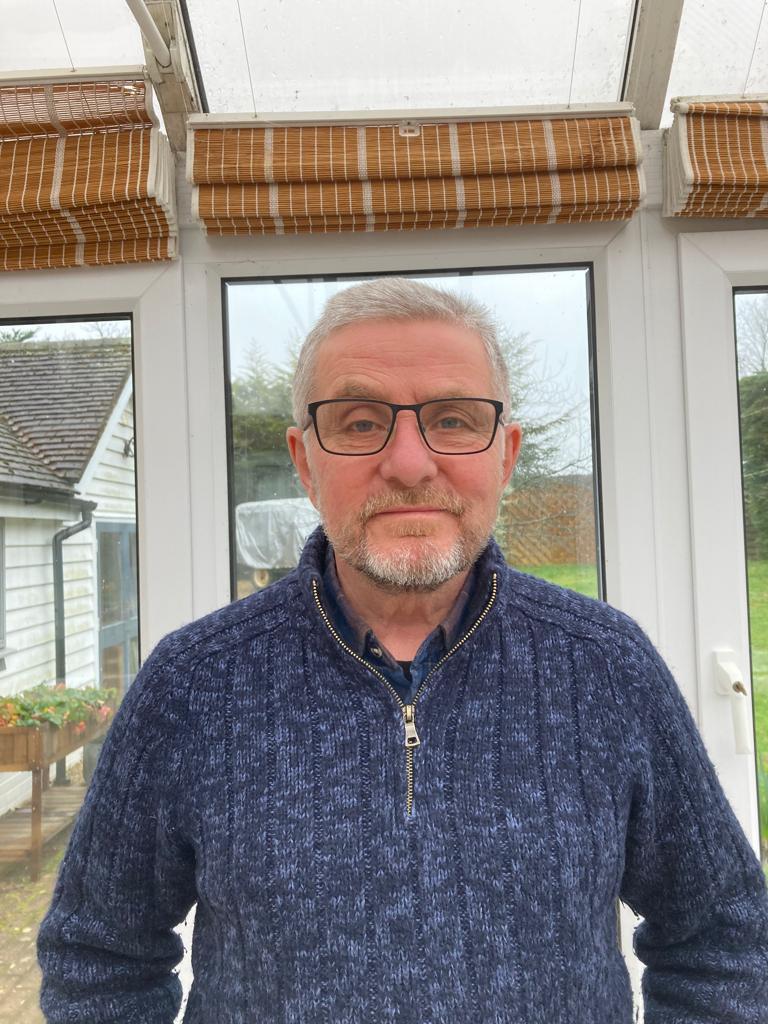
My name is Mark Ellis. I am the author of 5 books in a detective series set in WW2 London. My hero is Detective Chief Inspector Frank Merlin who works at Scotland Yard. He is the son of a Spanish father and English mother. I took up writing relatively late in life (I am 69 now) after carriers as a barrister, a banker, a corporate executive and then the founder of my own business. I had always wanted to write and when I sold my business decided to take the chance. I live in London with my family.

Q2. What were the key challenges you faced while writing your book “Dead in the Water”?

The main challenges in writing Dead In The Water were, as usual, to do with the plot. Creating a gripping and compelling plot is always hard.

Q3. What books or authors have most influenced your own writing?

Authors who have influenced my crime fiction include Georges Simenon, Agatha Christie, Patricia Highsmith, Alan Furst, Michael Connelly, Robert Crais and Philip Kerr. On a broader level I love Tolstoy, Dickens, Graham Greene, John Le Carré, F. Scott Fitzgerald and many others.

Q4. What’s your favourite spot to visit in your own country? And what makes it so special to you?

My favourite spot in my country is the Gower Peninsula in South Wales where I grew up.

Q5. Is there lots to do before you dive in and start writing a book?

Before I start writing a book I spend at least 3 months researching the specific period of the book. For Dead In The Water that was August 1942. For the book I’m currently writing it’s May/June 1943.

Q6. How long did it take you to write your book ‘Dead in the Water’?

Before I start writing a book I spend at least 3 months researching the specific period of the book. For Dead In The Water that was August 1942. For the book I’m currently writing it’s May/June 1943.

Q7. On what platforms can readers buy your books?

My books are available in print, ebook and audio. Readers can buy or order my books in printed form from all good bookshops. Otherwise books can be bought on Amazon, Kobo, Google and Apple. The audiobooks are on Audible.

Q8. Tell us about the process of coming up with the book cover and the title ‘Dead in the Water’?

My publishers Headline (an imprint of Hachette) came up with the Dead In The Water cover design. They have also redesigned the covers of the previous 4 books in new editions and given 3 of them new titles (see summary at bottom). I came up with the title which reflects an important part of the plot. The publishers and I kicked other ideas around for a while but we finally agreed that my first idea was the best.

Q9. When writing a book how do you keep things fresh, for both your readers and also yourself?

How do I keep things fresh for readers? Well, obviously in a new book they are confronted with a new story and new characters. At the same time they become reacquainted with established characters in the series and catch up with possible new developments in their lives. Also, as the books progress, so does the war with changes in atmosphere, the military situation and public sentiment.

Q10. What is the most valuable piece of advice you’ve been given about writing?

I write every day and have a target number of words. One good piece of advice is to end one day’s work in mid-sentence. This makes it easier to get going the following day.

Buy Dead in the Water by Mark Ellis on Amazon

Interview with author Roxanne Bland

Q1. Hello, can you please introduce yourself? Readers would love to know more about you.

The most important thing to know is I’m a fugitive from reality. Despite my books being very much rooted in the real world, I’m still disappointed when I look out my window and there are no dragons. Or griffins. Or centaurs. Looking from the outside, I think most people would say I’m boring. I don’t go out much. I can take only so much peopling on a day-to-day basis. But if you could look inside my head? That’ll trip you right out. Which is why I write. 

Q2. What were the key challenges you faced while writing your book “The Moreva of Astoreth”?

None, really. I knew the story I wanted to tell—a bigoted woman’s journey to redemption through the power of love. From the theme, you know it’s an enemies-to-lovers romance. I write speculative fiction, so I knew it was going to be set on an alien, but Earth-like planet. A place, except for some of its vegetation’s colors—bright purple grass—readers will find quite familiar. I think the only thing about the book that requires readers to suspend belief is the planet is part of a trinary star system. Very unstable. The stars’ gravities pull not only on each other but also on the planets that orbit them. You’ve heard people say they feel like they’re being pulled in all directions at once? That’s what we have here. Depending on the planets’ orbits, you might get all three stars blazing on the surface, which I’d think would be hellish. Or periods when there’s no light at all. Then we have a frozen wasteland. And, of course, the gravitational pull from the three stars could just tear the planet apart.

Q3. What books or authors have most influenced your own writing?

Authors who play with words, like Shakespeare, Chaucer, and so many others. Those who have a tongue-in-cheek, yet disturbing style, like James Thurber and Edward Gorey. Authors whose writing elicits genuine emotion, like Edgar Allan Poe. He’s my favorite. The horror in his works isn’t gore, but watching the character mentally disintegrate, like in The Tell-Tale Heart. Or his most famous, The Raven. A man trying to get on after the love of his life’s death. Or is he? Is the raven real, or is it a hallucination? So, in my own books, I focus on the characters and their emotions. Their actions and reactions. Finding out who they really are, which they themselves might not know, at least at the story’s opening. 

Q4. What’s your favourite spot to visit in your own country? And what makes it so special to you?

That would be New Orleans, Louisiana. I attended graduate school there and fell in love. It’s an amazing place, and not just because of its rich history. It’s the people who live there. As I used to say, “they don’t think like the rest of us in the U.S.” I believe it’s partly because of the Spanish and French influences when it was a colony of those two nations. Then you have the Caribbean influences, and certainly the African. All that, plus the locale, has blended to create an outlook on life that’s not quite like anywhere else. If it wasn’t for climate change, I’d move there. The problem is the city is already below sea level. That’s the main reason Hurricane Katrina in 2005 was so devastating. The levees holding the Mississippi River at bay failed, and between the river and the rain, whole neighborhoods disappeared.

Q5. Is there lots to do before you dive in and start writing a book?

If you’re referring to constructing a plot, no. I write in the literary style of fiction, not genre. The difference? In genre fiction, as it’s usually written, the plot is the story. In literary fiction, instead of plot, the characters are the story. So, before I begin, I think about the story’s theme. My books are sociopolitical criticism. For The Underground, I thought about oppression and persecution of certain communities in a society who, in this case, happen to be paranormals. What are their lives like? How do they hide what they are? What happens to them if humans find out? These questions bring in the concept of morality, with the ultimate question being, is there room for morals when survival is at stake? When the question is to kill or be killed? In those circumstances, what is and what is not moral behavior? Once I’ve thought it through, I construct a general story arc—point A, to point B, to point C. In writing the story, how I get from A, to B, to C is anybody’s guess, including my own. I let the characters take over. It can get complicated. Like, is the villain really a villain? They do terrible things to individuals in the community, but what if they do it to protect the community from being slaughtered wholesale by humans? There are other considerations, but those are primary. I did the same type of thing with The Moreva of Astoreth.

I’ll add George R.R. Martin’s Song of Ice and Fire, is an example of a story written in the literary style. There’s no plot. It’s a political fantasy, how politics work in the fantasy world he created. The story is about his characters’ political machinations and their results. Make no mistake, though. Martin’s and my stories are still genre fiction. No self-respecting reader of literary fiction would be caught dead reading a book about vampires, aliens, and fantasy kingdoms.

Q6. How long did it take you to write your book ‘The Moreva of Astoreth’?

That depends on your point of view. From a reader’s perspective, about 18 months. From my perspective, over 40 years. In college, a friend and I collaborated on a story for fun. That’s the skeleton. Years later, I read Zechariah Sitchin’s The Earth Chronicles. The two ideas percolated for many more years until it came together as a story about bigotry. It’s the deeply personal story of the main character, sheltered and unworldly. She’s kicked out of the nest, so to speak, and after going through several experiences and intense self-examination, her eyes are opened.

Q7. On what platforms can readers buy your books?

Everywhere, really. The ebooks are available on just about every platform. Amazon, of course, Kobo, Vivlio, Bibliotheca, to name a few. They’re also available on library platforms like Overdrive. Print copies are available directly from Amazon, Bookshop.org, or order from your favorite book retailer.

Q8. Tell us about the process of coming up with the book cover and the title ‘The Moreva of Astoreth’?

The title wasn’t hard. The main character is a Moreva, or priestess, who serves Astoreth, the Goddess of Love. This is her story, so…The Moreva of Astoreth. The cover concept wasn’t hard, either. It’s a science fiction romance, so, in keeping with the genre’s conventions, the cover features the main character’s love interest, a shirtless man with a sizzling hot body. And her, of course. She’s clutching him, a nod to her dilemma of being in love with a man of the race she despises. It’s not always that easy, though. It took me two years to figure out a title for the book I’m writing now, and I’ve no idea what the cover will look like.

Q9. When writing a book how do you keep things fresh, for both your readers and also yourself?

My books are mixed-genre, and stories don’t have the same mix. I’ve written a paranormal urban fantasy/science fiction/romance. Other books in my queue include vampire space pirates. Whatever the mix, they all spring from my deviant imagination. But it also means I’m not writing for the same audience. Fans of The Underground series are not interested in science fiction romance, like The Moreva of Astoreth. They attract different audiences. That’s fine. The mixes keep me from getting bored. I can’t imagine writing a 20 or 30 book series with the same characters. Or even similar characters.

Q10. What is the most valuable piece of advice you’ve been given about writing?

Write stories that move you. If your heart’s not in it, readers will know because your lack of enthusiasm will come through in your writing. The other is something I figured out for myself. No matter what you write, no matter how brilliant, somebody, somewhere, isn’t going to like it, and will say so. Don’t be discouraged by bad reviews. After all, it’s only one person’s opinion.

Buy The Moreva of Astoreth on Amazon

Interview with author Justin Danneman

Q1. Hello, can you please introduce yourself? Readers would love to know more about you.

Up until I was in my early 30’s, I was a very different person. I had experienced success very early on, both in terms of a career and in my personal life, however, depression and self defeatism formed during my childhood eventually tore that all apart. After losing everything, I finally woke up and realized I hated who I was – how I acted – how I spoke, but in this realization I discovered something else. None of that was actually me; it was like an automated me. So who am I? This is when my conscious self finally emerged and life part 2 for me began.

I became hungry for understanding. I began to read and research everything, eventually delving into topics such as ancient history, mythology, etymology, quantum mechanics, symbolism, philosophy, occultism … if it was controversial I wanted to know more.

This is when my ability to lucid dream began.

As I would go through various articles, I realized most of them were regurgitations of each other … and many times they were wrong. Each simply tried to capture clicks without actually trying to understand the topic they were presenting. One article would have two pieces of the puzzle … another two other pieces. Why isn’t anyone actually putting this all together into one complete article? So this is how my writing began. As of today there are a couple hundred of my articles that still exist, but eventually I gravitated towards writing this book.

What I experienced in dreams combined with what I began to understand needed to be expressed in a more complicated form. That is what the Ghost of War series is meant to be: my theory of everything wrapped in an awesome fictional plot. Not only is it meant to explain what I think all of this is, but actually how to overcome it.

Q2. What were the key challenges you faced while writing your book “Ghost of War: Game of the Gods”?

I would say forcing myself to immediately take notes whenever I experienced inspiration was the challenge. For example, I often would wake up from a dream knowing I should write it down, but due to it being in the middle of the night and all I can think about is going back to sleep would justify not doing anything by saying to myself yea I’ll remember it tomorrow … and then completely forget it by morning.

Q3. What books or authors have most influenced your own writing?

My two favorite authors are HP Lovecraft and Michael Crichton. They were the two authors I got into as a child. I read Jurassic Park at least 5 times before it was a movie. Lovecraft definitely had lucid dreaming experience, while Crichton was very good at providing research. There are so many other books though I would recommend.

Q4. What’s your favourite spot to visit in your own country? And what makes it so special to you?

Salt Lake City. I love everything about it. The happy hour/brunch options, the night life, the legit coffee shops, the outdoor options, including park city nearby for skiing. People there are chill.

Q5. Is there lots to do before you dive in and start writing a book?

I initially spend my time fleshing out an outline. From there I pick whatever part I feel like expanding, and go from there. I cannot write in a linear fashion. After the Ghost of War series, I have two other book ideas ready to go – both from (shocker) dream experiences. Eventually my dream journal will be its own book.

Q6. How long did it take you to write your book ‘Ghost of War: Game of the Gods’?

It did take close to 4 years, only because I was dealing with life issues – still writing articles … basically not completely dedicating myself to the idea. Once I embraced it, it came out pretty quick.

Q7. On what platforms can readers buy your books?

Paperback and within the next week an audio copy are available on Amazon, while a pdf is on my publisher’s website: https://korsgaardpublishing.com/

Q8. Tell us about the process of coming up with the book cover and the title ‘Ghost of War: Game of the Gods’?

The title slowly came to me as I wrote the book. It’s hard to explain it without giving away information about the main character and the overall plot. The cover was before all of this Ai art generating apps came out. That would have been useful. It is meant to hint at simulation/matrix theory. “Everything is simply electrical signals interpreted by your brain.”

Q9. When writing a book how do you keep things fresh, for both your readers and also yourself?

Well having the ability to not only lucid dream, but to exit dreams into the astral plane obviously really helps. I’m also big on psychedelics. I don’t see or treat them as drugs, but rather temporary reality hacks. I take them very seriously. One of my favorite things to do is to rent a cabin in the middle of nowhere, take some mushrooms, and just explore the woods … at night. I love it.

Q10. What is the most valuable piece of advice you’ve been given about writing?

I’d rather answer this question by giving my own advice. Write like how you speak. Ignore the masses and go against the grain. Do what feels right and trust your gut. If you feel stuck, start writing something else. Write what currently inspires you, don’t force it.

Buy Ghost of War on Amazon

Interview with author Pete Benson

Q1. Hello, can you please introduce yourself? Readers would love to know more about you.

My name is Pete Benson.I’m 73 , retired and live in Kent,England with my wife Clare and her daughter Kimberley.I have three kids of my own;Ellenna, Ria and Harry, and 4 grandchildren; Leonie, Euan, Henry and William. I started work in the film industry in 1978 mainly on feature films until I switched to commercials to give me more time to concentrate on a film prop hire company I started in 1984 with 3 other prop men.Writing came late for me but the desire to put down all the funny things that happened during filming before they were lost and to somehow give my children an idea of what I was doing when I wasn’t able to be at home, pushed me on.

Q2. What were the key challenges you faced while writing your book “Tales of a Film Prop Man”?

At my age,remembering that far back, but once I started writing it all seemed to come flooding back until I had so much material it would never go into one book. So, I am now writing  a second.I also felt it important to try and write in my voice and not copy someone else’s style.

Q3. What books or authors have most influenced your own writing?

As a kid I loved Doctor Syn and Agatha Christie books, but as I grew older I found very little time to read books , but lately I have renewed my interest and a book by author Philip Davies called Lost Warriors, for some reason, gave me inspiration to get mine done.

Q4. What’s your favourite spot to visit in your own country? And what makes it so special to you?

We lived for about 10 years in Minehead right on the edge of Exmoor and the volume of wildlife, including the Exmoor ponies roaming freely, and the sight from the top across the Bristol Channel was just superb.

Q5. Is there lots to do before you dive in and start writing a book?

Probably any author will tell you preparation and structuring your book is important and I would agree. My way was to get it all out of my head and down on paper unless I forgot it. From there you can refine, trim down and rewrite it. I wrote my book 5 times to finally get to the published copy.

Q6. How long did it take you to write your book ‘Tales of a Film Prop Man’?

The idea had been in my head for a long time . Life,as is normal with most people, got in the way until about 18 months ago I finally started writing it. I really didn’t know if I was doing it right, so it was slow going for a while until I really got excited about what I was putting down and then the speed picked up. So, I wrote for about a year and then it took about six months for the process to get my script to the published book.

Q7. On what platforms can readers buy your books?

At present it is available on Amazon in paperback and Kindle format.

Q8. Tell us about the process of coming up with the book cover and the title ‘Tales of a Film Prop Man’?

The cover was designed by Ronaldo Alves, who works for my publisher Atmosphere Press, after we kicked around a few ideas.The name I thought up as it seemed to cover all the elements of the book I wanted to put over. Stories-Tales, Subject-Films, From whom- Film Prop Man.

Q9. When writing a book how do you keep things fresh, for both your readers and also yourself?

For me, I felt I needed to write it as if I were telling the story in my voice, trying not to overcomplicate it and drown it in unnecessary words. Once an audience gets bored you’ve lost them.

Q10. What is the most valuable piece of advice you’ve been given about writing?

Pretty much a similar answer to no.9. Don’t use 10 words when you can use 5.

Buy Tales of a Film Prop Man on Amazon

Interview with author Natalie V Frazao

Q1. Hello, can you please introduce yourself? Readers would love to know more about you.

I am a wife, mother and grandmother who is now retired and enjoying spending time with my little treasures along with writing down thoughts that come to me which I’ve now published into my book A LIFE in VERSE…these thoughts are a part of me which I must now set free…

Q2. What were the key challenges you faced while writing your book “A Life in Verse”?

The key challenges I faced while writing ‘A LIFE in VERSE’ were primarily finding the time to write down as other priorities took hold of my time. Determining when to end the book was another challenge along with allowing myself to let go of the work that I had held onto for 5 years.

Q3. What books or authors have most influenced your own writing?

Having written an anthology of Poems which were thoughts that came to me, my influence was my life. Life’s struggles, love, work, family, illness, inspirational thoughts, and a longing for home…wherever that may be.

Q4. What’s your favourite spot to visit in your own country? And what makes it so special to you?

My favorite place to visit in my Country, Portugal, is the Beach town of Nazare.

I grew up going here in the Summers and make this a priority visit/stay whenever I am back home. I find the beach spectacularly beautiful, with a rich culture, wonderful people and it also has on the North Beach the biggest waves which are a huge draw year-round to this area.

Q5. Is there lots to do before you dive in and start writing a book?

For me, the requirement for research was not necessary. It was a matter of calming my mind and some solitude to allow the words to flow.

Q6. How long did it take you to write your book ‘A Life in Verse’?

This project for me took 5 years from start to finish. I did take a few years off when my Grandchildren were born and like I mentioned, had a difficult time letting it go to the Universe. 

Q7. On what platforms can readers buy your books?

My book, ‘A LIFE in VERSE’…these thoughts are a part of me which I must now set free (hardcover, paperback, e-book) and is available on Amazon, Barnes & Noble, Indigo/ Chapters.

Q8. Tell us about the process of coming up with the book cover and the title ‘A Life in Verse’?

The process of coming up with the book title was quite simple as these poems are literally about everyday day life. So, A life in verse seemed fitting. 

With respect to the book cover, this I was happy to give over to the Team at Tellwell Publishing and they came up with the cover, which I loved from the moment I saw it!

Q9. When writing a book how do you keep things fresh, for both your readers and also yourself?

In order to keep things fresh, I draw on different experiences, thoughts, events, seasons, careers, drama, trauma, and inspirational verses.

My poems meander through all these and more…

Q10. What is the most valuable piece of advice you’ve been given about writing?

Be patient, persistent, do your research if your book requires it and find a great team to work with. They will be a source of support and inspiration during difficult times.

The words will come to you in their own time, enjoy the process!

Buy A LIFE in VERSE on Amazon

Interview with author Jesse René Gibbs

Q1. Hello, can you please introduce yourself? Readers would love to know more about you.

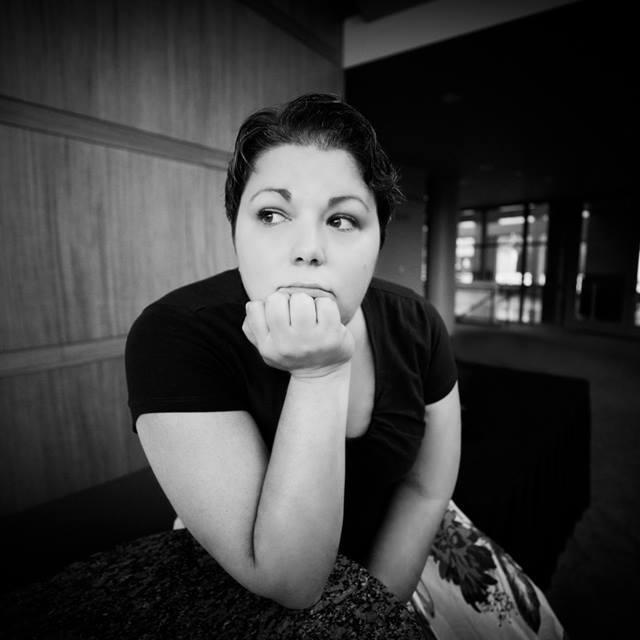
My name is Jesse René Gibbs and I am the author of Girl Hidden. I am an artist, designer, dancer and survivor.  I am a stepmother to four, Amma to four more and blessed beyond measure with the family that I chose.

This book is based on the true story of my life, gleaned from years of my mother’s writings, my grandmother’s journals and my own experiences. I did my best to showcase the depth of damage that growing up with a narcissistic parent can have on a person, and how hard it is to come to terms with the amount of gaslighting that comes with that life. My siblings all have their own stories of being played against each other, bullied and even emotionally tortured by our parents. We were trained to not trust our own intuition, raised in a life of poverty, a lack of privacy and the endlessly traumatizing purity culture. 

I was hunted in my own home by the man my mother married and escaped at nineteen only to land in an intentional community in Chicago that did nearly as much damage. My best friend in the book is also real, and she did more to walk me through my trauma, and she is the main reason that these stories were finally published.

My new life in Seattle didn’t start until well into my thirties, and I’m still working on deconstructing my life up to that point. I wrote this book to organize my life in my own mind and to undo years of lies. I also wrote it because others need to know that they are not alone.

Q2. What were the key challenges you faced while writing your book “Girl Hidden: A Memoir”?

Girl Hidden is a book written when I had space to walk through the memories, do research or interviews and write. It took nearly twenty-five years, and I would write the version of my story and my memories that I knew to be true, then I would page through my mother’s letters, my grandmother’s journals or just do online research until I was able to nail down the full truth.

Part of it was just struggling to put my story on the page and part of it was not wanting to sort through my memories. I went through a lot of therapy during the writing of the book which forced me to face some of the awful experiences and abuse that I experienced which would allow me to finally get back to writing. I also had my best friend, June, to help carry me through. She is my rock, and I don’t know what I would have done without her daily encouragement.

Q3. What books or authors have most influenced your own writing?

I’m a huge fan of Robert Fulgum’s writing (if you haven’t read All I Ever Need to Know I Learned in Kindergarten, stop what you’re doing and go read it). I was also very influenced by the way that The Glass Castle by Jeanette Walls made me feel. 

Q4. What’s your favourite spot to visit in your own country? And what makes it so special to you?

I travel a lot and while I’m a huge fan of a good adventure, I’m a homebody by nature. My favorite spot in the world is my garden. It brings me an inordinate amount of peace.

Q5. Is there lots to do before you dive in and start writing a book?

For this book, I had a metric ton of research to do. My grandmother sent me all her journals, court documents, FBI files, my mother’s letters and much, much more to wade through. I did interviews with people who were involved in the story, and I have my own collection of letters from Momma. It was trying, to say the least.

Q6. How long did it take you to write your book ‘Girl Hidden: A Memoir’?

It took nearly twenty-five years. I write from the heart, from my emotional core. Which means, for me to tell a good story I must feel that story in nearly every way. Which is one of the reasons that Girl Hidden took so long to be released. It was exceptionally hard to dive into the emotions of the abuse that I endured just to tell my story.

I would start with a story that I wanted to add to the book. Start writing from my experience and my memories and get it all down on paper. I would rewrite, cry, write again and repeat. Then I would dive into the myriad of boxes that my grandmother collected over the years that were filled with documentation about my experiences: court documents, my mother’s letters, my grandmother’s journals. And often I would find that my version of the events had multiple layers and extended stories that I knew nothing about. 

I would meet with my therapist to walk through the pain of rewriting my history in my own mind, talk with my wonderful bestie, June, and usually cry again. Then it was back to writing, rewriting, or adding to the story until it made sense on the page and matched both my experiences and the truth of the documentation. 

For example, my mother gave birth to me while in the Navy, stationed in Rota, Spain. Which is already an interesting story, but finding out through my mother’s letters just how little she wanted a child and through the doctor’s notes that she was trying to starve me to death for the first three months of my life was devastating. She stated in her letters that I, a newborn baby, was overwhelming demanding and shouldn’t be able to “demand that I feed her on her timeline.” So, back to the drawing board with that chapter. 

It was a challenge every step of the way, but through the writing process I began to find healing and closure. June held my hand and cried with me and helped me sort through all the research that needed to be done to make Girl Hidden a reality. 

Q7. On what platforms can readers buy your books?

It’s available in online, paperback and audiobook form. You can find it on Amazon, Google, Goodreads and you can request it from your favorite bookstore. 

Q8. Tell us about the process of coming up with the book cover and the title ‘Girl Hidden: A Memoir’?

The book cover is a photograph of the farmhouse taken by my best friend, and the back cover is the water tower from the Liledoun house, also taken by June. After the second kidnapping I was in hiding for more than two years, and I was constantly hiding from my narcissistic mother and abusive stepfather, so the title just fit.

Q9. When writing a book how do you keep things fresh, for both your readers and also yourself?

Girl Hidden is the story of my life, and it was written first and foremost for me. It was important to stay true to myself and my story. You’ll notice that the book is written in third person and that’s because I don’t personally enjoy reading stories written in first person. It was much more of a challenge, but I wanted to write a story that I would want to read. Over the course of the writing, I realized that this story was becoming a survivors guide for others who have experienced and survived abuse or narcissistic relationships.

Q10. What is the most valuable piece of advice you’ve been given about writing?

I think the best advice I ever got was to just get it down on paper; organize it later, but for heaven’s sake, get it written. And honestly, the worst advice I was given was given in kindness; the lady said, “write it in first person, it doesn’t make sense in third person.” And I tried, I really did. I rewrote entire chapters in first person, but I didn’t like it. And at the end of the day, I needed to be happy with my book. So, it got switched back.

Buy Girl Hidden on Amazon

Interview with author Matrika Hay

Q1. Hello, can you please introduce yourself? Readers would love to know more about you.

My name is Matrika Hay, I was born in India but I was adopted at 4 months old, where I spent my first several years growing up in Hawaii before moving to Arizona. My mother was in the Air Force so we moved around. I originally wanted to be a paleontologist, but fell in love with the theatre. I went to NYU for college for Film and Television. I’m a professional singer, stunt and have training in various weapons. I have studied theatre for over 20 years both stage and film. I also have a podcast called The Foley Chronicles, that you can find on apple podcast, Amazon, podbean, and spotify.

Q2. What were the key challenges you faced while writing your book “Not What Meets the Eye”?

The biggest challenge I’ve faced writing this book, or any others have been to overcome my dyslexia. Not just the issues with words and numbers, but also sometimes the industry itself, where some people will try and take advantage for having a disability.

Q3. What books or authors have most influenced your own writing?

I grew up reading distinguished works like, Sherlock Holmes, The Lord of the Rings, and The Odyssey. Those stories have stayed with me to this day. Several years ago a friend introduced me to an epic fantasy series by Tad Williams called Memory, Sorrow, and Throne, and needless to say I devoured it. I am so happy that he’s since returned to that world in his latest trilogy. The building of worlds in a book is much more challenging then it is in a screenplay or stage play. Even the simplest details can’t be overlooked if the world you’re building is going to be believable.

Q4. What’s your favourite spot to visit in your own country? And what makes it so special to you?

There’s a spot called Abrams Lake in Maine. Peaceful and picturesque. The sky is never the same from day to day. It is far enough away to escape from the everyday. The weather is perfect in the summer.

Q5. Is there lots to do before you dive in and start writing a book?

Yes, there is. The main thing is having a strong plot formed from start to end. Not just a synopsis. Many other writers I know will sometimes make character outlines detailing the way the characters change throughout the story. Overall plot points of major incidents that will effect the story. If it’s fiction or sci/fi and you want the reader to believe that what they are reading depending on the technology or history of the world there is usually a lot of research involved. If it’s science based, does the science hold up to what we know exists today?

Q6. How long did it take you to write your book ‘Not What Meets the Eye’?

I first had the general idea for the story back in the year 2000. But I didn’t start writing it until about eight years later. Then I put it on the back burner when another idea for a book came to me. So officially it took me about three years of actual focused dedication of the work, that’s with the edits and rewrites before I felt it was good enough to send into a publisher.

Q7. On what platforms can readers buy your books?

Through my publisher, Olympia, Amazon, Barnes and Noble (online only), and anywhere else books are sold online.

Q8. Tell us about the process of coming up with the book cover and the title ‘Not What Meets the Eye’?

I didn’t really have an idea of what I wanted the cover to look like. A few thoughts had come to me, but they just didn’t seem right. But with the help of my publisher we were able to find the right feel and fit for the cover art. One of the most important things that I’ve learned is that the cover is also a huge selling point to potential readers; so an eye catching unique cover is a must.

As for the title, it just kind of stuck with me from the beginning. ‘More than meets the eye’, just didn’t seem to have the right ring to it given the intensity of the story I was telling. It kind of reminded me of the old saying ‘never judge a book by its cover.’

Q9. When writing a book how do you keep things fresh, for both your readers and also yourself?

This is a hard one, due to all the sanitation of ideas being used over and over again; both in books, movies, and TV shows. I have fallen back on my acting experience and think and ask myself often, ‘would I want to read or see this?’ Or, ‘what makes this idea different than all the rest out there?’ And ‘How can I make this better, where’s the twist? The hook that just suddenly takes you by surprise?’ I think also allowing the book to evolve as you write it. If it takes things in a different direction naturally, why fight it? It may turn out to be better than you originally planned.

Q10. What is the most valuable piece of advice you’ve been given about writing?

Never give up! I know that sounds like a complete clique and it is. But after being told numerous times by countless people that I’ll never make it, due to my dyslexia, or gender, or how competitive the industry is- that just made me want to push harder to prove them wrong. You will get more nos and or just no replies at all than you will get a yes. The thing is to just keep trying. If self publishing is the way for you than go for it. It is easier now to self publish then it was only a decade ago. I wanted to prove all the neigh-sayers wrong, and reach for a major publishing house. I consider myself extremely fortunate to have had two houses reach out with an appreciation for my work. Don’t give up. There’s a great site that I keep handy, author struggles, to just remind myself if I ever get down on myself where many if not all the house hold authors tell of their rejections. Crazy to think that at one point they were just like us. 

Buy Not What Meets the Eye on Amazon

Design a site like this with WordPress.com
Get started