Interview with author Belle Jay James

Q1. Hello, can you please introduce yourself? Readers would love to know more about you.

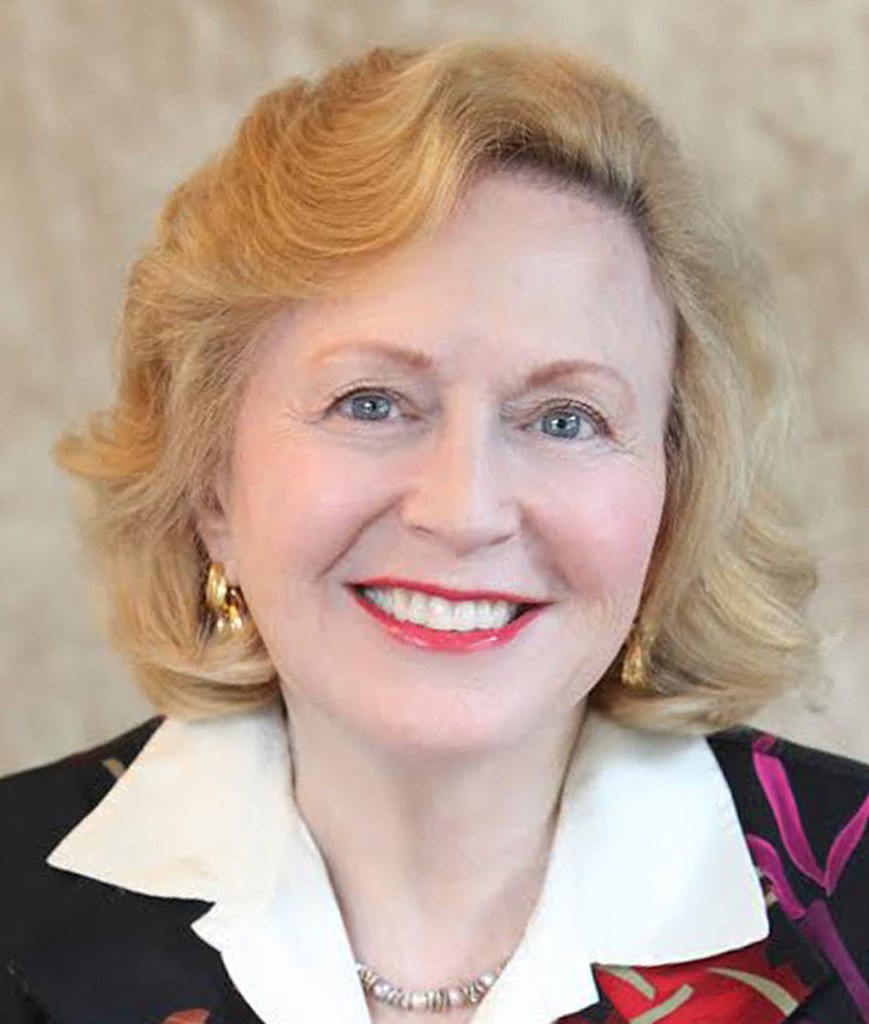
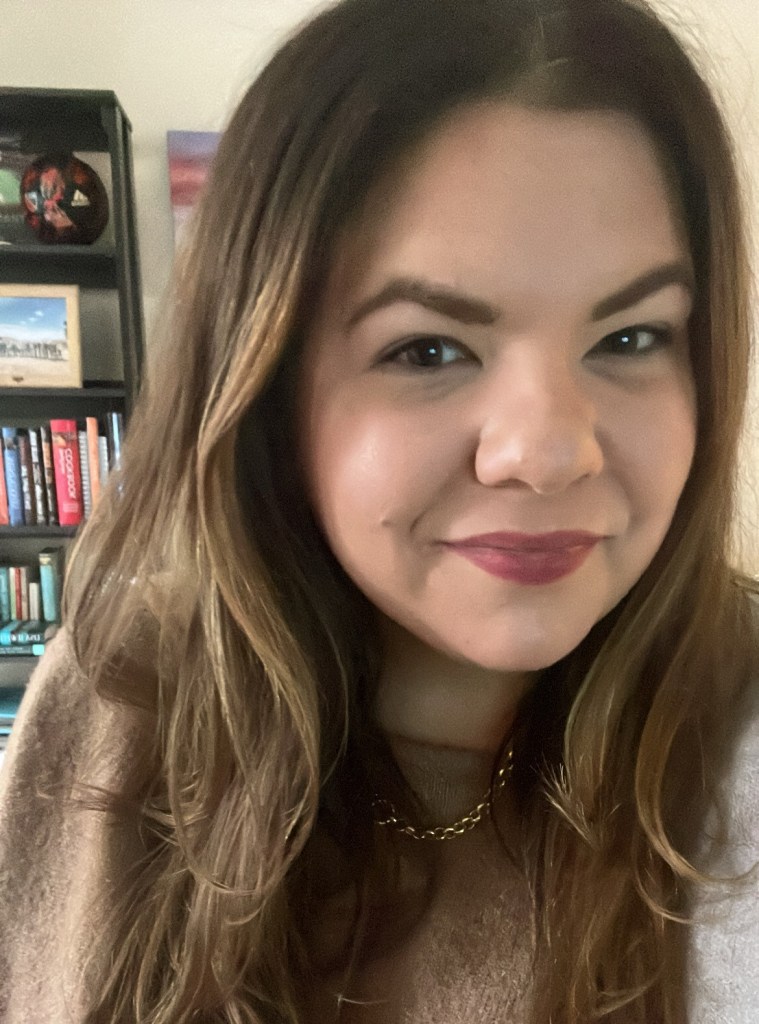
As an author, being cloaked in the shadows has been my goal. I emerged from a divergent path in life. Being creative was what helped me navigate the intricacies of a hard childhood and careers that eventually I couldn’t love. It was during this ruff patch that I discovered a dormant passion for literature. I had only found I loved reading in my early twenties. As I read more and more I yearned to take stories of suffering and make them into fiction. Hopefully releasing trauma for those that bear it. Not only from those who would share their stories with me, but also for those who would read them. I want to weave captivating tales that transport readers to uncharted realms where reality and imagination intertwine. For this reason I chose to use my pen name Belle Jay James, to be able to draw freely from my past and those willing to share theirs as well. 

Q2. What were the key challenges you faced while writing your book “Hearts Redress Series: Undesirable”?

While writing the Hearts Redress Series: Undesirable, one of the key challenges I faced was accurately portraying and bringing to life the experiences of Luna suffering from PTSD. As someone who personally suffers from PTSD, I wanted to ensure that these paragraphs reflected the harsh reality of living with this condition. The reality of living with PTSD is a burden many people carry, while many people do not understand. The emotional weight and intensity of these scenes often took a toll on me, and there were times when I had to take breaks from writing for a few days to prioritize my own well-being. However, it was crucial for me to capture the authenticity and depth of Luna’s struggles.  I persisted in order to create a genuine and relatable portrayal of PTSD within the narrative.

Q3. What books or authors have most influenced your own writing?

My bookshelves today are stuffed with hundreds of books and Authors.  Several have had a significant influence on my own writing. The first book that ignited my passion for reading was “Push” by Sapphire, which exposed me to the power of storytelling and inspired me to explore the written word further. Additionally, Christine Feehan’s “Torpedo Ink” series captivated me with its blend of romance, suspense, and paranormal elements. These influences, along with my personal experiences and aspirations, motivated me to combine the realms of fiction and non-fiction in my writing. I aimed to create narratives that not only entertained and transported readers but also touched upon real-life issues and emotions.

Q4. What’s your favourite spot to visit in your own country? And what makes it so special to you?

My favorite spot to visit in the United States is Florida. While i dont not live there, it holds a special place in my heart. It has been a destination where my family and I have often vacationed, creating countless memories together. Florida has become even more meaningful to me because my favorite relative now resides there. Going to spend even a day with them brings me so much joy. The state’s peaceful ambiance and slower pace of life are often overlooked in our fast-paced world, but they bring me a sense of tranquility and allow me to unwind. Florida is a place where I can escape the daily hustle and bustle, enjoy the beauty of its beaches, and savor the simple joys of life.

Q5. What inspired you to write the book ‘Hearts Redress Series: Undesirable’?

My inspiration behind writing the book ‘Hearts Redress Series: Undesirable’ stemmed from a deep desire to explore and shed light on the themes of overcoming trauma and raising awareness about PTSD. Showing that the stigma behind mental illness needs to be overcome. Drawing from personal experiences and a passion for understanding and advocating for mental health, I embarked on this writing journey with the intention of creating a narrative that not only resonated with individuals who have endured trauma but also fostered empathy and understanding among readers. By delving into the struggles, triumphs, and complexities of Luna’s life, I aimed to bring attention to the realities of PTSD, breaking down stigmas and fostering a greater sense of compassion and support for those who face these challenges.

Q6. How long did it take you to write your book ‘Hearts Redress Series: Undesirable’?

Writing the book ‘Hearts Redress Series: Undesirable’ took longer than I initially anticipated. I began writing it during a period when I was also beginning to address and treat my own traumas. This presented challenges and made the writing process more difficult at times. As a result, it took me three years to complete ‘Undesirable.’ However, after experiencing the sense of triumph and accomplishment upon finishing ‘Undesirable,’ writing the sequel, ‘Unconquerable,’ has been much smoother. I expect to finish ‘Unconquerable’ later this year, building upon the momentum and growth achieved during the creation of the first book.

Q7. On what platforms can readers buy your books?

Currently ‘Hearts Redress Series: Undesirable’ is on pre-order on Barnes and Nobles. The official release date is June 30th 2023.  The link is https://www.barnesandnoble.com/w/hearts-redress-series-belle-jay-james/1143613020?ean=9798369259566

I will be announcing other platforms in the coming months on my social media @bellejayjames and website https://authorbellejayjames.com .

 I also plan on selling books from my website that will be signed. 

Q8. Tell us about the process of coming up with the book cover and the title ‘Hearts Redress Series: Undesirable’?

The process of determining the title and designing the book cover for ‘Hearts Redress Series: Undesirable’ was a journey that evolved alongside the writing process. It wasn’t until I completed the book that the title finally crystallized. I went through numerous word combinations, searching for a title that truly captured the essence of the story. In ‘Hearts Redress Series: Undesirable,’ Luna, the main character, embarks on a journey of healing and rediscovery, learning to mend her heart. This theme of the heart redressing resonated deeply, and it became the perfect title to encompass the book’s core message. Once the title was settled, finding a suitable cover picture became relatively straightforward. The cover needed to portray the initial state of Luna’s heart, setting the stage for subsequent covers that would depict her and many other characters’ transformative journeys throughout the series.

Q9. When writing a book how do you keep things fresh, for both your readers and also yourself?

To keep things fresh for both my readers and myself, I would love to say something smart like, “I employ various strategies: constantly challenge myself by experimenting with different writing styles and techniques, exploring alternate perspectives, and even playing with unconventional storytelling methods.” The reality is that I just write from the heart. What feels right to me as I pour words into google docs. The characters and plot come to life in my mind.  One thing that I did enjoy was putting in little surprises on the first page of each chapter. If the reader looks closely they will find something hidden on each chapter’s first page. Most importantly, taking breaks to recharge was key. 

Q10. What is the most valuable piece of advice you’ve been given about writing?

Early on, a friend from “The Suffering Podcast” graciously offered to read my book. It was still a very rough draft. His advice was the most valuable piece I’ve received about writing. He told me that there is never too much detail you can put into a book. While writing I had been holding back, thinking people wouldn’t want to read every little thing in a scene. When he told me that, I took that advice to heart and embraced it fully. Letting go of any concerns about overwhelming readers. This liberating perspective allowed me to dive deep into the intricacies of not only the suffering, but also the steamy, raunchy scenes as well. I was able to start painting vivid scenes and providing rich descriptions without hesitation. It empowered me to create a fully immersive experience for readers, where no detail was deemed insignificant. This advice has been a guiding light throughout my writing journey, reminding me to embrace the power of a writer. 

Buy Hearts Redress Series: Undesirable Book One on Barnes&Noble

Interview with author Courtney Boyer

Q1. Hello, can you please introduce yourself? Readers would love to know more about you.

I am a relationship and sexuality educator. I was trained as a mental health and sex therapist, life coach, and Reiki practitioner. I am a mom of 3, lover of sports, and have been married to an amazing man for 18 years. 

Q2. What were the key challenges you faced while writing your book “Not Tonight, Honey”?

Not getting discouraged when I felt stuck. Sometimes the words just didn’t flow and I wanted to give up. I also ended up breaking my leg playing soccer when I was about 90% done with the book. I was so depressed from having surgery and being on crutches for 3 months that I didn’t even open the manuscript for 4 months. 

Q3. What books or authors have most influenced your own writing?

Brene Brown, Father Richard Rohr, Paul Conti

Q4. What’s your favourite spot to visit in your own country? And what makes it so special to you?

The U.S. is so big and has so many beautiful places. But as someone who grew up in the Pacific Northwest, I’m definitely enchanted by the water and the mountains of the Puget Sound. 

Q5. What inspired you to write the book ‘Not Tonight, Honey’?

I’ve been in the sexuality field for 15 years and I’ve been asked these two questions probably a thousand times: what’s wrong with me and am I broken? Usually I get asked this after I’ve spoken to a group so I don’t have ample time to really address their underlying concerns. So I decided to write a book about why women are asking these questions and offer them practical solutions so they feel more empowered sexually. 

Q6. How long did it take you to write your book ‘Not Tonight, Honey’?

11 months

Q7. On what platforms can readers buy your books?

Amazon, Barnes and noble, apple books, pretty much anywhere

Q8. Tell us about the process of coming up with the book cover and the title ‘Not Tonight, Honey’?

I had no idea how hard deciding on the book cover would be! I agonized over it for weeks. I wanted an image that expressed the (primarily sexual) frustration of a woman. Her feelings of isolation and resentment. But I didn’t want her to be angry. I worked with a phenomenal cover designer who was able to capture my desires beautifully. Two feet under the covers pointing opposite ways conveys so much. It’s a powerful picture. 

The title came to me one day while I was meditating. “Not tonight, honey,” is a quintessential phrase that captures a lot of women’s honest answering that reflects their disinterest in sex.  

Q9. When writing a book how do you keep things fresh, for both your readers and also yourself?

I tried to find a rhythm and a pattern in my writing. So I don’t know if I would describe it as fresh, but more of getting into a groove. 

Q10. What is the most valuable piece of advice you’ve been given about writing?

“Don’t sink the ship.” My book coach said that to me. I would go back and wonder if I didn’t include enough information. Enough scientific evidence. Enough anecdotes. Enough content. And she told me about a prince who filled a boat with treasure. And he kept filling it up and up because he just wanted to pack it all in. Then when he went to leave the harbor, the boat sank. She would remind me “Courtney, if you put too much in, you will sink the ship. Sometimes less is more.”

Buy Not Tonight, Honey on Amazon

Interview with author Karima Andrea Eames

Q1. Hello, can you please introduce yourself? Readers would love to know more about you.

Hi, I am Karima, a holistic therapist and meditation teacher. I have been working with people for the past 35 years and have a successful practice in Sydney, where I live with my husband.

My passion is to ignite a person’s fascination with their inner world.

I love to support people in getting to know themselves on all possible levels.

My understanding is that a better world starts with healthy fulfilled individuals.

The work I do allows people to live a balanced life on all levels.

I was born in Germany, twelve years after the end of World War II into a country that had suffered the complex trauma of defeat, physical and psychological damage to the country, and damage to its sense of nationality. 

The exposure to the ‘after-war-darkness’ created the drive in me to wake up and find the light. 

In my early 20’s I left Germany and a promising career path as a psychologist to uncover the mysteries of the inner world. My search took me to India, where, for 20 years, I lived in a spiritual commune and joined their Mystery School where I was initiated into the Art of Inner Alchemy.

These last 44 years of my inner work and journey have had one singular focus; they have been all about searching for truth. I was born with the longing to find out how we tick and explore the true answers to the questions: Who am I, really? What, actually, is truth? What is the meaning of life? What is true nature? What are universal laws? What are the laws of transformation? What is real? 

Of course, these are not small questions! Yet, I have a passion to make transformation and metaphysics simple and understandable. 

My book is the outcome of 4 decades of inner exploration. It is designed to help a new client learn the art of inner transformation skilfully without wasting time. All the mistakes I made and misunderstandings I suffered led to how I am now presenting the tools in the book.

My author name is  consciously chosen and reflects the 3 significant stages of my life:

Andrea reflects my first 21 years. My birth name is Andrea Hinterleitner. The most relevant information about my first two decades is that I had no idea of an inner world, I was only oriented towards the outside. In other words, I was in the world and unconscious.

Karima reflects my 20 years in a spiritual commune where I was given a spiritual name: “Prem Karima” meaning “bountiful love”. I kept the name when I settled in Australia and all my clients and friends know me as Karima even if this name is not in my passport. In this second stage, I was away from the world and becoming conscious.

Eames reflects the third stage of my life, my time in Australia and it is my married name. My husband is from New Zealand and I love the sound of Eames. People in Australia often struggle with pronouncing Hinterleitner. The third stage is about being back in the world consciously.

Q2. What were the key challenges you faced while writing your book “Becoming Whole: The Art of Inner Transformation”?

I had never written before. I was used to speaking in my work with clients not writing. I didn’t even journal much in my life.

I had to find my “writing voice”. I had been thinking about writing a book for about 7 years without it happening. It was obvious that I needed help and a friend recommended a writing mentor. I did different courses for 2 years, the last one being “Write your first draft masterclass” with Joanne Fedler. The outcome of that was my first draft.

After that, I engaged an editor for about a year to make the first draft into a finished manuscript. 

I’d collected many different documents filed under chapter titles. It was a conglomeration of pieces that were never written in any specific order. We worked step-by-step on making the chapters coherent in themselves, joining all the separate pieces and resolving repetitions, allowing each chapter to “become whole”. 

Q3. What books or authors have most influenced your own writing?

Most importantly Joanne Fedler, my writing mentor. She is a wordsmith and masterful writer.

Eckhart Tolle’s “The Power of Now”

“Soul Without Shame” by Byron Brown. The structure of his book inspired me to mix real-life stories with teachings and exercises. 

Q4. What’s your favourite spot to visit in your own country? And what makes it so special to you?

The beach! We live 15 mins from the beach. The moment I can see the beach my heart opens and I feel a sense of expansion. Sitting anywhere close to the beach or swimming in it makes me happy.

As a child, I was always dreaming of living close to the ocean. When I arrived in Australia, I couldn’t believe my luck. Our beaches are magnificent. 

Q5. Is there lots to do before you dive in and start writing a book?

I did a lot of research with clients before I started writing to find out what would make the book relevant. I made a whole list of questions and asked all my regular clients to answer. I received a lot of valuable input. Some of their feedback helped with the structural design and some of it ended up in the book as quotes.

Q6. How long did it take you to write your book ‘Becoming Whole: The Art of Inner Transformation’?

7 Years of thinking about it, 2 years of writing the first draft, 1 year to have the final manuscript and another 9 months till the book was published.

For the three years of creating the book, I witnessed myself in sessions. The writer in me watched what I did, named the tools and made sure they were in the book. 

In the gathering process – the first two years – I would take notes at the end of the session about what needs to be in the book. And write a piece about it later. In the final year of writing, the inner witness was more like a secretary going through a checklist making sure all the important tools were mentioned. 

Q7. On what platforms can readers buy your books?

I am self-publishing with BookBaby and as an E-book it is available on all platforms like Amazon Kindle, Booktopia, Apple books, Barnes & Noble and more.

Printed copies are only available in Australia at the moment as I first worked with an Australian publisher and then moved to self-publishing. I still have 100 printed copies for sale. 

Q8. Tell us about the process of coming up with the book cover and the title ‘Becoming Whole: The Art of Inner Transformation’?

In a nutshell, the process of becoming whole is to

  • understand and befriend the mind 
  • the right attitude for inner exploration 
  • to develop a healthy relationship with your physical body 
  • to connect with your heart and use its intrinsic qualities for inner transformation 
  • to understand and transform your emotions 
  • to heal the inner child 
  • to start trusting your inner guidance systems. 

This is the part we can do to come out of fragmentation, separation and disconnection. 

All of this is preparation for the most important discovery of inner work: knowing that we are already whole. Being whole. 

True nature is always whole, undisturbed and indestructible. But all the steps to becoming whole are prerequisites to discovering and enjoying the truth of being whole. 

That’s why we tried in the design of BECOMING WHOLE to show that BECOMING contains the word BEING by designing the letters ‘COM’ differently from the letters BE…ING.

The book cover was designed by a professional. We had a few different designs and this one spoke to me. 

The designer chose a visual Mandala, which resonated with me as the book is like a written Mandala. The definition of the word mandala is:

A mandala is a symbol of the universe in its ideal form, and its creation signifies the transformation of a universe of suffering into one of joy.”

The art of inner transformation is exactly that: to transform suffering into peace or joy or freedom, states of non-suffering. And it is an art as it needs to be learnt and practised. 

The golden symbol we chose for the cover is the Celtic knot of discovery, which fits with the territory as this work is about discovering who we really are.

Q9. When writing a book how do you keep things fresh, for both your readers and also yourself?

That’s all the stuff I learnt from my writing mentor: Don’t make your sentences too long, keep it distinct. 

The book is an interplay of teachings, quotes, meditations, exercises and session transcripts. My personal story is woven into the book too. The research with my clients beforehand helped a lot to make the book relevant. They all said they don’t just want teachings, they want personal stories and applications too. 

Q10. What is the most valuable piece of advice you’ve been given about writing?

This might sound a bit crass, but the best advice I got from my writing mentor, was to start writing without thinking too much about it. 

The analogy she gave was like “vomiting into a bucket”. Let it pour out and throw the words onto the page. That helped me tremendously and the words started pouring out.

Sometimes in that outpouring some beautiful pieces of writing were born that didn’t need a lot of editing.

Buy Becoming Whole: The Art of Inner Transformation on Amazon

Interview with author C. Nekole Porter

Q1. Hello, can you please introduce yourself? Readers would love to know more about you.

Hi there! The ‘C’ stands for Charis. To this day, I can count the people who’ve pronounced my name correctly on the first try with just one hand. So when it came time to choose a pen name, I decided to drop the ‘Charis’ and go with my middle name instead. Ever since I could talk, I’ve been telling stories. I used to sit my mum or dad down at our old typewriter and tell them what to type so I could bring my story to kindergarten for show-and-tell. When I got older, I started writing all my stories by hand in spiral notebooks (usually during school). I’m not sure exactly when I started drawing my characters, but I was heavily inspired by Japanese manga and anime. I think I’d always my characters in my head and eventually it felt right to see them on the page, too. I majored in Cinema Studies at University of Oregon for my Bachelor’s and made it about 2/3rds into a Masters in Film Production at the University of Central Florida.

Q2. What were the key challenges you faced while writing your book “PEROIA: The Cressidian Dhukarra”?

I think the biggest challenges I faced in writing “PEROIA: The Cressidian Dhukarra” were burnout and that sneaky bugger we call ‘imposter syndrome’. There were so many ideas I wanted to explore for this book and the rest of the series, and the research was as exhilarating as it was exhausting. And because I wanted to publish independently, all marketing and advertising fell entirely to me. I was fortunate enough to have an editor (thanks, Mum!) and a small crew of Beta readers (a thousand thanks, all!) on my team. When the time finally came to publish, my anxiety was out of control; was I good enough to be doing this? Would I accidentally offend someone I had no intention of hurting — or even worse, the very people I wanted to honour the most? Would anybody like it? Would anyone ever read it? At the end of the day, and after a lot of thought, meditation and prayer, I concluded that as long as I loved what I’d made, I should be proud of what I’d accomplished. What mattered most is that I faced my challenges and overcame them.

Q3. What books or authors have most influenced your own writing?

I’ve long admired the epic scale and world-building of authors like J.R.R. Tolkien, although the density and pace of most of his works made them a bit challenging (I recently learned that I have a lot of ADHD indicators). More recently, I’ve been fascinated by the “Dune” series by Frank Herbert, which are also a bit dense but much more easily consumed as audiobooks (so I can simultaneously draw or knit, to keep myself focused). As for my writing style, I like to think I’ve settled somewhere between the imaginative rhetoric of Terry Pratchett and the darker whimsy of Neil Gaiman (especially “Stardust” or “Good Omens”). Maybe a dash of Edith Pattou’s “East” and a whiff of Erin Morgenstern’s “The Night Circus”, for good measure.

Q4. What’s your favourite spot to visit in your own country? And what makes it so special to you?

It’s hard to pick a favourite spot because my idea of the perfect place is a little bit of a moving target. But I think my favourite place to be, in any country, is someplace surrounded by nature. I grew up in the Pacific Northwest of the U.S. and my memories are filled with mountains, high deserts and ancient river gorges, vibrant green forests and blustery coasts. Wherever I go, I am always happiest when I can hear the sound of water — especially rain. To me, rain means life. Standing in the rain, amongst nature, it feels like standing in the presence of God himself.

Q5. What inspired you to write the book ‘PEROIA: The Cressidian Dhukarra’?

Growing up, it felt like there were always a few stories missing from the world. I wanted to read about a girl like me — not just another pretty princess, but a girl with ambitions. I wanted a hero who was strong and smart, who could fight her own battles. And while I love the tension between attractive rivals, I wanted to write an adventure that didn’t necessarily have anything to do with romance. I wanted a story that rewrote the world, that shook up the dreary status quo that has become the human condition. So I dreamt up a story where the tomboy gets the limelight, people are free to be who they are and even the mundane is magical.

Q6. How long did it take you to write your book ‘PEROIA: The Cressidian Dhukarra’?

Technically, it has taken just over thirteen years to even get to ‘The Cressidian Dhukarra’ — originally, I think I called it ‘The Berserker”. It started as a sketch of the characters in a notebook at school, and then I’d write a few pages here and there. I didn’t have many serious intentions for it until about ten years ago, and elements of that draft still survive in the current version. During the pandemic, my therapist asked me what used to make me happy and I realised I hadn’t written a word of my book in over a year. Since then, I’ve devoted my energy to little else.

Q7. On what platforms can readers buy your books?

Currently, the ebook is available in English on Amazon Kindle, in all markets. The paperback will be available soon as well, either through Draft2Digital or Amazon (or both), release TBA.

Q8. Tell us about the process of coming up with the book cover and the title ‘PEROIA: The Cressidian Dhukarra’?

I’ve gone through several titles, most of them arguably more approachable; “Peroia: A Book of Days”,

“Berserker — A Peroian Book of Days”, “Peroia: A Chronicle of Lost Days”. But in the last couple of years, my ambitions for the series have grown and I wanted to come up with something more integral to the world of the story. In Peroia (and beyond), there is an order of esteemed bardic healers known as the Hearts; their ancient calling is to preserve their people’s culture through sustainable health and the recording of histories. These histories are given relevant names in the language of their culture. In this instance, “The Cressidian Dhukarra” refers to ‘tales of the journey’ as written by the Heart, Cressida (the protagonist). The sequel is named with the same convention: “The Cressidian Bunaburra”, or ‘tales of arrival’. For the cover, I originally wanted to feature my protagonist and major supporting characters; since I included several illustrations, I thought it would be a fun little sneak peek of what to expect inside. But every design I created turned out a bit too busy, especially once I added the titles. For someone susceptible to visual overstimulation like myself, it was a little disheartening. So I decided to try a more conceptual design with important colours and elements from the story. Honestly, I didn’t expect to love it as much as I do when I first opened that blank canvas on Photoshop, but here we are.

Q9. When writing a book how do you keep things fresh, for both your readers and also yourself?

I think the best way to keep a book fresh is with dialogue. Just because a writer uses stiff, proper language when they write doesn’t mean their character would, and hardly anyone uses real grammar in ordinary speech. And even if they did, a book is your world and its history has unfolded according to your rules; who’s to say they didn’t have contractions in the common tongue of the 10th century? In my opinion, dialogue that sounds natural when read aloud will always surpass dialogue that follows all the rules.

Q10. What is the most valuable piece of advice you’ve been given about writing?

The best advice I’ve ever received about writing was from a visiting filmmaker during my cinema undergrad at University of Oregon. Her name is Athina Rachel Tsangari, and during her interview she said she never just makes a film because it’s what she does for a living. She makes a film when she has a story that she feels deep down like she’ll die if she doesn’t share. So if you have an idea, but you’re not sure what to do with it yet, just give it time. Jot down your thoughts and sketch out your dreams so you don’t forget, but don’t rush yourself into telling a story that you don’t yet believe in whole-heartedly. Because someday, when it all comes together, you’ll feel that need and know that it’s time.

Buy Peroia – The Cressidian Dhukarra on Amazon

Interview with author Janine Ann Bower

  1. Please introduce yourself so that the readers will get to know you better.

Hi I’m Janine and I grew up in England and moved to Australia at the age of 15.

I have always loved reading and writing since I was a child, writing little poems and stories for fun.

I was also a single mother for 13 years to two children, one of whom has Autism and had a lot of trouble learning to read; he is now a bookworm and is writing a young adults fiction book.

I was a social worker for over 20 years working with parents and children from disadvantaged backgrounds. During this time, I developed many programmes aimed at developing the skills of children, parents and educators. For seven years, I managed State Government-funded Child and Parent Centres, where I led allied health teams and worked closely with the Department of Education, and the State Library’s Better Beginnings Programme. During this time, I developed pre-kindy programmes, which have been used within both the state and private school systems. It is through insight gained during this time that I have developed the Read and Grow series, of which Jungle Party is the first to be released.

  1. What is your inspiration behind your book “Jungle Party”?

I think I would have to say that my inspiration is all the children I have worked with and told stories to. I love a child’s imagination and I try and hold onto that when I am writing.

  1. When did you realize you want to be an author?

I’ve always wanted to write a book but have been too busy with my children and work. I’m fortunate that I can now spend time writing and illustrating

  1. Please tell us something about your book “Jungle Party”?

It starts off with different animals in their habitat doing their thing until they all get a sudden invite to a party. That’s when the animals take on human like characteristics as they head off for some jungle fun, doing the conga and eating “squirming worm sundaes”.

I’ve used rhythm and rhyme and kept the story short so that children do not get restless making it easier for story time.

What makes this book different to others is that I have included tips for parents to assist with reluctant readers and to expand their child’s developmental skills. At the end of the book is an activity. This is to make reading the book again more fun, but also to develop speech, language and fine motor skills.

  1. For which age group is your book “Jungle Party” suitable for?

It is for 2-5 year olds, but to be honest I’ve had children up to 8 years old asking me for a copy.

  1. What is your favorite Quote?

“When we are working with children today we are sowing seeds into their lives for the future. We may not always see these seeds grow and bloom ourselves as sometimes it takes others to water these seeds and time for them to grow. The important thing is to keep on sowing.”

This is my original quote I used with my staff and social work students. They found it very inspirational

  1. What do you like the most about your country?

I live in the Great Southern of Western Australia on a small farm. I love the mountains and large open spaces all around us

  1. What suggestion do you want to give to parents of little readers regarding a reading habit?

Share a book with your child every day. You don’t need to read all the words. If your child doesn’t like to sit still for long, start with one page or just flip through the book until something catches your child’s eye; then ask your child a question about what he/she has seen. Remember to make reading time fun not a chore.

  1. What does literary success look like to you?

Literary success for me would be to create a love of sharing books between parents and children. If I can influence more parents to share a book with their child in a wait room instead of handing them an electronic device, I feel I would have achieved my goal.

  1. Lastly, who is your inspiration in life and why?

In regards to children’s literature Mem Fox is someone I have admired for a long time. For her great story telling, however

without wanting to sound “religious “, Jesus is my inspiration in life. He showed love and compassion to the outcasts of society and that is how I try to live my life- showing compassion and love in practical ways for those who otherwise wouldn’t receive it.

Buy Jungle Party on Amazon

Interview with author Bernadine Ziegler

Q1) What is your favorite line from the many many wonders of Deanie?

A 1) I actually have three lines: I will always love you and I will never let you go.

You still have to flush your cares away.

It just doesn’t make any sense to keep secrets.

Q 2) What would say is your strength as a writer?

A 2) Knowing that God, will always be at my side when I get stuck or can’t figure out something He fills in the blanks, and of course my Husband helps me a lot by encouragement and his love for me.

Q 3) How do you manage your work schedule?

A 3) I don’t really have a work schedule now, but when I did and something came to me I would always ask God to keep it in my head for when I get home. As for now I still have chores but there always seems to be time in between each chore or the day.

Q 4) How do you handle Literacy Criticism?

A 4) I really never had any criticism, I think because when I do write me and my Husband edit every piece I write. I did however go through some writing schools and entered some writing contest they did give give me a lot of red marks and I read the noted and re-wrote the pieces and published them in my books.

Q 5) What do I like about Audio books?

A 5) I heard of them but never listened to any I always thought that would be great for people who travel in their car or for anyone with any eye problems, Then I became a writer I was asked to do an audio book I thought to myself that would be great.

Q6) What inspired you to start writing?

A 6) I started writing things down when I was a kid I was mentally ill with Epilepsy, I didn’t know about this until I got better I read a story about Epilepsy, it said Epileptics write things down, so when they would have a seizure, it would wipe information out just like a bad chip or incomplete chip. I looked around all my things and found the writings that are in my book.

Q7) What in your opinion, are the most important elements of good writing?

A 7) Know your subject, have you ever heard the line? Write what you know this very true. Figure out the ending to your story first, then think of the title and then the beginning of your story, the rest will fill itself in. When you do all of this work, look up to see if this would be a good subject to publish see if anyone would like to read your work. I wasn’t sure so what I did I let chosen people to read my pieces and to tell me not what you think how did you feel afterwards.

Q8) What is your work schedule work schedule like when you are writing?

A 8) Very coming because when I do write it is when I would have time between chores, mostly at the end of the day. If there is some reason I had to stop I would write down where I left off but this usually doesn’t happen, when I start to write I always keep going to the finish line.

Q9) What is the significance of the title “The Many Wonders Of Deanie?”

A 9) The name Deanie is because it is shortened from my birth name that is what I was always called by my family, and The Many Wonders Of is because every writing is of different subjects none are the same, like I am bouncing around. Epileptics would write about everything they see and wonder.

Q10) What did you want to be when you grew up?

A 10) When I was young and still mentally ill I never knew if I was going to have a chance to grow up, so I never really had any direction but with all of my jobs I did have they never amounted to much, however when I discovered with every job I had I kept writing but I still didn’t think about being an author until my husband said why don’t you finish your writings? They are really very good!

Buy The Many Wonders of Deanie on Amazon

Interview with author Mark Ellis

Q1. Hello, can you please introduce yourself? Readers would love to know more about you.

My name is Mark Ellis. I am the author of 5 books in a detective series set in WW2 London. My hero is Detective Chief Inspector Frank Merlin who works at Scotland Yard. He is the son of a Spanish father and English mother. I took up writing relatively late in life (I am 69 now) after carriers as a barrister, a banker, a corporate executive and then the founder of my own business. I had always wanted to write and when I sold my business decided to take the chance. I live in London with my family.

Q2. What were the key challenges you faced while writing your book “Dead in the Water”?

The main challenges in writing Dead In The Water were, as usual, to do with the plot. Creating a gripping and compelling plot is always hard.

Q3. What books or authors have most influenced your own writing?

Authors who have influenced my crime fiction include Georges Simenon, Agatha Christie, Patricia Highsmith, Alan Furst, Michael Connelly, Robert Crais and Philip Kerr. On a broader level I love Tolstoy, Dickens, Graham Greene, John Le Carré, F. Scott Fitzgerald and many others.

Q4. What’s your favourite spot to visit in your own country? And what makes it so special to you?

My favourite spot in my country is the Gower Peninsula in South Wales where I grew up.

Q5. Is there lots to do before you dive in and start writing a book?

Before I start writing a book I spend at least 3 months researching the specific period of the book. For Dead In The Water that was August 1942. For the book I’m currently writing it’s May/June 1943.

Q6. How long did it take you to write your book ‘Dead in the Water’?

Before I start writing a book I spend at least 3 months researching the specific period of the book. For Dead In The Water that was August 1942. For the book I’m currently writing it’s May/June 1943.

Q7. On what platforms can readers buy your books?

My books are available in print, ebook and audio. Readers can buy or order my books in printed form from all good bookshops. Otherwise books can be bought on Amazon, Kobo, Google and Apple. The audiobooks are on Audible.

Q8. Tell us about the process of coming up with the book cover and the title ‘Dead in the Water’?

My publishers Headline (an imprint of Hachette) came up with the Dead In The Water cover design. They have also redesigned the covers of the previous 4 books in new editions and given 3 of them new titles (see summary at bottom). I came up with the title which reflects an important part of the plot. The publishers and I kicked other ideas around for a while but we finally agreed that my first idea was the best.

Q9. When writing a book how do you keep things fresh, for both your readers and also yourself?

How do I keep things fresh for readers? Well, obviously in a new book they are confronted with a new story and new characters. At the same time they become reacquainted with established characters in the series and catch up with possible new developments in their lives. Also, as the books progress, so does the war with changes in atmosphere, the military situation and public sentiment.

Q10. What is the most valuable piece of advice you’ve been given about writing?

I write every day and have a target number of words. One good piece of advice is to end one day’s work in mid-sentence. This makes it easier to get going the following day.

Buy Dead in the Water by Mark Ellis on Amazon

Interview with author Roxanne Bland

Q1. Hello, can you please introduce yourself? Readers would love to know more about you.

The most important thing to know is I’m a fugitive from reality. Despite my books being very much rooted in the real world, I’m still disappointed when I look out my window and there are no dragons. Or griffins. Or centaurs. Looking from the outside, I think most people would say I’m boring. I don’t go out much. I can take only so much peopling on a day-to-day basis. But if you could look inside my head? That’ll trip you right out. Which is why I write. 

Q2. What were the key challenges you faced while writing your book “The Moreva of Astoreth”?

None, really. I knew the story I wanted to tell—a bigoted woman’s journey to redemption through the power of love. From the theme, you know it’s an enemies-to-lovers romance. I write speculative fiction, so I knew it was going to be set on an alien, but Earth-like planet. A place, except for some of its vegetation’s colors—bright purple grass—readers will find quite familiar. I think the only thing about the book that requires readers to suspend belief is the planet is part of a trinary star system. Very unstable. The stars’ gravities pull not only on each other but also on the planets that orbit them. You’ve heard people say they feel like they’re being pulled in all directions at once? That’s what we have here. Depending on the planets’ orbits, you might get all three stars blazing on the surface, which I’d think would be hellish. Or periods when there’s no light at all. Then we have a frozen wasteland. And, of course, the gravitational pull from the three stars could just tear the planet apart.

Q3. What books or authors have most influenced your own writing?

Authors who play with words, like Shakespeare, Chaucer, and so many others. Those who have a tongue-in-cheek, yet disturbing style, like James Thurber and Edward Gorey. Authors whose writing elicits genuine emotion, like Edgar Allan Poe. He’s my favorite. The horror in his works isn’t gore, but watching the character mentally disintegrate, like in The Tell-Tale Heart. Or his most famous, The Raven. A man trying to get on after the love of his life’s death. Or is he? Is the raven real, or is it a hallucination? So, in my own books, I focus on the characters and their emotions. Their actions and reactions. Finding out who they really are, which they themselves might not know, at least at the story’s opening. 

Q4. What’s your favourite spot to visit in your own country? And what makes it so special to you?

That would be New Orleans, Louisiana. I attended graduate school there and fell in love. It’s an amazing place, and not just because of its rich history. It’s the people who live there. As I used to say, “they don’t think like the rest of us in the U.S.” I believe it’s partly because of the Spanish and French influences when it was a colony of those two nations. Then you have the Caribbean influences, and certainly the African. All that, plus the locale, has blended to create an outlook on life that’s not quite like anywhere else. If it wasn’t for climate change, I’d move there. The problem is the city is already below sea level. That’s the main reason Hurricane Katrina in 2005 was so devastating. The levees holding the Mississippi River at bay failed, and between the river and the rain, whole neighborhoods disappeared.

Q5. Is there lots to do before you dive in and start writing a book?

If you’re referring to constructing a plot, no. I write in the literary style of fiction, not genre. The difference? In genre fiction, as it’s usually written, the plot is the story. In literary fiction, instead of plot, the characters are the story. So, before I begin, I think about the story’s theme. My books are sociopolitical criticism. For The Underground, I thought about oppression and persecution of certain communities in a society who, in this case, happen to be paranormals. What are their lives like? How do they hide what they are? What happens to them if humans find out? These questions bring in the concept of morality, with the ultimate question being, is there room for morals when survival is at stake? When the question is to kill or be killed? In those circumstances, what is and what is not moral behavior? Once I’ve thought it through, I construct a general story arc—point A, to point B, to point C. In writing the story, how I get from A, to B, to C is anybody’s guess, including my own. I let the characters take over. It can get complicated. Like, is the villain really a villain? They do terrible things to individuals in the community, but what if they do it to protect the community from being slaughtered wholesale by humans? There are other considerations, but those are primary. I did the same type of thing with The Moreva of Astoreth.

I’ll add George R.R. Martin’s Song of Ice and Fire, is an example of a story written in the literary style. There’s no plot. It’s a political fantasy, how politics work in the fantasy world he created. The story is about his characters’ political machinations and their results. Make no mistake, though. Martin’s and my stories are still genre fiction. No self-respecting reader of literary fiction would be caught dead reading a book about vampires, aliens, and fantasy kingdoms.

Q6. How long did it take you to write your book ‘The Moreva of Astoreth’?

That depends on your point of view. From a reader’s perspective, about 18 months. From my perspective, over 40 years. In college, a friend and I collaborated on a story for fun. That’s the skeleton. Years later, I read Zechariah Sitchin’s The Earth Chronicles. The two ideas percolated for many more years until it came together as a story about bigotry. It’s the deeply personal story of the main character, sheltered and unworldly. She’s kicked out of the nest, so to speak, and after going through several experiences and intense self-examination, her eyes are opened.

Q7. On what platforms can readers buy your books?

Everywhere, really. The ebooks are available on just about every platform. Amazon, of course, Kobo, Vivlio, Bibliotheca, to name a few. They’re also available on library platforms like Overdrive. Print copies are available directly from Amazon, Bookshop.org, or order from your favorite book retailer.

Q8. Tell us about the process of coming up with the book cover and the title ‘The Moreva of Astoreth’?

The title wasn’t hard. The main character is a Moreva, or priestess, who serves Astoreth, the Goddess of Love. This is her story, so…The Moreva of Astoreth. The cover concept wasn’t hard, either. It’s a science fiction romance, so, in keeping with the genre’s conventions, the cover features the main character’s love interest, a shirtless man with a sizzling hot body. And her, of course. She’s clutching him, a nod to her dilemma of being in love with a man of the race she despises. It’s not always that easy, though. It took me two years to figure out a title for the book I’m writing now, and I’ve no idea what the cover will look like.

Q9. When writing a book how do you keep things fresh, for both your readers and also yourself?

My books are mixed-genre, and stories don’t have the same mix. I’ve written a paranormal urban fantasy/science fiction/romance. Other books in my queue include vampire space pirates. Whatever the mix, they all spring from my deviant imagination. But it also means I’m not writing for the same audience. Fans of The Underground series are not interested in science fiction romance, like The Moreva of Astoreth. They attract different audiences. That’s fine. The mixes keep me from getting bored. I can’t imagine writing a 20 or 30 book series with the same characters. Or even similar characters.

Q10. What is the most valuable piece of advice you’ve been given about writing?

Write stories that move you. If your heart’s not in it, readers will know because your lack of enthusiasm will come through in your writing. The other is something I figured out for myself. No matter what you write, no matter how brilliant, somebody, somewhere, isn’t going to like it, and will say so. Don’t be discouraged by bad reviews. After all, it’s only one person’s opinion.

Buy The Moreva of Astoreth on Amazon

Interview with author Justin Danneman

Q1. Hello, can you please introduce yourself? Readers would love to know more about you.

Up until I was in my early 30’s, I was a very different person. I had experienced success very early on, both in terms of a career and in my personal life, however, depression and self defeatism formed during my childhood eventually tore that all apart. After losing everything, I finally woke up and realized I hated who I was – how I acted – how I spoke, but in this realization I discovered something else. None of that was actually me; it was like an automated me. So who am I? This is when my conscious self finally emerged and life part 2 for me began.

I became hungry for understanding. I began to read and research everything, eventually delving into topics such as ancient history, mythology, etymology, quantum mechanics, symbolism, philosophy, occultism … if it was controversial I wanted to know more.

This is when my ability to lucid dream began.

As I would go through various articles, I realized most of them were regurgitations of each other … and many times they were wrong. Each simply tried to capture clicks without actually trying to understand the topic they were presenting. One article would have two pieces of the puzzle … another two other pieces. Why isn’t anyone actually putting this all together into one complete article? So this is how my writing began. As of today there are a couple hundred of my articles that still exist, but eventually I gravitated towards writing this book.

What I experienced in dreams combined with what I began to understand needed to be expressed in a more complicated form. That is what the Ghost of War series is meant to be: my theory of everything wrapped in an awesome fictional plot. Not only is it meant to explain what I think all of this is, but actually how to overcome it.

Q2. What were the key challenges you faced while writing your book “Ghost of War: Game of the Gods”?

I would say forcing myself to immediately take notes whenever I experienced inspiration was the challenge. For example, I often would wake up from a dream knowing I should write it down, but due to it being in the middle of the night and all I can think about is going back to sleep would justify not doing anything by saying to myself yea I’ll remember it tomorrow … and then completely forget it by morning.

Q3. What books or authors have most influenced your own writing?

My two favorite authors are HP Lovecraft and Michael Crichton. They were the two authors I got into as a child. I read Jurassic Park at least 5 times before it was a movie. Lovecraft definitely had lucid dreaming experience, while Crichton was very good at providing research. There are so many other books though I would recommend.

Q4. What’s your favourite spot to visit in your own country? And what makes it so special to you?

Salt Lake City. I love everything about it. The happy hour/brunch options, the night life, the legit coffee shops, the outdoor options, including park city nearby for skiing. People there are chill.

Q5. Is there lots to do before you dive in and start writing a book?

I initially spend my time fleshing out an outline. From there I pick whatever part I feel like expanding, and go from there. I cannot write in a linear fashion. After the Ghost of War series, I have two other book ideas ready to go – both from (shocker) dream experiences. Eventually my dream journal will be its own book.

Q6. How long did it take you to write your book ‘Ghost of War: Game of the Gods’?

It did take close to 4 years, only because I was dealing with life issues – still writing articles … basically not completely dedicating myself to the idea. Once I embraced it, it came out pretty quick.

Q7. On what platforms can readers buy your books?

Paperback and within the next week an audio copy are available on Amazon, while a pdf is on my publisher’s website: https://korsgaardpublishing.com/

Q8. Tell us about the process of coming up with the book cover and the title ‘Ghost of War: Game of the Gods’?

The title slowly came to me as I wrote the book. It’s hard to explain it without giving away information about the main character and the overall plot. The cover was before all of this Ai art generating apps came out. That would have been useful. It is meant to hint at simulation/matrix theory. “Everything is simply electrical signals interpreted by your brain.”

Q9. When writing a book how do you keep things fresh, for both your readers and also yourself?

Well having the ability to not only lucid dream, but to exit dreams into the astral plane obviously really helps. I’m also big on psychedelics. I don’t see or treat them as drugs, but rather temporary reality hacks. I take them very seriously. One of my favorite things to do is to rent a cabin in the middle of nowhere, take some mushrooms, and just explore the woods … at night. I love it.

Q10. What is the most valuable piece of advice you’ve been given about writing?

I’d rather answer this question by giving my own advice. Write like how you speak. Ignore the masses and go against the grain. Do what feels right and trust your gut. If you feel stuck, start writing something else. Write what currently inspires you, don’t force it.

Buy Ghost of War on Amazon

Interview with author Pete Benson

Q1. Hello, can you please introduce yourself? Readers would love to know more about you.

My name is Pete Benson.I’m 73 , retired and live in Kent,England with my wife Clare and her daughter Kimberley.I have three kids of my own;Ellenna, Ria and Harry, and 4 grandchildren; Leonie, Euan, Henry and William. I started work in the film industry in 1978 mainly on feature films until I switched to commercials to give me more time to concentrate on a film prop hire company I started in 1984 with 3 other prop men.Writing came late for me but the desire to put down all the funny things that happened during filming before they were lost and to somehow give my children an idea of what I was doing when I wasn’t able to be at home, pushed me on.

Q2. What were the key challenges you faced while writing your book “Tales of a Film Prop Man”?

At my age,remembering that far back, but once I started writing it all seemed to come flooding back until I had so much material it would never go into one book. So, I am now writing  a second.I also felt it important to try and write in my voice and not copy someone else’s style.

Q3. What books or authors have most influenced your own writing?

As a kid I loved Doctor Syn and Agatha Christie books, but as I grew older I found very little time to read books , but lately I have renewed my interest and a book by author Philip Davies called Lost Warriors, for some reason, gave me inspiration to get mine done.

Q4. What’s your favourite spot to visit in your own country? And what makes it so special to you?

We lived for about 10 years in Minehead right on the edge of Exmoor and the volume of wildlife, including the Exmoor ponies roaming freely, and the sight from the top across the Bristol Channel was just superb.

Q5. Is there lots to do before you dive in and start writing a book?

Probably any author will tell you preparation and structuring your book is important and I would agree. My way was to get it all out of my head and down on paper unless I forgot it. From there you can refine, trim down and rewrite it. I wrote my book 5 times to finally get to the published copy.

Q6. How long did it take you to write your book ‘Tales of a Film Prop Man’?

The idea had been in my head for a long time . Life,as is normal with most people, got in the way until about 18 months ago I finally started writing it. I really didn’t know if I was doing it right, so it was slow going for a while until I really got excited about what I was putting down and then the speed picked up. So, I wrote for about a year and then it took about six months for the process to get my script to the published book.

Q7. On what platforms can readers buy your books?

At present it is available on Amazon in paperback and Kindle format.

Q8. Tell us about the process of coming up with the book cover and the title ‘Tales of a Film Prop Man’?

The cover was designed by Ronaldo Alves, who works for my publisher Atmosphere Press, after we kicked around a few ideas.The name I thought up as it seemed to cover all the elements of the book I wanted to put over. Stories-Tales, Subject-Films, From whom- Film Prop Man.

Q9. When writing a book how do you keep things fresh, for both your readers and also yourself?

For me, I felt I needed to write it as if I were telling the story in my voice, trying not to overcomplicate it and drown it in unnecessary words. Once an audience gets bored you’ve lost them.

Q10. What is the most valuable piece of advice you’ve been given about writing?

Pretty much a similar answer to no.9. Don’t use 10 words when you can use 5.

Buy Tales of a Film Prop Man on Amazon

Design a site like this with WordPress.com
Get started