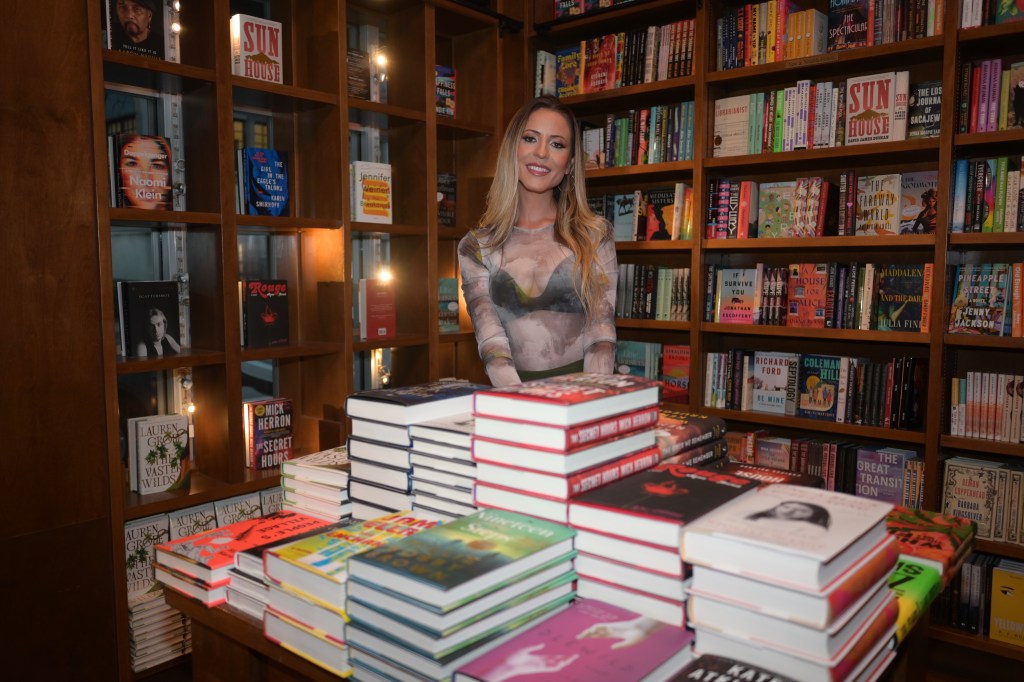
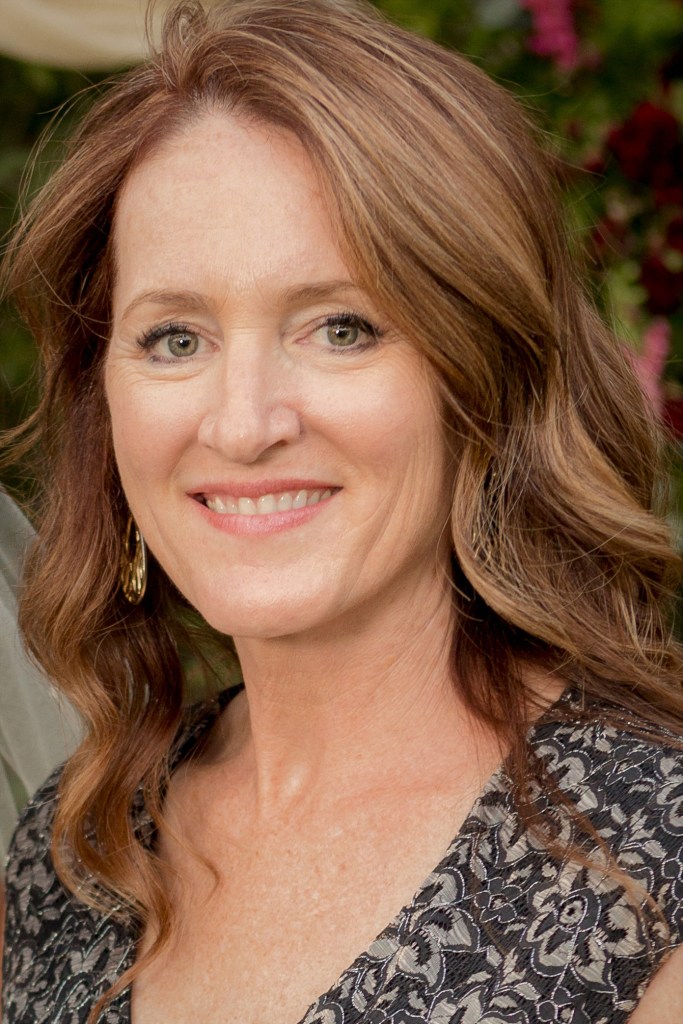
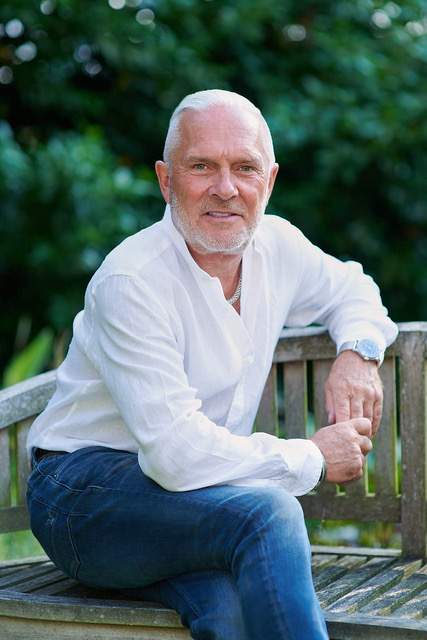
Interview with author Carly Reed

Q1. Hello, can you please introduce yourself? Readers would love to know more about you.

A1. My name is Carly Reed and I am an all-around artist. I have struggled with addiction, mental health, and body dysmorphia since a teenager and these topics are what I write about. I am currently sober and picked up pursuing many creative hobbies during recovery, such as writing, as a way to express and process many feelings that I buried for so long. On this healing journey, I’ve turned a lot of pain into beauty by connecting with others through my poetry.

Q2. What were the key challenges you faced while writing your book “Human: Behind the Mask”?

A2. Fear of vulnerability, opening up and sharing on deep topics (mental health, addiction, body dysmorphia). But self expression is so liberating.

Q3. What books or authors have most influenced your own writing?

A3. Julia Fox’s “Down the Drain” because her writing and narration was so raw and authentic. And Rick Rubin’s “The Creative Act” because he encourages artists to create.

Q4. What’s your favourite spot to visit in your own country? And what makes it so special to you?

A4. Naples, FL because it’s subtropical and sun shine enhances my creativity.

Q5. What inspired you to write the book ‘Human: Behind the Mask’?

A5. Being in recovery and discovering writing was a way to fight cravings and prevent relapses.

Q6. How long did it take you to write your book ‘Human: Behind the Mask’?

A6. About 8 months during my first year of recovery from drug/alcohol addiction. I had to fight to stay sober, and a lot of my poetry and writings were born during those hard times.

Q7. On what platforms can readers buy your books?

A7. Amazon and Barnes and Noble

Q8. Tell us about the process of coming up with the book cover and the title ‘Human: Behind the Mask’?

A8. The photograph, by photographer Angelina, is meant to express rawness; it’s myself in the photograph and I am sitting on the edge of the ocean as the waves roll up, I am hugging/holding myself as a mask floats next to me. This is to show the mask I’ve been wearing is coming off (in my writing) and I am scared and only human beneath. The graphic art company, Genuine Creative Art, added sunflower graphics blooming in the sand on the sides of the centered image because sun sunflowers are tall and reach for the light— it represents growth through authenticity.

Q9. When writing a book how do you keep things fresh, for both your readers and also yourself?

A9. Being open and honest about hard topics. I think my writing is confronting, but a breath of fresh air to unleash deep thoughts on vulnerable topics.

Q10. What is the most valuable piece of advice you’ve been given about writing?

A10. Rick Rubin’s quote about artist’s work, “they’re simply different snap shots of who we are and who we were. They’re all our best works in the moment they were created.” This quote took pressure off during times of writing, because I realized as an artist, I was doing my best work in each moment.

Buy Human: Behind the Mask by Amazon

Interview with author Daryl Dittmer

Q1. Hello, can you please introduce yourself? Readers would love to know more about you.

A1. My name is Daryl Dittmer, I’m 58 years old and am most recently a published author. My personal and business background has been diverse, from a farm boy as a young person to carpenter, to sales, to ownership of properties and businesses. From an often tumultuous and humble upbringing to a life that I would not have dreamed of being so fortunate to have. None of the incredible changes in my life would have happened unless and until I got my life on track. Fortunately, I was introduced to getting my life on a different trajectory in my late teens after struggling with addiction and personal dysfunction. I feel it is my duty at this point in life to give back. To help those struggling to understand and embrace a better life for themselves and as a consequence, those around them.

Q2. What were the key challenges you faced while writing your book “When I Stop Fighting”?

A2. The only real challenge to writing my book was making a conscious and concerted effort to start. The stories were already there, the content was all inside of me. I just needed to resolve to finally sit and write, which I did.

Q3. What books or authors have most influenced your own writing?

A3. I am fortunate as well as grateful to report that many have said they enjoy my conversational writing style, as well as my story telling. Where did that come from? I honestly have no idea. I just write. Now, the lessons I refer to in my books, as well as the discipline I needed to start, persevere, and finish (two books written, one published so far) can be attributed to Emmet Fox, Napoleon Hill, Og Mandino, James Allen, among others.

Q4. What’s your favourite spot to visit in your own country? And what makes it so special to you?

A4. Well, I currently live in the mountains of North Georgia, which is difficult to leave because it’s so beautiful. That said, I believe Jackson, Wyoming and Grand Teton National Park are my favorite. The hiking is unbelievable, the majestic mountains and pristine lakes are incredibly powerful to see, as well as experience. For me, there is nothing like nature to remind me how fortunate I am.

Q5. What inspired you to write the book ‘When I Stop Fighting’?

A5. It’s been a long while in the making, as it’s really the story of my life, written as all of the stories that bring me to where I am today. I take how I interact and relate to others in this world very seriously, and if there’s a way for me to help someone have a better life, by relating my experiences and lessons, I embrace that opportunity. That is the inspiration for my writing.

Q6. How long did it take you to write your book ‘When I Stop Fighting’?

A6. Haha! 57 years! Actually, it’s amusing to me that when I actually sat down to write and vowed not to veer off track, it took me about 90 days. From start to finish to published was all done in 2023. The best part is, I sat for another couple of months and wrote my second book, as everything just kept flowing, so I kept writing. My second book will be published in the 3rd quarter of 2024.

Q7. On what platforms can readers buy your books?

A7. My book is currently available on Amazon, or, if someone would like to purchase a signed hardcover, they can find that on my site, http://www.daryldittmer.com.

Q8. Tell us about the process of coming up with the book cover and the title ‘When I Stop Fighting’?

A8. The title wrote itself as a part of my experience with a mentor in my much younger days. My mentor said to me, as I struggled, wrestled, and fought with life and with myself, “Daryl, when you stop fighting, the fighting stops.” That hit me and still does to this day. To be honest, I guess the subtitle wrote itself as well! There were clear indications that I needed to get my head out of my ass. As far as the cover, I wanted it to be impactful, readable, and recognizable. After many potential iterations, I believe we’ve accomplished that goal.

Q9. When writing a book how do you keep things fresh, for both your readers and also yourself?

A9. Stories. I believe people relate to and enjoy stories, if they’re well written and impactful. I know I do. A recent review speaks to this: “It will bring you to tears, laughter, and back to tears, all within 2 pages.” My intent was to illustrate my life and the lessons learned via those stories, so that I could plant seeds in readers who might be open to change. I don’t believe people want to be preached at or told what to do. I certainly don’t. This is why I focused on my stories, some of which I thought I’d forgotten or hadn’t recalled in decades. A recent review illustrates and I believe, captures my intent, as well as how tremendously different my book is from a typical self-help book: “You never like he is preaching or telling you what to do. He is only sharing his life story and allowing you to chart your own path.”

Q10. What is the most valuable piece of advice you’ve been given about writing?

A10. To sit and write until the writing is done.

Buy When I Stop Fighting on Amazon

Interview with author Ernest Mirich

Q1. Hello, can you please introduce yourself? Readers would love to know more about you.

A1. Ever since he was a child, Mirich has been fascinated with writing. It seemed that early on he was able to express on the written page what he wasn’t able to convey in spoken words. Writing became a way of life for him, in the darkest times of childhood trauma – exposing the depth of his feelings – to the joyous times – describing worlds that only he could imagine. He caught the theater bug in college and began writing plays and poetry. While acting in Chicago, he published a smattering of poems and took home awards for best actor in several theater dramas. The trend continued after he moved to Los Angeles. The poetry took a back seat to the playwriting and he established himself as a formidable presence in the LA theater scene. The Los Angeles Times once called him a Tour de Force for his portrayal of Sid Vicious – bass player for the infamous punk band, the Sex Pistols – in the play entitled “Vicious.” He went on to write, direct and star in many plays and a musical over the next decade. During that time, he also set his hand to screenwriting and film acting. He has starred in several independent movies as well as one of the most popular Star Trek: The Next Generation episodes ever, “Relics,” and wrote a handful of scripts – both screen and television – for the Hollywood Studios. He also wrote, directed and starred in two movies: Critics and Cold Sweat, and created and produced a number of pilots and series for Discovery Channel including the show Shipwreck Men. Damn Cat brings Mirich back to his first love, writing a story and simply putting it on paper. It has always been a dream of his to become a novelist, and now with Damn Cat, he has.

Q2. What were the key challenges you faced while writing your book “Damn Cat”?

A2. Creating realistic characters and immersing them in a believable world.

Q3. What books or authors have most influenced your own writing?

A3. The Old Man And The Sea, The Catcher In The Rye, 1984, The Metamorphosis, In The Penal Colony, Burning in Water Drowning in Flame

Ernest Hemingway, Franz Kafka, Charles Bukowski, Shakespeare

Q4. What’s your favourite spot to visit in your own country? And what makes it so special to you?

A4. Chicago. It’s where I first fell in love with the theater, writing and performing.

Q5. What inspired you to write the book ‘Damn Cat’?

A5. Actual events.

Q6. How long did it take you to write your book ‘Damn Cat’?

A6. Six months.

Q7. On what platforms can readers buy your books?

A7. Amazon.

Q8. Tell us about the process of coming up with the book cover and the title ‘Damn Cat’?

A8. The picture of a beautiful Himalayan cat felt organic, and the phrase “damn cat” occurs repeatedly throughout the book.

Q9. When writing a book how do you keep things fresh, for both your readers and also yourself?

A9.I try to live through the characters, experiencing each moment authentically as if it were actually happening.

Q10. What is the most valuable piece of advice you’ve been given about writing?

A10.Every great story begins with great characters, and great characters come from watching real people. Every author should be a student of human behavior.

Buy Damn Cat on Amazon

Interview with author Rosie and Perry Tobin

Q1 Please introduce yourself so that the readers will get to know you better.

A1) We are a couple from the southwest. We have 4 children and 7 pets. We enjoy the countryside with all of the different farm and wild animals. Learning new things and reading all different kinds of books is always fun for us, although I prefer educational literature while Rosie prefers horror mainly, which I tend to stay away from! She loved teaching our children to read with the Biff & Chip collection, we both remember them keenly from school.

Q2 What is your inspiration behind your book “The Magical Adventures of Diesel The Husky”?

A2. One day about a year ago, Diesel had been unwell and not himself at all, and Rosie was beside herself. Luckily, he was fine after a trip to the vets, but it did dawn on me that one day, when we do say goodbye to him, that is it. So we decided to breed him, and now we have his little girl, Deja. So we always have his line with us. But as you can imagine, even though you have his line, it’s still not the same. So I decided to try and immortalise in his own special way, something that shows Rosie he will always be there to comfort her, in his cartoon form having the most incredible adventures.

Q3 When did you realize you want to be an author?

A3. I don’t think we knew until we was! When we was deciding how we was going to lay the story out, we loved the idea that they should be for our children. So that we could share the memories with them and Diesel while they was still young. It was them who told us to try and get them published. We have had so much fun working together, creating the illustrations, new stories and adding our other pets as the books go on, that we couldn’t imagine doing anything else.

Q4 Please tell us something about your book “The Magical Adventures of Diesel The Husky”?

A4. The first book starts with Diesel, a Siberian husky who just loves to run. He comes across a crystal that gives him Magical powers, such as super speed. Throughout the series he discovers more, but for now he is just enjoying being the fastest Husky in the world! He quickly realises that he can help others in need. In reality is the most adoring, gentle little soul, so it was important to us that his character was just as compassionate on the page.

Q5 For which age group is your book “The Magical Adventures of Diesel The Husky” suitable for?

A5. They are perfect for new readers. We couldn’t give a precise age, as you may know I (Perry) have dyslexia so people can learn to read at any age. Reading my daughters bedtime stories was something I wasn’t able to do until Rosie came along, so from my point of view all ages. And honestly we have had so many parents reach out and say how much they have loved story time with their children reading Diesel’s story. Especially when they see his photo on the back.

Q6 What is your favorite Quote?

A6. That would be Steve Irwin, “I believe that education is all about being excited about something. Seeing passion and enthusiasm helps push and educational message.” But then you do have Robin Williams, “No matter what people tell you, words an ideas change the world.”

Q7 What do you like the most about your country?

A7 Everywhere you go has its ups and downs, good and bad. The nature is beautiful, I’m not sure people appreciate the simplicity of the country. We have some stunning areas of natural beauty.

Q8 What suggestion do you want to give to parents of little readers regarding a reading habit?

A8. Kids love to read the same books repeatedly. This is a blessing, as the books become more familiar, have your child read it with you, then to you. Them memorising a short story, will teach them to recognise certain words before they go to school. It’s a beautiful technique. Our son could read fluently by the age of 5, his little face when he recognised words in new books was so adorable, and his younger sister was the same, and would always ask for his help. Short stories they can memorise will do phenomenal things for your child’s reading journey.

Q9 What does literary success look like to you?

A9. Knowing that you have made even just a handful of people happy. We have had some lovely photos sent to us on Diesel’s Instagram, and just seeing that he has made so many people smile is so heart-warming. Its priceless.

Q10 Lastly, who is your inspiration in life and why?

A10 Perry: I have a few, Sylvester Stallone, from Rocky to Rambo. He is still so humble and one of my all time heroes.

Ricky Gervais, not just his comedy, but how he is with animals is exactly what this world needs. Rosie introduced me to his shows and stand up. And as a family animals mean so much to us, and we feel that they aren’t as protected and cared for as they need to be. And being such a huge name, he brings hope that people will start to feel and think more like he does. He’s just incredible.

Rosie: That’s a tough one! I agree with Perry! But I would have to say Rik Mayall. From a child I absolutely loved him, still do. Even if things were really dark, Rik’s films and shows never failed to make me laugh! I’ve always tried to keep that in mind. When people are at what feels like their lowest, I try to make them laugh somehow. Like he did for me, in the most simplified, beautiful ways. We lost a true genius there.

Buy The Magical Adventures of Diesel The Husky on Amazon

Interview with author Brenda Stanley

Q1. Hello, can you please introduce yourself? Readers would love to know more about you.

A1. I’ve been an author and journalist for over 40 years. I was an investigative television reporter for the NBC affiliate in Idaho. I covered the crime and court beat, which has been very helpful in writing mystery/thrillers. I have five children, including two sets of twins. I also have eight grandchildren. I live on a ranch by the Snake River in Eastern Idaho with my husband, who is a veterinarian. We have lots of animals, including horses, sheep, and chickens.

Q2. What were the key challenges you faced while writing your book “The Still Small Voice”?

A2. I wanted the book to represent and resonate with the people who live in that part of Utah where the novel is set. There is a lot of family drama along with the murder mystery and I wanted to make sure I captured those emotions and struggles accurately.

Q3. What books or authors have most influenced your own writing?

A3. Jodi Picoult, Jeffrey Eugenides, Alex Michaelides, Margaret Mitchell, and many more. I feel every book I’ve read over my life has had an influence. The authors I mentioned are just a few of many.

Q4. What’s your favorite spot to visit in your own country? And what makes it so special to you?

A4. San Diego, California. It’s where I was born, and even though I only lived there for a short time, it’s where my family went each summer. I moved a lot as a child, and it’s the place that makes me feel at home. I love Idaho and have lived here the longest I’ve lived anywhere. It’s very different from San Diego, so it’s nice to have that contrast as well.

Q5. What inspired you to write the book ‘The Still Small Voice’?

A5. I grew up in the LDS church (Mormon), and even though my family left the church years ago, I use those experiences in many of my novels. All my books are mysteries with twists, and it was the perfect backdrop for the story I wanted to tell.

Q6. How long did it take you to write your book ‘The Still Small Voice’?

A6. It took just over a year. I took trips back to the area in central Utah where the novel is set to do research. It was a place I had spent quite a bit of time when I was young, and it’s changed so much, but the one thing I noticed was the mountains. They were obviously there when I was young, but they seemed so immense from what I remembered. They play a large part in the book- some readers have even said they are like one of the characters in the story.

Q7. On what platforms can readers buy your books?

A7. The book is available on Amazon, Kobo, Barnes and Noble, and most other platforms. It’s available in hardback, audiobook, paperback, and ebook formats.

Q8. Tell us about the process of coming up with the book cover and the title ‘The Still Small Voice’?

A8. The title is from a passage in the bible that those in the LDS church talk about often. The still, small voice is the holy ghost or your conscience. The story focuses on the power of shame and the use of that emotion to keep people in line with religious beliefs and teachings. I felt it represented the storyline perfectly. The book cover was designed by graphic artists, and I feel they really captured the book’s tone.

Q9. When writing a book how do you keep things fresh, for both your readers and also yourself?

A9. I write what I’m feeling at the moment. Some of my stories come from things that happen or that I see going on in the world. Even my historical fiction has themes that I feel are relevant today. Being a journalist, my fiction often comes from things I’ve written about or experienced while doing the news. And many of my characters have qualities- both good and bad- from those I’ve interviewed for stories. None of my characters are based specifically on real people, but many of them have traits that are.

Q10. What is the most valuable piece of advice you’ve been given about writing?

A10. I was told to keep at it even when it didn’t seem like anything would be published or read. You are sitting by yourself with only your thoughts when you’re writing. Sometimes, your stories are published, and sometimes, you spend months, even years, without anyone reading your stories. It can be lonely, frustrating, and discouraging, but I’ve never quit writing. I’ve been fortunate to have my books published and read, and that can be one of the greatest feelings in the world. It makes it all worth it. I have a screenshot of a book reviewer on Instagram hugging my novel. What could be better than that?

Buy The Still Small Voice on Amazon

Interview with author K.L. Barstow

Q1. Hello, can you please introduce yourself? Readers would love to know more about you.

For as long as I can remember, reading has been my favorite hobby. I always carried a book with me wherever I went. As I went through school, I often dreamed of being an author, writing my own stories, and seeing my name on the spines of books I saw in the library and bookstores. But, I felt I lacked the experience of being a brilliant author, so I put my dream aside, went to college, and started a career. But I never forgot my dream. I’d wake up early and write, then write in the evenings and on the weekends. I finally wrote and published my first book in my favorite genre. While I got a few sales, the buyers were mostly family and friends, then silence. I struggled to write the second book, published it, and saw my dream die as book sales trickled in and dried up.

As my hopes of becoming a successful author crashed and burned, so did my career. The sale of our company led to a round of layoffs. After twenty-some years as a software development manager, I was suddenly unemployed. I was lucky enough to have a nice severance package, but I knew I’d have a difficult time finding another job. I was looking at fifty and the thought of going to work at another stressful and unfulfilling job had me reluctant to search. So instead, I turned to email marketing and found a small amount of success, but I never forgot my dream.

Determined to achieve my goal of being a published author, I did some research. I knew romance was a popular genre. I’d never read romance novels, preferring mysteries, but I plunged in and read books from several sub-genres before discovering romantic suspense. Not only did the stories grab me and pull me into their world, but especially the books highlighting motorcycle clubs. The ideas started flowing. I had found my inspiration! Which was ironic because of my past.

In high school, someone I cared about slammed into a telephone pole while riding a motorcycle. He died on my birthday. From that point on, I hated motorcycles. I swore I would never date someone who rode one, or let my future kids ride them. I was very much anti-motorcycle, with no interest in changing my mind, ever. But reading books set within MC clubs changed everything. Seeing these men living their lives by their rules captivated me. I found kindred spirits in them. Men and women who want more out of life. Those who found freedom on a motorcycle and with the family they built. Their lifestyle piqued my interest and suddenly I had an entire club of members clamoring to be heard.

Q2. What were the key challenges you faced while writing your book “Dante’s Demons”?

Since I was new to the MC world, I had done quite a bit of research by reading several mc series, not that this was a hardship. All the time while writing Dante’s Demons, I worried about whether or not anyone would like my story. I’d written two other books in a completely different genre that didn’t do very well, and to be honest, I didn’t enjoy writing. I started doubting whether being a writer was something I could do well enough to make a living out of it. My biggest challenge, therefore, was fighting the age-old demon of self-doubt.

Q3. What books or authors have most influenced your own writing?

K.L. Savage is a big one. The Ruthless Kings hooked me into the world. Other authors that I have to read include Cee Barrowman, Karen Renee, Lilly Atlas, Jeanne St. James, K E Osborne, Ciara St. James.

Q4. What’s your favourite spot to visit in your own country? And what makes it so special to you?

San Francisco. I love the city. The architecture and the weather are unique. I love the history and the diversity.

Q5. What inspired you to write the book ‘Dante’s Demons’?

That’s a tough one. I never thought I’d write a novel based on an mc, but after reading several books in this genre, the idea of Dante took root and Tally was not far behind. I knew I wanted to try my hand at writing again, so I started jotting down ideas for possible members and plot ideas. It finally reached a point where I couldn’t not write about Dante.

Q6. How long did it take you to write your book ‘Dante’s Demons’?

It took me a week to brainstorm ideas for the series. I knew I wanted to write more than one book, so I put effort into fleshing out plot ideas, characters, and settings (including the club house and the club’s various businesses.) I then took five weeks to create a detailed outline for Dante’s Demons. After that, it took me another four weeks to write the story.

Q7. On what platforms can readers buy your books?

The books are only available on Amazon in paperback and ebook format, including kindle unlimited. I’m working on the audiobook.

Q8. Tell us about the process of coming up with the book cover and the title ‘Dante’s Demons’?

When I first started writing the book, the club had a different name. As I wrote the book, one part had me reconsidering the name of the club and wanting something that started with the same letter of the alphabet. That’s where Demon Dawgs came into being. This influenced the title because I decided then that each of my books would have the name of the club protagonist followed by one word that started with the same letter.

Getting the cover right was important to me. I wanted something that fit the genre. Something that told the reader immediately what type of book it was. I thought this was important because of my previous attempt at publishing. My other books had amazing, beautiful covers, but they didn’t fit the book genre. This time around I hired 100Covers and they’ve done all my books. They are amazing to work with and I highly recommend them to other authors.

Q9. When writing a book how do you keep things fresh, for both your readers and also yourself?

I don’t like formulas. There are some authors that I’ve read who seem to have a pattern to their stories. I think some readers may find this comforting, but I don’t like being able to predict what’s going to happen next. I try to write my books so that they contain surprises and twists. Not saying I’m 100% successful, but I do try.

Q10. What is the most valuable piece of advice you’ve been given about writing?

Listen to the characters. While I always start with a broad outline for my books, I tend to find myself learning more about the characters as I tell their story. Often, I’ll be moving in a certain direction and then I’ll encounter writer’s block. For me, this happens when I’ve gone off on the wrong tangent. At this point, I have to take a step back and figure out what it is about the direction I’m going that doesn’t work. I look at the story from the characters’ point of view and this always leads to the right direction. For me, I know something is wrong when the story doesn’t flow easily onto the page.

K.L. Barstow on Amazon

Interview with author David G. Williamsson

Q1. Hello, can you please introduce yourself? Readers would love to know more about you.

A1. I transitioned from a career as a programmer to become a very successful software entrepreneur. After selling my international software company, I delved, as a hobby, into the creative world of writing. Programming and writing fiction have a lot in common; both are based on a creative process that needs structure, discipline and an eye for detail and both are focused on creating a great customer experience.
My first book is “Proportional Revenge,” the start of the Chique-series that showcases the captivating character, Chique Fluellen, a brilliant and striking Afro-American young woman who is dealt some very bad life cards and we follow her as she fights back.

My books span several genres, from erotic to political to psychological thrillers. After the book was unexpectedly banned from Amazon, I was bitterly disappointed. Yes, the book has sex and drugs and violence, but it’s all part of a well-thought-out storyline where persistence and determination are the main themes. As one reviewer put it “while it is explicit it never crosses that invisible line from erotic into turgid and grubby.”

I don’t understand their decision, it’s pure censorship. I think that there’s no reason consenting adults shouldn’t read and enjoy fiction with dark themes. But I’m undeterred and I’ve decided to showcase my work on my own website. www.davidgwilliamsson.com

Q2. What were the key challenges you faced while writing your book “Proportional Revenge”?

A2. The most difficult part was fighting the urge to ‘get ahead of myself.’ In my head I’d written out the story many chapters in advance. But then I needed to stay in the present and make sure that every chapter that I wrote was the best it could be. I had an urge to move on, to the next part, which was even better, but I needed to control that urge and focus on the present moment.

The second challenge was to stop. Stop writing, relax, and enjoy other things. There was no need to rush, no deadline to meet. And there were certainly more important things to do and enjoy than just sit writing about Chique Fluellen.

Q3. What books or authors have most influenced your own writing?

A3. No one in particular.
I read across a broad spectrum of genres, probably more non-fiction than fiction.

My last five books in fiction:
Killing Moon by Jo Nesbo
The Exchange by John Grisham
A legacy of spies by John leCarré
The Beekeeper of Aleppo by Christy Lefteri
Livid by Patricia Cornwell

And the last five in non-fiction:
Elon Musk by Walter Isaacson
Food for Life by Tim Spector
Lifespan – Why we age by David Sinclair
Beyond Order by Jordan B. Peterson
The Book of Joy by Dalai Lama & Desmond Tutu

Q4. What’s your favourite spot to visit in your own country? And what makes it so special to you?

A4. My favorite spot in Holland? Believe it or not, in my own back garden. It’s quiet and very private and the perfect place to just sit and drink good red wine.

Q5. What inspired you to write the book ‘Proportional Revenge’?

A5. Well, I’d written a children’s book and started on a book, based in the future, commenting, somewhat cynically, on the major sociological developments of our time; climate change and climate migration, energy transition, polarization is society, and the list goes on. Then, one Sunday morning, I sat down at my computer, and I typed in chapter one of what was to become Proportional Revenge. Where it came from? I honestly don’t know. And I only had one chapter! So, in the following weeks, during many walks in the woods with my partner, we developed a story based on Chapter One. And that story is Proportional Revenge.

Q6. How long did it take you to write your book ‘Proportional Revenge’?

A6. About 12 months. Then add on 3 or 4 for editing and proof-reading.

Q7. On what platforms can readers buy your books?

A7. My books are available on my on website www.davidgwilliamsson.com in both eBook (.epub or .pdf) and Paperback.

Q8. Tell us about the process of coming up with the book cover and the title ‘Proportional Revenge’?

A8. The title is taken from the manuscript. It’s a recurring theme in the second half of the book. The cover was professional designed based on a briefing document that I submitted.

Q9. When writing a book how do you keep things fresh, for both your readers and also yourself?

A9. That’s inherent in my style of writing. I don’t write my books sitting at the computer. At the keyboard, I’m just entering what I’ve already written in my head. When I go out for walks, or when I’m driving, or just relaxing with a glass wine, I live the scenes, actually talking the conversations and hearing them in my head.
Also, I follow the international news and take a lot of my inspiration from that. In all of my books, real world events, injustices, scandals and personal tragedies have been used to build my plot. I’ll move the context and maybe add a few new elements but there’s a lot of real life in there.

I personally like books that pull you in and won’t let go so that’s how I try to write. I want my reader to say ‘wow’ after, or maybe during, the first chapter and then just need to know more. The keyword here is ‘storytelling’. I build a visual picture and I try to portray a world with real characters.

Q10. What is the most valuable piece of advice you’ve been given about writing?

A10. Well, that’s easy. First, get started. The hardest part of any project is the first step. So, if you’ve got a great idea, get started. And secondly, don’t be beaten by criticism. Believe in yourself and press on. Persistence and determination are omnipotent!


Interview with author Natacha Barthelemy

Q1. Hello, can you please introduce yourself? Readers would love to know more about you.

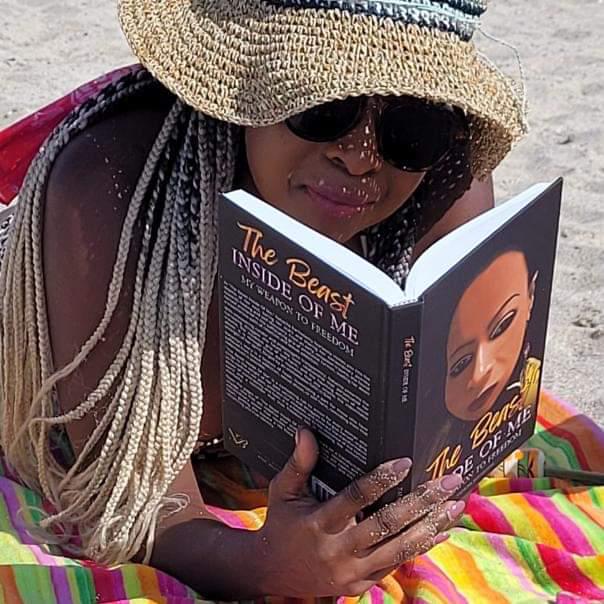
A1. My name is Natacha Barthelemy. I am an entrepreneur in the business consultant industry. I am from Haiti, and moved to the United States two decades ago, where I worked as a Sales Representative for sixteen years and earned my Bachelor Degree in Homeland Security in 2019. I became a full-time entrepreneur in 2021 after walking away from a government job, and since then I have been helping my community build their business on solid ground, providing them with strategies and tools for success. I can now call myself an Author, as I just published my first book “The Beast Inside of Me: My Weapon to Freedom”, which is my memoir.

Q2. What were the key challenges you faced while writing your book “The Beast Inside of Me: My Weapon to Freedom”?

A2. When I started to write my story in 2020, one of the main challenges that I encountered was to face my own self. Every time I came across writing a chapter, I had to pause and take a breather, because it was so painful to relive those memories. I had forced myself to forget about certain situations from the past, and some of them haunted me my entire life. It was hard for me to keep on editing the book before getting it published, because every time it was like putting a knife in my throat.

I made so many bad choices in the past, some caused me a lot of damage. I self-sabotaged myself, and lived a very promiscuous life, so I was afraid of what society would think about me once my book got published. But the more I pushed back on publishing my book, the more I robbed myself of my happiness.

Q3. What books or authors have most influenced your own writing?

A3. I read a lot. Reading is part of my personal development and I make sure I read at least one book or two a month. But, if I had to mention a book that influenced me during my writing period I would say it was the Bible. I remember how I felt very anxious before publishing my book and I kept on going about the story of the woman who was caught in adultery and the crowd wanted to stone her, in John 8:1-11, and Jesus told the crowd: “Let the one who has never sinned throw the first stone!”. I found my courage in this verse, knowing that as much as I would be judged, no one could say that they are better than be, not one.

Q4. What’s your favorite spot to visit in your own country? And what makes it so special to you?

A4. My favorite spot to visit in Haiti would be Jacmel. It’s a small little town, in the countryside, and it is beautiful and peaceful with very nice surroundings.

Q5. What inspired you to write the book ‘The Beast Inside of Me: My Weapon to Freedom’?

A5. The reason why I wrote my story “The Beast Inside Of Me: My Weapon to Freedom”, was first to leave my legacy behind, as I believe I am the only one who could tell my story the way it really happened. And second is to create a movement, inviting other women to come out of their shelves, stop faking it and lying about their past, no matter how ugly, dirty or sad it might have been. The reason why is because I know the cost I had to pay hiding what happened to me. It cost me to lose my pride, my self-esteem and myself.

I never knew who I really was until I wrote my story. I was living a lie, faking the funk to be accepted by others. I was a people pleasure, not allowing myself to say no to either good or bad situations, because of fear of rejection, or abandonment.

I want my story to not only inspire other women, but to impact them to the point where they too decide to live free. I want women all around the world to free themselves of their past mistakes, take ownership of their past, accept and forgive themselves and anyone who has hurt them in the past. And the hard part, I want them to be able to talk about their past freely, no matter how ugly it might be. May my story unleash them.

Q6. How long did it take you to write your book ‘The Beast Inside of Me: My Weapon to Freedom’?

A6. I first started to write my book over thirteen years ago, and stopped. Until 2020, during the lockdown of Covid-19, I had some free time and started over again. From that day, it took me three years to have the final draft.

Q7. On what platforms can readers buy your books?

A7. I self-publish my book on Amazon.com, and it’s available on Kindle, Paperback and Hardcover copies.

Q8. Tell us about the process of coming up with the book cover and the title ‘The Beast Inside of Me: My Weapon to Freedom’?

A8. I believe that I came up with the title from the moment I started to write the book in 2020. I can’t really recall how I decided on the title, but I believe it’s because it reflected what I experienced in my past. I always thought that I was unworthy of love because of the mistakes that I have made. The subtitle, on the other hand, came up as I was about to publish the book and I started to feel released, as if a big load was getting off my shoulder. I knew at that moment that I was experiencing true freedom, because I was no longer ashamed of my past. I had made peace with myself, loved myself for who she was and for who she was becoming and mostly for what she had overcome to become who she was now.

The cover picture was a picture that I took two years ago and that my son drew it and I thought it would be perfect because I wasn’t afraid of putting my face out there. I owned my mistakes and I am proud of the woman that I am now.

Q9. When writing a book how do you keep things fresh, for both your readers and also yourself?

A9. When I wrote the first draft of my book, it came up to over 600 pages, but I knew that it wouldn’t make sense to publish such a big volume of book. I believe that as much as we want to share everything with our audience, not everything is necessary. I had to go back and remove unnecessary contents, touched up on certain paragraphs and words, trying to not be too offensive. As much as I wanted to share every detail, it was best to keep it fresh and inviting to the readers.

Q10. What is the most valuable piece of advice you’ve been given about writing?

A10. The truth is I didn’t tell anyone that I was about to publish my story. And when I did most of my girlfriends told me that I should not have exposed myself like that to the world. I understand their point of view, because we grew up in a time, the 80’s, where what happened in the house stayed in the house. But I knew that’s one of the reasons why I never experienced freedom. I thought that as long as no one knew what I was doing, it was okay to do it, but it wasn’t. Because I hated myself at the end.

All that to say, I didn’t receive any advice while writing my story, but I have one advice to everyone reading, is to be who you really are. If they do not love you for who you really are, but only love the version that you portray them to be, then they never really loved you.

Buy The Beast Inside of Me on Amazon

Interview with author R. Nelson Feldmann

  1. Please introduce yourself so the readers can get to know you better.

Have you ever been heartbroken? Almost everyone has been at some time in life. My name is R. Nelson Feldmann, and two experiences in my life utterly crushed my heart. Melody’s Broken Heart is about one of those experiences. My father died unexpectedly of a heart attack at the age of thirty, when I was only nine. I never had anyone at school who understood what I was going through. Sometimes, I would break down and cry or couldn’t complete my schoolwork. It was hard to act normal when inside, I was suffering. Years later, I went to college and studied music education. Melody’s Broken Heart came about two years ago after a conversation with a student. Over my twenty-nine years as a music teacher, I’ve had many opportunities to connect with students who, like me, had experienced the death of a parent. But then came Sarah. Sarah lost her Dad at age nine, just like me. She was amid her heartbreak when she told her mother, “I just want to be around Mrs. Feldmann. She understands how I feel.” I knew then that my life had much bigger plans than only being a music teacher. I wanted to write books that would be gentle and hopeful; books that would be a balm for hurting children.

  1. What is your inspiration behind your book Melody’s Broken Heart?

When my Dad passed away, my twenty-nine-year-old mother became a widow, and she had to get a full-time job for the first time in her life. Since Mom was at work, I rode the bus to my Grandma’s house after school. She was my Dad’s mom. We were both grieving and we became incredibly close. She is the inspiration for my book. It was set during the 1930s when she grew up. The main character, Melody, is fashioned from a school picture of my Grandma when she was about nine.

  1. When did you realize you wanted to be an author?

I think I’ve always wanted to be an author but didn’t realize it. As a kid, I loved taking old photographs of people I didn’t know and writing stories about them. I’d make up entire families and personalities for them. In seventh grade, one photo became the subject of a “diary” I wrote about a girl whose family traveled across the United States during the 1850s. When I finished the story, I sat at my desk and cried. I didn’t know how to let go of Rebecca and Sarah Jane. I credit that story to be the one that sealed my “fate” to one day become an author.

  1. Please tell us something about your book, Melody’s Broken Heart?

I’d like to tell you about my illustrator, Heidi Jean. She is quite young and lives in Canada. In a day when everyone is using AI and digital illustrations, Heidi does things the “old-fashioned” way. She created every character in the book on paper and with a pencil. Each and every image is a hand-painted watercolor masterpiece. She researched Bend, Oregon (the setting), clothing, and even wallpaper styles of the 1930s. It’s worth buying the book to simply enjoy Heidi’s illustrations.

  1. For which age group is your book, Melody’s Broken Heart, suitable?

It is a read-aloud picture book. The target age range is 4-8; however, it was written with the adult reader in mind. If someone reads my book to a child who has just experienced a loss, the adult reader is probably experiencing that same loss. Most reviews mention that my book has also encouraged the adult reader. I’ve included a journal in the back of the book with writing and coloring activities that target grieving. As a child fills these pages in, I hope the adult reader will “mentally” complete them, too.

  1. What is your favorite Quote?

“When I stopped trying so hard to fix it, my heart started to feel better! I realized it wasn’t my fault that my heart was broken. And it wasn’t my job to fix it. My job was to just be me.”

  1. What do you like the most about your country?

Diversity! In my music classes, my students have taught ME so much about different cultures. An Indian student demonstrated Carnatic music. Near Veteran’s Day, a Vietnamese student told all about how her parents had grown up in Vietnam and how glad they are to live here now. I’ve also taught students whose families are from Morocco, Israel, Palestine, Egypt, China, Korea, Ghana, and more! My ancestry is Scottish and Welsh. We are all Americans.

  1. What suggestion do you want to give to parents of little readers regarding a reading habit?

I cannot emphasize the importance of reading in front of kids. They need to see YOU reading in your free time. And, read aloud to them often! Don’t choose “dumbed down” literature, either. Choose good quality, timeless books, and let them stop to ask you questions about the story and the vocabulary. This is how to make lifelong readers.

  1. What does literary success look like to you?

Well, it’s not a big bank account, although I believe if I’ve written a good book, people will buy it. I just need your help to get the word out! I will feel successful if children and their parents are filled with hope and have a plan for handling their grief after reading Melody’s Broken Heart.

  1. Lastly, who is your inspiration in life and why?

My Daddy. His short life has taught me to never take a single day of my life for granted. I’ve outlived him now for more than twenty years. I’ve lived to see all four of my children grow to adulthood. I have gray hair, and I’m staring at old age in front of me. These are things he never got to experience. How blessed I am to be alive and healthy! I try to make every day count.

Melody’s Broken Heart can be purchased from www.mortarandpestlebooks.net or other online retailers like Amazon. The author can be reached at mortarandpestlebooks@gmail.com

Interview with author Carlton J. Buller

Q1. Hello, can you please introduce yourself? Readers would love to know more about you.

A1. I really am just a spiritual being having a human experience, trying to fully connect my human consciousness with its source, seeking to learn from every opportunity that I can and pass on the benefit of those lessons, striving to fulfill my purpose for being here, and hoping to make the most of this opportunity in every way that I can. I’m a veteran of the US Marine Corps and Silicon Valley. I currently spend most of my time writing and sharing material that can help those most in need to become all that they were meant to be. Other than that, I’m just a regular guy trying to do the right things for myself, for the environment, for family, for friends, and the world.

Q2. What were the key challenges you faced while writing your book “Become Your Masterpiece”?

A2. About two thirds of the material in Become Your Masterpiece was written over the course of several years, and there were no particular challenges with respect to the creation of that material. And so, the bulk of time spent developing this project, which was about four months for the initial manuscript and then a few more fine-tuning it, was focused on layout. I had decided early on that I wanted to do a very unique project – one that perhaps had never been attempted before. I set out to create a cross-genre book primarily because I felt that would be most ideal for this project. The result is a coffee table book that uses poetic verse as its medium but also incorporates highly stylized prose with an essay on success in the afterword. And the coffee table aspect of the book meant that it would also be a picture book. But I wanted every image in the book to enhance the telling of the story on the opposite page, which meant that this would also be a ‘lay-flat’ book. I believe that I’ve achieved those goals. But my greatest challenge was the learning curve I faced with the graphic design aspect of the project. I was determined to personally perform every aspect of the layout and graphic design. So, I had to teach myself how to use Adobe InDesign and Adobe Illustrator and significantly improve my very raw Adobe Photoshop skills. Even now, I’m no expert. But I was able to overcome the steep learning curve and accomplish what I set out to do.

Q3. What books or authors have most influenced your own writing?

A3. I was an avid reader way back in my primary school years. Every week I would return five or six books from the local library and check out a similar amount. I still love reading just as much. So, becoming a writer was almost a foregone conclusion. I’m certain that they have collectively influenced my writing style. But over the years, one of my favorite authors has been Richard Bach. Three of my all-time favorites are Jonathan Livingston Seagull, Bridge Across Forever and Illusions.

Q4. What’s your favourite spot to visit in your own country? And what makes it so special to you?

A4. I grew up on the Western shores of the Caribbean Sea. That was where my love affair with water began. As a child, I used to stand on the pier and become mesmerized as I watched the boats come and go. I’m still fascinated by that type of scenery. Whether it’s a beach, a wharf, a marina, a lake, the open sea or a river or stream, I’m most at peace near the water, especially large bodies of water. That leaves quite a lot of places to go. But the one I’m most fond of is the place where the river meets the sea right in the middle of the town where I grew up.

Q5. What inspired you to write the book ‘Become Your Masterpiece’?

A5. Become Your Masterpiece is more than just a book. It is at once a system, a project, a series of processes, a way of life, a journey and a collaborative effort all designed to help us heal ourselves, transform our lives and become all that we were meant to be. Become Your Masterpiece, the book, is now an integral part of that effort. But it is almost introductory in nature. I wrote it with the intention of helping to establish the proper mindset, to help ease people into a way of life where it becomes almost second nature to bypass the noise and distractions of daily living and turn inward where they can more easily connect with their higher selves. I wrote it because it is the book I wish I had available to me decades ago. And I believe it will make a difference in the lives of those who sense that there has got to be more to this life than meets the eye and are ready for some easily understandable information to get them started in the right direction.

Q6. How long did it take you to write your book ‘Become Your Masterpiece’?

A6. As I indicated earlier about two thirds of this material had already been written. So, most of the work involved editing and updating that portion, creating some new material, selecting and acquiring appropriate images, and doing the layout. The first draft was completed in four months. And it was another seven months by the time it was published at the end of October.

Q7. On what platforms can readers buy your books?

A7. The hardcover version is available at Amazon, Barnes & Noble, Books-a-Million, and many independent bookstores. The eBook is currently available on Amazon kindle. It will soon also be available at Apple, Google, Scribd, Libby, Bibliotheca and other online booksellers.

Q8. Tell us about the process of coming up with the book cover and the title ‘Become Your Masterpiece’?

A8. An interesting side note to all of this is that I was the victim of Multiple types of childhood abuse, the legacy of which significantly impacted most of my adult life. At the age of forty, when I finally recovered the repressed memories that had unknowingly been plaguing my life, I had a discussion with my then 80-year-old father, who by the way was not one of the perpetrators. That discussion led to the greatest shock of my life up to that point when he told me that he had suffered the same fate as a child. I eventually found a way to heal myself. He did not. And while taking care of him in his 98th year, I became witness to one of the greatest tragedies of life. Despite the fact that he had become a successful businessman against all odds, the only thing he could focus on as his spark began to dwindle was the horrible abuse he suffered and mistakes he had made as a result. I tried to get him to focus on his successes but it really was too little too late. In his final moments at the age of 100, as he lay in his hospice bed, I had the urge to take out my mobile phone and dial as fast as I could to his closest friends and relatives. My sister followed suit as we alternated placing our phones to each ear. And one by one they were able to tell him how much they loved, respected and admired him. Then we each held one of his hands as he took his final breaths and made his transition. In the immediate aftermath of that entire experience, I realized that as horrible as it is to be abused as a child it is even worse to reach an advanced age without having found a way to heal. And once you reach a certain age and begin to experience some measure of diminished mental capacity, it is too late to do the necessary healing work. I found myself vowing to help others avoid my father’s fate and heal themselves while they still could. During my struggle to figure out how exactly to do that, the ‘Become Your Masterpiece’ concept began to take shape. I had by then realized that survivors of childhood maltreatment have a much more difficult time transforming their lives than the average person who was not abused as a child. Drawing on my own experience and that of others I had studied, I began to see that transformation as very similar to the metamorphosis of a butterfly. And from that moment butterflies became very special to me as the ultimate symbol of a successful transformation. As I began to meditate and develop a spiritual practice, it became clear that the lessons learned from the journey to overcome that horrible legacy and transcend our past is applicable well beyond the survivor community. I now believe that we are born to become the best possible version of ourselves, and we uplift all of humanity when we fulfill that purpose. The ‘Become Your Masterpiece’ project is intended to help us do exactly that. Much more information is available on my website at http://www.BecomeYourMasterpiece.com

Q9. When writing a book how do you keep things fresh, for both your readers and also yourself?

A9. Interestingly, I’ve never had a problem with that, most likely for one very specific reason. I had just completed my second book when I gave up everything and moved into the same room with my then 98-year-old father to provide round-the-clock care. As I sat by his bedside and reviewed the first printed copy of the manuscript for my second book, I suddenly found myself learning from the lessons it contained. I asked myself how it could be possible for me to be learning from a book that I had written. And then I made some startling realizations. I had been programmed to fail. When you abuse a child, you are programming that person to fail, and I could never succeed without first reversing that failure programming. The universe had been trying to teach me something for a very long time. But I had been too badly wounded to ever have a chance of getting the message. And so, my first two books had been written primarily for me. And I knew then that I could never take credit for anything I write. Every single time I write my hand is guided. Those words are not coming from me. They are coming through me. Writing is almost spiritual for me, and I don’t mean that in a religious sense. It is almost like a form of meditation. It puts me in touch with my higher self. It helps me to access the universal currents of wisdom and knowledge. So, keeping things fresh and interesting is almost automatic.

Q10. What is the most valuable piece of advice you’ve been given about writing?

A10. In 1974, while stationed at marine Barracks, Guam, I one day stood outside on the parade ground in the middle of the morning. Other personnel from every branch of the military were milling about. But I was not standing close to anyone and was totally wrapped up in my thoughts. Suddenly, I heard a voice say to me that I should become a writer. But I ought not to write fiction, only truth – material that will help people improve their lives. My immediate and silent reaction was, “Okay, but I don’t have anything to say.” That was the entire conversation, and I was left with the distinct impression that these were instructions for the future. It would be another twenty-six years before I wrote my first book. But that is what got me started. And I consider it the most important piece of advice I’ve been given about writing. Of course, there’s all the other mundane stuff like write something every day, etc. but all that pales in comparison to the original advice that got me started.

Buy Become Your Masterpiece on Amazon

Design a site like this with WordPress.com
Get started