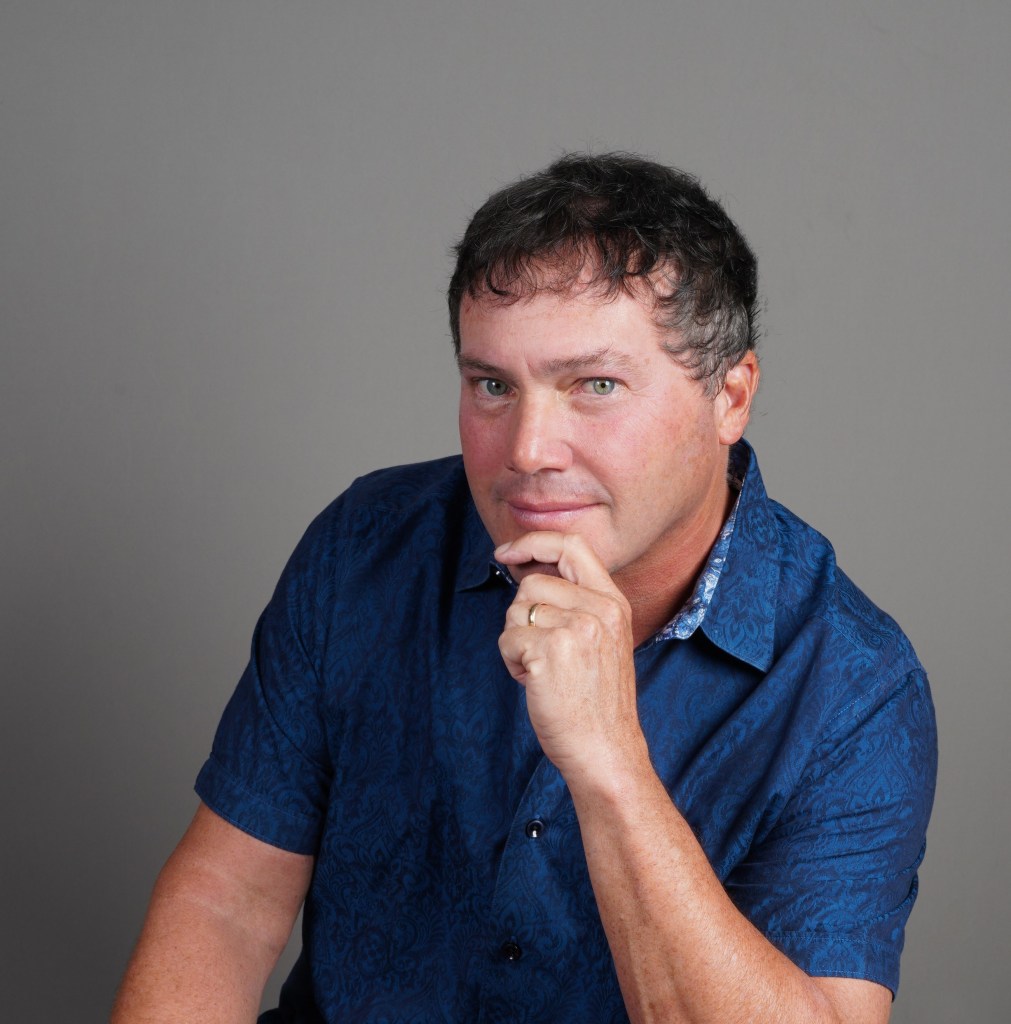
Interview with author Antonia Agbonkpolor

Q1. Hello, can you please introduce yourself? Readers would love to know more about you.

A1 Hello, my name is Antonia Agbonkpolor. I’m a wife, mother of two sons, and an accountant by profession. I recently transitioned into the world of writing and published my first book, SPEAK Life: Healing the Hurt of Verbal Abuse. Through my work as a finance business partner and my passion for helping others, I founded Antonia Creative Writings, a ministry dedicated to using the power of words to uplift and heal. This book is part of that vision.

Q2. What were the key challenges you faced while writing your book SPEAK Life: Healing the Hurt of Verbal Abuse?

A2 One of the main challenges I faced was hearing the stories of people who had endured verbal abuse. Many individuals shared with me how hurtful words impacted their confidence, self-esteem, and mental well-being. Listening to their experiences was difficult, but it became my motivation to transform their pain into a message of healing. Putting their emotions and struggles into words that could comfort others required sensitivity and a deep understanding of their emotional journey.

Q3. What books or authors have most influenced your own writing?

A3 I’ve been influenced by authors like Joyce Meyer, particularly her book Battlefield of the Mind, which opened my eyes to the power of thoughts and words. I also admire Max Lucado, whose ability to communicate profound truths in a simple, relatable way has greatly shaped my approach to writing about faith and healing.

Q4. What’s your favourite spot to visit in your own country? And what makes it so special to you?

A4 I love visiting spas for relaxation or spending time by the seaside. There’s something soothing about the sound of the waves and the calm of the ocean. The beach is a place where I can unwind, reflect, and find peace, which helps rejuvenate my mind and spirit.

Q5. What inspired you to write the book SPEAK Life: Healing the Hurt of Verbal Abuse?

A5 The inspiration for SPEAK Life came from a burden I’ve carried for years, after listening to numerous people who have been affected by verbal abuse. Hearing their stories and understanding the impact it had on their lives especially their confidence and self-worth moved me deeply. I felt called to write this book to help others heal from the wounds inflicted by words and find strength through faith. I also believe this book is also important for the coming up generation to spread awareness of the importance of speaking positively into their lives and the lives of their family.

Q6. How long did it take you to write your book SPEAK Life: Healing the Hurt of Verbal Abuse?

A6 It took me about a month to write SPEAK Life. The ideas had been on my mind for a long time, and I had done some research beforehand. Once I sat down to write, the process was relatively fast because the message was clear, and I was eager to share it.

Q7. On what platforms can readers buy your books?

A7 My book SPEAK Life is available on platforms like Amazon and soon to be on Barnes & Noble, and it will be available on Waterstones as well. Currently, readers can purchase it in both paperback and e-book formats.

Q8. Tell us about the process of coming up with the book cover and the title SPEAK Life: Healing the Hurt of Verbal Abuse?

A8 The title SPEAK Life is inspired by Proverbs 18:21, which states, “The tongue has the power of life and death.” I wanted the title to reflect the power our words have to either build up or tear down. The cover of the book features a silhouette of my face, which symbolizes the personal connection I have with the topic, as well as the broader message of identity and healing that the book conveys.

Q9. When writing a book how do you keep things fresh, for both your readers and also yourself?

A9 I keep things fresh by drawing from real-life stories and personal experiences, which ensures that my writing feels authentic. Prayer and reflection also play a huge role in the process, helping me stay connected to the message I want to share. Additionally, I make an effort to write in a conversational tone to keep the content engaging for readers.

Q10. What is the most valuable piece of advice you’ve been given about writing?

A10 The most valuable piece of advice I’ve received is to write from the heart and not worry about perfection. Authenticity resonates more with readers than anything else. When your writing comes from a place of purpose and passion, it speaks directly to the soul.

Buy Speak Life on Amazon

Interview with author Mandy Nicholson

Q1. Hello, can you please introduce yourself? Readers would love to know more about you.

A1. Hey, I’m Mandy the Creative Genius Consultant, artist, author and owner of a Creative Retreat in Scotland. I help creative women to launch, grow and scale their businesses and make more money.

This book was part of my mission to bring the voices of creative and neurodivergent women to the world.

Q2. What were the key challenges you faced while writing your book “Beyond the Ordinary”?

A2. The key challenges while writing the book have been juggling 30 co-authors, some who struggle with confidence in their work. Getting everybody to keep on track with deadlines and doing revisions etc was hard, but we got there! I had an author drop out at the last minute and I had to find a replacement to keep the number at 30. I always find a way.

Q3. What books or authors have most influenced your own writing?

A3. I adore the Lord of The Rings and always have but also many key influencers in the self-help genre such as – Jack Canfield, Glennon Doyle, Brendan Burchard etc. I like a story when I am helping people with self help guides and I have included personal anecdotes in every chapter of this book.

Q4. What’s your favourite spot to visit in your own country? And what makes it so special to you?

A4. I have moved to my favourite spot in Scotland – Dalbeattie in Dumfries & Galloway. My late husband and I holidayed here all the time and after he passed I sold our house and moved here to my ‘Mini castle’ (that’s a story all of it’s own) and created my amazing creative retreats. Scotland has always held a special place in my heart since I went to University in Edinburgh, I have been trying to get back here for thirty years. And now I’m home.

Q5. What inspired you to write the book ‘Beyond the Ordinary’?

A5. I was inspired by the women I have worked with over the years. Observing their struggles and how overlooked they had been as creative and neurodiverse business owners gave me the motivation to step into the spotlight and bring them with me. Amplifying their voices and stories became part of my business mission and it has been so rewarding.

Q6. How long did it take you to write your book ‘Beyond the Ordinary’?

A6. The book has been an ongoing project over the past couple of years for my part. The past 6 months have been about finding and bringing together the right women to collaborate with the project. All in all just under three years.

Q7. On what platforms can readers buy your books?

A7. All of my books are available on Amazon under Mandy Nicholson or A J King (my pen name for my fiction stories) and on Austin Macauley Publishers as A J King. You can also find them on my website www.mandynicholson.co.uk

Q8. Tell us about the process of coming up with the book cover and the title ‘Beyond the Ordinary’?

A8. The title was the easiest and it came to me almost immediately as these women are beyond the ordinary. I worked with a cover designer for the cover and graphics and wanted to include the neurodiverse and creative right brain and all of its colours and connections. She did a wonderful, striking job of capturing my brief by including a tree with the brain.

Q9. When writing a book how do you keep things fresh, for both your readers and also yourself?

A9. I keep myself up to date with how people are feeling. Tapping into feelings and exploring what people want rather than need has always been my driving force. If you can give them what they want and also reach what they need, you are onto a winner.

Q10. What is the most valuable piece of advice you’ve been given about writing?

A10. Write how you speak. Don’t try and be over-wordy nor try to compete with people who are not you. You are unique. Be you.

Buy Beyond the Ordinary on Amazon

Interview with author Trina Kennedy

Q1. Hello, can you please introduce yourself? Readers would love to know more about you.

A1. Hello! My name is Trina Kennedy, and I am 52 years young, living in Blackfalds, Alberta, Canada. I’ve been married to my high school sweetheart for 28 incredible years, and we are the proud parents of two amazing children, Tayler, 26, and Keaton, 24, who both live just a short 1.5-hour drive away in Calgary.

I have spent the last 30 years as a social worker, where I’ve had the profound privilege of walking alongside many individuals on their healing journeys. There is no greater honor than creating a safe space where people feel seen, heard, and understood. I truly believe that once someone feels safe to share their story, healing begins.

Beyond my career, I am passionate about fitness and the outdoors. One of my favorite pastimes is hiking in the beautiful Canadian Rockies, which are just a few hours away. I also enjoy playing pickleball, working in my yard, and spending quality time with my incredible tribe of friends and family.

Q2. What were the key challenges you faced while writing your book “From Trauma to Triumph and What Lies Between”?

A2. Writing “From Trauma to Triumph and What Lies Between” was a deeply personal journey, and there were a few significant challenges along the way. The most difficult one was finding the balance between being truthful to my own story, particularly around my childhood trauma, while being mindful of my parents. I have two loving parents who did the best they could with the tools they had at the time, and I knew that some aspects of my story might be painful for them to hear. It was a delicate process, but in the end, I’m happy with how it turned out.

Another challenge was deciding what to include, especially when it involved not just my story, but also the stories of my husband and children. I had to be very mindful of what was mine to tell and what wasn’t, and respectful of my marriage by not sharing too much personal information. At the same time, I wanted to give readers enough insight to understand the profound impact that my unresolved trauma had on those I love.

Q3. What books or authors have most influenced your own writing?

A3. I primarily read nonfiction, as I am constantly seeking to learn and grow, both personally and professionally. I am fascinated by trauma—not just my own, but the broader understanding of how it works and how we can help ourselves and others heal. One of the most influential authors for me has been Brené Brown. I own all of her books, but “The Gifts of Imperfection” was particularly life-changing. It helped me confront my trauma response of perfectionism, and I can now proudly say that I am a perfectionist in recovery, thanks to her insights and my own hard work.

In addition to Brené Brown, I am greatly influenced by the works of Dr. Gabor Maté, Dr. Stuart Shanker, and Daniel Siegel. Their books have been invaluable to me, both personally and professionally, offering profound insights into the human mind and the healing process.

Q4. What’s your favourite spot to visit in your own country? And what makes it so special to you?

A4. Besides the mountains, my favorite spot to visit in Canada is Osoyoos, BC. I’ve been going there every summer since I was a little girl, and now my own children have been visiting since they were babies. My parents have a summer place right on the lake, and it’s a place filled with joyful memories that span generations.

For me, Osoyoos is more than just a vacation spot—it’s where we gather as a family, spending our days on the lake enjoying water sports, sharing meals, and soaking up each other’s company. The mornings often start with the boys heading out to golf, and the evenings end with games and ice cream. It’s a magical, special place that holds a lifetime of memories for us, and will continue to do so for decades to come.

Q5. What inspired you to write the book ‘From Trauma to Triumph and What Lies Between’?

A5. I had wanted to write a book for two decades, but no one knew that because the “monster in my head” kept taunting me, telling me I had nothing worth writing about and that no one would read it. For years, I wasn’t even sure what I truly wanted to say. Then, in January of 2023, while hiking with my husband Steven, I had a moment of clarity. It felt like a message came to me, as clear as day: “Trina, it’s time to write your book. You have a message that many need to hear.” There was no hesitation after that. That very night, I told Steven about my long-held dream, and I committed to making it happen.

By May 2024, my manuscript was complete. By then, I had come far enough in my own healing journey that I could clearly see the structure of the book. The writing flowed quite naturally once I embraced it.

Q6. How long did it take you to write your book ‘From Trauma to Triumph and What Lies Between’?

A6. From the beginning of the writing to process the manuscript completion it took me 14 months. Editing, book design, etc took 4 months.

Q7. On what platforms can readers buy your books?

A7. My book is available on Amazon in both paperback and eBook formats, and I hope to release an audiobook in the near future as well. For readers who would like a signed copy, they can reach out to me directly through my website at trinaleekennedy.ca, and I’ll be happy to sign and mail them a copy.

Q8. Tell us about the process of coming up with the book cover and the title ‘From Trauma to Triumph and What Lies Between’?

A8. As soon as I committed to writing the book, the title came to me before anything else. I knew I wanted to tell the story of my traumas—how the unhealed parts of me lashed out and hurt those I loved, how I began to heal, and all the incredible things I’ve been able to achieve because of that healing. The title From Trauma to Triumph and What Lies Between beautifully captured that journey.

Once I had the title, I envisioned the cover almost immediately: the image of a woman standing on a mountaintop, hands raised triumphantly in the air. Mountains and hiking have been incredibly important to me throughout my life, symbolizing strength, resilience, and accomplishment. The cover image also ties in perfectly with the last paragraph of my book, creating a full-circle moment for readers.

Q9. When writing a book how do you keep things fresh, for both your readers and also yourself?

A9. When I was writing, I didn’t focus on keeping things “fresh” for myself or the readers. Instead, I focused on telling my story with as much vulnerability and authenticity as possible. I believe that when a writer comes from that place, it naturally creates an impact. Authenticity resonates, and that’s what keeps the story engaging and meaningful for readers.

Q10. What is the most valuable piece of advice you’ve been given about writing?

A10. The most valuable piece of advice I received about writing is that the easy part is writing the book—the hardest part is the marketing. I was told to spend time building my brand, website, and social media presence so that when the book was ready, I would already have a strong foundation and an audience in place. This advice has been invaluable in preparing me for the journey after the writing was done.

Buy From Trauma to Triumph and What Lies Between on Amazon

Interview with author Helmut Schuster and David Oxley

Q1. Hello, can you please introduce yourself? Readers would love to know more about both of you.

A1. Drs Schuster and Oxley are long time collaborators and former work colleagues.

Helmut Schuster is Austrian by birth, educated as a PhD economist in Vienna, before pursuing a business career that ultimately led him to travel the world and lead the HR Function for BP PLC. He is based in London. An active start-up investor, entrepreneur, and award winning author.

David Oxley, is a British by birth but now lives in Austin TX. David was a management consultant in his early career, but went on to do significant corporate restructuring projects with BP, where he worked with and became lifelong friends with Helmut. David earned his doctorate in organizational change from Cranfield University.

Q2. What were the key challenges you faced while writing your book “A Career Carol”?

A2. A Career Carol emerged from a long-standing concern we shared about existing business, and in particular, career advice literature. Our observation was that it wasn’t written with today’s audience in mind. We set about correcting that. Our goals were to write a career advice book that engaged the reader in storytelling. In stimulating left and right brain thinking. Ultimately, we think it’s false that business books can’t be entertaining, relevant, and practical. A Career Carol was our proof of that concept.

Q3. What books or authors have most influenced your own writing?

A3. We’d list a mix of entertaining and engaging stories that have deeper meanings, like Who Moved My Cheese, The Trolley Problem, or The Little Prince. And then add to those the behavioral science aspects of Thinking Fast and Slow, Good to Great, and Plato and a Platypus Walk Into A Bar. We are eclectic and inclusive readers. We’d finally add a dash of Douglas Adams, Richard Osman, and, of course, Charles Dickens.

Q4. What’s your favourite spot to visit in your own country? And what makes it so special to you?

A4. We both have a special connection with St James Park and the area around Piccadilly in London. We spent decades of our lives in or around that area with its rich history, vibrant street scenes, and wonderful restaurants. There is a breakfast place on Pall Mall where we invented the first concept for A Career Carol. It’s croissants are particularly inspirational.

Q5. What inspired you to write the book ‘A Career Carol’?

A5. Well, beyond the desire to write a Career Advice book that was distinct and different? Probably, our love of ghost stories and social satire. We both enjoy books that combine humor with deeper thought-provoking questions. A Career Carol includes the irresistible combination of a ghost story, a central character filled with late teenage angst, and pokes fun at graduation speeches.

As we worked through the manuscript, we were fortunate to interview about a dozen young NextGen entrepreneurs. In many ways those interviews reinforced the why and what. They were brilliant.

Q6. How long did it take you to write your book ‘A Career Carol’?

A6. About 15 months. From concept, first draft, through the research and interviews to the final publication. We started in June 2022, and it was published in Oct 2023.

Q7. On what platforms can readers buy your book?

A7. Amazon, our publishers website Austin Macauley, and all the big online retailers (Waterstones, Foyles, Barnes & Noble).

Q8. Tell us about the process of coming up with the book cover and the title ‘A Career Carol’?

A8. We worked with Andy ‘Doodles’ Baker to design the cover. Andy is an extraordinary artist based in Birmingham, UK. The concept emerged from our collaboration with him. We are contemporary ‘pop’ art enthusiasts, but we also wanted a ghost story/Christmas carol aspect. Central to the whole thing was picturing Shey Sinope. The character in the book who experiences the prophesized career crises. We love how it came out.

Q9. When writing a book how do you keep things fresh, for both your readers and also yourself?

A9. It can be complicated. Our view is that you have to write your book, not someone else’s. We focused on writing in a style, and in a format that really appealed to us. Perhaps other people do it differently. It’s a difficult task writing a book. For us, a key was feeling fully engaged and committed to the tone, style, and story. So, the answer is just that… We wrote from our experience, what we know, in a fashion that really spoke to us.

Q10. What is the most valuable piece of advice you’ve been given about writing?

Don’t let anyone tell you can’t. However, if you’re going to do it… Do it well. Commit. Make sure you are very clear why you want to write and how what you want to say is important, at least to you. Then… open Word… And tap your keyboard. See what emerges…

Interview with author Gloria D. Gonsalves

  1. Please introduce yourself so that the readers will get to know you better.

A1. I was born and raised in Tanzania, and I have paternal ancestry from India and Congo. In 1997, I migrated to Ireland for further studies. After completing my studies, I moved to Germany to obtain my master’s degree. I live in Germany and occasionally in Tanzania. I am a multipotentialite who is an author, poet, illustrator, philanthropist to potential and fellow writers, former United Nations staff, and former tourism and travel professional. I am still learning to discover more abilities in myself.

  1. What is the inspiration behind your book “Flowers, Plants and Fascinating Facts”?

A2. My book portfolio involves collaborations with children and adults. I feel more rewarded when unknown people with creative gifts work with me. My work is not famous either, so that is a fitting match because I consider myself not writing for a living but for servicing.

With that background, I have harboured a deep wish to illustrate a book myself. After our son was born, I sketched a lot using wax crayons. Occasionally, I shared some flower sketches on Instagram. A fellow writer and educator in Tanzania suggested writing a book using those sketches. Because I love botany, I tested the waters by publishing Alphabet of Flowers. The success of that book encouraged me to embark on a more significant project and the result was Flower, Plants and Fascinating Facts”.

  1. When did you realize you wanted to be an author?

A3. I don’t recall having a specific intent to be a writer. However, I loved to read a lot. At home, we did not own many books except those catering to my mother’s profession as a teacher in home economics. During the holidays away from boarding school, I enjoyed reading the same books we owned. My favourite was Safari za Gulliver, a Kiswahili translation of the classic Gulliver’s Travels. It awakened great curiosity about possible worlds in words.

My first writing was a school play in school from the English class. Years later, while living abroad in Germany, I sent a rant prose to an online magazine in Poland. In fact, I didn’t know it was a poem until it was picked as the Editor’s Choice of the week. From there on, I became courageous enough to learn and write poetry. Since then, I have written books in the genre of poetry, children’s fiction and education, and adult non-fiction pieces. Occasionally, I write opinion pieces for newspapers in my motherland Tanzania.

  1. Please tell us something about your book “Flowers, Plants and Fascinating Facts”?

A4. It is a comprehensive botanical book for children. The book invites children to explore nature and their surroundings with simple and colourful wax crayon drawings. This first reference book will awaken their sense of adventure and curiosity about different flowers and plants. They will also discover interesting facts such as colours, names, behaviours and their uses for humans.

  1. Which age group is your book “Flowers, Plants and Fascinating Facts” suitable?

A5. This educational book targets children from age four to adults. Since the book is not text-heavy, it is suitable for any child who can read a few pages at a time. The whole family will enjoy it too. One reviewer revealed that it can be made into a reading game with friends or family, making them guess which plant they’re describing.

  1. What is your favorite Quote?

A6. It varies according to my personal circumstances and what is going on globally. Sometimes, I also write quotes when taking a break from writing or experiencing a light bulb moment. As a poet, I have found many lines from poems that are wisdom nuggets. For example, the poem titled I, May I Rest in Peace by Chana Bloch and Chana Kronfeld (translated from the Hebrew by Yehuda Amichai). Many lines in that poem are relevant quotes for current times.

  1. What do you like the most about your country?

A7 For various reasons, I consider both Tanzania and Germany my homes. Ireland was once my home too. These countries have all gifted me with love, failures, understanding, caution, kindness, opportunities, biases, professionalism, and other precious life lessons. I treasure Tanzanian hospitality. My spirit is sated by the German tradition of forest walks. I have transcended to other realms with Irish music.

  1. What suggestion do you want to give to parents of little readers regarding a reading habit?

A8. Do not force children to read. You can gently coax them towards it by setting an example of reading. It surprises me when a parent expects a child to love reading while they don’t read themselves.

Allow children to pick what they want to read. Reading should be entertaining and enjoyable. As parents, we should be open-minded and allow children to read even what is not considered beneficial as long as it is appropriate for their age. We must strive to make reading and writing fun. Reading and writing shouldn’t be made as a punishment, especially in school. We should encourage and support reading and writing for pleasure.

  1. What does literary success look like to you?

A9. Numbers do not play a role in my writing. I create to service, not to prove that I am better based on my book sales and follower numbers or shares. Success is to have the courage and discipline to show up in writing because, besides myself, there is always one person out there who needs to read what I have penned. As a writer, I need my own writing. It is a medium for me to learn, teach and advocate. As I have intentionally opted out of public speaking, you can hear me speak through my writing.

  1. Lastly, who is your inspiration in life and why?

A10. I believe inspiration is found once an individual knows and accepts their life mission, i.e. why you are here and what you are supposed to fulfil. There was a time when I was on the bandwagon of wanting to be famous and celebrated like my favourite writers: Maya Angelou, Paulo Coelho or Beatrix Potter. It was bad for inspiration because you write to compare results with someone else’s. But now I know that my part is to add to the literary continuation, i.e. continuing, adding or inventing. While responding to this question, I searched online to find out how many writers there are worldwide. The numbers provided by different sources are millions. We cannot all fit into the same celebrity writer status. As a writer, I must focus on maintaining, passing, and adding to whatever genre I choose so it lives on. I see myself as one who aspires to inspire others without focusing on numbers. There are many readers, too, who have varied hunger for words. It is up to us writers to feed our chosen readers’ niche.

Buy Flowers, Plants and Fascinating Facts on Amazon

Interview with author R. S. d’Arcy

Q1. Hello, can you please introduce yourself? Readers would love to know more about you.

A1. I’m R. S. d’Arcy. I was born and raised on Long Island in New York. I started with a career in movies. First as an usher and then a movie theater manager. It’s working in a movie theater where I discovered my love of storytelling. I used to see so many movies over and over, and started thinking of ways to improve them or come up with my own. I first wrote screenplays just out of college. The internet was just in its infancy, so the first way I learned how to write was through a correspondence school in Hollywood. I used to read a lot of books on how to write screenplays too. Soon enough the internet was booming with companies that would offer to read what you had and critique it while, other companies that would post you work helping you find a producer who was interested.

Needing money to support my screenwriting venture, and to pay other bills and expenses in life, I started working for a government agency with an “I” in its three-letter acronym. I worked there twenty-two years, not in a row, before finally leaving after having driven cross-country with my wife, of a little over a year, to move just outside Las Vegas, Nevada. The reason I left was to be a stay at home dad to my newborn daughter. With encouragement of my wife, I decided to write my first of, hopefully, many books, Sorcery & Sin in the Second World.

Q2. What were the key challenges you faced while writing your book “Sorcery & Sin in the Second World”?

A2. Finding the time to write and wishing I could type faster. I never struggled with the story itself. It was more just finding the time to put the story to paper. My newborn daughter’s sleeping habits turned into a blessing in disguise because even though I would be up late, it’s when I found the time to write.

Q3. What books or authors have most influenced your own writing?

A3. There’s so many, but I would say Edgar Rice Burroughs is a big influence because I like his style of being fast paced and having a creative mind where he could write about a person in the jungle or on Mars. I also like modern day writers like George R. R. Martin, who pushes the envelope with the normal sword and sorcery fantasy stories.

Q4. What’s your favourite spot to visit in your own country? And what makes it so special to you?

A4. The city of Las Vegas, Nevada. I actually love it so much I moved just outside the city four years ago. I think it’s special to me because of the many sunny days and warmth, which I love because it energizes me. I think I find it special also because it seems like a creative idea with how the desert acted like a blank canvas and then an exciting city was painted on it.

Q5. What inspired you to write the book ‘Sorcery & Sin in the Second
World’?

A5. I think having read a lot of fantasy books and watch a lot of sword and sandal movies over the years it encouraged me to come up with my own story.

Q6. How long did it take you to write your book ‘Sorcery & Sin in the Second World’?

A6. If you condense the actual writing time, it took a little over two months, but life happens (mostly good stuff😊), so it became more like 10 months.

Q7. On what platforms can readers buy your books?

A7. It’s available on Amazon.

Q8. Tell us about the process of coming up with the book cover and the title ‘Sorcery & Sin in the Second World’?

A8. I wanted the cover to show how two normal, everyday people get thrown into this wild fantasy world, so I had the main female character, Rena, wear some sexy warrior outfit with a castle in the background, while the main male character, Pal, wears business casual attire while standing in an office. Thankfully, I found an artist online who was able to capture my vision.
Since this was my first book and no one knew what kinds of books I was going to write, I wanted the title to let everyone know that I wrote a sword and sorcery fantasy set in a different world than the one you’re familiar with as well as having some sexy scenes. I almost called it Sorcery and Sex in the Second World, but thought the word Sin had a deeper meaning. Also, Sorcery and Sex in the Second World reminded me too much of the title, Sex and the City, which I didn’t think quite fit.

Q9. When writing a book how do you keep things fresh, for both your readers and also yourself?

A9. I think making the characters just regular people you would know in everyday life keeps it fresh. One main character, Rena, is a gamer and into the fantasy genre so she’s totally into this new world, while the other main character Pal is the practical one in the relationship as opposed to the dreamer, so he feels lost and wants to get back home. Also adding humor by having real world reactions, like how would you act if you met a magical gnome, army of corpses, or a sorcerer.

Q10. What is the most valuable piece of advice you’ve been given about writing?

A10. Write first, then edit later. If you try making the sentences read perfectly, and look for every spelling and grammatical error at the same time, then you’ll never finish. It’s important to get the idea down first then go back and fix it up.

Buy Sorcery & Sin in the Second World on Amazon

Interview with author Serafina D. Blackwood

Q1. Hello, can you please introduce yourself? Readers would love to know more about you.

A1. Hi! I’m Serafina Blackwood, a 16-year-old author with a passion for writing mysteries. I’ve been writing for years, and I recently published my debut novel, The Extremely Peculiar Case. Writing has always been a part of my life, and it’s my way of exploring new ideas and creating intricate stories.

Q2. What were the key challenges you faced while writing your book “The Extremely Peculiar Case”?

A2. One of the biggest challenges was balancing writing with my schoolwork. Being homeschooled gave me some flexibility, but it also meant I had to manage my time carefully. There were days when writing took a back seat, but I kept at it and made sure to set aside time to work on the book consistently.

Q3. What books or authors have most influenced your own writing?

A3. I’m really inspired by authors like Agatha Christie and Gillian Flynn. I love their ability to create suspenseful stories with deep psychological twists. Their work helped shape my own approach to storytelling, especially when it comes to keeping readers guessing.

Q4. What’s your favourite spot to visit in your own country? And what makes it so special to you?

A4. I love visiting Kings Park in Perth. It’s such a peaceful place, and I always feel inspired when I’m there. The views are amazing, and it’s a great spot to just sit and think, which helps me come up with new ideas for my writing.

Q5. What inspired you to write the book “The Extremely Peculiar Case”?

A5. The idea for “The Extremely Peculiar Case” came from my fascination with mysteries and the human mind. I wanted to create a story that would challenge the reader’s expectations and keep them engaged with unpredictable twists and turns. It’s a mix of intrigue and psychological complexity that I really enjoyed exploring.

Q6. How long did it take you to write your book “The Extremely Peculiar Case”?

A6. It took me around three years to write. I’m not entirely finished with it, though, because this book is actually the first in a series. While it took a lot of time to complete the first installment, there’s more of Jasmine’s story to tell, and I’m excited to continue developing it.

Q7. On what platforms can readers buy your books?

A7. “The Extremely Peculiar Case” is available on major platforms like Amazon. You will also be able to buy it soon directly from my website.

Q8. Tell us about the process of coming up with the book cover and the title “The Extremely Peculiar Case”.

A8. The title came from the idea that the case in the book was unusual, unlike anything the characters had dealt with before. I wanted the cover to reflect that same sense of mystery, so I worked closely with a designer to make sure it was eye-catching and intriguing without revealing too much.

Q9. When writing a book, how do you keep things fresh, for both your readers and also yourself?

A9. I keep things fresh by letting the story evolve naturally. I don’t always know exactly where the plot will go, and that element of surprise helps me stay excited about the story. For the readers, I love adding unexpected twists and moments that keep them on their toes.

Q10. What is the most valuable piece of advice you’ve been given about writing?

A10. One of the best pieces of advice I’ve received is to draw lines from your own life and experiences. It makes your characters and story more relatable. Also, keep writing no matter what. It’s easy to doubt yourself or get stuck, but if you push through and keep going, you’ll always find a way forward. Writing is all about practice and perseverance.

Buy The Extremely Peculiar Case on Amazon

Interview with author Jo Cooling

Q1. Hello, can you please introduce yourself? Readers would love to know more about you.

A1. Since 2012 when I finished working for Child Protection until 2024 when my Epilepsy was at its worst, I felt like my life was put on hold, even though I was writing my book it was a struggle to get through those years.

I am lucky to have an extremely supportive family. They would come over and get me up in the morning to make sure I had a shower got dressed and went for a walk. I am one of the lucky ones, I don’t know whether I would have survived without my family.

In 2024 I had a stroke and since then it was like I had awakened from a coma and my family and friends state “it’s like you’re a different person, we have the old Jo back”.

I love to keep busy and continually set myself challenges. While I was writing I needed a hobby something I could do to relax, because being in front of a computer all day is hard for me as I suffer from osteoporosis. (This is a fun fact for you, which you would think the doctors would have told me back in 2009, when I started on anti-seizure medication, the medication causes osteoporosis. However, it’s too late for me to start take supplements to prevent bone weakness, when at the age of 52 I have the bones of an 80-year-old).

To the surprise of everyone who knows me I started baking, I use my husband’s work colleagues as test subjects for my cookies and cupcakes and if they don’t die or get sick there a winner, and go in my recipe catalogue.

My business is slowly growing and I set myself challenges to make sure that my baking stands out above what is currently on the market. Recently I took some cupcakes to my hairdresser and she gave a couple to her clients who stated “these are amazing I have never had anything like this before”.

I have recently started cooking everyday meals and as my husband tells his mates “Since the stroke she’s become this superwoman, she couldn’t boil an egg before, the stroke’s the best thing to ever happen to her”.

The one thing that I am extremely grateful about is that I can now drive again however, either I am just a more careful driver or there are more idiots out on the road.

Of course, I can’t tell you my story without mentioning my two beautiful fur babies, it is amazing how animals can get you through the worst days. My two-year-old 3kg kg miniature Cavoodle Zeena runs the household, she controls her brother Bentley who is 3 and weighs 10kg. If Bentley is on the couch and Zeena wants that spot, she growls, he jumps off and she jumps up. My husband and I say, Bentley dude you weigh 10kg she weighs 3kg. They definitely love each other. Bentley accidentally shut himself in the bathroom the other day, and little Zeena went and pushed the door open so he could get out. Bentley also suffers from Obsessive Compulsive Disorder, and walks around the house on his daily ritual poking objects, and sometimes he pokes people.
Last but not least my second novel. If you have read my first novel you will know I do not hold back, and my next novel is no different. The only difference is everyone is in the firing line this time round, if you have ever been ripped off, treated unfairly, abused or just in a crappy situation then you are going to love my next novel. Keep a look out for my name in 2025, you won’t be disappointed.

Q2. What were the key challenges you faced while writing your book “Child Protection Behind Closed Doors”?

A2. Unfortunately, my epilepsy was extremely bad for most of the time I was writing my novel whereby I was having up to five seizures a week until late 2023.

I had a stroke in 2023, and since then as far as I know I have not had any seizures. I have amnesia when I have seizures, so I often lose days at a time, unless someone tells me or I have an unexplained injury I don’t know I have had a seizure.
The main challenge I have had to face in regards to writing is I suffer from dyslexia and although I write in my novel “Dyslexia is not a disorder, I can read the same book twice and come up with a different ending”. It certainly can be a challenge when it comes time to edit your own work.

I found once I completed the initial draft of my book reading what I wrote at the start when I was unwell, reading what I wrote at the end, it was like two different people had written the book.

I was lucky that between my publisher Tellwell and my cousin who worked in the legal system the final copy of my book was exactly what I had been striving for.
The other challenge I did face while writing my novel was the legality of what I was writing, obviously I needed to be careful how I worded things and make sure that I did not provide any information that would identify the people I was writing about.

Q3. What books or authors have most influenced your own writing?

A3. I have always loved true crime; my book shelf is almost all on this topic. When I was selling my house, it was suggested to me that I remove some of my true crime novels as people might be scared off by all the books on murder I had in my study.

There is one book that really stands out in my mind called ‘Don’t Let Her See Me Cry a Mothers Story’ by Helen Barnacle. This novel follows the life of a woman who struggles through a life of addiction. While in prison she fights for change and the right for a mother to have her child in prison during the early years. Helen fights for many changes within the prison system while incarcerated and leaves a long-lasting legacy after she leaves.
Helen also goes on to study and graduates with a degree in psychology.

Helen Barnacle’s story has always stayed with me, and the desire to want to change a broken system, has been a growing desire of mine for a long time. This is the reason why I have written my novel Child Protection Behind Closed Doors.

Q4. What’s your favourite spot to visit in your own country? And what makes it so special to you?

A4. My husband is from King Island which sits between Victoria and Tasmania Australia and I really love going there. Everybody is so friendly; you can walk everywhere; the food is fantastic and it is so relaxing. On one of my many trips there, I stayed for five weeks and I considered resigning from my job and staying on the island permanently.

The other place I really enjoy is the Grampians in Victoria Australia I used to go there with my best friend and her family for three weeks every Christmas when we were young. We camped at a place called Lake Fyans. There are so many activities and bush walks to do.
My best friend and I are considering going back there to re-live some of the best years of our lives.

Q5. What inspired you to write the book ‘Child Protection Behind Closed Doors’?

A5. Initially I was writing my story as a mental health exercise, until I received a phone call from a retired Child Protection Supervisor who informed me that after I left work Management directed that my colleagues were to cease all contact with me. I couldn’t believe what I was hearing. I left work for medical reasons. I was diagnosed with Epilepsy three years earlier, where I had full body seizures and stopped breathing, and felt this could place other people and children in danger, as they were becoming more frequent.

When I left work, mentally I was at my lowest point, I had lost my job, my independence as I was not able to drive, and I became depressed. When I found out that Child Protection Management added to my suffering by taking away my life line. All my experiences of bullying and other systemic issues that have plagued Child Protection not only in Australia but worldwide. Those are lack of support by Management, drug taking over worked and poor decisions made by management and workers.
My personal experience and the harsh realities of the child protection system are at the forefront of what encouraged me to address my own mental health. In addition, exposing my experience of bullying and loss allowed me to grow as a person and rise up against what has become acceptable behaviours, to hopefully address these issues and bring about change, in an industry that has long plagued our society. These are the reasons I decided to write my story and hopefully prevent other people going through what I went through.

Q6. How long did it take you to write your book ‘Child Protection Behind Closed Doors’?

A6. It took me approximately three years to write this book.

Q7. On what platforms can readers buy your books?

A7. My book can be purchased through my website, (Jocooling.com). or through Amazon, Amazon Kindle, AbeBooks, Walmart, Kogan, Kobo. There are other sites, but I cannot list them all.

The media release has only occurred in America and is still to be released in Australia.

Reader Views has just given Child Protection Behind Closed Doors a Five Star Rating.

Q8. Tell us about the process of coming up with the book cover and the title ‘Child Protection Behind Closed Doors’?

A8. I had taken a photo of my neighbour’s great granddaughter cuddling my two puppies in the foyer of my front door. I knew straight away that was the type of photo I wanted for the front cover of my novel.

There is a saying “Silence hides violence”. Therefore, Child Protection Behind Closed Doors is similar, what it means to me is the things that occur when no one can see or hear, and until someone talks about them it becomes a systemic issue that continues to escalate that gains traction and in Child Protection has become a systemic issue and potentially could cost somebody their life.

Q9. When writing a book how do you keep things fresh, for both your readers and also yourself?

A9. When writing Non-Fiction, it is a little bit different because the story is already there. When I was writing it was more about providing a visual effect, for example when I spoke about the state of a house not being fit for people to reside in, providing the reader with the description to allow them to be in the house with me, was important.
Because, my novel had some heavy content I provided some positive affirmations at the end of each story to hopefully allow readers to mentally debrief after each story.
During the writing of my novel, as it was a long process I was actually writing two novels at the same time. Therefore, when I needed a break from the heavy content of Child Protection Behind Closed Doors, I would flip to my second novel which I will hopefully be releasing in mid-2025.

Q10. What is the most valuable piece of advice you’ve been given about writing?

A10. The most valuable piece of advice I have been given is to enjoy what you are writing about, and enjoy the experience of writing. If you are not enjoying what you are doing, if you are stressed, get up and walk away until you can centre yourself and relax. You cannot force writing; it needs to flow.

Buy Child Protection Behind Closed Doors on Amazon

Interview with author Luise Noring

Q1. Hello, can you please introduce yourself? Readers would love to know more about you.

A1. I’m Danish, with over 15 years of international experience living in various parts of the world, including England, Germany, Argentina, USA, and France. This exposure has equipped me with proficiency in several languages, which I leverage in my writing. I enjoy working with the language extensively.

In terms of my academic background, I hold a Ph.D. in Supply Chain Management, and I have nearly a decade of experience in research leadership focused on city governance and finance. I’ve authored numerous academic journal articles and reports, collaborating with organizations such as the European Commission, OECD, ILCEI, Brookings, among others.

Additionally, I run a consultancy where I partner with international clients to address urban challenges like affordable housing, urban redevelopment, and infrastructure investments.

For more details, please visit my website: www.luisenoring.net

Q2. What were the key challenges you faced while writing your book ”Going Places, Somewhere and Nowhere”?

A2. “Going Places, Somewhere and Nowhere” marked my debut as an author. Since then, I have written four subsequent books, three of which are currently in the publishing pipeline.

The initial book posed unique challenges typical of a first-time author. Originally, I hadn’t set out to write a book; instead, I crafted a collection of vignettes or short stories drawn from personal experiences and imagination.

Transforming these vignettes into a cohesive narrative required threading them together with an overarching storyline and ensuring the timeline flowed seamlessly.

As someone who enjoys the immersive experience of short stories, I appreciate their ability to transport readers into diverse worlds and blur the lines between reality and fantasy. This dynamic interaction between the real and the imagined fuels my storytelling, prompting readers to question their own perceptions of reality.

Currently, I’m wrapping up a book exploring the legal system, a realm that once existed solely in the realm of imagination before manifesting as enduring legal and political structures in our societies.

This ongoing process underscores the fluid nature of concepts we generally consider fixed and immutable. In some ways, whatever we imagine has the potential to become real. And whatever is real was once in our imagination.

Q3. What books or authors have most influenced your own writing?

A3. This question is a bit challenging for me because I often struggle to recall the names of authors and books. However, I vividly remember certain stories. Most recently, I was captivated by a collection of short stories by a contemporary Swedish female author titled something like “The Road to [a Swedish place name that’s difficult to remember and pronounce].” I also like Siri Hustvedt.

Additionally, I’ve delved into classics like Dickens, and “The French Lieutenant’s Woman” by John Fowles left a lasting impression on me from a young age.

During my teenage years, I immersed myself in biographies of Danish queens and noblewomen, fascinated by their violent and turbulent lives. My writing often explores the complexities of female destinies and the intricacies of womanhood.

Q4. What’s your favorite spot to visit in your own country? And what makes it so special to you?

A4. In my writing, I often explore the tranquility and serenity of the Nordic forest, which holds a deeply sacred place in my heart. These ancient trees stand majestically while we, as humans, navigate our often hectic lives. Each of us is born and dies, while these trees endure. Our lives are fleeting compared to theirs.

Each tree forms its own ecosystem, inviting you to become part of it as you walk alone in total silence. The forest feels like a sacred sanctuary where the rustling of leaves whispers life’s secrets to you.

Despite having lived in many countries and traveled extensively, I have yet to find a place that surpasses the Nordic forest with its seasonal rhythms reflecting the cycle of life.

My favorite forest is The Fence, renowned for its ancient stature and diverse flora thriving on different soils.

Q5. What inspired you to write the book “Going Places, Somewhere and Nowhere”?

A5. In many ways, my writing is deeply rooted in my research background, and I conduct extensive research for my books. Keeping my knowledge current serves as a continual source of inspiration.

While writing, I often find inspiration in music; for this book, gaming music played a significant role.

Lastly, for profound inspiration, I delve deep within myself. To awaken this inner wellspring, I take long solitary walks in nature.

Q6. How long did it take you to write your book ”Going Places, Somewhere and Nowhere”?

A6. It took me about four months to write the book and another two months to revise it.

Q7. On what platforms can readers buy your books?

A7. All platforms. Amazon, Goodreads, Barnes & Noble, Waterstones, and so on. All book platforms.

Q8. Tell us about the process of coming up with the book cover and the title “Going Places, Somewhere and Nowhere”?

A8. When I write, I always start with the title. Once I have the title, it remains unchanged because it encapsulates the core of the story.

For the cover design, I envisioned something that evoked the theme of travel while also reflecting a sense of going back in time. Given the backdrop of third world war in the book and trilogy, which pushes humanity backward in time, I aimed for a design that harkened back to the Middle Ages.

Q9. When writing a book, how do you keep things fresh for both your readers and yourself?

A9. I find that maintaining a fast-paced plotline is crucial for keeping both readers and myself fully engaged. Each of my books features an accelerating narrative that includes unexpected events and a diverse cast of characters, each with their own compelling stories to tell.

Q10. What is the most valuable piece of advice you’ve been given about writing?

A10. To be honest, I haven’t been given any advice on writing, because I don’t know any authors.

For me, writing is about balancing imagination and craftsmanship. Personally, I prefer to let the story evolve as I write, rather than having it fully formed beforehand.

Even though, in my perspective, imagination, thinking, and reasoning are the main building blocks of writing, the craft of writing is also essential. I continuously refine my words, sentences, and language to ensure they flow effortlessly.

Writing is a solitary endeavor. I seldom discuss the book I’m working on because I prefer to keep it fluid and open to change. Once something is spoken, it becomes fixed. Writing, for me, is a long, introspective process, like an extensive monologue, where you need to enjoy your own thoughts and solitude.

For more details, please visit the book’s website: www.going-places-book.com

Interview with author L.A. Burch

Q1. Hello, can you please introduce yourself? Readers would love to know more about you.

A1. Hello everybody. My name is L A Burch. I currently reside in North Carolina where I’ve been for twenty plus years since the early 2000’s. I attended Temple University in my hometown of Philadelphia where I studied criminal justice after graduating from high school with honors. Growing up, I was always a math and science guy, but later in life, I developed a love for creating characters and worlds designed to entertain and intrigue my readers.

Q2. What were the key challenges you faced while writing your book “Retribution”?

A2. I’ve read a ton of books over the years but until Retribution, have written very little. The challenge of keeping the story flowing towards the logical and plausible conclusion was tough. So many times, I had to go back and change things because it didn’t make sense or didn’t fit with the story being told. I have to say that patience was key and that’s not one of my strongest attributes. So, it took a huge effort on my part to sit back and let the story tell itself.

Q3. What books or authors have most influenced your own writing?

A3. The author that most influenced my writing is John Sanford. The fact that all his characters experience real human emotions, like fear and anger, captured my attention. None of his key characters are saints. They react in anger, they seek vengeance, and they feel like the end justifies the means. I also love how he tells you who the bad guys are, but then shows you that they have beliefs of their own to explain their actions. In my opinion, he is the best writer ever.

Q4. What’s your favourite spot to visit in your own country? And what makes it so special to you?

A4. I don’t have a favorite place. I don’t have a favorite place because I haven’t done a lot of traveling. But I love places that afford me solitude. Any place where a person can experience true silence and solitude would be special to me.

Q5. What inspired you to write the book ‘Retribution’?

A5. People always used to tell me I was a good storyteller. I could keep them entranced for hours with my sharing of a past event. Friends kept telling me to write a book. Honestly, I didn’t think I could? Finally, one day, I sat down and wrote the prologue and first chapter. The story wouldn’t stop. Since then, the stories just nagged at me until I got them out of my head and onto paper. Writing gives me an outlet that allows me to stay balanced.

Q6. How long did it take you to write your book ‘Retribution’?

A6. It took me about two months of writing and revising and editing every day. I immersed myself in the story and just gave it free reign. The need to accomplish this feat was all the drive I needed to push myself to the max.

Q7. On what platforms can readers buy your books?

A7. Retribution was published on Amazon on April 23, 2024. Retribution: Book One Of The Masterminds Series is available in the USA and the UK. Amazon as well as various local book stores carry Retribution via expanded distribution. Click on this link to get your copy from Amazon

Q8. Tell us about the process of coming up with the book cover and the title ‘Retribution’?

A8. I envisioned the cover, but had difficulty passing on what I saw in my mind to the designers who worked on the cover. After several tries, we accomplished the cover available on the current book. I actually finished writing the book before I had a title for it. Retribution simply means the dispensing or receiving of reward or punishment. When I reviewed the actions of almost all my characters, I realized that they all were searching for some form of retribution. And since each character had their own view of what retribution should look like. The book highlights what happens when someone tries to force their viewpoints on to others.

Q9. When writing a book how do you keep things fresh, for both your readers and also yourself?

A9. I keep things fresh because I have no idea what I’m going to write from day to day. Whole stories change based on my mood and feelings at a particular time. I never have a concrete plan on how a book will go. My style is to let the story pretty much flow on its own. The outcome is just as fresh to me as it is to my readers.

Q10. What is the most valuable piece of advice you’ve been given about writing?

A10. The most valuable piece of advice had been given is to let the story you are trying to tell, help tell it. So many books and authors will try to tell you to take certain steps in a particular order to write a good book. But just like working out, everyone doesn’t prosper from the same regiment. I tried to do the outlines and schedules that some writers encourage you to follow. It didn’t work for me. I find that letting the story have its own natural flow is easier and a more enjoyable way to write. Find whatever atmosphere gets your creative juices going and try to recreate it every time you work so that your project and your imagination can work together as one, and that’s it.

Design a site like this with WordPress.com
Get started