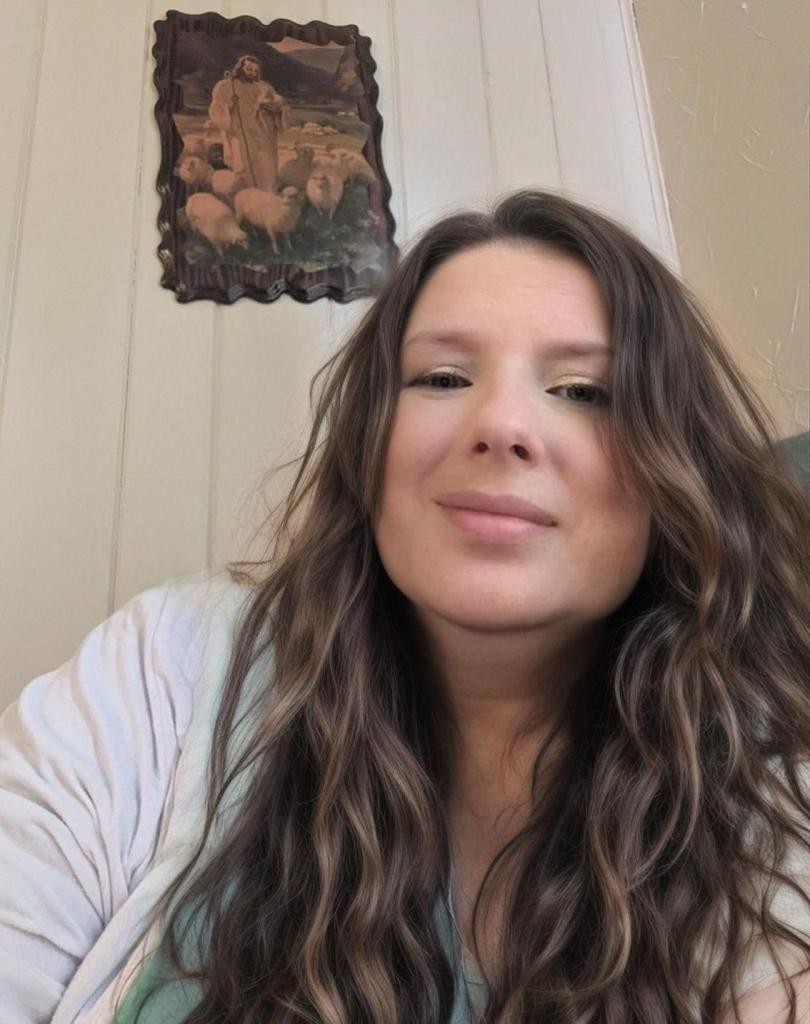
Interview with author Braylon Darnell Kelley

  1. Please introduce yourself so that the readers will get to know you better.

A1. Hello, my name is Braylon Darnell Kelley, a man of faith who stumbles daily. I am a husband to the most beautiful God-fearing woman with five beautiful children. I bring a bright smile and laughter into every room I may enter.

  1. What is the inspiration behind your book “But God”?

A2. The inspiration behind this book is full of pain and laughter. The definition of discipleship. But God is a true story about our son Zachariah a.k.a. Zach-e-Poo. The book is based on Zachariah’s walk with God through the darkest time of our family, God walked with us through the storm. The inspiration is to give hope to the hopeless and to other parents who may be at the bedside of the child wondering if will God come through for their child. For everyone in the world to know, God has the final word.

  1. When did you realize you want to be an author?

A3. I could truly say, that I never pictured myself being an author. God had plans that I never thought of. I knew I had a big responsibility to tell my son’s story and to bring Hope to others. I couldn’t sit on the sidelines and not be grateful for everyone that God has sent our way and everything that God has done to save our son. So I turned my pain into a beautiful work of art.

  1. Please tell us something about your book “But God”?

A4. But God is all about the storm we went through in 2023. God has the final word in every situation. This book is based on true events that have happened to our son Zachariah and the battle children may be going through. This book is a testimony to show the world not just what God has done for our child but the battles that every child deals with when it comes to doing good or doing bad. Children must know God has your best interests in his hands. Just reach your hand out to him and watch him grab your hand and walk with you on your journey.

  1. For which age group is your book “But God” suitable for?

A5. This beautiful book is for all ages, including the parents. To have a chance to have a conversation with the children about faith and the triumph spirit of God.

  1. What is your favorite Quote?

A6. “So do not fear, for I am with you; do not be dismayed, for I am your God. I will strengthen you and help you; I will uphold you with my righteous right hand.”

‭‭Isaiah‬ ‭41‬:‭10‬ ‭NIV‬‬

  1. What do you like the most about your country?

A7. The United States is the home of opportunity. With those opportunities comes responsibility. Responsibility to love our neighbor, to put God first, and to take every opportunity like it is your last. It’s not enough words that can’t describe how great we are as a country if we just love one another as ourselves.

  1. What suggestion do you want to give to parents of little readers regarding a reading habit?

A8. Being able to read and understand what you’re reading is the key to unlocking the world for your children. So give your children good habits and all the keys so they may be able to unlock the world.

  1. What does literary success look like to you?

A9. literary success is not just obtaining a piece of paper or a degree. It is being able to uplift and give wisdom to others. Helping people and the generations to come. Loving everyone you come in contact with. Being light for others in good times and bad. Be more Christ-like every day. Yes, it’s a slow process but it’s worth everything.

  1. Lastly, who is your inspiration in life and why?

A10. My inspirations in life are my lovely wife and children. But it’s bigger than them. Watching every parent who is struggling with a diagnosis of a sick child that they love. The people on the streets who do not have a home in the greatest country in the world. Those are a few of the inspirations of my life, and I bear them on the cross that I carry daily to try to help. But I always reflect on my Family and know the shared responsibility I have for them. I must lay my life down for them as Christ has done for everyone.

Buy Book

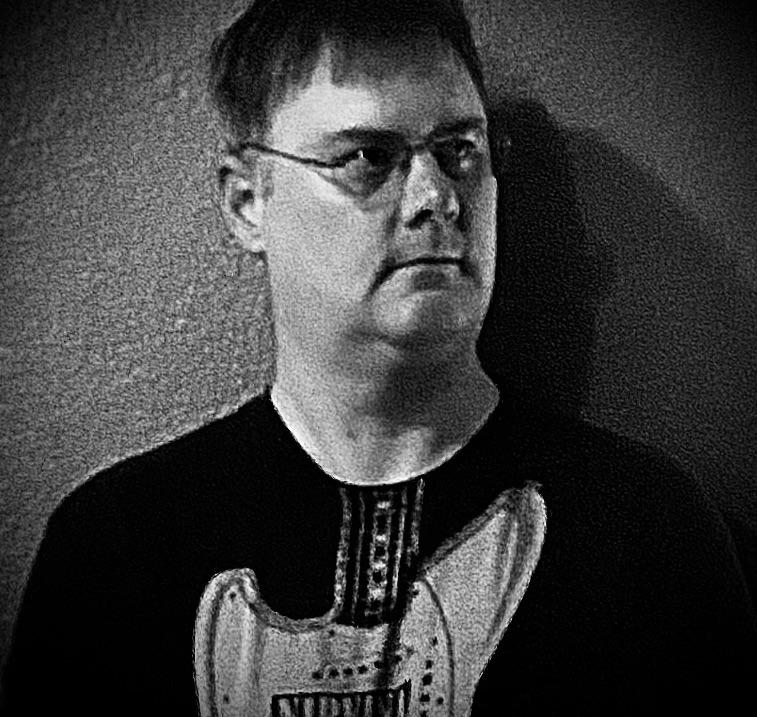
Interview with author Travis Walcott

  1. Please introduce yourself so that the readers will get to know you better.

A1. My name is Travis Walcott, and I am a passionate new author dedicated to inspiring readers of all ages, especially children. I am currently an elementary school teacher, so working with and teaching children aligns with my vision. I’m on a mission to create stories that not only entertain but also educate and inspire. I believe books are a gateway to understanding the world and ourselves, and I am committed to spreading my work to as many readers as possible.

  1. What is the inspiration behind your book “Clumsy Clarence”?

A2. I always wanted to write a children’s book, but it was always hard to come up with an idea for what I wanted to write. I did know, however, that I wanted to deliver a positive message in a way that children can understand and relate to. The idea for this book finally came to me when I had a student who had a few clumsy moments, but she always tried her best. It was great to see that although she made a few mistakes, she never gave up. I wanted more children to understand that mistakes are okay and mistakes are proof that you are trying. Also, I wanted to deliver the message of perseverance, self-confidence, love and care to readers of all ages. In addition, being a Black male, I wanted other black boys and girls to see me and know that they can achieve the same thing and more.

  1. When did you realize you want to be an author?

A3. I always had a passion to write and create stories, but I never actually imagined becoming an author. The thought of publishing a book came to me around 2018 when I finally realized that I wanted to get my stories out to the world. I thought it would be amazing and rewarding to finally have my stories come to life. Having children all over the world read my book is a great feeling to have, and an even better feeling seeing my students read it and see that their teacher was able to write a book!

  1. Please tell us something about your book “Clumsy Clarence”?

A4. This book “Clumsy Clarence” was written for readers of all ages to inspire and motivate them to be their best selves. I see Clarence as a younger version of myself. I wanted this story to resonate with readers so that it can be a fun reading experience.

  1. For which age group is your book “Clumsy Clarence” suitable for?

A5. 5 and up

  1. What is your favorite Quote?

A6. One of my favorite quotes is actually from a well known author named Dr. Seuss. The quote is “The more that you read, the more you will know. The more that you learn, the more places you will go.” This quote resonates with me because reading opens so many doors for you, and you can do/become anything that you want to be.

  1. What do you like the most about your country?

A7. I like the fact that libraries are available to everyone and that there is a safe, quiet place to respect books and reading.

  1. What suggestion do you want to give to parents of little readers regarding a reading habit?

A8. I would suggest that they have their readers explore different kinds of books to build their interests. Building an interest will encourage them to read more books on a topic they would enjoy. I also suggest plugging in some time daily to read for a bit. Reading bedtime stories with your child will also increase the habit of reading.

  1. What does literary success look like to you?

A9. Literary success to me can be a number of things, but the top aspects are commercial success, the impact my book has on readers, building a community with people who want to share or relate to my stories, longevity, and the impact it can have on students educationally. Lastly and most importantly, it would give me a sense of personal fulfillment that I was to achieve something like this.

  1. Lastly, who is your inspiration in life and why?

A10. My inspiration is my one year old son who I do everything for. When he’s older, I want him to see all the accomplishments that I was able to achieve so that he can be inspired by what I do. I hope that he’s able to pursue his dreams like I was able to. I want to create a legacy for him as well along with any future children I may have.

Buy Clumsy Clarence on Amazon

Interview with author Jason Atwood

Q1. Hello, can you please introduce yourself? Readers would love to know more about you.
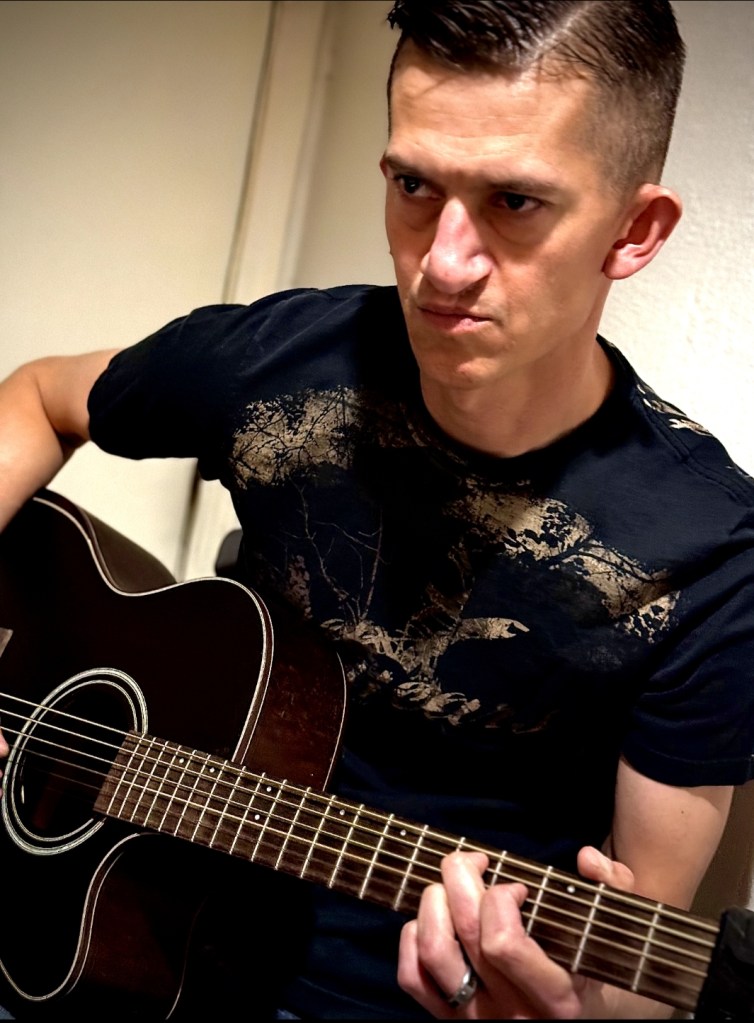
A1. My name is Jason Atwood. I’m the CEO and co-founder of Drop-In Gaming, an online gaming platform. Beyond my entrepreneurial ventures, I’m passionate about leadership, building strong relationships, and creating opportunities in industries I believe in. I have been married almost 20 years and have two beautiful teenage girls. I wrote Staying Alive as a reflection of the challenges I’ve faced in my career and life, including pivotal moments that reshaped my goals and mindset.

Q2. What were the key challenges you faced while writing your book “Staying Alive”?

A2. Writing Staying Alive required revisiting some deeply personal and challenging experiences, including my time at the Vegas mass shooting. Balancing vulnerability with purpose was difficult, as I wanted to share meaningful lessons while ensuring readers could connect with my story. Another challenge was carving out time to write while managing my professional responsibilities.

Q3. What books or authors have most influenced your own writing?

A3. I’ve always admired authors who write with authenticity and purpose, such as Simon Sinek, whose work on leadership and inspiration has influenced me. I also draw inspiration from stories of resilience and triumph, like Shoe Dog by Phil Knight, which captures the highs and lows of building a business. My guilty pleasure is found with any books by Terry Brooks and James Swain.

Q4. What’s your favorite spot to visit in your own country? And what makes it so special to you?

A4. One of my favorite spots is Silver Falls State Park in Oregon. It’s a place where I can disconnect from the daily grind, explore incredible hiking trails, and reconnect with nature. The tranquility and beauty of the waterfalls make it a meaningful escape that refreshes my perspective. Even though I have had a traumatic experience there, I have a huge passion for poker so I spend a lot of time traveling to Vegas.

Q5. What inspired you to write the book ‘Staying Alive’?

A5. The inspiration came from a life-changing experience at the Vegas mass shooting, which shifted my perspective on life and purpose. It made me realize how fragile life is and pushed me to share my journey of overcoming adversity, redefining goals, and staying resilient no matter the circumstances.

Q6. How long did it take you to write your book ‘Staying Alive’?

A6. I wrote an outline of a book after my second stint in Prudhoe Bay Alaska, and after many other incidents took place I finally decided during Covid to write it. It took me about a year to complete Staying Alive. The process involved reflecting on my experiences, organizing my thoughts, and rewriting sections to ensure my message was impactful and clear.

Q7. On what platforms can readers buy your books?

A7. Readers can find Staying Alive on platforms like Amazon and Barnes & Noble. I’m also working to make it available in select bookstores.

Q8. Tell us about the process of coming up with the book cover and the title ‘Staying Alive’?

A8. The title Staying Alive emerged from my experience of surviving life’s toughest moments—literally and figuratively—and the decision to keep pushing forward. The book cover reflects both resilience and a sense of hope, combining simplicity with strength to resonate with readers on their own journeys.

Q9. When writing a book how do you keep things fresh, for both your readers and also yourself?

A9. I focus on storytelling—sharing real, raw experiences while offering lessons and insights that readers can apply to their own lives. To keep things fresh, I step away from the work occasionally and draw inspiration from new experiences or reflections that add depth to the narrative.

Q10. What is the most valuable piece of advice you’ve been given about writing?

A10. The best advice I received was, “Write as if you’re having a conversation with one person.” It reminded me to be authentic, approachable, and clear, allowing readers to feel as though I’m speaking directly to them.

Staying Alive on Amazon

Interview with author Cathy Rehfus Wilsek

Q1. Hello, can you please introduce yourself? Readers would love to know more about you.

A1. I’m Dr. Cathy Rehfus-Wilsek, an author, global academic physician, and lifelong lover of stories that transport readers to new worlds. I’m drawn to books with rich backstories and vibrant cultures—stories that don’t just tell a tale but invite readers to experience the world within them. That love influences my own writing, particularly in The Boven Naturals series, where themes of growth, connection, and diversity are central to the story. Food naturally finds its way into my books, not because it’s decorative, but because it reflects how we celebrate who we are and find common ground. Just as in real life, shared meals and traditions allow my characters to connect, build trust, and forge lasting bonds, even when their paths are challenging.

Q2. What were the key challenges you faced while writing your book The Boven Naturals: Secrets of Zephyria?

A2. Writing Secrets of Zephyria was a journey in itself. One of the biggest challenges was crafting a sequel that not only built on the foundations of the first book but also set the stage for the rest of the series. Books 2 through 6 will each focus on one central character’s growth, and in this book, Paigé takes the spotlight. It was challenging to allow her story to develop organically while naturally leaving other characters in the background. This focus was necessary, but it required careful balancing to ensure the broader narrative remained cohesive. Allowing the story to unfold naturally brought its share of surprises, which were both rewarding and demanding. Ultimately, focusing deeply on one character while maintaining the larger arc made this book incredibly fulfilling to write.

Q3. What books or authors have most influenced your own writing?

A3. My influences include some of the great masters of fantasy—J.R.R. Tolkien, Robert Jordan, Brandon Sanderson, and George R.R. Martin. From Tolkien, I learned the power of immersive worlds steeped in history and meaning. Robert Jordan taught me how to layer intricate storylines and characters so they feel alive and interconnected. Sanderson’s innovative magic systems inspire me to push boundaries and think creatively, and Martin’s morally complex, politically charged characters remind me that real growth often emerges from embracing both light and shadow. These authors have profoundly shaped my understanding of storytelling and world-building, and I strive to bring that same depth and authenticity to my own work.

Q4. What’s your favourite spot to visit in your own country? And what makes it so special to you?

A4. My favorite place is Disney, a place that holds an eternal connection to my daughter, Paigé, who passed away from leukemia at age nine in 1997. Disney was her happy place, where her imagination and joy came alive, and it became a space where we could escape into magical worlds together. For me, visiting Disney is a way to honor her memory and reconnect with the magic she saw in life.
Disney also shaped my understanding of storytelling—it’s where I realized that “happily ever after” doesn’t always make a tale better. Sometimes, the most meaningful stories are those filled with challenges, loss, and bittersweet triumphs. These are the stories that stay with us, that shape who we are, and that remind us of the beauty in perseverance. That philosophy has become a cornerstone of my writing, where I strive to weave together magic, authenticity, and emotional truth.

Q5. What inspired you to write the book The Boven Naturals: Secrets of Zephyria?

A5. The inspiration came from a deep fascination with how diversity, even when it creates tension, can ultimately become a source of strength. In The Boven Naturals series, the five species all share a common ancestor, yet their differences—be it in abilities, perspectives, or experiences—are what drive the story forward and make them stronger together. This reflects what I’ve observed in life: that growth happens when we embrace what makes us unique and learn from one another.

On a personal level, my experiences in global health taught me the transformative power of collaboration. Every culture carries traditions, values, and strengths that, when shared, foster resilience and understanding. That philosophy is at the core of the series—an exploration of how unity magnifies individuality, and how even the most distinct paths can converge toward something greater.

Q6. How long did it take you to write your book The Boven Naturals: Secrets of Zephyria?

A6. The first draft came together quickly, flowing naturally from the foundation laid in Book 1. It took about two months to write as I filled in gaps and pushed the series forward. However, the editing process was far more intensive. I worked with a professional developmental editor over the course of six months to refine the narrative, deepen the characters, and enrich the world-building. That collaboration was invaluable in ensuring the story felt cohesive, meaningful, and ready to set the stage for the rest of the series.

Q7. On what platforms can readers buy your books?

A7. The Boven Naturals: Secrets of Zephyria will soon be available on Amazon, Barnes & Noble, and directly from my publisher at Kendall Hunt. Readers can choose from both paperback and eBook formats. For updates on availability, you can also visit my website at bovennaturals.com.

Q8. Tell us about the process of coming up with the book cover and the title The Boven Naturals: Secrets of Zephyria.

A8. The title reflects the central quest of the story: the search for the Ankh of Zephyria, the first of the Shadow Ankhs the five central characters are prophesied to find. Their journey takes them between two worlds—the Boven Naturalsuniverse, where they live, and our realm, where the Ankh is hidden.

The book cover symbolizes this duality. It combines elements of the magical Boven Naturals universe with our world, specifically St. Louis Cathedral in Jackson Square, New Orleans. The cathedral anchors the story in a recognizable setting while hinting at the magical and mysterious nature of the Shadow Ankhs. Since I wasn’t able to find a cover designer, I worked with various AI software tools to bring this vision to life. The result captures the essence of the story, inviting readers to explore the connection between the two worlds and the deeper truths yet to be uncovered.

Q9. When writing a book, how do you keep things fresh, for both your readers and also yourself?

A9. I let the story and characters evolve naturally. While I know the overarching arc of the series, I leave room for surprises—moments when characters reveal something unexpected or a twist emerges organically. That sense of discovery keeps the process exciting for me and ensures the story feels authentic for readers. The world of The Boven Naturals is also rich in detail and culture, offering endless opportunities to explore traditions, relationships, and challenges. Food, for instance, becomes a thread of connection and celebration, reflecting the beauty of diversity even in times of hardship.

Q10. What is the most valuable piece of advice you’ve been given about writing?

A10. I wasn’t necessarily given advice, but one of the most valuable lessons I’ve learned is to trust the story and let it unfold naturally. It’s easy to get caught up in striving for perfection or trying to control every plot point, but I’ve found that the most meaningful moments happen when I allow the characters to lead me. Writing, for me, is as much about discovery as it is about storytelling. Embracing that process has made my stories richer, my characters more authentic, and the journey itself far more rewarding.

Author’s Amazon page

Interview with author Ashr Gray

Q1. Hello, can you please introduce yourself? Readers would love to know more about you.

A1. My name is Ashr Gray and I am a Los Angeles based creative. I’m an artist and a songwriter, poet as well as the author of the spiritual process. I’m a father of 11 year old twin daughters. I’m a crew member at Trader Joe’s in Silverlake California and manager at Pathfiners, a recovery clubhouse where I also teach guided mantra meditations.

Q2. What were the key challenges you faced while writing your book “Way of the Conscious Creator”?

A2. The main challenge I faced was the amount of time that it’s taken to download the information and integrate it all into a working practice. This is something that slowly and organically has been manifesting since 2005.

Q3. What books or authors have most influenced your own writing?

A3. Throughout the years there’s been many books that have crossed my path that have influenced my thinking. There’s some recovery literature, some old esoteric texts, a course in miracles, the e-ching, law of success, ask and it is given. Then my own exploration into different yoga practices taught me about the use of mantras and breathing techniques. The main influence has been this intuitive interchange I’ve had with spiritual consciousness. I get this idea in my head and then do research on it and build up writing around it and then sculpt it and edit it like a piece of clay on a pottery wheel. After doing that for about 10 years all these elements started to fit together into the process introduced in this book. But at first I just had separate puzzle pieces. They didn’t necessarily fit into an order until I got far enough along with the practice and the awareness was able to show me how to lock them all together into workable form.

Q4. What’s your favourite spot to visit in your own country? And what makes it so special to you?

A4. I love to get out to the desert. Joshua Tree or even Palm Springs has very healing and calming energy. I also really love all the ocean. And then Idlewild in the mountains above Palm Springs is a very special place Anything with water, desert or mountains I’m into. Being a single father with two kids and two jobs, I don’t get to get away too much. So I really enjoy taking solace in the places that are close to me when I can get away for a minute.

Q5. What inspired you to write the book ‘Way of the Conscious Creator’?

A5. I had a sincere desire to be a consistent and loving presence in the lives of my daughters who I have loved more than anything in the world. I was having a lot of trouble staying sober in traditional 12-step recovery fellowships. I started to see that my problem was more mental. My own established thought patterns were limiting the access I had to the more authentic higher parts of myself, my spiritually aligned higher self. I couldn’t access the well-being that was within my spirit because those thought patterns were creating dysregulating emotions such as anxiety and depression. I prayed earnestly for a solution that would help me stabilize and become someone who could consistently move through the world with a sense of joy and wholeness that would sustain me in being a great father and the loving member of the community. And this process was the answer to my prayers.

Q6. How long did it take you to write your book ‘Way of the Conscious Creator’?

A6. There are three books in the way the conscious creator trilogy, the first book, covers the first three measures the process. It’s done and available for other people to engage. Book two, the second triad, is written but it just needs to be properly edited. That should be out in a couple months. And I’m currently living in the third triad, book 3. Which is 70% written but it’s going to have new sections added in that illustrate my current experience moving through cancer treatment and other things that I’ve done to continue to create space to release the past and move into wholeness and joy. That book will be out by the end of the year. But the workup of material for this has been going on since 2004. So I’ve been working on this for 20 years now.

Q7. On what platforms can readers buy your books?

A7. Presently the book is available on wholenessandjoy.com and selects book stores around Los angeles. I’m going to be putting it up on Amazon later this month.

Q8. Tell us about the process of coming up with the book cover and the title ‘Way of the Conscious Creator’?

A8. The geometrical symbol represents the process itself. I don’t want to get into too much of the detail with it because it’s something that each practitioner will become aware of as they move through the process. But the basic jist is that there are three triads and each triad is broken down into three measures. Each measure in the process supports the Fulfillment of a fundamental need that we all have a spiritual being having a human experience. And this process itself is built upon three fundamental principles of being which are awareness, desire and willingness. The green circle represents wisdom and the handshake represents the union or creative collaboration between spiritual and human consciousness.

Q9. When writing a book how do you keep things fresh, for both your readers and also yourself?

A9. I was intuitively guided through this process so I would go through periods of extreme production and inspiration followed by periods of confusion and apathy. There were times when the inspiration would come and I would be writing like a madman. And then I would spend a couple of years just reflecting on what I wrote. And then integrating those writings into my life. So it’s always been fresh but there were times that I needed to know when to back off and just live my life and enjoy my moments. This was not the kind of thing I could just like to hyper focus on like a drug or some sort of addiction. It needed to have room to breathe and it needed to have room to integrate into me and change me. After all, if this wasn’t something that served my deep-seated desires to evolve beyond survival mode then how on earth could I responsibly recommend it to anybody else?

Q10. What is the most valuable piece of advice you’ve been given about writing?

A10. Well I don’t know if it’s a piece of advice but it’s something that I’ve learned going through this process. There will be writing that you do for yourself, for your own understanding, for your own evolution as a human being and as a creator. You might even put some of that writing out and make it commercial. But ultimately that writing was mainly for you and your own understanding. But then there will come a time that you do shift gears and put the emphasis on trying to gear your writing towards an audience. Then your writing will be focused on relatability, and bringing people into something that they can understand and benefit from as well.

Book is available here

Interview with author Gary Bolick

Q1. Hello, can you please introduce yourself? Readers would love to know more about you.

A1. I am a native of North Carolina. I left to live and study in Paris and Dijon, France before graduating from Wake Forest. It was at Wake I had the honor and privilege of studying under and being mentored by Germaine Bree‒amazing woman and scholar.

Q2. What were the key challenges you faced while writing your book “Store In A Cool, Dry Place”?

A2. Mixing and matching ideas and concepts found in mythology, quantum physics, poetry and interpersonal, or if you will‒romantic‒relationships. Risk, betrayal, loss and redemption are always keys to developing a story that will hopefully draw in, hold, inform and then treat the reader to a story that will affect them emotionally, spiritually and perhaps leave them asking him/herself new questions about their own lives.

Q3. What books or authors have most influenced your own writing?

A3. In particular for this novel Carl Jung and his work: “Psychology and Alchemy.” His ground-breaking work on the collective unconscious informs much in this novel. William Faulkner is a huge influence. His approach in developing the narrative, wherein the reader is the participant who can put all the pieces through carefully crafted inferences and suggestions made by the writer, has always been a driving force in my writing. Marcel Proust and Gustave Flaubert and their approaches also show up as influences. Proust in his use of “time” as active participant. Flaubert in the character of Fanny Driscoll. Hopefully the reader will see the strength, beauty and resilience of Emma Bovary in her.

Q4. What’s your favourite spot to visit in your own country? And what makes it so special to you?

A4. In North Carolina it’s the mountains. I spent a lot of time in Boone growing up. Outside of NC I would have to say one place: Monument Valley in Arizona and Utah. There is no more “spiritual” place in the world.

Q5. What inspired you to write the book ‘Store In A Cool, Dry Place’?

A5. With all my work there is a recurring image that apparently is bubbly up from my unconscious. The image pesters me until I start looking into why I am “seeing” it so much. There were two such images for this book. One was of a young girl out on the beach looking for shells who is drawn to one in particular‒the chambered nautilus. The other was of a professor on sabbatical in the mountains who receives a telegram in 2017. As it turns out the two images were intimately connected and created an organic supercomputer under Black Mountain, NC.

Q6. How long did it take you to write your book ‘Store In A Cool, Dry Place’?

A6. From start to finish including rewrites and working with my editor at Solstice about two years.

Q7. On what platforms can readers buy your books?

A7. Amazon If you go to my website: garybolick.com you will find a description of the novel and an easy link to buy it.

Q8. Tell us about the process of coming up with the book cover and the title ‘Store In A Cool, Dry Place’?

A8. When I discovered the photo that was used, I had the odd feeling that I was a character in my own book. It was as though Nautilus the organic supercomputer had directed me to it‒it was perfect.

Q9. When writing a book how do you keep things fresh, for both your readers and also yourself?

A9. Rule one and the one that is perhaps true for all writers is: If I don’t like it, then no one else will. From there you can take a step back and resolve any potential problems and issues, but always within the confines of: I have to like it first. If I don’t like it, then how in the heck can I expect the reader to fall in love with it.

Q10. What is the most valuable piece of advice you’ve been given about writing?

A10. Discipline yourself to write on a regular schedule, then when you sit down and start: Don’t get it right, just write. Two sides of the same coin. The discipline allows you to go into a sort of meditative state wherein as you start free-associating‒writing whatever chooses to come into your head‒ideas flow freely. When you go back, to rewrite, then it is much easier to throw away obvious misfires or be pleasantly surprised when you discover that a nugget of gold has surfaced.

Buy Store in a Cool, Dry Place on Amazon

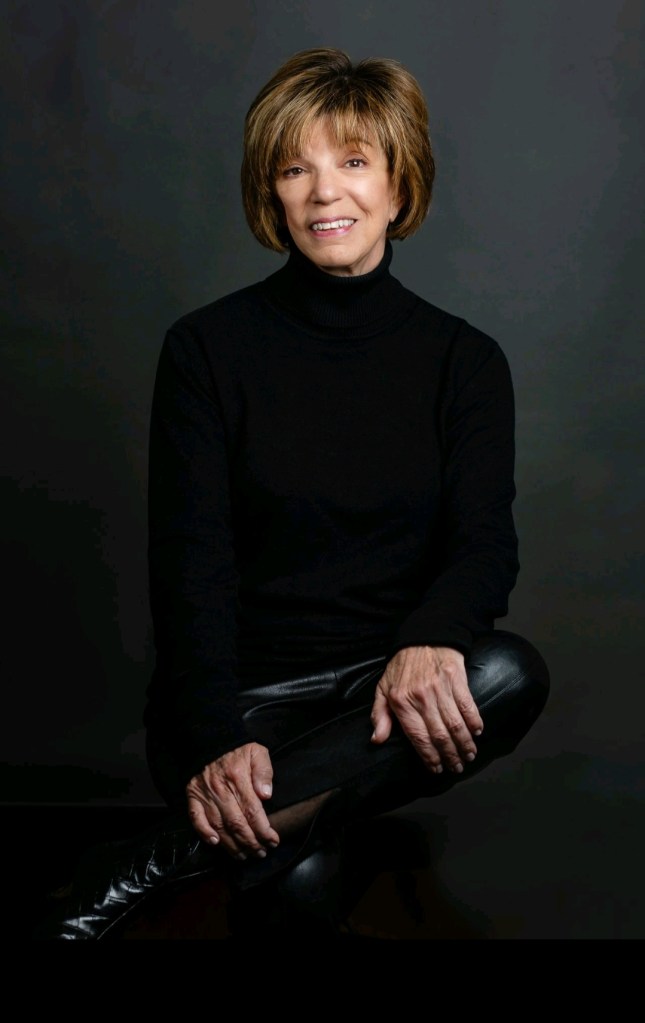
Interview with author Polly Richards

Q1. Please introduce yourself so that the readers will get to know you better.

A1. My name is Polly Richards. I’m a retired professional, avid gardener, and now a children’s book author. Gardening has always been a deep passion of mine, inspired by my early years in my great aunt’s English-style garden in Chicago. Through my writing, I aim to connect children with the joys of nature, teach them about the importance of stewardship, and encourage healthier, more sustainable living.

Q2. What is the inspiration behind your book “Adele and the Whispering Garden”?

A2. The inspiration came from my love of gardening and the lessons it has taught me about patience, nurturing, and interconnectedness. I wanted to create a magical story that would inspire children to connect with nature and see the beauty and life within a garden. My fond memories of neighbors like John and Vicki Denning, who were incredible gardeners, also shaped the narrative.

Q3. When did you realize you want to be an author?

A3. I’ve wanted to write a book since high school, but the idea for ‘Adele and the Whispering Garden’ came to me when I decided to finally pursue writing seriously. It was a moment when I realized I had a story to share that combined my passions for gardening, storytelling, and inspiring children.

Q4. Please tell us something about your book “Adele and the Whispering Garden”

A4. “Adele and the Whispering Garden” is a magical story about a young girl who moves into a new home and discovers a neglected garden on the property. What drives her to care for the garden is Albert, a stone gnome who magically comes to life. As Adele tends to the garden, she realizes the plants can talk—and they have important lessons to share about gardening, caring for the earth, and even herself. The story is brought to life through beautiful illustrations that transition from black and white to vibrant color, symbolizing Adele’s journey of growth and connection.

Q5. For which age group is your book “Adele and the Whispering Garden” suitable for?

A5. It’s perfect for children ages 6–13, though I’ve found that parents and teachers also enjoy the story’s message about gardening and sustainability.

Q6. What is your favorite quote?

A6. “Though the problems of the world are increasingly complex, the solutions remain embarrassingly simple.” — Bill Mollison. It reflects my belief in the simplicity and power of nature to heal and sustain us.

Q7. What do you like the most about your country?

A7. I love the freedom. It’s like no other country in the world and is the very reason my family immigrated here from Ireland. The opportunities and liberties we enjoy are truly unique, and I feel deeply grateful for them.

Q8. What suggestion do you want to give to parents of little readers regarding a reading habit?

A8. Make reading a shared experience. Read with your children, discuss the stories, and connect them to their lives. For example, after reading “Adele and the Whispering Garden”, you could start a small garden together. It’s a great way to bond and nurture a love of both reading and the natural world.

Q9. What does literary success look like to you?

A9. Literary success to me is seeing children and adults connect with my book. When they notice that the black-and-white illustrations transform into vibrant color as the magic grows and the garden flourishes under loving care, I think, “Yes! They got it!” Seeing classrooms use my book as part of their curriculum—where it’s a reading group choice, science lessons teach botany, and art classes design gardens—would be a dream come true. Success, to me, means sparking change and inspiring both children and adults to embrace the messages in the book, even if that change is gradual.

Q10. Lastly, who is your inspiration in life and why?

A10. My late niece, Katelyn Kelly, or “Kiki,” is my greatest inspiration. She passed away unexpectedly from a brain aneurysm, leaving my family devastated. However, what I have learned about her since her passing has deeply inspired me—her acceptance of others, her nonjudgmental nature, her willingness to listen, and her zest for life. She had this incredible ability to impact people in profoundly positive ways. Her parents, Sue and David, and her sister, Marisa, are also sources of inspiration. Despite their immense loss, they face each day with courage and continue to share Kiki’s love and passion with the world. They embody resilience and love, and I strive to carry forward Kiki’s vibrant spirit in my work and life.

Buy Adele and the Whispering Garden on Amazon

Interview with author Sharon Fredrickson

Q1. Please introduce yourself so that the readers will get to know you better.

A1. My name is Sharon Fredrickson, and I write under the pen name Polly Richards. I’m a retired professional, avid gardener, and now a children’s book author. Gardening has always been a deep passion of mine, inspired by my early years in my great aunt’s English-style garden in Chicago. Through my writing, I aim to connect children with the joys of nature, teach them about the importance of stewardship, and encourage healthier, more sustainable living.

Q2. What is the inspiration behind your book “Adele and the Whispering Garden”?

A2. The inspiration came from my love of gardening and the lessons it has taught me about patience, nurturing, and interconnectedness. I wanted to create a magical story that would inspire children to connect with nature and see the beauty and life within a garden. My fond memories of neighbors like John and Vicki Denning, who were incredible gardeners, also shaped the narrative.

Q3. When did you realize you want to be an author?

A3. I’ve wanted to write a book since high school, but the idea for ‘Adele and the Whispering Garden’ came to me when I decided to finally pursue writing seriously. It was a moment when I realized I had a story to share that combined my passions for gardening, storytelling, and inspiring children.

Q4. Please tell us something about your book “Adele and the Whispering Garden”

A4. “Adele and the Whispering Garden” is a magical story about a young girl who moves into a new home and discovers a neglected garden on the property. What drives her to care for the garden is Albert, a stone gnome who magically comes to life. As Adele tends to the garden, she realizes the plants can talk—and they have important lessons to share about gardening, caring for the earth, and even herself. The story is brought to life through beautiful illustrations that transition from black and white to vibrant color, symbolizing Adele’s journey of growth and connection.

Q5. For which age group is your book “Adele and the Whispering Garden” suitable for?

A5. It’s perfect for children ages 6–13, though I’ve found that parents and teachers also enjoy the story’s message about gardening and sustainability.

Q6. What is your favorite quote?

A6. “Though the problems of the world are increasingly complex, the solutions remain embarrassingly simple.” — Bill Mollison. It reflects my belief in the simplicity and power of nature to heal and sustain us.

Q7. What do you like the most about your country?

A7. I love the freedom. It’s like no other country in the world and is the very reason my family immigrated here from Ireland. The opportunities and liberties we enjoy are truly unique, and I feel deeply grateful for them.

Q8. What suggestion do you want to give to parents of little readers regarding a reading habit?

A8. Make reading a shared experience. Read with your children, discuss the stories, and connect them to their lives. For example, after reading “Adele and the Whispering Garden”, you could start a small garden together. It’s a great way to bond and nurture a love of both reading and the natural world.

Q9. What does literary success look like to you?

A9. Literary success to me is seeing children and adults connect with my book. When they notice that the black-and-white illustrations transform into vibrant color as the magic grows and the garden flourishes under loving care, I think, “Yes! They got it!” Seeing classrooms use my book as part of their curriculum—where it’s a reading group choice, science lessons teach botany, and art classes design gardens—would be a dream come true. Success, to me, means sparking change and inspiring both children and adults to embrace the messages in the book, even if that change is gradual.

Q10. Lastly, who is your inspiration in life and why?

A10. My late niece, Katelyn Kelly, or “Kiki,” is my greatest inspiration. She passed away unexpectedly from a brain aneurysm, leaving my family devastated. However, what I have learned about her since her passing has deeply inspired me—her acceptance of others, her nonjudgmental nature, her willingness to listen, and her zest for life. She had this incredible ability to impact people in profoundly positive ways. Her parents, Sue and David, and her sister, Marisa, are also sources of inspiration. Despite their immense loss, they face each day with courage and continue to share Kiki’s love and passion with the world. They embody resilience and love, and I strive to carry forward Kiki’s vibrant spirit in my work and life.

Buy Adele and the Whispering Garden on Amazon

Interview with author Kody Roby

Q1. Hello, can you please introduce yourself? Readers would love to know more about you.

A1. Hello everybody reading, my name is Kody Roby, I am a 23 year old science fiction writer from Stafford, Brisbane, Australia. In my spare time I am a musician and songwriter on Youtube, Making awesome stuff is my life and always will be.

Q2. What were the key challenges you faced while writing your book “Dead Man’s Detail”?

A2. Writing Dead Man’s Detail had many challenges, but most of all was the dialogue between Alistair and Edgar, both are well educated men and neither are shy about saying harsh things to one another and actively choosing to be cruel or vicious with words is not my standard practice, so it took some time to get used to.

Q3. What books or authors have most influenced your own writing?

A3. C.S Lewis is a massive inspiration, the way in which he introduces theological and metaphysical questioning to the reader is so important. I am an enormous fan of giving as much as I can contextually in my stories but never really pushing an agenda or a point, that is for the audience to decide, not for me to grandstand.

Q4. What’s your favourite spot to visit in your own country? And what makes it so special to you?

A4. My best friend, the brilliant Mr Moss introduced me to Daisy Hill Koala Sanctuary and never have I experienced such calm and peace as walking around the bush and spectating those little grey cuties eating leaves and sleeping in their branches.

Q5. What inspired you to write the book ‘Dead Man’s Detail’?

A5. I love monsters, big time. But something about people who write monster stories is they become far too obsessed in one direction, too much monsters or not enough. Too far in either direction can lead to shlock or quite camp narratives. My entire intention behind Dead Man’s Detail was to ground a world where monsters exist and the men who fight them take it very seriously. The backdrop being post WW1 helps kept me earnest and realistic with telling this tale.

Q6. How long did it take you to write your book ‘Dead Man’s Detail’?

A6. 70 Days, for 70 Days I wrote 1000 words, every day. And before I wrote my next 1000 words I would edit the day’s previous work. Can’t recommend it enough, what a wild 70 days it was.

Q7. On what platforms can readers buy your books?

A7. Currently only Amazon, but that is subject to change once printed copies become available and the audiobook is finished production.

Q8. Tell us about the process of coming up with the book cover and the title ‘Dead Man’s Detail’?

A8. The title is titular to the story as ‘Dead Man’s Detail’ was the first spark of inspiration for the complex web of plot points I had to come up with. The art was concocted by the brilliant artist manu.dilo on instagram after I explained the premise he offered up the incredible visual we see today.

Q9. When writing a book how do you keep things fresh, for both your readers and also yourself?

A9. Always follow the feeling, if there is a hint of an emotion boiling under a scene, peel everything else away and follow the feeling. I found in my editing that a scene felt bland because the characters were talking but not listening to one another, then upon the re-read, I would find the emotion and rewrite their conversations with that emotion on display at the core of the scene, always left me very ecstatic afterwards.

Q10. What is the most valuable piece of advice you’ve been given about writing?

A10. Show up.

Buy Dead Man’s Detail on Amazon

Interview with author Stephanie C. Watterson

  1. Please introduce yourself so that the readers will get to know you better.

A1. My name is Stephanie C. Watterson. I am a biracial author and editor, specializing in neurodivergent/disabled children’s stories. I am the author of Septopus. A couple fun facts about me: my favourite colour is marigold yellow, I’m adopted and I can’t live without something soft.

  1. What is the inspiration behind your book “Septopus”?

A2. While travelling to Cuba (my first big trip overseas) I visited the beach and watched a gorgeous pelican drop down and collect fish from the water. Shortly after that, I wrote out my first draft of Septopus in my journal. Over the years it has transformed into a different version, but the themes are still the same.

  1. When did you realize you want to be an author?

A3. Good question. I never thought I would make money as an author. It was actually my then boyfriend (now husband) who asked me early in our relationship what I would do if I didn’t have to worry about income. That idea transfixed me, eventually I took a couple programs in publishing and editing as a result I knew I was home. I think as a child, I loved books and words, but being an adult helped me realize I am capable.

  1. Please tell us something about your book “Septopus”?

A4. Septopus is a story about a seven-tentacled octopus. The fantastic Doha Koma illustrated the pictures, and this is my first children’s book. There might be more coming, just wait!

  1. For which age group is your book “Septopus” suitable for?

A5. 4-8 years, but anyone who is open-minded and up for an ocean adventure.

  1. What is your favorite Quote?

A6. Do you mean my favorite quote of the book? Or in general? My favorite quote from a children’s book is from Where the Wild Things Are “Let the wild rumpus start!”. I seem to remember that always prompted a fit of silly dance moves between my sister and I as well as our parents during the reading of the book. My favorite quote in general is “You are a child of the universe no less than the trees and the stars; you have a right to be here.” from the poem Desiderata. (It was written over a 100 years ago.)

  1. What do you like the most about your country?

A7. The nature here is spectacular. I live on an island; any way I walk I am always near the beach. And failing the beach, I can find a forest to roam in.

  1. What suggestion do you want to give to parents of little readers regarding a reading habit?

A8. Let them pick the books they want to read. Read them everything with them. Encourage them to think about what something looks like in their minds more than trying to sound it out.

  1. What does literary success look like to you?

A9. Being able to make a difference in other people’s lives. To leave a legacy. To make sure the next generation coming up has the tools and openness to carry on being open-minded. And hearing that my book makes another person feel loved and like they have learned something.

  1. Lastly, who is your inspiration in life and why?

A10. People who aren’t afraid to try new things like smashing a stereotype. People who did what they wanted and weren’t afraid of. People who lead with love and forget the hate. People who take what they have and make their madness into magic (and with sparkle!).

Buy Septopus on Amazon

Design a site like this with WordPress.com
Get started