Q1. Hello, can you please introduce yourself? Readers would love to know more about you.
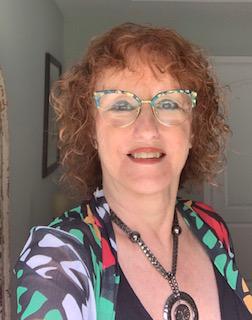
A1. I’m Carole Sanek—author, grief coach, storyteller, and woman who’s walked through fire more than once and came out wearing butterfly wings. My writing is deeply personal, often raw, and always real. I believe in the power of truth-telling, even when it shakes the ground. I live in South Carolina with my redheaded dog, Rosie, who makes frequent appearances in my work and my heart. The Unforgiven Walk Alone is Part 1 of a four-memoir series moving from trauma to healing.
Q2. What were the key challenges you faced while writing your book The Unforgiven Walk Alone?
A2. The biggest challenge was walking through the pain as I wrote it. This wasn’t fiction—it was my life. Revisiting past trauma wasn’t easy. There were days I could only write a few lines before breaking down. But I kept going, because I knew there were readers out there who needed to know they’re not alone in their heartbreak.
Q3. What books or authors have most influenced your own writing?
A3. Cheryl Strayed, Joan Didion, and Glennon Doyle—women who write with open wounds and open hearts. They permitted me to show up messy, to be vulnerable on the page, and to write stories that don’t tie up with a neat bow.
Q4. What’s your favourite spot to visit in your own country? And what makes it so special to you?
A4. Station Cove Falls in South Carolina. It’s a quiet little hike through wildflowers and woods that leads to a waterfall—simple, sacred, and soul-soothing. It’s where I go when I need to breathe deeper and remember who I am.
Q5. What inspired you to write the book The Unforgiven Walk Alone?
A5. I wanted to tell the truth about what it means to break, especially when the people around you would rather pretend everything’s fine. I wrote it for anyone who’s ever been judged for surviving. For anyone who’s ever walked away from what was killing them, and then had to explain why.
Q6. How long did it take you to write your book The Unforgiven Walk Alone?
A6. It took years, but not all of them were writing years. Some were healing years, hiding years, finding-my-voice-again years. When I finally sat down and committed to telling the story, it came out in waves. The truth doesn’t rush, but it always arrives.
Q7. On what platforms can readers buy your books?
A7. Readers can find The Unforgiven Walk Alone on Amazon @https://www.amazon.com/author/carolesanek You’ll also find it promoted across Instagram, Substack, on BookBub, or you can follow me on http://www.linktr.ee.com/carole869
Q8. Tell us about the process of coming up with the book cover and the title The Unforgiven Walk Alone.
A8. The title came first—it was a truth I couldn’t shake. When you leave people who never forgave you for being human, you walk alone… but you walk free. The cover evolved to reflect the loneliness and strength of that walk. I didn’t want pretty—I wanted powerful.
Q9. When writing a book how do you keep things fresh, for both your readers and also yourself?
A9. I write like I’m having a hard conversation with someone I love. That keeps me honest. I don’t chase trends—I chase truth. And I let the story lead, even when it surprises me or scares me.
Q10. What is the most valuable piece of advice you’ve been given about writing?
A10. Tell my story, tell your story even if your voice shakes, especially if it does. The stories that scare you the most are the ones someone out there needs the most.
Buy book on Amazon