Interview with author True North

Q1. Hello, can you please introduce yourself? Readers would love to know more about you.

A1. I approach life with curiosity. I’m a lifelong learner, deeply connected to the rhythm of nature, the whisperings of my soul, and the people I am blessed to love in my life. I am an adventurer at heart, not afraid to take risks (perhaps, because I was allowed to climb trees, wade in creeks, and sit on the roof as a kid). I’ve learned that when fear buddies up to me, it’s there as a friend, not an enemy, to be shushed. It’s asking, why is this uncomfortable? What here wants to stretch, to grow, to be more aligned ?

Q2. What were the key challenges you faced while writing your book “Anasazi Vision”?

A2. The book was written in two phases, years apart. The original draft was written immediately following my vision quest. It came by way of nightly excursions INTO the story where I interacted with the characters and landscape. I BECAME a character WITHIN it night after night for seven weeks. By day, for those seven weeks, a “voice” dictated what I had experienced the night before, and Anasazi Vision became that experience. Then, in 2024, I rewrote the story, and it became what it is today. In the years between the first draft and the rewrite, I lived experiences that ripened the emotional fabric of the story. Remember, most of Anasazi Vision is fiction. It was the “voice” that originally wove experiences from my life into the story, and the rewrite gave them lungs and breath. As for my challenge? It was resisting putting too much of myself into the story, but that’s what it asked of me, and in hindsight, it is what makes the story the immersive, intimate, honest, and experiential journey it is.

Q3. The relationship between True and her mama is layered and nuanced. What did you want readers to understand about parent–child bonds through their connection?

A3. I believe in most cases, we need to give our parents a break. They did the best they could, given what they had to work with. No parent goes into parenthood thinking, “How can I screw up this kid?” In my case, my mama is a beautiful human; kind, thoughtful, and quite logical. She wasn’t tapped into her emotions, whereas I related to life through my senses. Adulthood (and unpacking and understanding my relationship with my mother with compassion and honesty) allowed me to see her with fresh eyes. We have high expectations of our parents. In truth, they are humans trying as best they can to raise another human. A little allowance goes a long way to heal our hearts… and theirs.

Q4. What’s your favourite spot to visit in your own country? And what makes it so special to you?

A4. I live in Oregon. In a word, it’s stunning. My favorite spot is Tryon Creek State Park. It is on the outskirts of Portland and is home to miles of forested hiking trails. This is where I am most at home, among the trees.

Q5. The Four Corners desert feels almost like a living entity in the book. What drew you to this landscape?

A5. I’ve spent time in Four Corners, have fished the San Juan River, and spent time at the ruins, so am very familiar with the desert. It is a quiet place that invites introspection. As far as the book goes, it is a metaphor of the internal desert True is navigating.

Q6. How long did it take you to write your book ‘Anasazi Vision’?

A6. The original draft took seven weeks. The rewrite took nine months.

Q7. On what platforms can readers buy your books?

A7. Currently, Anasazi Vision is available through Amazon and Books.by.

Q8. Did you envision a specific type of reader for Anasazi Vision, or did the story guide itself naturally?

A8. This is such a great question. I wrote the story because it asked to be written. Actually, it wouldn’t leave me alone, and it was the one thing I knew I needed to do before I left the planet. It’s always had a life of its own and has wanted to be in readers’ hands, in their hearts, and in their souls. It is finding its way to them — to the ones it belongs to, and that brings a special peace to my soul.

Q9. When writing a book, how do you keep things fresh, for both your readers and yourself?

A9. Anyone who knows me knows I have a close relationship with my spirit guides. That may be too woo for some people, but it is where I write from. See, words carry a vibration. A frequency lives between the actual words, and when I connect with my guides and write from the space where all exists, readers feel it. They may think they are connecting with the story, but in truth, they are connecting to the aspect of us that is shared. That’s why it feels so personal, so intimate, and transformative. I hope that answers your question.

Q10. What is the most valuable piece of advice you’ve been given about writing?

A10. Write to just one person, not ten thousand people.

Buy book on Amazon

The Bratinsky Affair

𝗕𝗼𝗼𝗸: The Bratinsky Affair 📚
𝗔𝘂𝘁𝗵𝗼𝗿: Jim Loughran ✍️
.
.

At the heart of the novel are two parallel narratives that gradually converge. One follows Tom O’Brien, a young journalist in 1970s County Wicklow, frustrated by the limitations of local reporting but driven by a strong sense of justice. His curiosity about corruption in the antiques and property trade pulls him into a dangerous world of intimidation, buried secrets, and unresolved violence from Ireland’s revolutionary past. Tom is a believable and sympathetic protagonist.

Running alongside this storyline is the haunting life story of Countess Irina Bratinsky, an aristocratic Russian exile whose past stretches back to the chaos of the Russian Revolution. Irina’s journey from privilege to survival captures the trauma of displacement, sexual violence, loss, etc.

Loughran’s background research is evident, particularly in his depiction of the antique trade, and post-independence Ireland.

The Bratinsky Affair is a gripping novel that combines suspense with historical depth. It will appeal to readers of literary crime fiction, historical novels, and anyone interested in how private lives are shaped by the great upheavals of history. The narration is strong and kept me on the edge of my seat until the last page.

  • 𝗠𝘆 𝗥𝗮𝘁𝗶𝗻𝗴: 5/5

Buy book on Amazon
Interview with author Mary Ganim

Q1. Hello, can you please introduce yourself? Readers would love to know more about you.

A1. I’m a bohemian. I’ve lived sort of an unconventional life. I began drawing comics at an early age. I couldn’t read or write yet, so I narrated picture stories to my family. In high school I experimented with acting and playwriting. I was a fine arts major in college, where I painted landscapes, continued with comics, and portraiture. I was especially fond of figure drawing. I wrote an early precursor to Bastymania, a series of short stories intended to be a book, but in the 1970’s publishers were not interested in “comics for adults.” I tried my hand at children’s book illustration but was not successful. I went back to school and obtained a certificate in Art Therapy. I used that to teach art to at-risk children and nursing home residents. I got married, moved to a small town and took up gardening. I tried my hand at turning one acre of woodland into a botanical garden. I don’t recommend trying to force wild Mother Nature into something tame and pretty, unless you can afford to have someone come in and do it for you; but then it’s no fun.

Q2. What were the key challenges you faced while writing your book “Bastymania: Love is Strange”?

A2. I was diagnosed with nacular degeneration, an age related eye disease that leads to legal blindness. There are treatments, but no cure. I realized my eyesight was going, and if I ever wanted to write and draw the graphic novel I always wanted, it would have to be now. That was 2023. I had to work large, use several different magnifying lenses, and a mirror to check for distortion. I also had to rely on a very simple drawing style, giving the artwork a “raw” look, which was not ideal, but I wanted it to be hand-drawn.

Q3. What books or authors have most influenced your own writing?

A3. Michail Bulgakov is my idol. The Master and Margarita was written during the Soviet Era, and he rewrote it many times out of fear of censorship and imprisonment. Everyone can now read the book unredacted, and it is a masterful work of political and social satire! It is often hysterically funny, even if you don’t know the history of the time, but it’s better if you do. John Fowles’ The Magus is another favorite. I’ve reread it many times over the last forty years, it always seems new to me.The Becoming Fair One, a short story by Oliver Onions, is a great Gothic horror story and a psychological thriller from the 19th century. Bulgakov’s sense of satire especially rubbed off on me. Fowles’ characters are real and three dimensional. You want to know them.

Q4. What’s your favourite spot to visit in your own country? And what makes it so special to you?

A4. I haven’t traveled much. My favorite spot is the Catskill Region in New York State. My husband and I spent many years hiking the rocky mountains of the Catskills. I liked being in the wild, the quiet, the scent of hemlock and the discovery of an occasional waterfall.

Q5. What inspired you to write the book ‘Bastymania: Love is Strange’?

A5. My brother Louis and I grew up during the era of rock and roll. We spent many hours in his room spinning 45’s on his record player. We called ourselves amateur musicologists of 20th century pop. I always wanted to write a graphic story pertaining to the era.
An early form of Bastymania was written in 1971. It was a series of short stories featuring fictionalized rock stars.
It percolated in my head off and on for forty years.

Q6. How long did it take you to write your book ‘Bastymania: Love is Strange’?

A6. It took two and a half years. My eyesight was an issue, so it was a bit rushed. Normally it probably would have taken four. I was working against time, so I put in six hour days six days a week. I don’t recommend working like that.

Q7. On what platforms can readers buy your books?

A7. Bastymania is available on Amazon KDP in ebook and paperback.

Q8. Tell us about the process of coming up with the book cover and the title ‘Bastymania: Love is Strange’?

A8. Bastymania is more like a novel than a comic book, and it contains a riot of characters who appear over a span of years. The main characters also change and grow over time, so I thought I would do sort of a collage of their past and future, showing them in all their personas and moods. The title is derived from the frenzy that accompanied the Beatles’ debut, called Beatlemania. The name of my band is the Bastion. Their fans call them the Basties. Hence, Bastymania!

Q9. When writing a book how do you keep things fresh, for both your readers and also yourself.

A9. I have never published anything before, but I like to write, and I write a lot. I have been keeping a journal since the 1980’s. I don’t just write anything. I carefully curate all my entries, subject matter, everything. I write as if a reader might want to read it, even if I am the only one.

Q10. What is the most valuable piece of advice you’ve been given about writing?

A10. Always write from what you know. You are a treasure trove of experiences, memories of people places and things, and emotions, knowledge acquired over years. Don’t be fantastic. You don’t have to make anything up. An instructor told me this many years ago.

Buy book on Amazon

Bastymania: Love is Strange

𝗕𝗼𝗼𝗸: Bastymania: Love is Strange 📚
𝗔𝘂𝘁𝗵𝗼𝗿: Mary Ganim ✍️
.
.

Bastymania is a lively graphic novel that chronicles the rise of a rock band from its humble beginnings. Two teenagers started a skiffle band in 1950s England. The book then time-travels the reader through the 1960’s and 70’s. Following five, later four young musicians, the story captures not just their musical evolution but also the chaos, career setbacks, ups and downs during their journey.

These characters are far from polished professionals. In fact, their constant misadventures lead to career-threatening setbacks and near failures. Their journey is messy, loud, etc which makes this novel entertaining.

While Bastymania is undeniably funny, it is much more than a comic book. Beneath the satire lies a deep affection for mid-twentieth-century popular music and its pioneers. Legends like W.C. Handy, Carl Perkins, etc are lovingly referenced, creating a rich musical backdrop that will resonate with longtime fans of the era.

Ultimately, this book is a celebration of music, memory, etc. It invites readers to savor not just the laughs, but the history, influences, and passion that shaped a transformative period in popular music.

  • 𝗠𝘆 𝗥𝗮𝘁𝗶𝗻𝗴: 5/5

Buy book on Amazon
The Velvet Ghetto

𝗕𝗼𝗼𝗸: The Velvet Ghetto 📚
𝗔𝘂𝘁𝗵𝗼𝗿: Dustin Grinnell ✍️
.
.

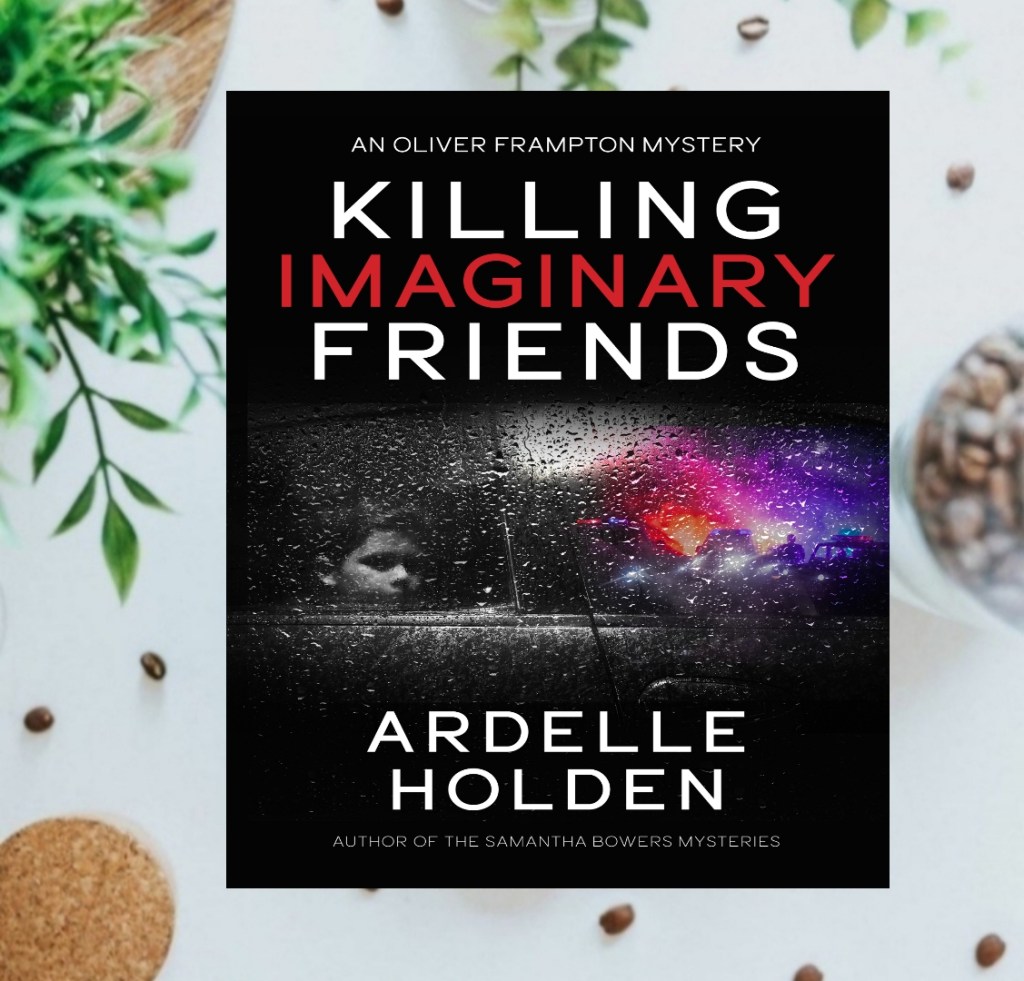
The Velvet Ghetto is a collection of twenty-five interconnected poems that together create a compelling narrative in verse. The book powerfully explores what happens when workplaces prioritize obedience over originality.

Anyone who has worked in a corporate environment will easily connect with the emotions woven into each poem.

“Life Sentence” stands out as a striking piece that captures the feeling of being trapped within a corporation. Dustin vividly portrays how employees often end their days feeling miserable, burned out, and completely exhausted.

The poem “Better Opportunities” highlights how employees live in a state of fearful obedience, lacking the courage to speak up and instead choosing to remain silent while they suffer.

Drawing from his own experience in Corporate America, Dustin brings authenticity to this collection. As someone who has also worked a 9-to-5 job, I found this book deeply relatable. The language is simple and accessible, making the poems easy to follow. I’m truly glad I had the opportunity to read this book.

  • 𝗠𝘆 𝗥𝗮𝘁𝗶𝗻𝗴: 5/5

Buy book on Amazon
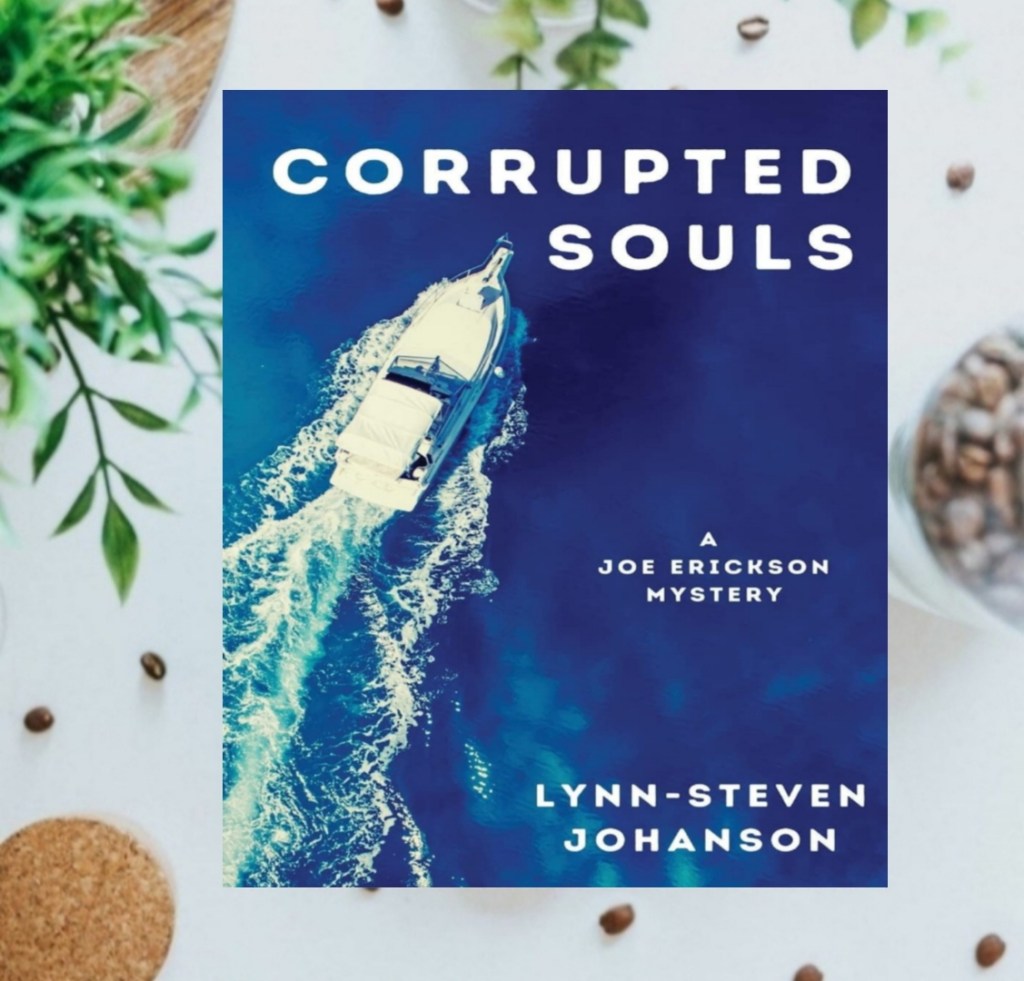
Shadow Nights: Arc I Into the Shadows

𝗕𝗼𝗼𝗸: Shadow Nights: Arc I Into the Shadows 📚
𝗔𝘂𝘁𝗵𝗼𝗿: Seishin ✍️
.
.

Shadow Nights: Arc I Into the Shadows by Seishin, introduces readers to an urban fantasy where grief, crime, and supernatural forces collide. Blending coming-of-age elements with dark fantasy and superhero fiction, the novel lays the groundwork for an ambitious series driven by mystery, emotional stakes, etc.

At the heart of the story is Gavin, a teenage protagonist whose life is already weighed down by responsibility, family tension, and a city drowning in crime. When he unexpectedly gains strange, foxlike powers tied to shadowy creatures, Gavin is thrust into a hidden world operating just beneath everyday reality. The narrative smartly balances his internal conflict with the growing realization that he may be the “miracle” his city desperately needs.

Shadowy monsters, living crystals, cryptic spirits, and surreal environments such as underwater ruins and sealed domes create a vivid sense of danger and wonder.

Gavin’s relationship with his younger brother, Rex, feels genuine. Rex’s kidnapping and forced involvement with morally ambiguous characters raise the stakes significantly and demonstrate the story’s willingness to explore fear, powerlessness, and manipulation.

Shadow Nights: Arc I Into the Shadows will appeal to fans of urban fantasy. The story is fast paced without any dull moments. I am looking forward to getting my hands on the next book by the author.

  • 𝗠𝘆 𝗥𝗮𝘁𝗶𝗻𝗴: 5/5

Buy book on Amazon
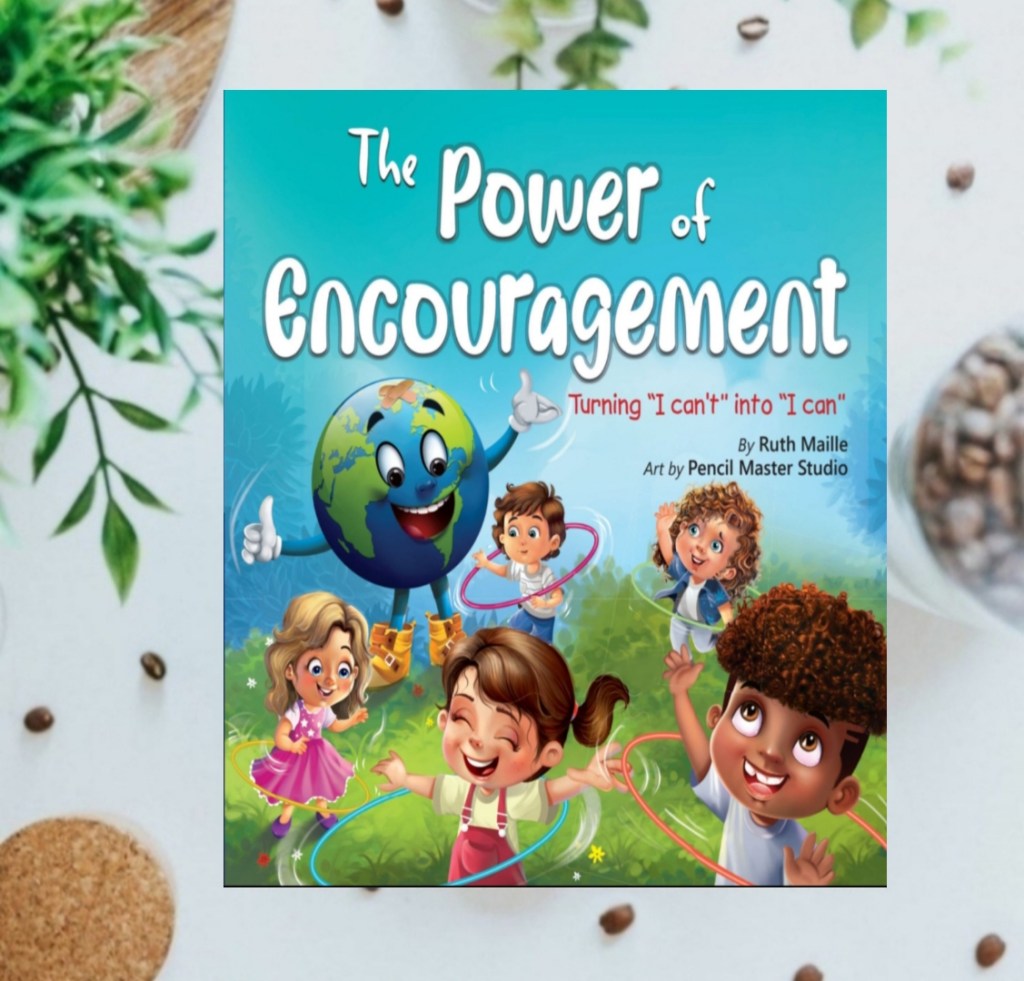
Interview with author Jim Loughran

Q1. Hello, can you please introduce yourself? Readers would love to know more about you.

I was born in Northern Ireland and studied French and Spanish at Queens University Belfast. Following graduation, I spent a year in Paris before completing his Post Graduate Certificate in Education. I taught French in Belfast and then moved to Dublin where I worked for ten years as a Media Planner in one of Dublin’s leading advertising agencies. During this time, I also got involved with Amnesty International and was Chairperson of Amnesty Ireland for five years. I then joined the organisation on a full-time basis as Development Manager before taking on the role of Head of Media. I initiated groundbreaking research into Irish links to the arms trade and produced two major reports: “Ireland and the Arms Trade – Decoding the Deals” and “Claws of the Celtic Tiger.”

I was head hunted by Irish based international human rights organisation Front Line Defenders to take up the newly created role of Head of Media and Communications. Prior to my retirement I was responsible for setting up the Human Rights Defenders Memorial Project, a unique collaborative project involving leading national and international organisations to document the killings of human rights defenders. I was the author of ‘Stop the Killings’ a major report which analysed the patterns of violence that led to the killings of human rights defenders in: Brazil, Colombia, Mexico, Guatemala, Honduras and the Philippines. These 6 countries collectively account for 80% of the killings of human rights defenders annually. I was jokingly referred to in the office as, ‘Head of Killings.’

I live in Dublin with my husband. Since I retired, I have shifted focus from writing press releases and opinion articles to historical fiction. My first published work, ‘Ill Met by Moonlight’ is a short story published in October 2025 by Briar Press, New York, as part of ‘These Dark Things,’ an anthology of 12 gothic short stories. The Bratinsky is my first novel published by Sharpe Books. My second novel “Syracuse Must Burn” set in Sicily in 407BC is due out this year.

Q2. What were the key challenges you faced while writing your book “The Bratinsky Affair”?

The Bratinsky Affair revolves around the stories of two main characters: exiled Russian aristocrat Countess Irina Bratinsky and aspiring investigative reporter Tom O’Brien. Irina’s story starts in pre-revolutionary Russia and travels to Paris in the 1920’s, Paris during the German Occupation and the political turmoil of the 1970’s. On the other hand, Tom’s story starts in small town Ireland and reflects the choices he makes as a young gay man coming to terms with his sexual orientation at a time when homosexuality was still a criminal offence. The main challenge was to convey the complexity of both their journeys and be sympathetic to the choices they make while not getting bogged down in the detail.

Another challenge was that in the first iteration of the book Irina came across as a bit of a monster. I had to recalibrate her as a much more sympathetic figure. On the other hand, I wanted her to come across as a strong independent woman, not a victim. She is someone who has taken control of her life and that is what makes her relevant to a modern audience.

Tom’s journey is more of an emotional one and it also incorporated elements of my own story as a gay man. Both stories reflect how happiness depends on the choices we make and the need for moral courage in difficult moments.

Q3. What books or authors have most influenced your own writing?

Since I was a teenager, I have always been absorbed in history so that is the first area I would look at. Growing up in a small village in Northern Ireland the subject of the famine was not talked about that much. There is a certain category of books which I would describe as light bulb books in that they illuminate an unknown event with the force of revelation. The Great Hunger by Cecil Woodham Smith was one of those in that it described the horrors of the Irish famine in an objective way that left you feeling you had lived through it. He showed me the importance of well researched and well written history.

The Memoirs of the Duc de Saint Simon is essential reading for anyone interested in French eighteenth century history. They have everything that any novel has ever been written about: gossip, corruption and intrigue at court, snobbery and the lust for power, love and devotion. He wrote his diary every day for fifty years and the only break was on the day his wife died, which is recorded by a tear on the page.

Another ‘light bulb book’ is the twin volumes The Normans in the South and The Kingdom in the Sun by John Julius Norwich. The Norman kingdom of Sicily established by Roger 11 in 1130 was an amalgam of Arab, Jewish and Christian culture based on tolerance. He was a Christian king who spoke Arabic and Greek and brought the finest craftsmen from Constantinople to create the Palatine Chapel. To see the most spectacular Byzantine mosaics go to Palermo.

In terms of historical fiction there are so many inspirational writers. Mary Renault, of course is the writer who almost invented historical fiction as a genre and in books like “The King Must Die”, “The Persian Boy” and “The Bull from the Sea” she recreates the world of ancient Greece so that you feel you are reliving it.

CJ Sansom’s character, lawyer Mathew Shardlake, is a wonderful invention as he explores the dark corners of Henry V111’s reformation England. This of course brings us to Hilary Mantel who has set the bar very high for writers of historical fiction with her “Wolfe Hall” trilogy.

When I need some light relief there are the adventures of Commissario Guido Brunetti by Dona Leon. Set in Venice this is the antithesis of scandi noir. He is not a divorced alcoholic. He has a happy marriage, loves his children and navigates the politics of his job with skill. Finally, there is one book which I have read many times: “The Historian” by Elizabeth Kostova. It is a brilliant reworking of the Dracula legend, so embedded in history that it is entirely credible.

Q4. What’s your favourite spot to visit in your own country? And what makes it so special to you?

My favourite place in Ireland is Woodstown Beach, outside Waterford City. It is a shallow bay bordered with sand dunes and a discreet fringe of pine trees. Here and there you can catch glimpses of elegant villas sheltered from the wind among the trees. Due to some anomaly of the tide the beach is littered with tiny pink shells and if you close your eyes all you will hear is the sighing of the wind and the tinkling of the shells in the surf. I have gone there many times with my oldest friend, and it is a place of great comfort and peace. Woodstown House also happens to be the place to which Jackie Kennedy retreated after the assassination of JFK.

Q5. What inspired you to write the book ‘The Bratinsky Affair’?

In Irish history there are many stories about Irishmen who during the penal laws in seventeenth century Ireland fled repression at home to seek fame and fortune in the armies of Spain, France, Austria and Russia. At one point I met a descendant of one those families. Baron Brian de Breffny, Count O’ Rourke was the descendant of one such family. His ancestors had been generals during the wars against Napoleon and one of them even has his portrait in the Hermitage Museum. They survived in Russia until the revolution and ended up coming back to find refuge in Ireland three hundred years after their original departure. I thought there had to be a novel in that story! Years later, I discovered that there is a village in Wicklow called ‘The Russian Village’. It had been built by another Russian refugee whose family had fled to England. An architect, he married an Irish woman and ended up in Wicklow. This was the perfect place to start my story.

Q6. How long did it take you to write your book ‘The Bratinsky Affair’?

It took about three years though I wasn’t working on it all the time. It happened in fits and starts.

Q7. On what platforms can readers buy your books?

It is available on Amazon.

Q8. Tell us about the process of coming up with the book cover and the title ‘The Bratinsky Affair’?

I can claim no credit for the cover as this was designed by my publisher, Sharpe Books. The title was suggested by all those reports of scandals and crime such as ‘The Drefus Affair,” “The Profumo Affair” the “Affair of the Diamond Necklace.” Once I got that title stuck in my brain I couldn’t think past it. Nothing else quite worked, despite numerous attempts.

Q9. When writing a book how do you keep things fresh, for both your readers and yourself.

You have to be open to changes. For example, we were on holidays in the south of France and stumbled on an exhibition of the portraits of Suzy Solidor a controversial singer from the 1920’s who was painted by all the great artists of the day. She also ran the most fashionable night club in Paris in the 20’s and 30’s. She was also openly lesbian. Her story was so outrageous that I thought this is what we need to make Irina more human, and more fun. You also need to accept when something, a character or a section, simply doesn’t work. This stage of the process is not called ‘killing your darlings’ for nothing.

Q10. What is the most valuable piece of advice you’ve been given about writing?

I would quote Stephen King (and recommend his book on writing): ° keep reading, keep writing and keep submitting. The other piece of advice I got was get it finished rather than obsess on making it perfect, otherwise you will never get past the opening paragraph.

Buy book on Amazon

A Season of Thunder

𝗕𝗼𝗼𝗸: A Season of Thunder 📚
𝗔𝘂𝘁𝗵𝗼𝗿: Alex Gerrick ✍️
.
.

Inspired by real events, Alex Gerrick crafts a deeply personal story that moves between past and present, Europe and Australia, memory and obsession.

At its heart, the book follows a man haunted by a violent childhood mystery and by unanswered questions surrounding his family’s past. When fragments of history resurface through war crimes, buried secrets, and long-silenced witnesses, the narrator embarks on a restless journey across continents to uncover the truth. This quest is not only about justice, but about identity, guilt, and the human need for closure.

The intersections between war, family loyalty, and mental health particularly PTSD are handled with sensitivity and depth.

A Season of Thunder is thoughtful work that will resonate with readers interested in true crime inspired fiction, post-war history, and psychological journeys. It is a powerful reminder that the past never truly disappears and that confronting it, however uncomfortable, may be the only path toward peace.

The language used in the book is easy to follow. I am impressed by Alex’s writing style. The book is well paced and I highly recommend it to my fellow readers.

  • 𝗠𝘆 𝗥𝗮𝘁𝗶𝗻𝗴: 5/5

Buy book on Amazon

Interview with author Alex Gerrick

Q1. Hello, can you please introduce yourself? Readers would love to know more about you.

A1. I am a former senior government official and political adviser who left the Australian government in 2018. Since then I have been the CEO of a charity dealing with PTSD and on the board of another charity that deals with animal assisted therapy. I live in Canberra, Australia with my wife and pet beagle, Louie. I have just completed my first draft of my third book, The Cry of the Lyrebird. My interests include history, travelling, music, animals. and football, being a mad supporter of Liverpool FC.

Q2. What were the key challenges you faced while writing your book “A Season of Thunder”?

A2. Although written as a novel, the book is based on fact, dealing with my shooting as a four year old boy and the possible connection to my father’s war service in the former Yugoslavia. Exploring such a traumatic event had its challenges as I discovered that many things I was told about the shooting were untrue. Dealing with that was difficult. Also discovering the background to my family’s escape from Yugoslavia (way before I was born) was also very challenging as I finally understood the terrible situations they experienced.

Q3. What books or authors have most influenced your own writing?

A3. I read widely, so I enjoy many authors. In terms of weaving together a story, I think Stephen King’s early books were a big influence on me, especially with character development. I also was influenced by writers such as Le Carre, Leon Uris, Herman Wouk, Robert Ludlum, and more recently, Robert Harris and Mick Herron. Catch 22 and To Kill a Mockingbird are still my two favourite novels of all time – I would love to write an Australian version of Catch 22 one day. I am also greatly influenced by the American film director, David Lynch, and how he portrayed the mysterious undercurrents that lurk within small towns.

Q4. What’s your favourite spot to visit in your own country? And what makes it so special to you?

A4. I am more of an international traveller these days – the Dalmatian Coast in Croatia and California are probably my two favourite places in the world because I love the sea and scenic, rugged coastlines. In Australia, Sydney is still my favorite place to visit – it is a historical city that offers everything, from fantastic beaches to brilliant restaurants and bars. Even for a large city, it relaxes me. Never get tired of visiting.

Q5. What inspired you to write the book ‘A Season of Thunder’?

A5. As the youngest of four children, I wanted to record the story of my family’s escape from Yugoslavia for my siblings and their children. It is such an amazing story that I felt it needed to be retold within our family for decades to come so that those that live after us continue to honour the sacrifices that my parents and my oldest sister made.

Q6. How long did it take you to write your book ‘A Season of Thunder’?

A6. It took me about six months to conduct all the research for the book, and about eighteen months to write it.

Q7. On what platforms can readers buy your books?

A7. You can purchase the book through Amazon or order it online through your favourite bookstore such as Barnes and Noble etc. In Canberra, some bookshops carry the book.

Q8. Tell us about the process of coming up with the book cover and the title ‘A Season of Thunder’?

A8. As for the book cover, I wanted something that conveyed a tree burning following a storm as that was an image my father recollected from the final days of the war. Fortunately I was able to find and purchase the perfect photo. My publisher who helped me with the book turned it into the perfect cover. As for ‘A Season of Thunder’ the title comes from my discussions with a Filipino Marist brother who I met in the Philippines in 2001. He explained to me about the Four Seasons of Life – the first being the Season of Thunder which details the events that led to your birth. That title fits perfectly with the essence of the novel.

Q9. When writing a book how do you keep things fresh, for both your readers and also yourself.

A9. Always have a surprise or twist ready to go! Sometimes I didn’t even know what the twist would be until it came to my head.

Q10. What is the most valuable piece of advice you’ve been given about writing?

A10. Stay calm, trust your instincts, don’t be scared to seek and take feedback, and don’t give up!

Buy book on Amazon

Writers of the Future, Volume 39

𝗕𝗼𝗼𝗸: Writers of the Future, Volume 39 presented by L. Ron Hubbard
.
.

This volume gathers various winning stories from the Writers of the Future contest, alongside additional pieces by established authors such as Kevin J. Anderson, L. Ron Hubbard, and S. M. Stirling. The range is impressive. Readers move effortlessly from intimate, emotionally driven narratives to high-concept science fiction, playful urban fantasy, and dark, morally complex tales. 

Stories like “Kitsune” by Devon Bohm stand out for its lyrical prose, blending myth and modern identity with quiet power. Others, such as “Death and the Taxman” by David Hankins, showcase humor and originality, proving the anthology is as entertaining as it is thoughtful.

Each story feels distinct in voice and ambition. Themes of identity, sacrifice, freedom, and consequence recur throughout the volume.

The illustrations, created by winners of the Illustrators of the Future contest and art directed by Echo Chernik, elevate the reading experience. Beyond the fiction itself, the included essays on writing and illustration add practical and inspirational value, particularly for aspiring creators. 

Writers of the Future, Volume 39 is an engaging collection that succeeds in its goal of discovering and showcasing new talent.

  • 𝗠𝘆 𝗥𝗮𝘁𝗶𝗻𝗴: 5/5

Buy book on Amazon

Design a site like this with WordPress.com
Get started